
 By Evan Lee Salim

By Erin Rodrigue | Content Strategist & Writer
At some point over the last year, a familiar question likely echoed through your marketing department: “Should we be on Bluesky?”

As social media fragmentation accelerates, brands find themselves constantly evaluating where to allocate resources next. Whether your organization is ready to dive headfirst into the decentralized ecosystem or simply test the waters, understanding the platform’s unique dynamics is the crucial first step.
With over 46 million registered users, zero traditional advertising options, and an unprecedented level of user-driven content curation, Bluesky requires a strategy fundamentally different from legacy networks like X (formerly Twitter), LinkedIn, or Meta’s Threads.

Main Facts: What is Bluesky and Why Does It Matter?
Bluesky is a decentralized social network designed for short-form text posts, multimedia sharing, and dynamic community engagement. While its visual interface closely resembles the early days of Twitter, its underlying architecture sets it apart. Built on the AT Protocol (Authenticated Transfer Protocol), Bluesky grants users extraordinary control over their digital experience.
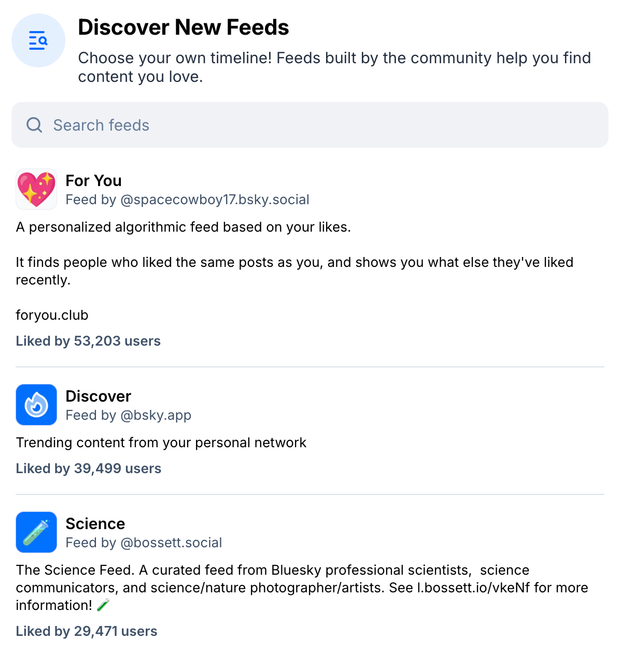
Unlike algorithmic walled gardens where a single corporation dictates visibility, Bluesky operates on an open network model. Users can seamlessly switch between timelines—from a chronological Following feed to an algorithmic Discover feed and user-generated Custom Feeds dedicated to niche interests like astronomy, gardening, or software development.

For brands, entering Bluesky requires abandoning traditional paid-acquisition playbooks. Because the platform currently features no advertising infrastructure, every organization—from bootstrapped startups to Fortune 500 enterprises—starts on equal footing. Success cannot be bought through ad spend; it must be earned through organic utility, active community participation, and consistent thought leadership.
Chronology: The Rapid Ascent to 46 Million Users
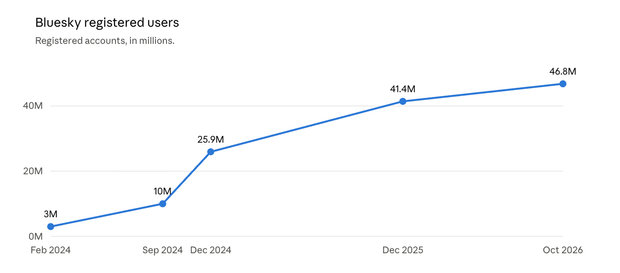
Bluesky’s trajectory from an invite-only beta project to a mainstream media heavyweight has been marked by explosive, event-driven growth spurts.
- The Genesis: Initially conceived as a research initiative inside Twitter under then-CEO Jack Dorsey, Bluesky eventually spun off into an independent, public-benefit corporation.
- Late 2024 Inflection Point: Following the U.S. presidential election in November 2024, the platform experienced a massive migration wave, welcoming millions of new users fleeing shifts in content moderation and algorithmic policies on competing platforms.
- The 2025 Growth Surge: Bluesky closed out 2025 with an extraordinary 60% growth rate, capping the year at 41.41 million registered users, according to the company’s official transparency report.
- 2026 Expansion: By October 2026, user registration milestones surged past 46.8 million. While this audience size still trails market giants like Instagram and X, it has officially crossed the threshold from "niche experiment" to "too big to ignore."
Supporting Data: Demographics and Audience Makeup
Understanding who populates Bluesky is vital for tailoring a brand’s content mix. According to comprehensive web traffic and audience analytics from Similarweb, Bluesky’s user base exhibits distinct demographic trends:
- Gender Distribution: The user base skews roughly 64% male and 36% female.
- Age Breakdown: The platform’s largest demographic cohort consists of individuals aged 18 to 24, who account for approximately 32% of total visitors.
- Geographic Reach: Web traffic is heavily concentrated in the United States (49%), followed by the United Kingdom (9%), Japan (6%), Germany (6%), and Canada (5%).
- Professional Ecosystem: Beyond general consumers, Bluesky has entrenched itself as the digital town square for journalists, software developers, academic researchers, tech founders, and industry analysts. This makes it an ideal environment for B2B thought leadership, PR outreach, and public affairs.
Official Responses & Expert Insights: The Shift to Community-Centric Marketing
Marketing leaders and agency founders emphasize that standard corporate broadcast strategies fall flat on Bluesky.
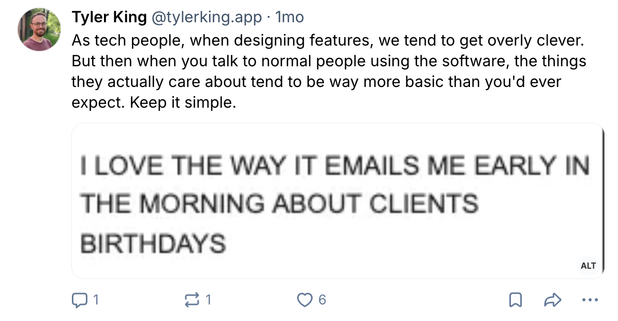
"I would encourage brands to think of Bluesky as a community-building channel rather than a paid acquisition channel," says Ben Metcalfe, Founder of BlackFire Marketing. "With no ad budgets to lean on, your growth will come from being useful in conversations, building or joining custom feeds, and, most importantly, giving people a reason to follow you."
Because Bluesky’s Following feed operates strictly chronologically, content visibility has a notably short shelf life. There is no algorithm to give underperforming posts a delayed second wind. As Metcalfe notes, "Your reach comes down to when you post, how often, and whether users have chosen to follow you."
Major global brands are already adapting. For instance, tech companies like GitHub utilize the platform to share highly actionable developer tips—such as practical shortcuts for GitHub Copilot—frequently featuring real company employees on camera to humanize the brand. Similarly, privacy-focused search engine DuckDuckGo leverages executive visibility, sharing video updates featuring its founder and chief product officer to foster direct, authentic audience trust.
Implications: Building a Step-by-Step Bluesky Strategy
Successfully navigating this decentralized frontier requires a structured, multi-phase approach. Organizations looking to establish a meaningful presence should implement the following steps:

1. Define Clear, Measurable Goals
Establish why your brand is joining the platform. Are you aiming to build industry authority, forge relationships with tech journalists, or cultivate a grassroots consumer community? Align your Key Performance Indicators (KPIs) accordingly.
2. Secure a Custom Domain Handle
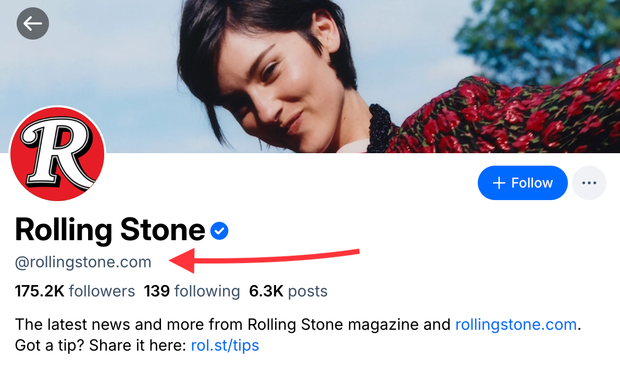
By default, Bluesky accounts receive handles ending in .bsky.social. Brands should invest the technical effort to configure a custom domain handle (e.g., @yourbrand.com). This authenticates your organization, prevents impersonation, and adds immediate institutional credibility.
3. Establish Content Pillars Around the 80/20 Rule
Adhere to the 80/20 rule: dedicate 80% of your output to providing genuine value, education, or entertainment, and limit direct promotion to 20%. Build content pillars that align with your core expertise while leaving room to react to real-time industry discussions.
4. Leverage Thought Leadership and Human Faces
Corporate logos rarely inspire deep engagement on decentralized networks. Highlight internal experts, researchers, developers, and executives. When subject matter experts share unique insights—especially via video or direct commentary—thought leadership feels authentic rather than corporate.

5. Engage Niche Communities and Custom Feeds
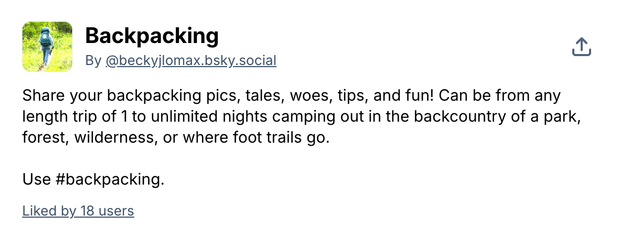
Bluesky’s custom feed architecture allows users to pin topic-specific timelines to their home screens. Brands should actively monitor and contribute to feeds relevant to their industry (such as outdoor recreation, small business entrepreneurship, or software engineering) to discover organic conversation opportunities.
6. Optimize for Custom Feed Discovery
Custom feeds often index posts containing specific keywords or hashtags (e.g., #womeninbusiness). Naturally integrating these tags into relevant content can expose your brand to targeted audiences who do not yet follow your account.
7. Manage Cadence and Consistency
Because the main timeline is strictly chronological, consistency is paramount. Teams must establish a sustainable posting cadence, utilizing social management suites to test different scheduling times and identify peak audience activity windows.
Conclusion: Managing the Strategy with Modern Toolsets
As Bluesky continues its rapid maturation, managing decentralized communication channels alongside traditional social networks can quickly strain internal resources. Modern workflow platforms have evolved to address this complexity.

Integrated toolsets like Perch allow communications teams to plan and schedule Bluesky posts within a unified content calendar while providing optimal posting time recommendations. Meanwhile, social listening applications like Lumen track brand sentiment and share of voice across millions of websites and dozens of social networks, ensuring brands can capitalize on emerging industry trends in real-time. Finally, AI-driven assistants like Wisdom parse complex performance metrics through plain-language queries, helping marketing teams instantly identify what content is resonating without manual data excavation.
For brands willing to trade automated ad spend for authentic community building, Bluesky represents an open, high-potential frontier. By prioritizing utility, leveraging internal subject matter experts, and respecting the chronological rhythm of the network, organizations can secure an enduring foothold in the next generation of social media.
 Ammar Sabilarrohman
 rifanmuazin
 Iffa Jayyana
