
 By Dwi Wanna
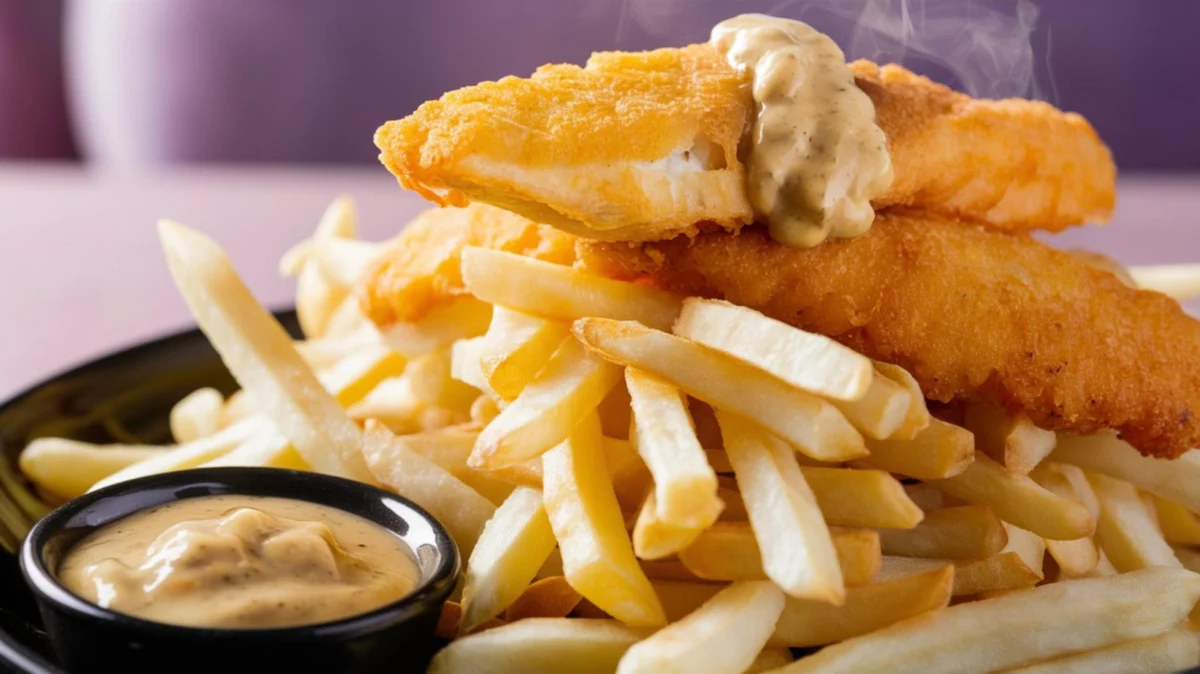
From the steaming comfort of a hearty seafood boil to the refreshing tang of ceviche and the golden crunch of traditional fish and chips, seafood remains a cornerstone of global culinary culture. As human populations expand and the global appetite for marine proteins surges, the strain on our oceans becomes increasingly apparent. Overfishing threatens countless aquatic species, imperils delicate marine ecosystems, and challenges the very survival of traditional fishing communities.
Yet, consumers do not need to abandon their favorite comfort foods to protect the planet. Instead, the culinary world is shifting toward conscious consumption—proving that sustainability and satisfaction can coexist on the same plate. For lovers of classic fish and chips, the secret to enjoying this beloved dish guilt-free lies in a simple switch of species: trading the historically depleted Atlantic cod for its thriving counterpart in the West, the Pacific cod.
Main Facts: The Shift to Pacific Cod
The global appetite for fish and chips is insatiable, but the traditional ingredients behind the dish have undergone a quiet revolution. Historically, Atlantic cod was the undisputed king of the fryer. Brought over to Britain by Jewish immigrants centuries ago, it defined the flavor, texture, and cultural heritage of the dish. However, decades of intense industrial fishing have severely depleted Atlantic cod stocks, leaving environmentalists and culinary experts urging a change in habits.
Enter Pacific cod (Gadus macrocephalus). Thriving in the cold, nutrient-rich waters of the northern Pacific Ocean, this species has emerged as the gold standard for sustainable seafood.
- Robust Population Health: Unlike its Atlantic relative, Pacific cod populations are currently stable and well-managed, facing significantly lower risks of overfishing.
- Nutritional Powerhouse: Beyond its eco-friendly credentials, Pacific cod is exceptionally nutritious. It is packed with lean protein, essential vitamins (such as B12 and B6), vital minerals like phosphorus and selenium, and beneficial omega-3 fatty acids.
- Culinary Versatility: With a mild, clean flavor, delicate yet firm flake, and low oil content, Pacific cod holds up remarkably well to frying, baking, and battering, making it an ideal substitute in traditional recipes.
Chronology: From Abundance to Crisis and Recovery
To understand why Pacific cod is now the preferred choice for eco-conscious kitchens, it is necessary to examine the historical timeline of the cod fishery.
Pre-20th Century: The Era of Endless Oceans
For centuries, cod was viewed as an infinite resource. In the North Atlantic, schools were so vast that early explorers reported ships being slowed down by the sheer mass of fish. Atlantic cod fueled economies across Europe and North America, becoming a dietary staple for millions.
The Late 20th Century: The Atlantic Collapse
The introduction of advanced industrial fishing technologies—such as factory trawlers equipped with massive, indiscriminate nets and sophisticated sonar—spelled disaster for marine life. During the late 1980s and early 1990s, the Atlantic cod fishery suffered a catastrophic collapse. Most notably, the 1992 Canadian cod moratorium shut down the fishery off the coast of Newfoundland, putting over 30,000 fishers out of work overnight. Despite decades of restricted quotas, the Atlantic cod stock has struggled to return to its historical abundance.
The Pacific Fishery Model: Proactive Management
In stark contrast, the management of Pacific cod fisheries developed under the shadow of the Atlantic disaster. Recognizing the fragility of marine ecosystems, regulatory bodies in the United States and Canada implemented strict science-based catch limits, gear restrictions, and mandatory monitoring programs long before total collapse could occur.
Supporting Data: Understanding the Ecological Divide
The disparity between Atlantic and Pacific cod populations is starkly illustrated by fisheries science and conservation data.
| Metric | Atlantic Cod (Gadus morhua) | Pacific Cod (Gadus macrocephalus) |
|---|---|---|
| Primary Habitat | North Atlantic, North Sea, Baltic Sea | North Pacific, Bering Sea, Gulf of Alaska |
| Conservation Status | Depleted / Slow Recovery | Stable / Healthy |
| Bycatch Regulations | Historically high waste; improving slowly | Rigorously monitored with strict caps |
| U.S. Market Availability | Highly restricted / Imported alternatives | Readily available (fresh and frozen) |
Marine conservation organizations, including the Monterey Bay Aquarium’s Seafood Watch program, consistently rate many Pacific cod fisheries as "Good Alternatives" or "Best Choices," provided they are caught using specific methods like longlines or pots rather than bottom trawls that disturb the seabed. Conversely, most Atlantic cod stocks remain red-listed or subject to severe catch warnings.
Official Responses: Science, Policy, and Industry Action
Fisheries management agencies, environmental scientists, and culinary leaders have increasingly aligned their policies to safeguard marine biodiversity while maintaining food security.
Regulatory Safeguards
The National Oceanic and Atmospheric Administration (NOAA) Fisheries, in collaboration with the North Pacific Fishery Management Council, oversees the management of Pacific cod in U.S. waters. These bodies set annual catch limits based on comprehensive stock assessments conducted by marine biologists. Furthermore, strict regulations governing "bycatch"—the accidental capture of non-target species—help protect seabirds, marine mammals, and juvenile fish.
Industry and Culinary Shifts
Major seafood suppliers and restaurant chains have also adapted. Recognizing that modern consumers demand transparency and sustainability, many culinary establishments have phased out Atlantic cod entirely. Instead, they proudly feature Pacific cod on their menus, educating diners on the ecological benefits of the choice.
Renowned chefs and culinary institutions emphasize that sustainability does not require a compromise on quality. By adopting Pacific cod, chefs ensure that the delicate, flaky texture and savory appeal of classic fish and chips remain intact without compromising marine health.
Implications: What This Means for Consumers and the Future of Food
The transition from Atlantic to Pacific cod carries profound implications for global food systems, coastal economies, and daily culinary practices.
1. Ecosystem Preservation
Choosing Pacific cod reduces the pressure on vulnerable Atlantic ecosystems, allowing depleted fish stocks the uninterrupted time they need to rebuild. Responsible purchasing power sends a clear signal to the commercial fishing industry that consumers value long-term ecological health over short-term abundance.
2. The Practicality of Home Preparation
For the home cook, incorporating sustainable seafood is remarkably straightforward. Pacific cod is widely available at major grocery stores and supermarkets in both fresh and frozen formats.
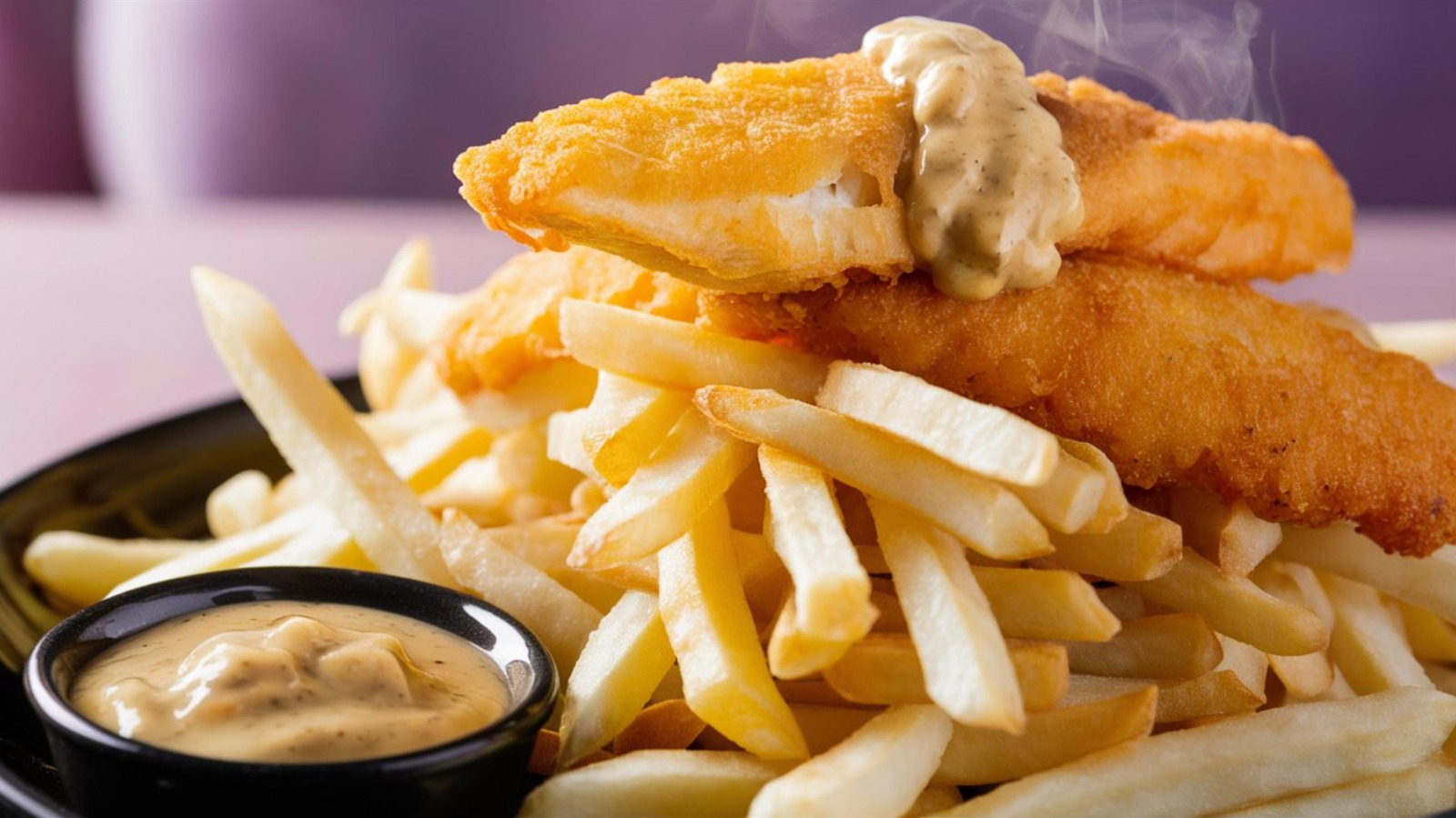
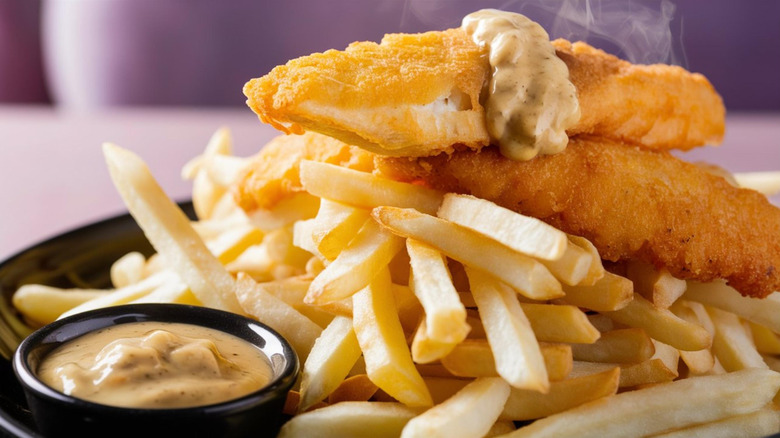
While purists often favor the traditional deep-fried method—submerging fillets in a crisp beer batter (a blend of flour, water, and effervescent ale) until golden brown, then serving alongside hand-cut chips, malt vinegar, and tartar sauce—health-conscious cooks can easily adapt the fish for modern kitchens. An oven-baked sheet pan version yields a lighter yet satisfyingly crunchy meal with minimal oil.
3. Preserving Culinary Traditions
Ultimately, the conscious choice of Pacific cod ensures that the cultural heritage of fish and chips can endure for generations to come. By aligning our dietary habits with the ecological carrying capacity of the oceans, we safeguard not only the marine environment but also the simple, enduring joy of gathering around a steaming, golden plate of comfort food.
 Azzam Bilal Chamdy
 Lina Irawan
 Lina Hope
