
 By Laily UPN
In the rapidly evolving landscape of 2026, a strange and contradictory trend has emerged at the intersection of Silicon Valley and the creative arts. The very companies spearheading the generative AI revolution—enterprises built on the promise of automating creative labor—are consistently turning to the elite tier of human designers to craft their brand identities.
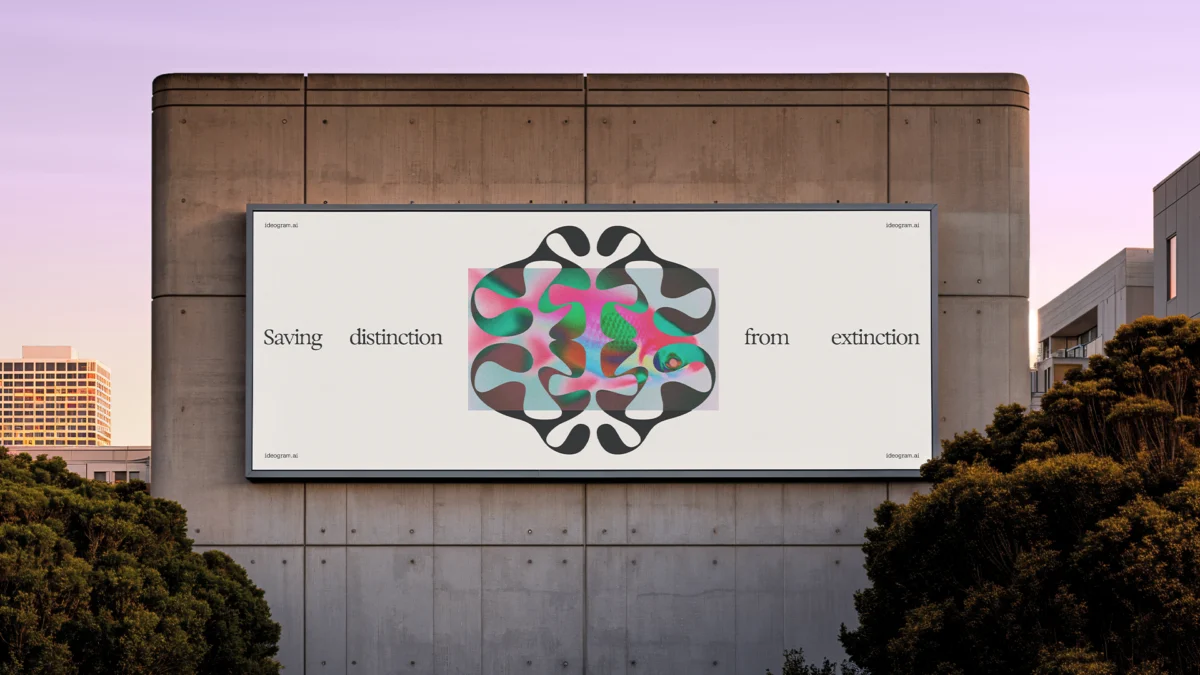
From the rebranding of Ideogram by the studio How&How to the collaborative efforts between Meta and renowned lettering artist Jessica Hische for the "Muse" platform, a pattern is clear: while AI can generate images, it cannot yet generate the authority, soul, or strategic nuance that a human-led brand identity provides. This phenomenon has sparked a fierce debate within the design community regarding the morality of "taking the paycheck" from the very entities perceived as a threat to the profession.
A Chronology of the "Human-First" AI Branding Wave
The reliance on human craftsmanship for AI brands is not a singular occurrence but a growing industry standard.
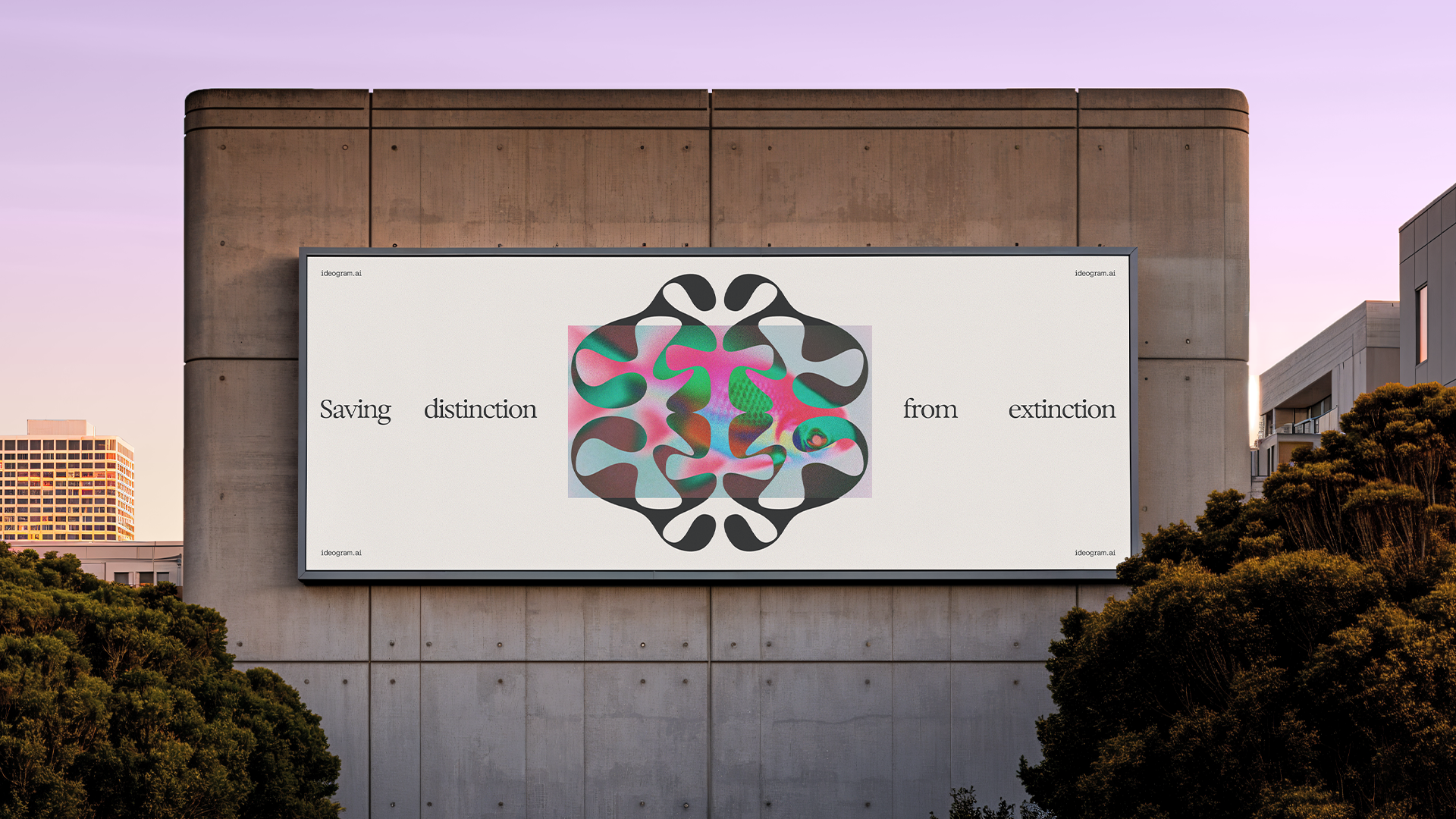
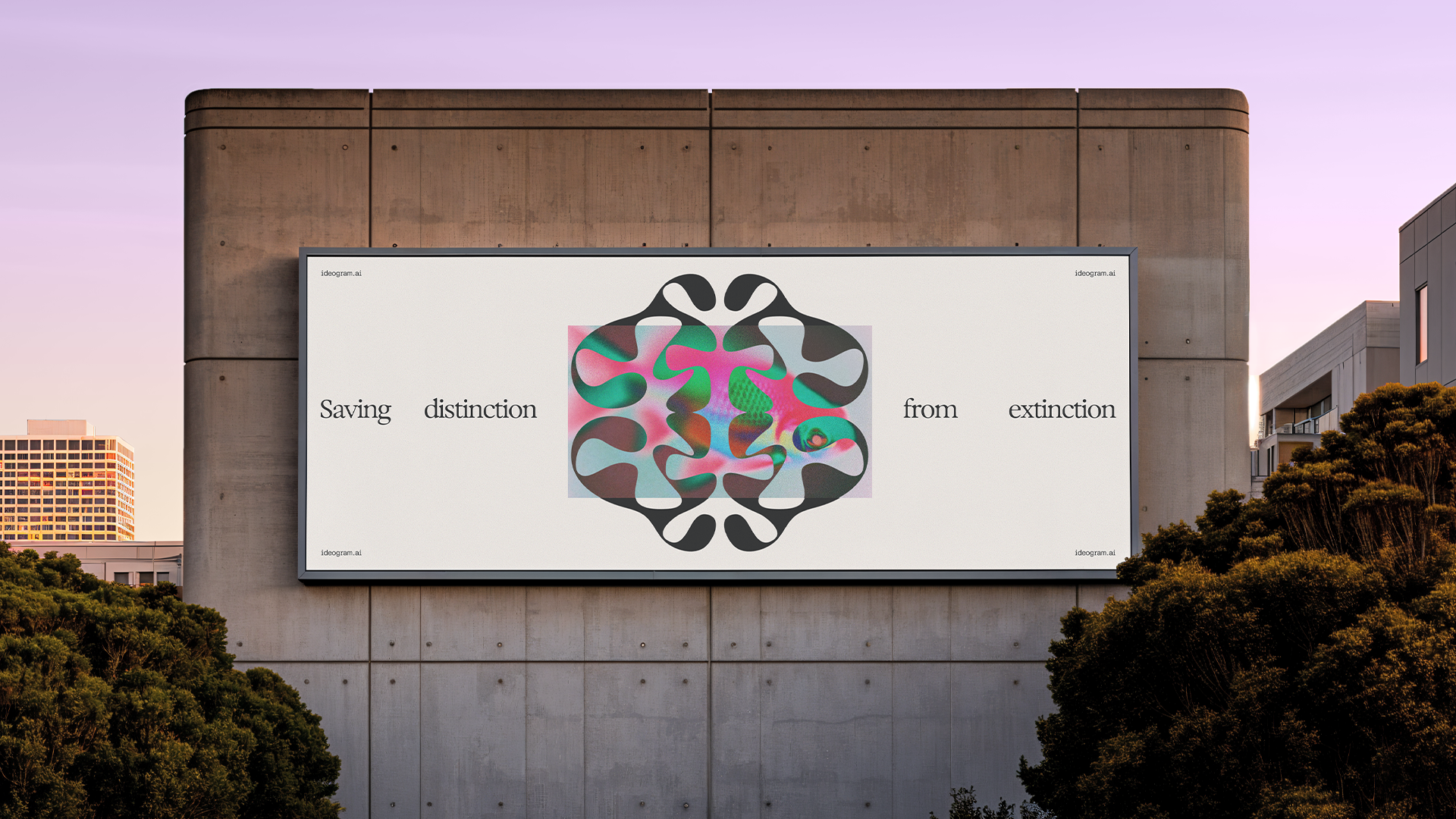
- Early 2026: AI image generator Ideogram enlists How&How to overhaul its visual identity. The resulting work, characterized by a brain-shaped mark and AI-assisted assets refined by human hands in Photoshop, sets a precedent for "hybrid" design.
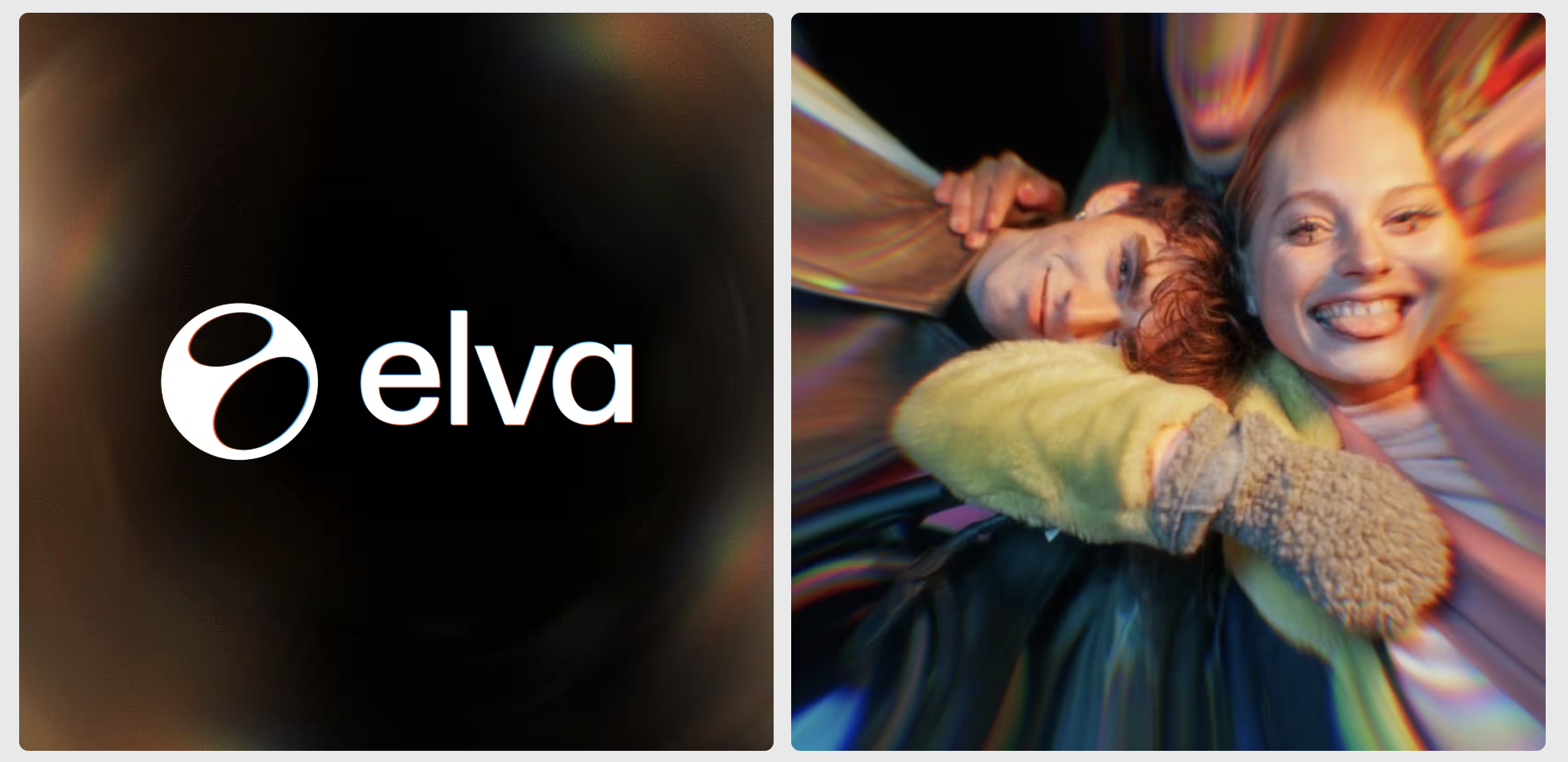
- Mid-2026: The design agency Lazarev unveils a comprehensive identity system for the AI video editing application Elva. The project prioritizes a friendly, approachable human-centric visual language to soften the cold, technical nature of the underlying software.
- Late 2026: The firm Together executes a rebranding for the AI audit company Clusia, employing a sophisticated four-petal mark and custom typography to establish trust in a field where error detection is critical.
- Recent Developments: Meta engages Jessica Hische to handle the logo and logotype for "Muse." The high-profile nature of this commission, combined with the backlash Hische faced from peers, has turned the spotlight on the ethical dilemma facing modern designers.
The Strategic Necessity: Why Branding isn’t Just "Nice Pictures"
To understand why a company capable of creating stunning, hyper-realistic visuals would pay a human for a logo, one must first distinguish between "content" and "branding."
AI models are proficient at generating aesthetics—pleasing colors, interesting compositions, and stylistic mimicry. However, branding is an exercise in human psychology. It is the art of building institutional trust. As the public becomes increasingly wary of "AI slop"—the generic, uncanny, and often low-quality output that permeates social media—the necessity for a human stamp of approval has never been higher.
The Credibility Gap
AI companies currently face a severe credibility crisis. By hiring human designers, these companies are attempting to "humanize" their image. A logo designed by a human signals stability, intent, and accountability. It tells the consumer: "Behind this algorithm, there is a thoughtful, human-led organization."
The irony is not lost on the industry: AI firms are essentially using human labor to market the idea that AI is safe, reliable, and "human-compatible."
Supporting Data and Industry Perspectives
While critics argue that these commissions signal a "sell-out" culture, the economic reality of the design world remains complex.
- The Scale of Investment: Generative AI is backed by billions in venture capital. The design fees paid to top-tier studios and independent artists—while substantial—represent a negligible fraction of these companies’ R&D budgets.
- The Professional Defense: Designers like Jessica Hische have pointed out that professional fees facilitate the continued operation of independent studios and the support of creative staff. In her defense against critics on Threads, Hische highlighted that rejecting a $12,500 commission for Meta would not halt the development of AI; it would only result in the funds being redirected to a different creative, or worse, an internal team that might produce inferior work.
The "Artisan" Seal
There is also a growing premium on "human-refined" design. The How&How project for Ideogram serves as a prime example. By using AI-generated imagery but subjecting it to rigorous manual refinement in Photoshop, the agency produced a final product that possesses the structural integrity of professional design alongside the innovative edge of AI. This "Human-in-the-loop" design process is likely to become the gold standard for high-end branding in the coming years.
The Ethical Tug-of-War: Implications for Creatives
The backlash against designers who accept work from AI companies is rooted in a fundamental existential fear. Many creatives believe that by providing high-quality branding for these tools, designers are effectively "polishing the axe" that will eventually cut their own careers short.
The Case for Pragmatism
Conversely, a growing camp of pragmatists argues that the "AI Juggernaut" is an unstoppable economic force. Whether or not an independent designer works for these companies, the companies will continue to scale. If designers collectively boycott these projects, they may find themselves marginalized, leaving the visual landscape of the future to be defined entirely by non-creatives using prompt-based tools.
The "Artist-as-Humanizer" Role
As Jessica Hische noted in her interview with Wired, there is a profound irony in the current state of affairs: "Isn’t this ultimately the future that we want? Large companies hiring independent artists to do things?"
Perhaps the future of the design profession is not in competing with AI, but in acting as the "human filter" for it. By maintaining the role of the brand strategist and the artisan, designers can ensure that even as the tools of production change, the soul of communication remains grounded in human experience.
Conclusion: The Long View
The paradox of AI companies hiring human designers is, in fact, a confirmation of the value of human labor. If AI were truly capable of replacing the strategic, cultural, and emotional weight of a professional brand identity, these companies would not be spending their capital on human talent.
The industry is currently in a state of transition. While the anger from the creative community is understandable, the trend suggests that as technology becomes more ubiquitous, the premium on human-made, human-verified, and human-led design will likely increase.
Designers must decide whether to view these AI giants as irredeemable adversaries or as new, albeit challenging, clients who require the very thing they are trying to replace: the human touch. As we look toward the remainder of 2026 and beyond, the most successful creatives will likely be those who can leverage AI as a tool while simultaneously positioning themselves as the indispensable architects of the brand narratives that AI, for all its processing power, still cannot weave.
 Nana Muazin
 Raul Delapena Setiawan
