
 By Nana Muazin
For over a decade, the consumer electronics industry has been locked in a race toward miniaturization, sleek aesthetics, and, unfortunately, planned obsolescence. Nowhere is this more apparent than in the market for wireless earbuds. Whether you are a casual listener opting for budget-friendly clones or a dedicated audiophile investing in high-end in-ear monitors (IEMs), the reality remains the same: once the internal lithium-ion battery dies, the entire device becomes electronic waste.
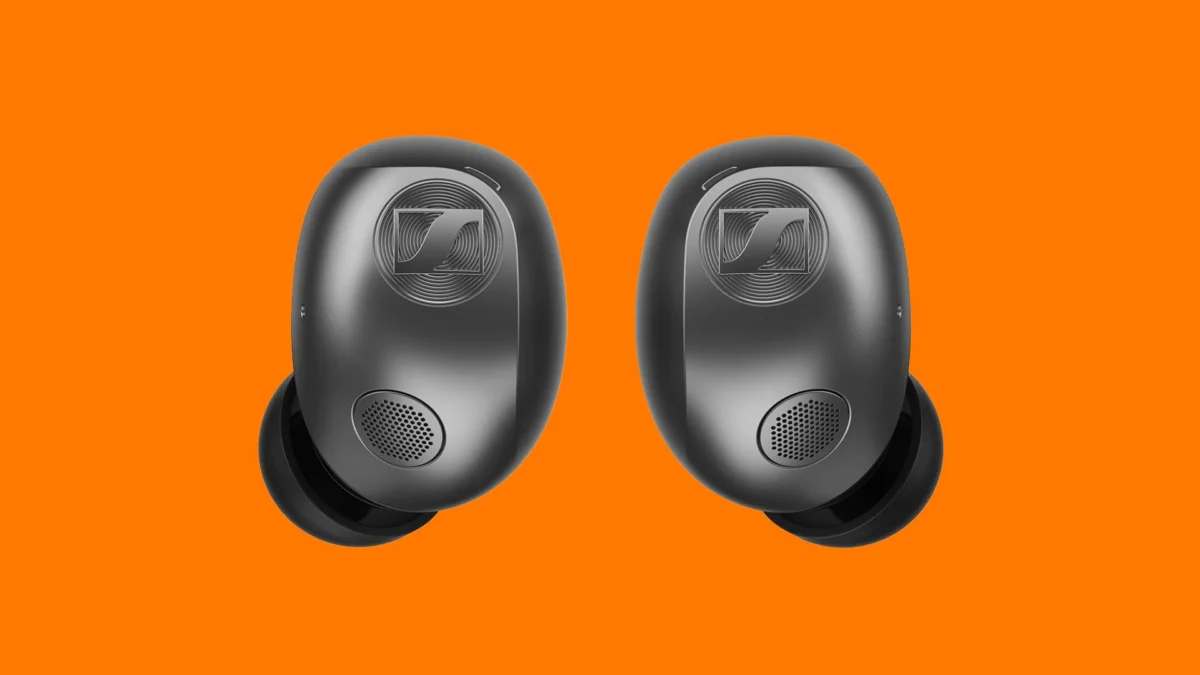
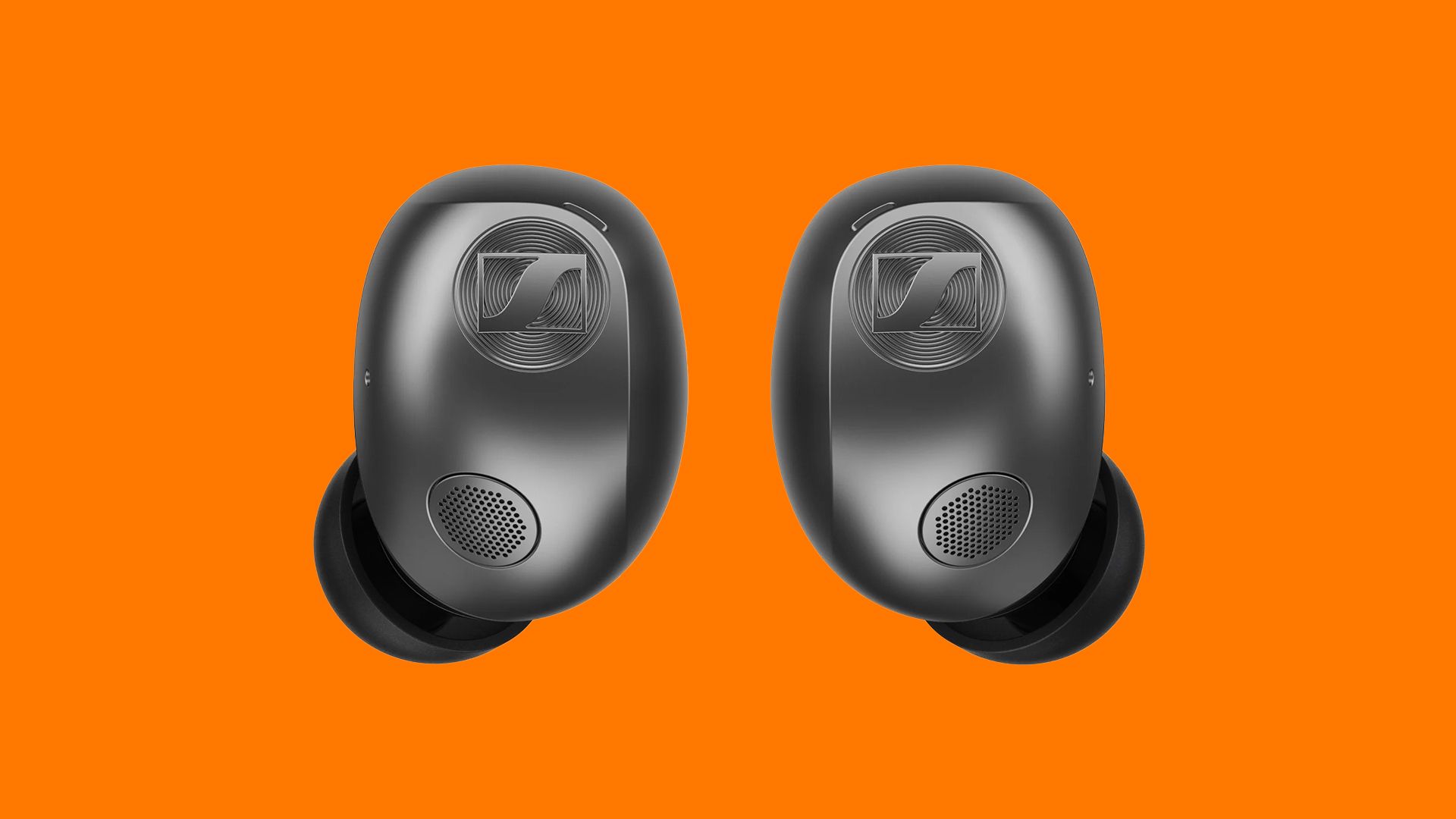
While market leaders like Apple have dominated the space with the ubiquitous AirPods, they have consistently faced criticism for a "sealed-unit" design philosophy that renders their products effectively unrepairable. However, a seismic shift may be underway. German audio giant Sennheiser has officially entered the fray with the Momentum True Wireless 5, a flagship product that challenges the status quo by prioritizing long-term sustainability through a revolutionary, user-friendly repairability feature.
The Core Innovation: Ending the Disposable Earbud Cycle
The central problem plaguing the wireless earbud market is chemical in nature: lithium-ion batteries. These power cells have a finite number of charge cycles before their capacity degrades significantly. In most premium wireless earbuds, these batteries are glued or soldered directly onto the internal circuitry, buried beneath layers of adhesive and proprietary housing.
Sennheiser’s Momentum True Wireless 5 represents a fundamental departure from this "disposable by design" architecture. By incorporating a mechanical structure that allows users to swap out the batteries in both the individual earbuds and the charging case using nothing more than a standard small screwdriver, Sennheiser is positioning itself as the champion of the "Right to Repair" movement within the high-fidelity audio sector.
This is not merely a convenience feature; it is a sustainability milestone. By decoupling the battery from the primary hardware, Sennheiser has effectively doubled—or even tripled—the potential lifecycle of their premium audio gear.
Chronology of a Crisis: The Battle for Repairability
To understand the significance of the Momentum True Wireless 5, one must look at the timeline of the "repairability crisis" that has defined the last decade of personal tech.
- 2016–2019: The Rise of the Sealed Unit. With the launch of the original AirPods, Apple set the industry standard. Competitors rushed to match the form factor, leading to an explosion of "glued-shut" electronics that became the industry norm.
- 2021: Regulatory Pressure. European and American regulators began investigating the environmental impact of non-replaceable batteries. The European Union’s push for "circular economy" legislation signaled that the days of disposable tech might be numbered.
- 2022: The "Repair" Tokenism. In response to growing backlash, Apple launched its "Self Service Repair" program for iPhones. While seen as a step forward, critics argued it was overly complex and did not address the fundamental issue of device architecture, particularly regarding wearable audio.
- 2023: The DIY Rebellion. The frustration reached a fever pitch in 2023, when hardware enthusiasts began "hacking" their own AirPods, 3D-printing custom cases and manually soldering new batteries into buds that were never meant to be opened. This grassroots movement highlighted a clear market demand for longevity.
- 2024: The Sennheiser Pivot. Recognizing the growing consumer appetite for sustainable, high-end hardware, Sennheiser developed the Momentum True Wireless 5, marking the first time a mainstream premium brand has successfully integrated user-replaceable batteries into a flagship product.
Technical Specifications and Audiophile Performance
While the repairability of the Momentum True Wireless 5 is its most notable headline, it would be a disservice to ignore the audio engineering prowess packed into these units. Sennheiser has not sacrificed performance for the sake of modularity.
The Sound Profile
The buds feature Sennheiser’s proprietary TrueResponse transducers, which have long been the gold standard for high-fidelity audio reproduction. The implementation of 3D Dolby Atmos support creates a spatial audio experience that mimics a surround-sound studio environment.
Advanced Connectivity and Isolation
The Momentum True Wireless 5 includes:
- Adaptive Active Noise Cancellation (ANC): A dynamic system that monitors ambient noise in real-time, adjusting the internal processing to ensure the listener remains isolated from external distractions.
- AI-Powered Voice Isolation: Utilizing neural networks to differentiate between the user’s voice and background environmental noise, making these buds ideal for professional calls in bustling urban environments.
- Lossless Codec Support: Catering to the audiophile community, the inclusion of a high-fidelity Lossless codec ensures that audio data is transmitted without the compression artifacts common in standard Bluetooth streaming.
Battery Longevity and Software
Sennheiser claims up to 40 hours of total playtime when utilizing the charging case. Through the Smart Control Plus application, users are granted granular control over their EQ settings, allowing for a personalized sound signature that can be saved and synced across devices.
Supporting Data: The Environmental and Economic Cost
The environmental impact of wireless earbuds is staggering. According to industry reports, millions of pairs of earbuds are discarded annually due to battery failure. When a device is glued together, it is almost impossible to recycle the internal components separately from the plastic and synthetic resin shells.
Economic Implications for the Consumer:
If a pair of premium earbuds costs $300 and lasts two years, the annual cost of ownership is $150. If, however, a user can replace the battery for a nominal fee (the cost of a replacement battery and a few minutes of manual labor), the lifespan of the device could easily extend to five or six years. This effectively reduces the cost of ownership by over 60% in the long term.
The "Fairphone" Precedent:
The Momentum True Wireless 5 joins a small but growing cohort of devices, such as the Fairphone Fairbuds, that treat modularity as a feature rather than a liability. While the Fairphone is often praised for its radical commitment to ethics, the Sennheiser Momentum series brings this philosophy into the mainstream premium market, proving that "repairable" does not have to mean "utilitarian."
Official Responses and Industry Implications
Sennheiser’s decision to move toward a modular design has sent ripples through the audio industry. In recent press statements, the company highlighted that their shift was a response to "customer feedback regarding product longevity and the environmental footprint of our industry."
Industry analysts suggest that Sennheiser’s move puts significant pressure on competitors like Sony, Bose, and Apple. If consumers begin to view "disposability" as a negative product feature, the giants of the industry will be forced to rethink their internal assembly processes.
"We are seeing a shift in consumer consciousness," says technology analyst Marcus Thorne. "People are tired of buying a device that is essentially a ticking clock. By making the battery accessible, Sennheiser has moved from being a product manufacturer to being a service provider. They are selling a relationship with the product that lasts for years, not just until the battery dies."
The Future of Consumer Audio
The launch of the Momentum True Wireless 5 is more than just a product release; it is a litmus test for the electronics industry. Can premium, high-performance tech coexist with sustainable design?
For decades, engineers argued that sealing a device was necessary to achieve waterproofing (IP ratings) and compact, lightweight ergonomics. Sennheiser has effectively debunked this myth, proving that precision engineering can accommodate both water resistance and mechanical accessibility.
As we look toward the future, it is likely that "repairability" will become a core marketing metric. Much like "battery life" or "camera quality," the ability to maintain one’s own hardware will soon be a decisive factor for the environmentally conscious consumer.
For the average user, the takeaway is simple: you no longer have to choose between audiophile-grade sound and the ability to keep your hardware out of a landfill. Sennheiser has provided a blueprint for how tech companies can honor their customers’ investments while respecting the planet. Whether other industry leaders will follow suit remains to be seen, but the bar has officially been raised. The era of the "disposable earbud" is, hopefully, reaching its final movement.
 Raul Delapena Setiawan
 Ammar Sabilarrohman
 Muslim
