
 By Nana Muazin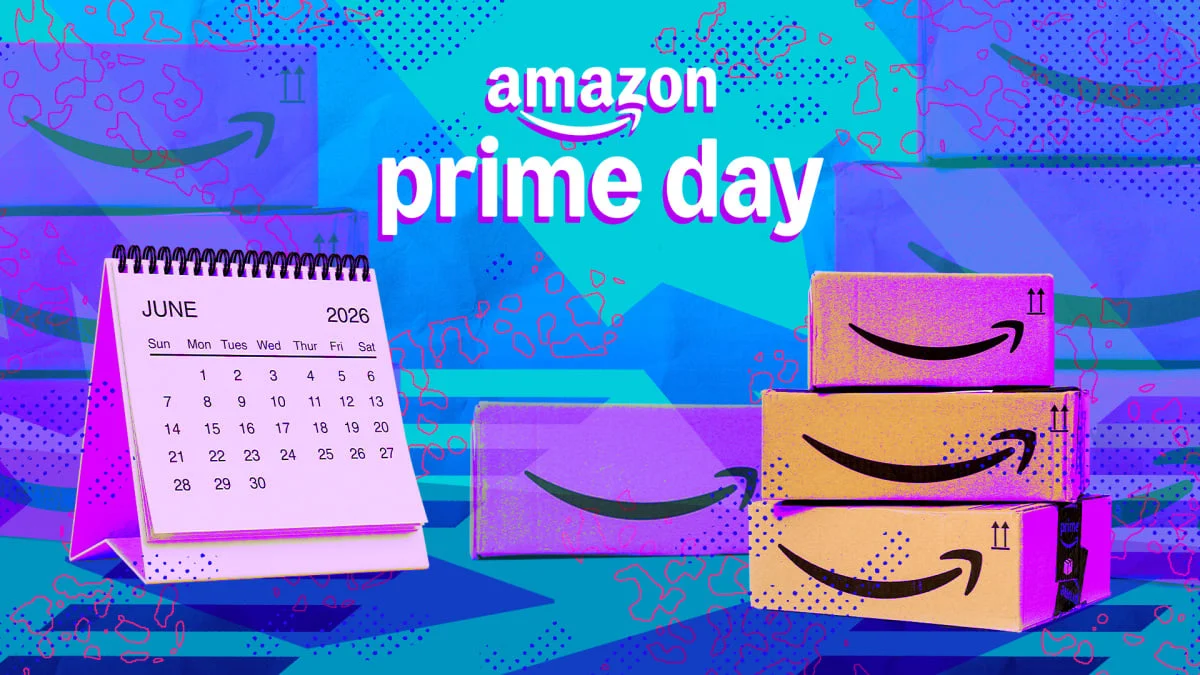
Introduction
In a move that has upended the traditional summer retail calendar, Amazon has officially rescheduled its highly anticipated 2026 Prime Day event. Typically held in mid-July, the e-commerce giant’s flagship members-only shopping event will instead run from June 23 to June 26, 2026. This shift marks only the third time in the event’s eleven-year history that it has deviated from its customary July schedule.
By pulling the four-day discount event forward into late June, Amazon is forcing competitors, supply chains, and consumers to recalibrate their mid-year strategies. While the company has historically guarded the operational secrets behind its scheduling decisions, a closer look at the summer 2026 cultural and sporting calendar—coupled with Amazon’s aggressive push into the grocery and everyday essentials sectors—reveals a highly calculated strategy to capture consumer spending ahead of an exceptionally busy July.
Main Facts: The Catalyst for the Calendar Shift
The decision to schedule Prime Day 2026 for June 23–26 is directly tied to a uniquely congested summer schedule in North America. Rather than competing for consumer attention and discretionary spending during a month dominated by historic national celebrations and global sporting events, Amazon is positioning Prime Day as the ultimate preparatory shopping event.
The 2026 FIFA World Cup
For the first time since 1994, the FIFA World Cup is returning to North America, co-hosted by the United States, Canada, and Mexico. Running from mid-June through July 19, 2026, the tournament is expected to draw unprecedented domestic viewership and international tourism. By hosting Prime Day in late June, Amazon aims to capture demand for home entertainment upgrades, team merchandise, and party hosting supplies before the tournament reaches its high-stakes knockout rounds in July.
The U.S. Semiquincentennial (250th Anniversary)
July 4, 2026, marks the 250th anniversary of the founding of the United States. This historic milestone is expected to spark massive nationwide celebrations, family reunions, block parties, and public events. Amazon’s June dates are strategically positioned to allow consumers to purchase party supplies, outdoor gear, and bulk groceries, with guaranteed delivery well ahead of the holiday weekend.
Positioning as a Pre-Holiday Provisioning Event
Rather than acting as a mid-summer clearance event, Prime Day 2026 is being marketed as a critical window for household provisioning. By moving the date to late June, Amazon is shifting the consumer mindset from "impulse luxury buying" to "practical preparation," encouraging shoppers to stock up on essentials for the high-intensity month of July.
Chronology: The Evolution of the Prime Day Calendar
To understand the significance of the 2026 date change, it is necessary to examine how Amazon has utilized scheduling flexibility as a strategic tool since the event’s inception.
[2015] Inaugural Prime Day (Mid-July)
  │
[2016-2019] Standardized Mid-July Window (Gradual expansion to 48 hours)
  │
[2020] Delayed to October (Pandemic-induced supply chain disruptions)
  │
[2021] Advanced to Late June (Olympic games & summer vacation conflicts)
  │
[2022-2025] Reverted to Traditional Mid-July Schedule
  │
[2026] Advanced to June 23–26 (World Cup & U.S. 250th Anniversary)
2015–2019: Establishing the Mid-July Standard
Amazon launched Prime Day on July 15, 2015, to celebrate its 20th anniversary and boost summer sales, which are traditionally slow for retail. The event proved so successful that it became a permanent fixture, gradually expanding from a 24-hour flash sale to a robust 48-hour event. During this period, mid-July became cemented in the retail industry as the "second Black Friday."
2020: The Pandemic Anomaly
The onset of the COVID-19 pandemic threw global supply chains into chaos. Facing unprecedented demand for essential goods and widespread warehouse labor shortages, Amazon postponed Prime Day 2020 to October 13–14. This shift effectively merged Prime Day with the start of the holiday shopping season, proving that the event could generate massive volume outside of its traditional summer window.
2021: The First June Experiment
In 2021, Amazon moved Prime Day to June 21–22. The company cited potential conflicts with July vacation travel and the rescheduled Tokyo Olympic Games as the primary drivers. The experiment yielded record-breaking sales, confirming that a June date could successfully pull forward third-quarter revenue without cannibalizing late-summer demand.
2022–2025: A Return to Tradition
Following the disruptions of the early 2020s, Amazon reverted to its traditional mid-July schedule for four consecutive years. This period allowed the company to rebuild supply chain predictability and establish a reliable rhythm for its fulfillment network and third-party merchants.
2026: The Strategic Pullback
The decision to schedule the 2026 event for June 23–26 represents a deliberate break from four years of scheduling stability. Unlike the emergency postponement of 2020, this shift is a proactive, offensive maneuver designed to exploit a highly specific macroeconomic and cultural landscape.
Supporting Data: Grocery Expansion and Market Dynamics
Amazon’s scheduling shift is heavily supported by its evolving business model, which has placed an increasing emphasis on groceries and consumables. These high-frequency purchase categories are less susceptible to economic downturns than consumer electronics and apparel.
The Ascent of Amazon Grocery
Amazon has quietly cemented its position as a dominant force in the U.S. grocery sector:
- Market Position: In early 2026, Amazon confirmed it is now the second-largest grocer in the United States by market share, trailing only Walmart.
- Consumables Volume: Everyday essentials and grocery items now represent approximately one out of every three units sold online by Amazon.
- Logistics Infrastructure: Following the nationwide rollout of same-day fresh food delivery in late 2025, Amazon expanded its ultra-fast 30-minute delivery service for groceries and essentials to dozens of major U.S. metropolitan areas in early 2026.
| Metric | Amazon Grocery & Essentials Performance (2026) |
|---|---|
| U.S. Grocer Rank | #2 (Trailing only Walmart) |
| Share of Online Units Sold | 33.3% (1 in 3 items) |
| Delivery Speed Targets | Same-day (standard); 30-minute delivery (expanded metropolitan areas) |
| Prime Visa Reward Rate | 5% cash back on Whole Foods & Amazon Grocery purchases |
Prime Member Incentives
To maximize the impact of the June Prime Day, Amazon is leveraging its Prime subscription benefits to drive grocery adoption. Current perks include free same-day delivery on grocery orders over $25, exclusive rotating discounts at Amazon-owned Whole Foods Market, and a 5% cash-back rate on grocery purchases made with the Prime Visa card.
Additionally, Amazon launched a high-profile "free grocery sweepstakes" in early June 2026, directly designed to funnel non-grocery Prime members into its digital supermarket ecosystem ahead of the June 23 sale.
Official Responses and Corporate Strategy
Amazon executives have framed the scheduling shift as a customer-centric decision designed to optimize convenience during a historic summer.
Executive Commentary
Jamil Ghani, Worldwide Vice President of Amazon Prime, addressed the timing change in an interview with Reuters:
"This year, we have the World Cup. We’ve got also the 250th anniversary of U.S. independence, and so we thought this week [in late June] was the best week for us to hold Prime Day."
An Amazon spokesperson echoed this sentiment in a statement to Mashable, stating that the company "felt holding the event earlier in the summer was the right choice for our customers."
While the spokesperson declined to elaborate on the specific logistics or projected financial benefits of the shift, the messaging clearly aligns with Amazon’s broader strategy of integrating itself into the daily and weekly routines of its members.
Historical Precedent
The strategy of experimenting with Prime Day dates to capture shifting demand is well-documented within Amazon’s corporate history. During a 2021 earnings call, Amazon Chief Financial Officer Brian Olsavsky explained the rationale behind their previous June shift:
"It might be better… for customers, sellers, and vendors to experiment with a different time period. July is a big vacation month, and we wanted to see how the event performed when positioned earlier in the summer."
The 2021 experiment proved highly lucrative. According to Amazon’s Q2 2021 earnings report, Prime members "shopped more and saved more" during that June event than during any previous Prime Day. Furthermore, third-party sellers—who account for over 60% of physical product sales on Amazon—reported record-breaking revenue, bolstered by Amazon’s "Spend $10, Get $10" promotional campaign targeting small businesses.
Implications: The Retail Ripple Effect
Amazon’s decision to move Prime Day to late June has triggered a domino effect across the entire retail industry, forcing major competitors to accelerate their summer promotional schedules and altering supply chain dynamics.
Retail Promotional Calendar (June 22–28, 2026)

June 22 (Mon)  [====== Best Buy Tech Fest ======]
               [====== Walmart Summer Deals =====]

June 23 (Tue)  [==== Target Circle Deal Days ====]
               [======= Amazon Prime Day ========]

June 24 (Wed)  [==== Target Circle Deal Days ====]
               [======= Amazon Prime Day ========]

June 25 (Thu)  [==== Target Circle Deal Days ====]
               [======= Amazon Prime Day ========]

June 26 (Fri)  [==== Target Circle Deal Days ====]
               [======= Amazon Prime Day ========]

June 27 (Sat)  [====== Best Buy Tech Fest ======]
               [====== Walmart Summer Deals =====]

June 28 (Sun)  [====== Best Buy Tech Fest ======]
               [====== Walmart Summer Deals =====]
Competitor Alignment
Major big-box retailers have had no choice but to adjust their calendars to match Amazon’s timeline, resulting in an incredibly dense week of retail discounts starting June 22, 2026:
- Walmart: Hosting its "Summer Deals" event from June 22 to June 28, sandwiching Amazon’s event on both sides to capture early-bird and late-stage shoppers.
- Target: Running its "Circle Week Deal Days" from June 23 to June 26, matching Amazon’s dates exactly in a direct bid for its loyalty member base.
- Best Buy: Organizing its "Tech Fest" sale from June 22 to June 28, focusing heavily on consumer electronics, home theater upgrades, and appliances ahead of the World Cup.
Supply Chain and Logistical Pressures
Moving the event forward by three to four weeks places significant pressure on logistics networks. Third-party merchants had to finalize their inventory shipments to Amazon Fulfillment Centers by early May rather than late June. This accelerated timeline has compressed manufacturing and importing schedules, particularly for goods sourced internationally.
Furthermore, shipping carriers such as UPS, FedEx, and the United States Postal Service (USPS) must prepare for peak-season package volumes in June rather than July. This shift could temporarily strain local delivery networks, particularly in metropolitan areas hosting World Cup matches.
Consumer Spending Patterns
For consumers, the earlier Prime Day schedule effectively divides the summer shopping season into two distinct phases:
- The June Prep Phase: Dominated by high-volume, discount-driven purchasing of essentials, electronics, and hosting supplies.
- The July Experience Phase: Characterized by experiential spending on travel, dining, event tickets, and localized leisure activities during the World Cup and national holidays.
By capturing consumer dollars during the prep phase, Amazon and its major competitors are securing their Q2 revenue targets, leaving traditional brick-and-mortar hospitality and entertainment sectors to vie for consumer wallets throughout July.
 Azzam Bilal Chamdy
  Raul Delapena Setiawan
  Ammar Sabilarrohman