
 By Lina Hope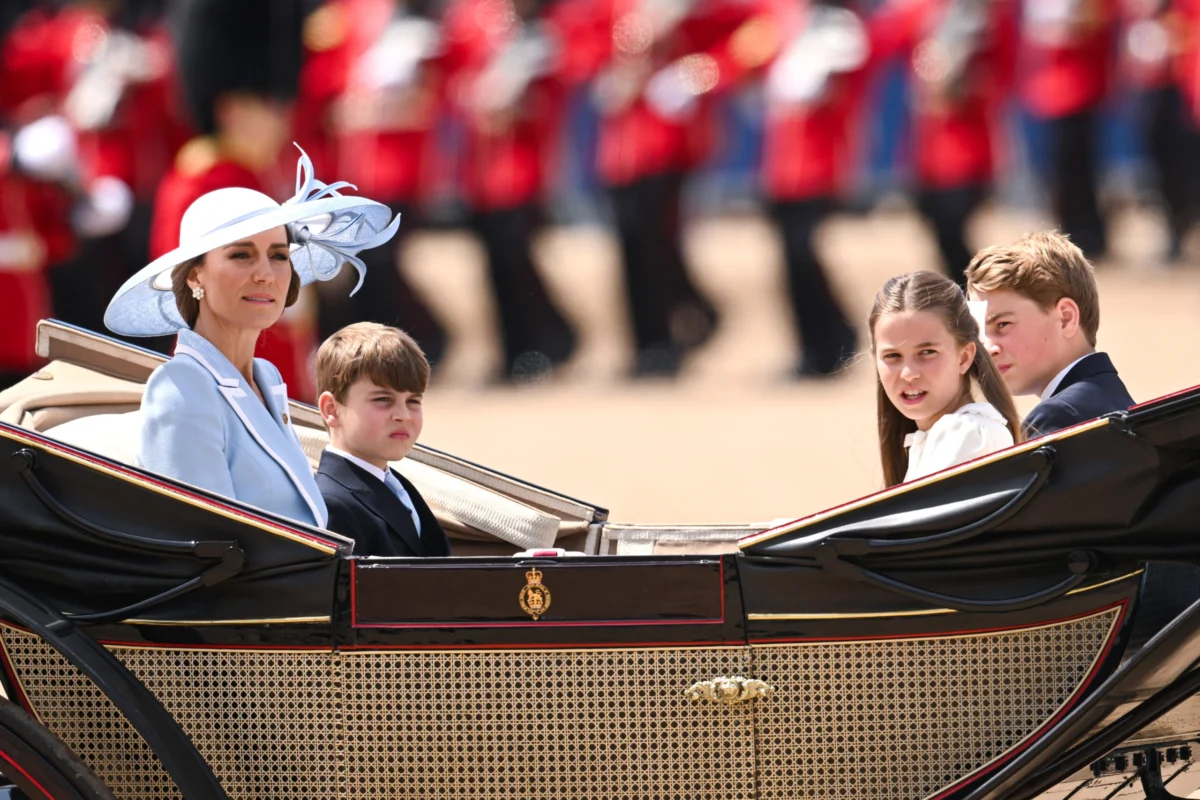
LONDON — In a city that has long been synonymous with unpredictable weather, the 2026 Trooping the Colour ceremony delivered a rare and welcome gift: a day of brilliant sunshine. The annual military spectacle, which serves as the official celebration of the British monarch’s birthday, saw the Mall transformed into a sea of scarlet tunics and vibrant pageantry. For the thousands of spectators who lined the route, the clear skies provided a perfect backdrop for a display of British tradition that felt both timeless and meticulously choreographed.
Main Facts: The Ceremony and the Pageantry
Trooping the Colour is far more than a mere birthday party; it is a profound display of the British Army’s Household Division and the King’s Troop Royal Horse Artillery. Dating back to 1748, the event is steeped in historical significance. This year, the scale of the operation was immense, featuring over 1,400 soldiers and more than 400 musicians from the Massed Bands, whose rhythmic precision set the tempo for the day’s proceedings.
The ceremony begins and ends at Buckingham Palace, with the procession marching down the iconic Mall. It is a day where military precision meets royal protocol, serving as a reminder of the deep-seated connection between the British monarchy and the armed forces.
The Royal Ensemble: A Study in Fashion and History
As is customary, the eyes of the fashion world were fixed on the royal women, whose sartorial choices often bridge the gap between contemporary elegance and historical tribute.
The Princess of Wales: A Nod to Legacy
The Princess of Wales continued her affinity for Catherine Walker, one of the late Princess Diana’s most trusted couturiers. For the second consecutive year, the Princess chose the house, opting for a light blue tailored coat dress. The ensemble was a masterclass in understated refinement, featuring crisp white piping along the lapel that provided a sharp, geometric contrast to the soft hue of the garment.
Her choice of millinery—a matching Philip Treacy hat—added an architectural flair that has become a signature of her public appearances. However, it was her accessories that told the most poignant stories. The Princess wore pearl earrings by Cassandra Goad, paired with a significant Irish Guards brooch. As the honorary Colonel of the Irish Guards, the brooch serves as a public acknowledgment of her military patronage, grounding her ensemble in her specific duties to the regiment.

Queen Camilla: Military Heritage and Historic Jewelry
Queen Camilla, who traveled in an Ascot Landau carriage alongside King Charles III, presented a striking figure in a red Grenadier Guards dress. The color was a deliberate choice, echoing the deep scarlet of the uniforms worn by the soldiers surrounding her. She topped the look with a black beret accented by a distinctive white horsehair plume.
Perhaps the most significant element of her ensemble was her brooch. The piece was originally gifted to the young Princess Elizabeth in 1942, marking the moment she assumed the title of Colonel of the Grenadier Guards. By wearing this specific heirloom, Queen Camilla—who now holds the title of acting Colonel of the Grenadier Guards—linked her current role directly to the legacy of the late Queen Elizabeth II, a gesture of continuity that resonated deeply with royal observers.
Prince William and the Welsh Guards
Prince William, riding on horseback, commanded attention in the full ceremonial uniform of the Welsh Guards. The ensemble, complete with the towering black bearskin hat, is one of the most recognizable symbols of the British monarchy. As the honorary Colonel of the Welsh Guards, his presence in the saddle beside his aunt, Princess Anne, underscored the active participation of the younger generation of royals in the military life of the nation.
Chronology: A Day in the Life of the Household Division
The day’s events followed a rigorous, centuries-old schedule that demands absolute discipline from all involved:
- 09:00 AM: The Massed Bands begin the assembly at the Horse Guards Parade, their instruments gleaming in the morning sun.
- 10:30 AM: The Royal Procession departs from Buckingham Palace. The rhythmic clip-clop of the horses and the precise movements of the guards create an atmosphere of intense anticipation along the Mall.
- 11:00 AM: The Trooping of the Colour commences. The "Colour"—the regimental flag—is carried through the ranks, ensuring that every soldier is familiar with it in the heat of battle.
- 12:30 PM: The procession returns to the Palace, where the royal family gathers for the balcony appearance.
- 01:00 PM: The Royal Air Force flypast concludes the day, painting the London sky with the red, white, and blue of the Union Jack.
Supporting Data: The Logistics of Majesty
The sheer scale of Trooping the Colour remains a marvel of logistics. Beyond the 1,400 soldiers and 400 musicians, the event requires hundreds of support staff, from horse grooms and saddlers to military police and security detail.
The Household Division consists of the Foot Guards and the Household Cavalry. The horses used in the ceremony are trained for years to remain calm amidst the roar of the crowd and the sudden blasts of military brass. The event is not merely for show; it is an annual inspection of the troops, ensuring they remain in peak physical and ceremonial condition.

Official Responses and Public Sentiment
The palace has maintained a relatively quiet profile regarding the personal styling of the royals, allowing the visuals to speak for themselves. However, the choice of attire—particularly the historical brooches—has been widely praised by fashion historians and royal commentators alike.
"The deliberate choice to wear items with direct links to the late Queen and Princess Diana is a sophisticated communication strategy," noted one royal analyst. "It shows that while the monarchy is moving into a new era, it remains firmly rooted in the traditions and the women who helped define the institution in the 20th century."
Public sentiment, bolstered by the unusually fine weather, was exceptionally high. The crowds, which had endured years of drizzle or grey skies during previous ceremonies, seemed buoyed by the sunshine, creating a jubilant atmosphere that echoed through the streets of Westminster.
Implications: A Monarchy in Transition
Trooping the Colour in 2026 feels like a symbolic milestone. It is a moment where the "new" monarchy—led by King Charles III and Queen Camilla, with the Prince and Princess of Wales playing increasingly prominent roles—solidifies its identity.
The event serves several strategic purposes:
- Continuity: By maintaining strict adherence to traditions dating back to 1748, the monarchy reaffirms its status as an unchanging pillar of British society.
- Military Connection: In an era where the role of the monarchy is frequently debated, the active participation of the royals in military life serves as a potent reminder of their duty to the state.
- Soft Power: The visual spectacle of the day acts as a powerful diplomatic and cultural tool, reinforcing London’s position as a global capital of pageantry and heritage.
As the King and his family stood on the balcony of Buckingham Palace to watch the Royal Air Force flypast, the scene was one of unity. The 2026 Trooping the Colour proved that while the faces on the balcony may change, the heart of the ceremony remains a deeply choreographed dance between the past and the present. It was, by all accounts, a day that lived up to the storied history of the event, offering a rare, bright chapter in the ongoing story of the British royal family.
 Nana Wu
  Iffa Jayyana
  Suro Senen