
 By Nana Muazin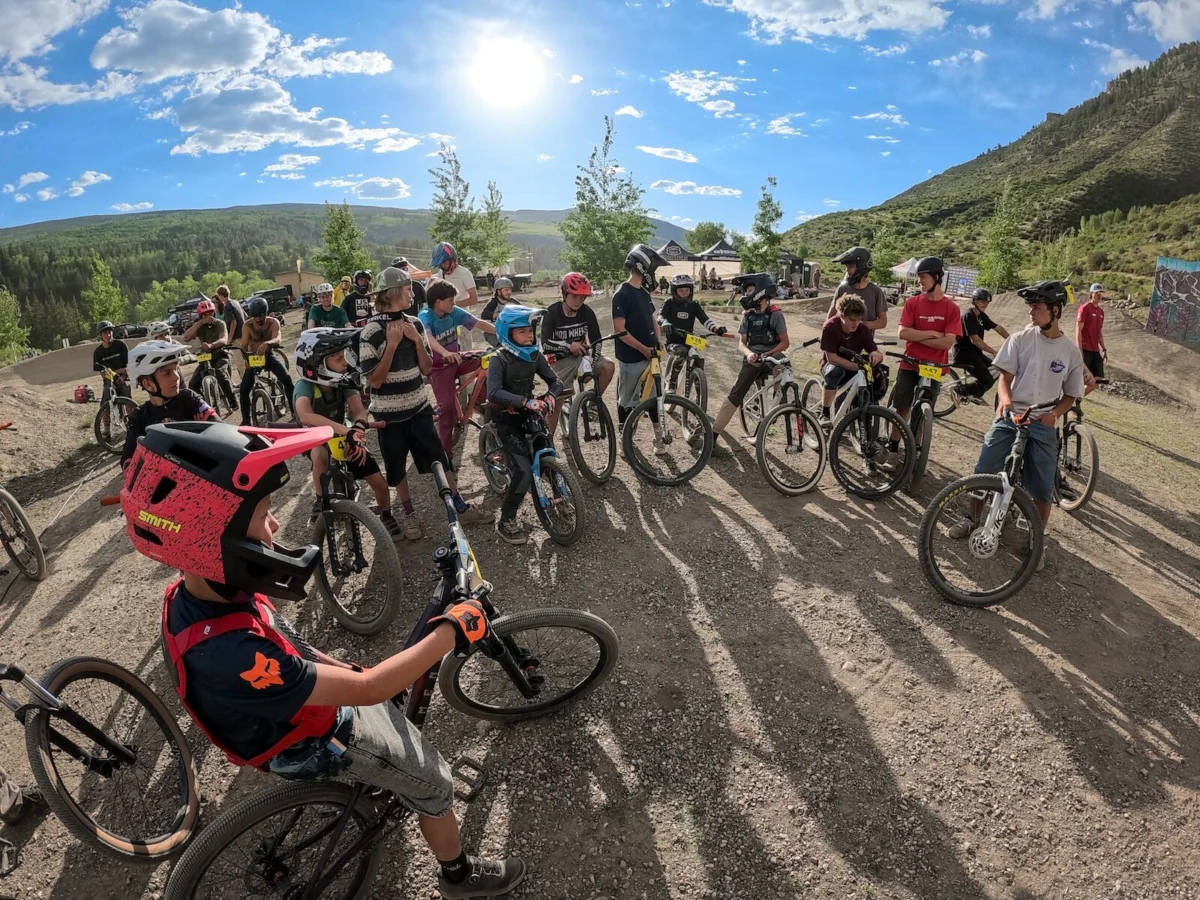
Every June, the serene alpine landscape of Vail, Colorado, undergoes a kinetic transformation. What began in 2002 as a niche Memorial Day whitewater kayak race has burgeoned into the GoPro Mountain Games, a sprawling, four-day spectacle that now draws nearly 100,000 spectators and athletes. While the event is renowned for its elite-level mountain biking, trail running, climbing, and canine competitions, the true story of the Games in 2026 lies not just in who crosses the finish line first, but in how the event itself manages to exist in harmony with the fragile mountain ecosystem it inhabits.
The Evolution of an Alpine Institution
The chronology of the GoPro Mountain Games is a testament to the growth of outdoor adventure culture in the American West. Originally conceived as a localized challenge for kayakers, the Vail Valley Foundation—the non-profit organization behind the event—quickly recognized that the appetite for mountain sports extended far beyond the river.
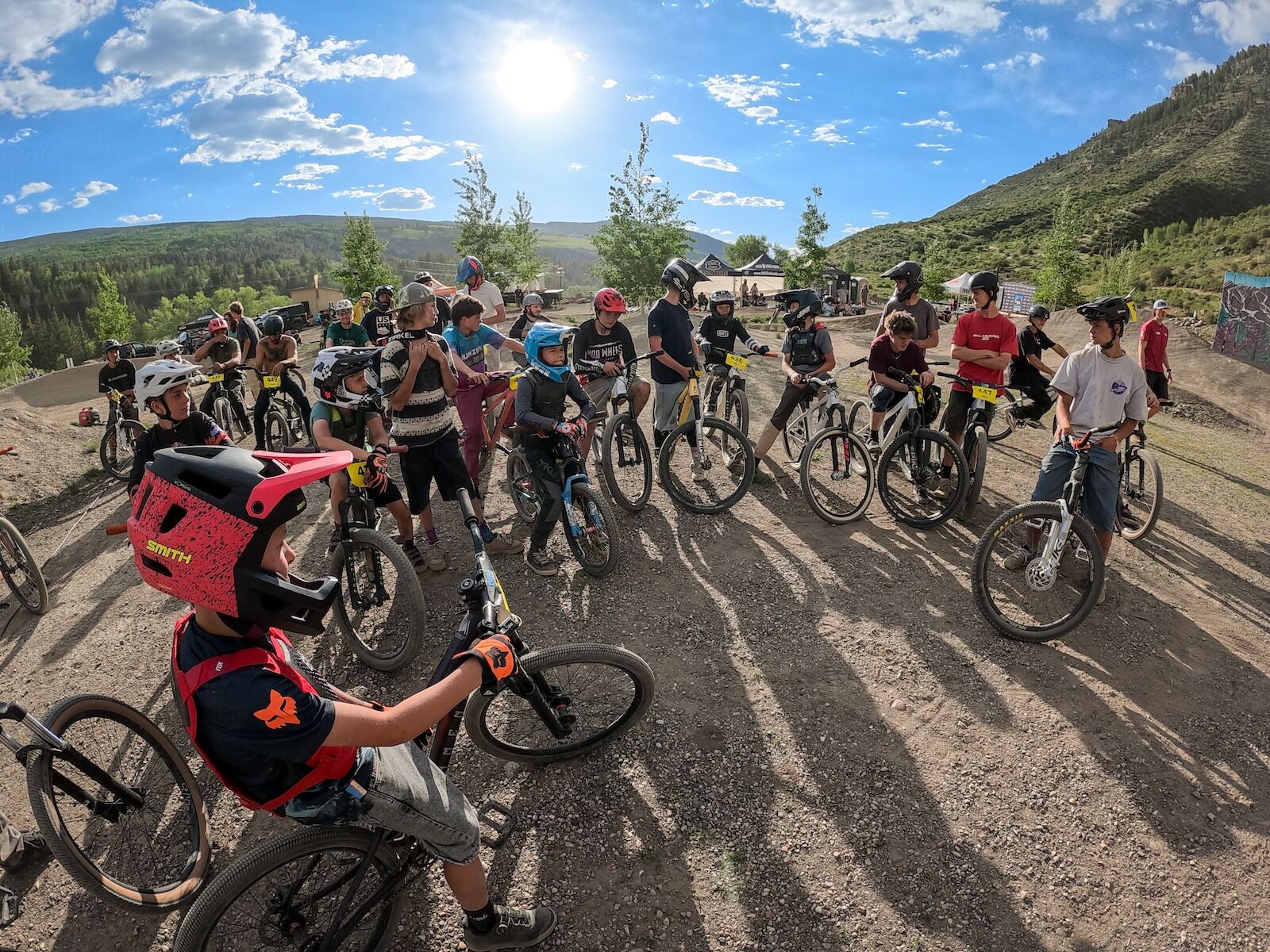
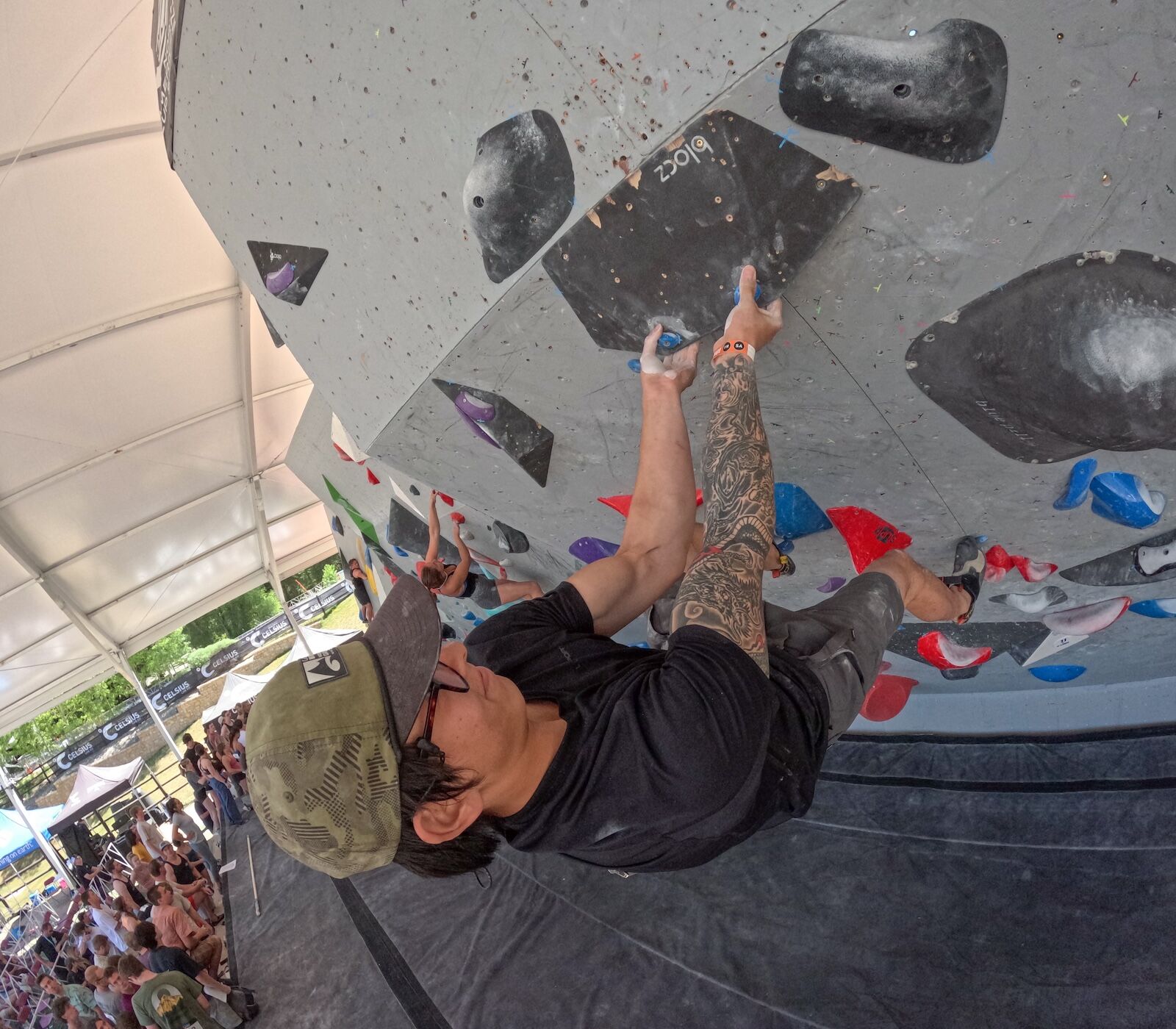
Over the past two decades, the programming has expanded incrementally. By integrating mountain biking, rock climbing, slacklining, disc golf, and even yoga, the organizers successfully transitioned from a specialized tournament into a multi-generational festival. Today, the base of the Vail ski resort serves as a buzzing hub where professional athletes, casual weekend warriors, and families converge.
For the modern attendee, the Games have become a "choose-your-own-adventure" experience. One can spend the morning watching world-class climbers ascend artificial walls, the afternoon cheering on pups in the "Short Dog Race," and the evening listening to live music at the Gerald R. Ford Amphitheater. This evolution has maintained a core spirit of accessibility that is rare for events of this magnitude, effectively blurring the lines between elite competition and community recreation.
A Case Study in Radical Sustainability
Hosting 100,000 people in a high-altitude mountain town creates immense logistical and environmental pressure. Historically, large-scale festivals have been notorious for high waste production, carbon-heavy travel, and the degradation of local flora and fauna. However, the GoPro Mountain Games has buckled the trend, setting a new, rigorous standard for the outdoor industry.
The cornerstone of this shift is the "Protect Our Playgrounds" initiative, launched in 2022. This isn’t merely a branding exercise; it is a data-driven operational strategy. In 2024, the Games achieved an astounding 91% waste diversion rate—a figure that places the event in the upper echelon of global sustainable festivals.
The Mechanics of "Precycling" and Diversion
The success of this initiative rests on two pillars: manual intervention and "precycling."
The Vail Valley Foundation has partnered with the Walking Mountains Science Center, whose staff meticulously hand-sort every single bag of trash generated by the event. This human-centric approach ensures that contaminants are removed from recycling and compost streams before they reach the landfill, maximizing the purity of the waste diverted.
Even more innovative is the concept of "precycling." As Peggy Wolfe, Senior Director of Operations for the Vail Valley Foundation, explains, the goal is to eliminate waste before it ever enters the village. By collaborating with corporate partners, the Games have forced a change in supply chain logistics. For example, food provider Nature Valley has adjusted its distribution model for the event: they no longer ship products with bulky cardboard or paperboard secondary packaging. Instead, they provide 75,000 individually wrapped bars, resulting in a net-zero packaging waste footprint for that specific product category. Across the board, all vendor samples must be compostable, and single-serve plastics have been entirely purged from bars and food trucks.
The Science of Stewardship: Official Perspectives
The operational rigor of the Games is not just about aesthetics; it is about mitigating the tangible impacts of human presence on the mountain. Harry Jasper, who manages the Foundation’s "Aventon Green Team," emphasizes the long-term ecological benefits of these practices.
"Keeping organic materials out of our landfills reduces the production of methane gas," Jasper explains. "Furthermore, the compost we produce is recycled and reused locally within the valley. By keeping the loop short, we drastically minimize the transportation footprint of the waste management process itself."
This commitment extends to the protection of Gore Creek, the lifeblood of the valley that runs through the heart of the competition venues. Early iterations of the "Protect Our Playgrounds" program focused heavily on the creek’s ecosystem, educating attendees on the dangers of invasive species and mandating the use of reef-friendly sunscreen to prevent chemical runoff into the waterway.
Wolfe is quick to point out that while the 91% diversion rate is a milestone, the work is never finished. "The most important thing is that we just keep moving in the right direction," she notes. "Sustainability is embedded in every aspect of our planning. There isn’t a single logistical decision—from vendor contracts to site layout—that doesn’t have sustainability as a core consideration."
Community Impact and Inclusivity
Beyond the environmental metrics, the Games offer a unique social experiment in inclusivity. The "gatekeeping" often associated with extreme sports is conspicuously absent here.
The event’s appeal is broad: a solo parent with a young child feels just as welcome as a sponsored professional athlete. This inclusive atmosphere is reinforced by the accessibility of the competitions. As one attendee, a trail runner who travels to Vail annually, put it, "Most of the people out here are just folks willing to pay the $75 entry fee. It’s not about winning a medal; it’s about staying connected to the scene and being part of the energy."
The community impact also manifests in tangible acts of philanthropy. This year, the event facilitated the adoption of 30 shelter dogs, integrating local animal welfare into the festival’s fabric. By fostering this sense of connection, the Games ensure that the local community remains a stakeholder in the event’s success, rather than viewing it as a seasonal disruption.
Strategic Planning: Attending the Games
For those interested in experiencing the GoPro Mountain Games firsthand, strategic planning is essential to maintaining the event’s ethos of sustainability.
Logistics and Transportation
The Games span four days in June, and admission is free. Given the popularity of the event, lodging in Vail Village can be both expensive and limited. Savvy travelers often look to nearby towns like Avon, which are connected to Vail by the free local bus transit system.
Reducing the carbon footprint of your travel is a central part of the experience. The Colorado "Bustang" service provides an efficient, low-impact link between Denver, Grand Junction, and the Vail Transportation Center, effectively removing the need for personal vehicle travel and the headache of mountain town parking.
Tips for the Eco-Conscious Attendee
- BYO-Bottle: The event provides numerous hydration stations. Carrying a reusable water bottle is not just encouraged; it is a prerequisite for participating in the community culture.
- Utilize "Zero Hero" Stations: If you are unsure how to sort your waste, look for the "Zero Hero" tents. Volunteers from the Aventon Green Team are stationed throughout the village to help navigate the sorting process, ensuring your waste ends up in the correct stream.
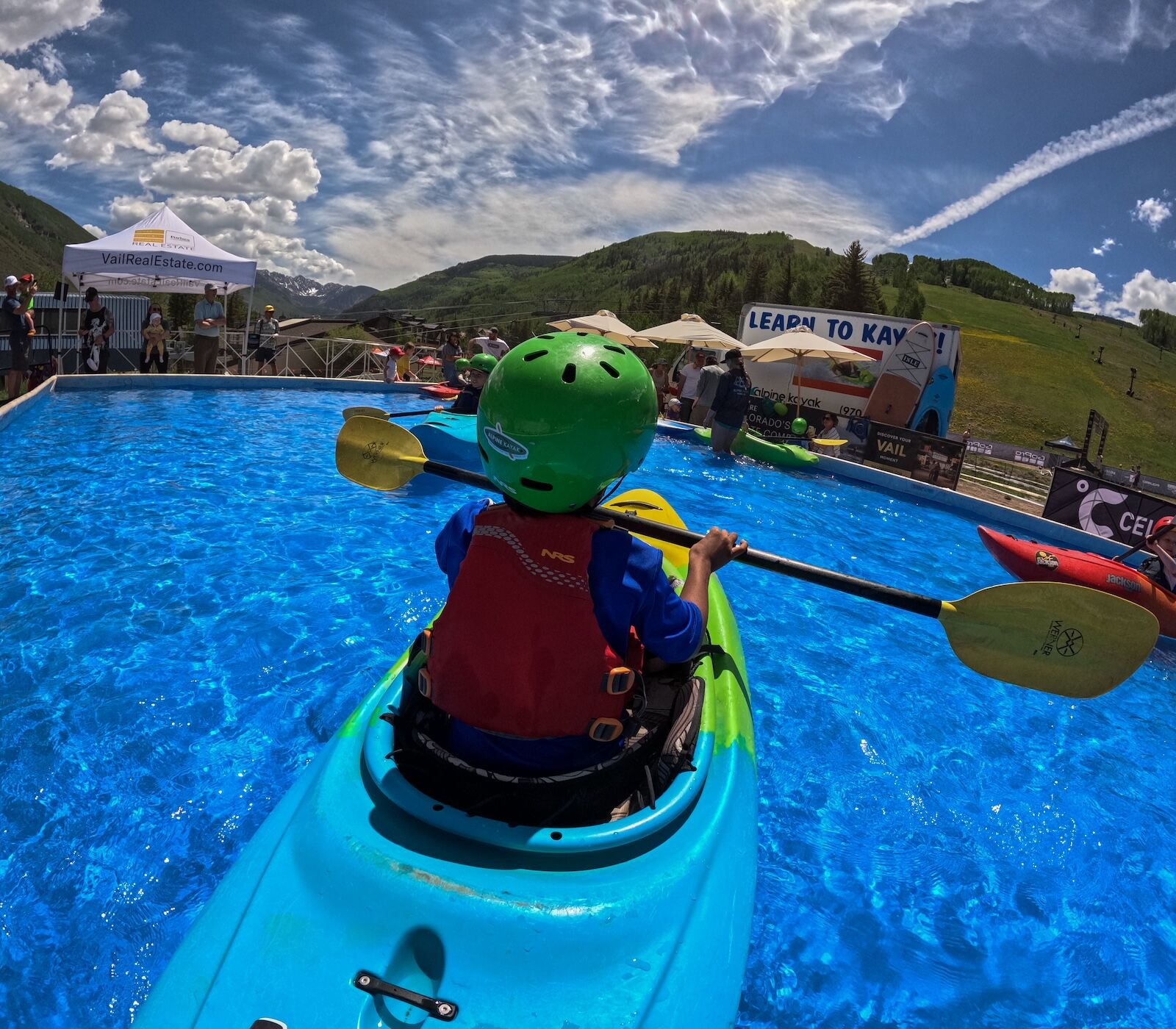
- Engage with the Programming: The event is designed to be immersive. From the nighttime drone light shows to the children’s kayak and SUP pool at Golden Peak, there is an emphasis on education. Use the opportunity to learn about local conservation efforts rather than just passing through.
The Future of Mountain Festivals
The GoPro Mountain Games has effectively redefined what a modern mountain festival looks like. By moving away from the "event as a monolith" model and toward a "stewardship-first" approach, the organizers have proven that large-scale, high-attendance events do not have to come at the expense of the environment.
The implications for the broader industry are clear: the bar has been raised. When a festival can manage 100,000 visitors while simultaneously restoring riverbanks and diverting nearly all its waste from landfills, the "logistical challenge" argument used by other events begins to lose its validity.
As the GoPro Mountain Games continues to grow, its success will likely serve as the blueprint for future outdoor gatherings. It proves that with the right combination of corporate partnership, volunteer labor, and a refusal to settle for "good enough," the most spectacular mountain events can also be the most responsible. For those seeking a blend of high-octane competition and conscious travel, the Games are no longer just a destination—they are a mandate for the future of the outdoor industry.
 Laily UPN
  Muslim
  Reynand Wu