
 By Dwi Wanna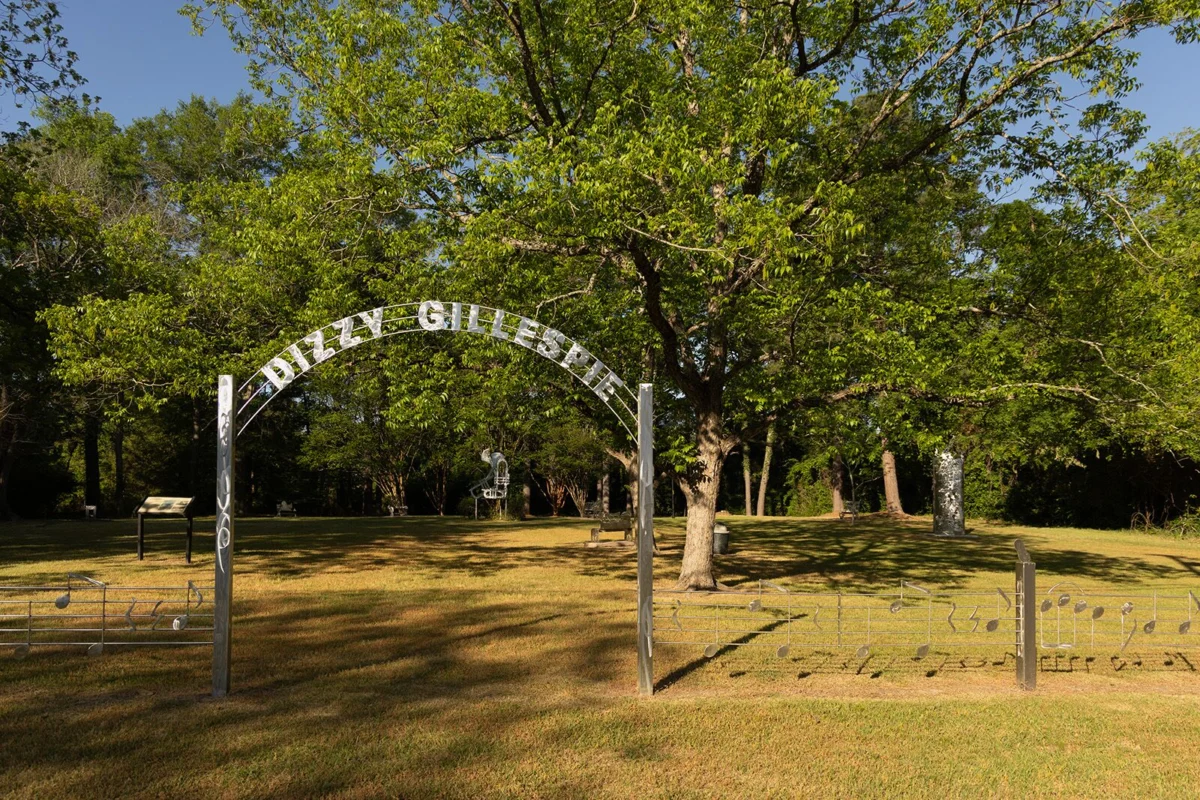
While the siren song of South Carolina’s Atlantic coastline—with its manicured resorts and bustling boardwalks—often draws the majority of the Palmetto State’s tourism, a different, more profound narrative unfolds just an hour inland. The Olde English District, a sprawling patchwork of seven counties, offers what Micah Jane Decker, executive director of the Olde English District Tourism Commission, describes as “the true, unfiltered heart of South Carolina.”
“The Olde English District is our best-kept secret because it offers an authenticity you can’t manufacture,” Decker says. For the traveler weary of tourist traps and artificial attractions, this region serves as a sanctuary of historical gravity, raw natural beauty, and a quiet, persistent spirit that has defined the American South for centuries.
The Fabric of History: An Overview
Spanning across the northern midlands of the state, the Olde English District is an intersection of critical American timelines. It is a region where the scars of the Revolutionary War are still visible in the landscape, where the fierce courage of the Civil Rights Movement changed the national trajectory, and where the rhythmic pace of rural life remains largely undisturbed by modern frenetics.
This four-day journey through the district is not merely a vacation; it is a deep dive into the foundational layers of the American experience. From the lunch counters of Rock Hill to the battlefields of Camden, the region invites visitors to witness the evolution of a nation through the lens of those who lived it.
Chronology of Discovery: A Four-Day Itinerary
Day 1: The Pulse of Rock Hill
The journey begins just 30 minutes south of Charlotte Douglas International Airport in Rock Hill, the seat of York County. Once a textile hub, Rock Hill has successfully reinvented itself as a center for culture and heritage.
Known colloquially as “Football City USA” for its disproportionate output of elite athletic talent, the city’s contemporary identity is anchored by the presence of Winthrop University. However, the soul of the city is found in its history. In 1961, the "Friendship Nine"—a group of students from Friendship Junior College—staged a pivotal sit-in at a local McCrory’s Five & Dime. Their “Jail, No Bail” strategy, which saw them accept imprisonment over paying fines for trespassing, became a landmark of the Civil Rights movement.
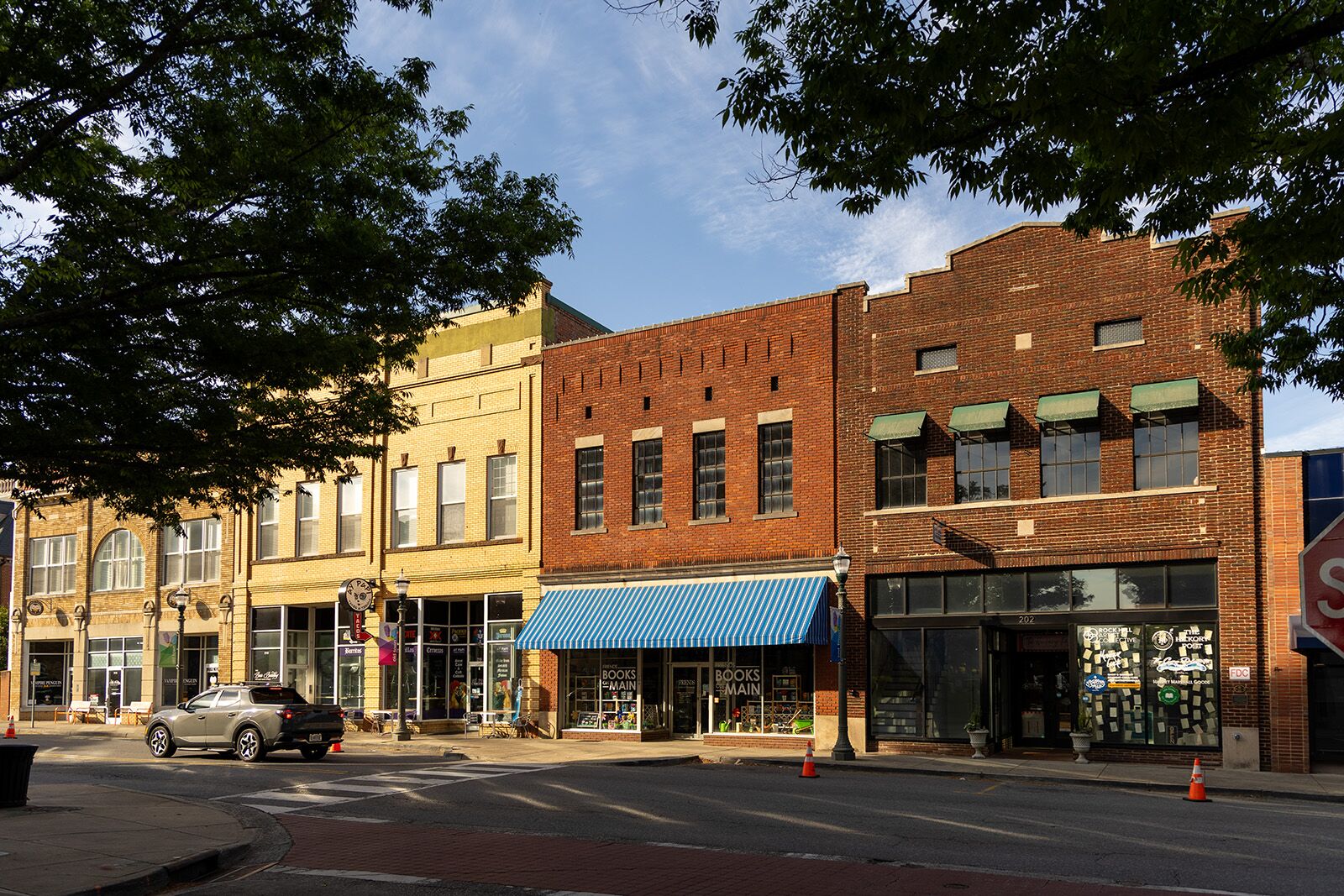
Today, that same lunch counter lives on as Kounter, a restaurant that serves as both a culinary destination and a living memorial. Visitors can dine at the very counter where history was made, a poignant reminder of the sacrifice required to break the color barrier. The downtown area has undergone a vibrant revitalization, with the Freedom Walkway offering a mosaic-lined path through the city’s struggle and triumph.
Day 2: The Revolutionary Backcountry of Brattonsville
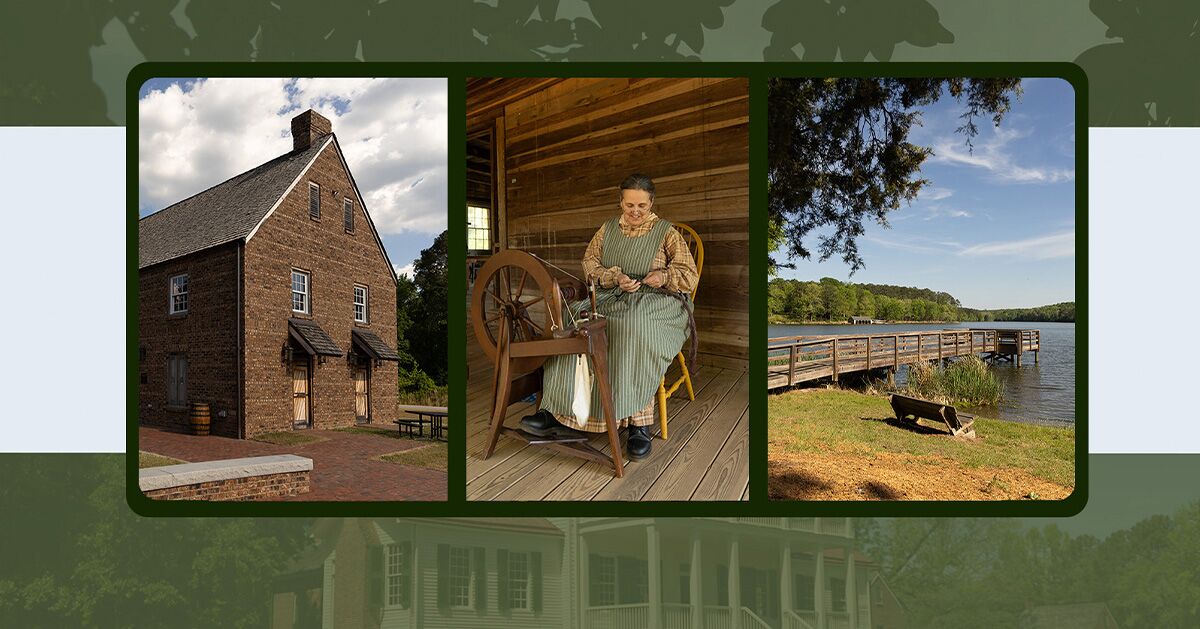
Moving further into the interior, the traveler encounters Historic Brattonsville. If the American Revolution was won in the backcountry, it was forged in places like this. The site commemorates the Battle of Huck’s Defeat in 1780, a decisive Patriot victory that turned the tide of local sentiment.
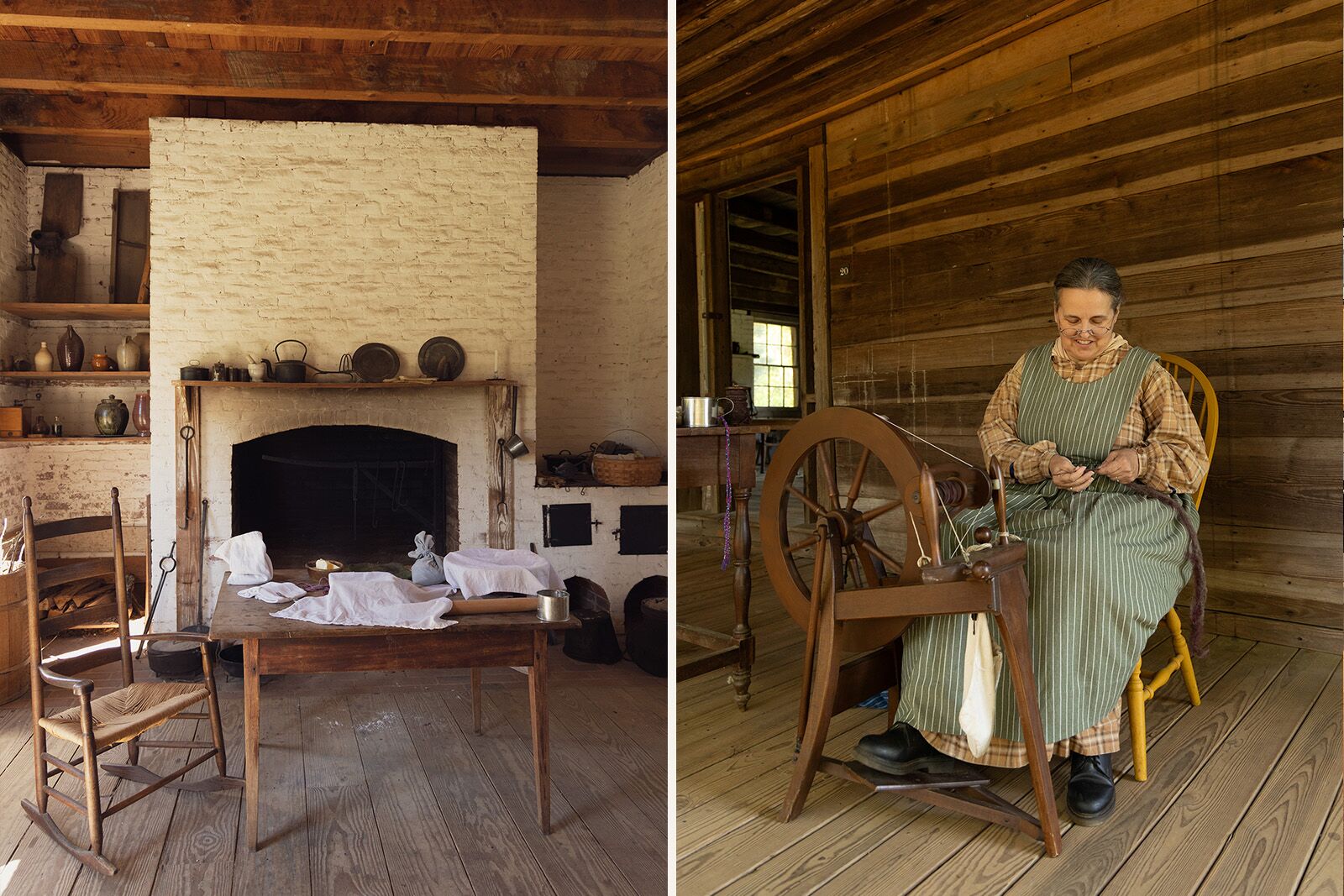
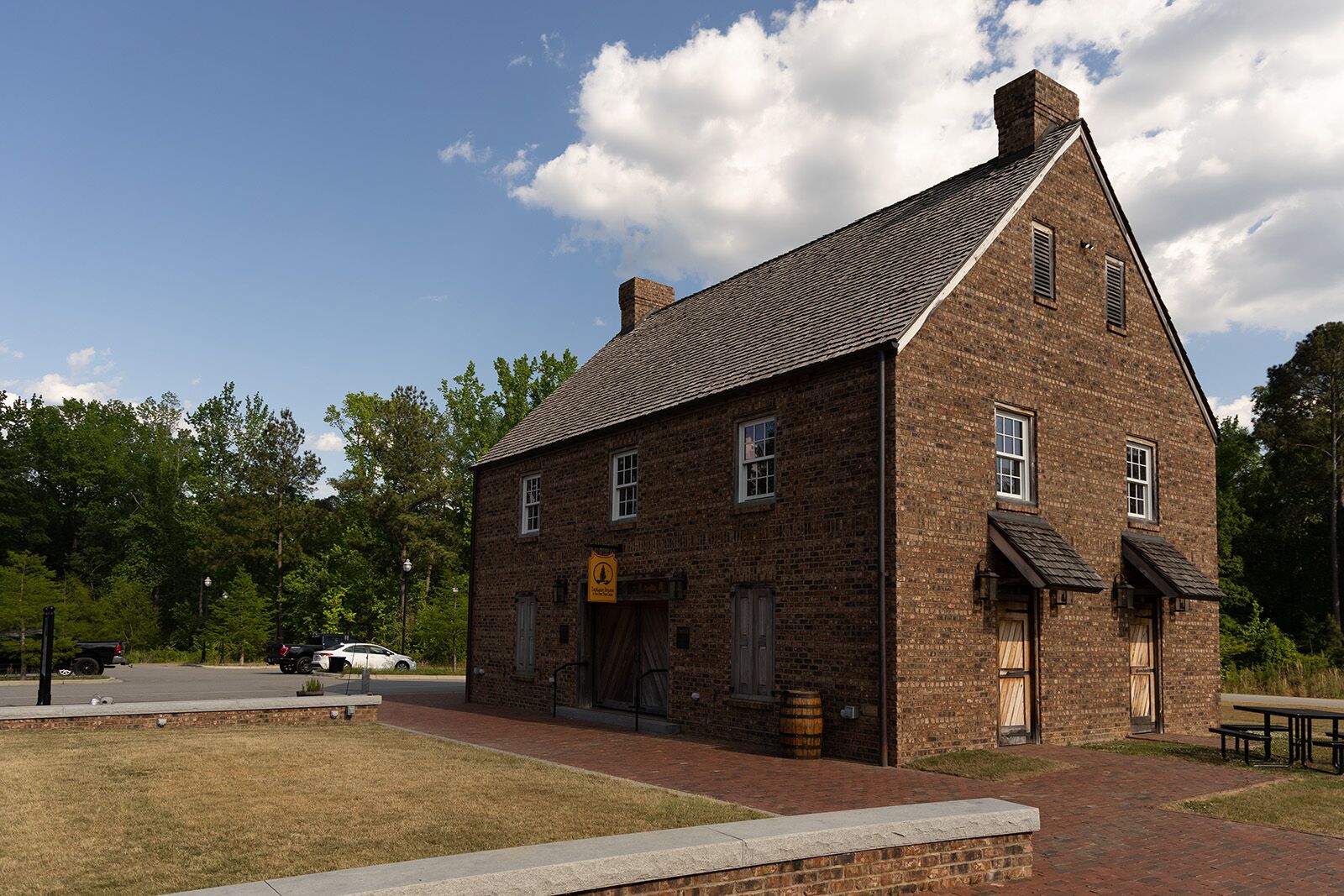
Spanning 800 acres, the site features more than 30 structures dating from the 1760s to the 1870s. While it is a popular filming location for historical dramas like The Patriot, its true value lies in the lived experience of the past. Costumed interpreters, such as William Shelton, bridge the gap between centuries.

“It’s the story of trying to find places where you can be free,” Shelton explains, emphasizing that the plantation represents the dual narrative of the American struggle: the fight against colonial rule and the fight for the liberation of the enslaved people who sustained the agrarian economy. The site’s interpretive trails provide an unflinching look at both the domestic life of the Bratton family and the resilience of those they enslaved.
Day 3: Natural Respite and Railroads
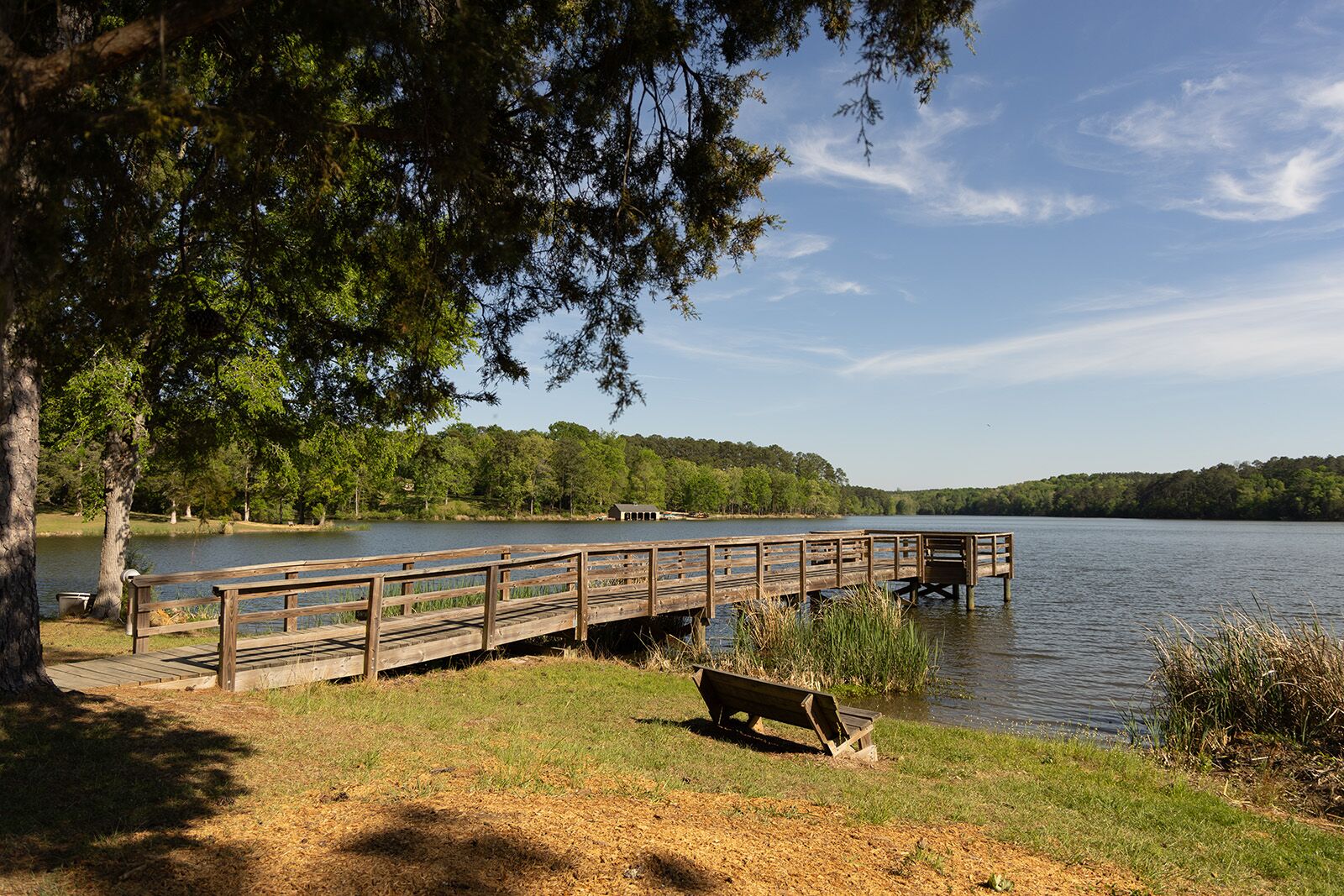
After the weight of history, the district offers the serenity of Chester State Park. Developed in the 1930s by the Civilian Conservation Corps, this 160-acre lake-centered retreat feels like a local secret. The silence of the woods, broken only by the dip of a paddle, provides the necessary space to process the previous days’ lessons.
Continuing toward Winnsboro, the South Carolina Railroad Museum offers a shift in focus toward the industrial expansion that defined the 19th and 20th centuries. The collection of steam locomotives, freight cars, and cabooses illustrates the evolution of transport that connected the isolated interior to the wider world.
Day 4: Camden and the Legacy of Cheraw
Camden, established in 1732 as a colonial trading hub, is the state’s oldest inland city. It serves as a stark reminder of the complexity of the Revolutionary War; the 1780 Battle of Camden resulted in a crushing American defeat, reinforcing the British grip on the South. The Revolutionary War Visitor Center and the Historic Camden Revolutionary War Site allow visitors to visualize these maneuvers through three-dimensional models and expansive outdoor living history exhibits.
The journey concludes in Cheraw, the hometown of jazz icon Dizzy Gillespie. The contrast between the rigid, military history of the region and the fluid, improvisational genius of Gillespie’s legacy is profound. Before heading back to Charlotte, a final stop at the 2,100-acre Anne Springs Close Greenway in Fort Mill provides a final moment of reflection, mirroring the district’s overall character: expansive, quiet, and deeply authentic.
Supporting Data and Tourism Infrastructure
The Olde English District relies heavily on its unique position as a "drive-to" destination. Unlike the coastal hubs, the district lacks centralized public transit, necessitating a rental car for the full experience. This, however, is a deliberate feature of the travel experience. The two-lane roads cutting through pine forests and farmland are essential to the slow-travel ethos the region promotes.
- Lodging: Accommodations reflect the region’s charm. The East Main Guest House in Rock Hill provides a personalized, bed-and-breakfast experience that stands in stark contrast to the corporate hotels of larger cities. For those moving toward the central district, the Laurel Haven Estate Vineyard and Winery offers a sophisticated retreat.
- Dining: Local establishments, such as Amélie’s French Bakery & Café and Vinny’s Taste of Italy, highlight the culinary diversity currently taking root in the region’s revitalized downtown corridors.
Official Perspectives: The Value of "Unfiltered" Tourism
The tourism strategy for the Olde English District is intentionally conservative regarding development. By avoiding the mass-market tourism models seen on the coast, the region maintains a high degree of cultural integrity.
“We aren’t trying to compete with the resorts,” says a spokesperson for the local commission. “We are competing for the traveler who wants to understand the foundational narrative of the United States. When you walk the streets of Camden or sit at the counter at Kounter, you aren’t being sold a version of history; you are touching the real thing.”
Implications: The Future of Heritage Tourism
The success of the Olde English District serves as a model for rural revitalization. By leveraging under-utilized historical assets—such as the Friendship Nine site or the Revolutionary battlefields—small towns have created sustainable economic engines.
The implication for the modern traveler is clear: the most rewarding experiences are no longer found in the crowded, high-cost hubs of the coast. Instead, they are found in the quiet, historic corridors of the interior, where the past is not behind glass, but woven into the landscape itself. For those willing to trade the resort pool for a walk through a 1780 battlefield or a conversation with a local historian, the Olde English District offers a profound, necessary, and enduring connection to the American story.
 Laily UPN
  Muslim
  Reynand Wu