
 By Iffa Jayyana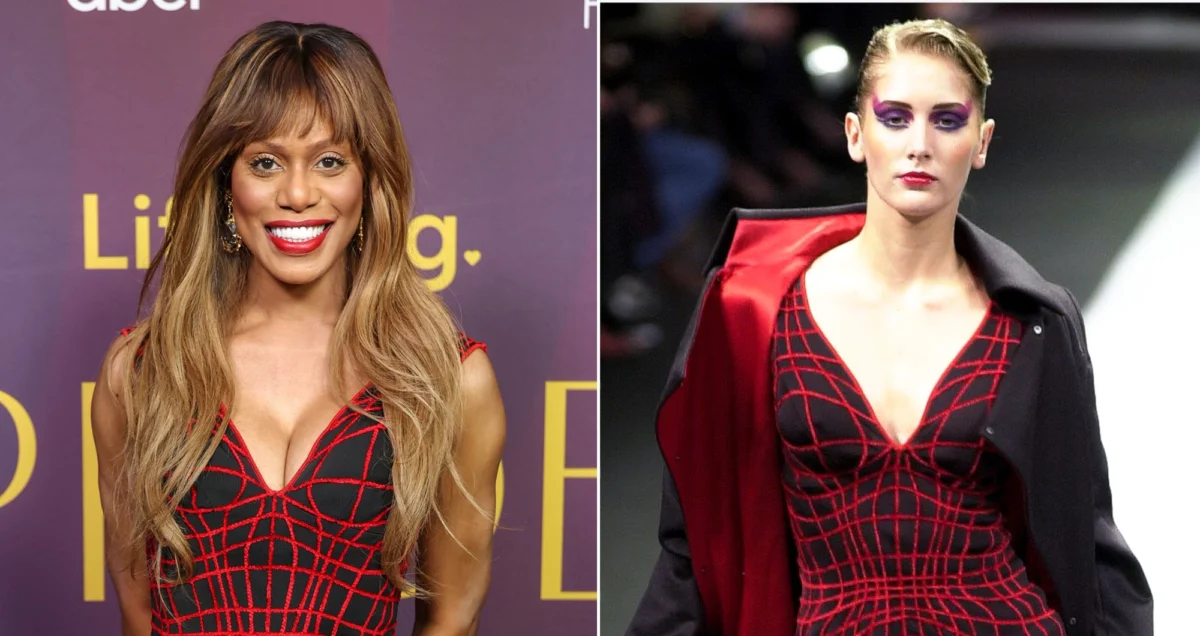
In a striking convergence of high-fashion preservation and social advocacy, Laverne Cox commanded the spotlight at the Lifelong Pride Gala in Seattle this past Saturday. While the event was dedicated to celebrating LGBTQ+ representation and raising critical funds for the Lifelong and Seattle Pride organizations, the evening also served as a profound reminder of Cox’s status as a premier curator of fashion history. Dressed in a rare, floor-length archival piece from Thierry Mugler’s fall 2001 collection—the iconic "Spider dress"—Cox did more than simply wear a garment; she activated a piece of sartorial history that bridges the gap between mid-century avant-garde design and contemporary celebrity influence.
The "Spider Dress": Anatomy of an Archival Masterpiece
Colloquially known as the "Tron dress" among collectors and fashion historians, the garment worn by Cox is a masterclass in Mugler’s signature anatomical precision. The sleeveless, floor-length silhouette features a deep, plunging V-neckline that draws the eye, but the true brilliance lies in the graphic execution of the textile.
A red-and-black grid—reminiscent of a spider’s web or a digital circuit board—is meticulously laid over the black base. The design creates a dynamic optical illusion; the lines tighten significantly at the waist to emphasize the frame, then expand around the hips before cascading into vertical bands that elongate the skirt. This interplay between the organic nature of the "web" and the rigid, computer-like geometry of the red piping captures the essence of Mugler’s vision: a woman as a powerful, engineered force.
Cox paired the archival statement piece with a monochromatic approach, opting for pointed-toe black boots that featured a hybrid texture—matte panels at the toe contrasted against a glossy, reflective finish along the shaft. To complete the look, she channeled a classic, elevated glamour, sporting long, honey-blond waves with perfectly styled bangs and a bold, saturated red lip that echoed the crimson hues of the dress.

Chronology of a Fashion Archive
The "Spider dress" made its debut in March 2001 as part of Mugler’s fall 2001 "Les Fauves" collection. This show holds particular weight in the annals of fashion history, as it marked Manfred Thierry Mugler’s final ready-to-wear runway presentation before he transitioned his focus toward his fragrance empire and later, his return to couture.
While the runway version featured a midi-length hemline often styled beneath a sharp, red-lined black coat, Cox’s version extended to the floor, demonstrating the variability of Mugler’s house creations. The significance of this piece is corroborated by institutional recognition; The Metropolitan Museum of Art’s Costume Institute currently preserves a long-sleeved iteration of the same design, showcasing its construction from specialized synthetic materials and metal hardware.
For Cox, however, this is far from a one-off rental. The actress has spent years cultivating what is widely considered one of the most significant private collections of vintage Mugler in existence, reportedly numbering over 500 individual pieces.
A Timeline of Recent Archival Revivals
Cox’s commitment to the Mugler archive has become a hallmark of her red-carpet appearances, turning each event into a lecture on fashion heritage:

- February 2024: At the People’s Choice Awards, she wore a wing-tipped black velvet bustier dating back to 1988, showcasing the house’s mastery of sculptural tailoring.
- March 2025: At the NAACP Image Awards, she opted for a nude-illusion gown paired with a vintage centerpiece collar, emphasizing the house’s ability to manipulate light and skin-tone illusions.
- November 2025: For the premiere of "A Very Jonas Christmas Movie," she donned a curved, architectural black corset from the fall 1996 collection, a period often cited as the zenith of Mugler’s structural experimentation.
Supporting Data: Why Mugler Resonates with Cox
The synergy between Laverne Cox and the Thierry Mugler aesthetic is not accidental. Mugler’s work has always been rooted in the transformation of the body—using padding, corsetry, and exaggerated silhouettes to create a "super-human" form. For a transgender woman who has navigated the public sphere as an advocate for authenticity and bodily autonomy, the Mugler silhouette acts as a suit of armor.
Industry analysts suggest that the rise in "archival" dressing—where celebrities pull from the 1980s, 90s, and early 2000s—is driven by a desire for narrative. Unlike contemporary, seasonal collections, archival pieces carry the weight of the designer’s original intent. In the case of the "Spider dress," the narrative is one of endurance. By reviving a 2001 piece in 2026, Cox highlights the timelessness of the design, ensuring that the legacy of Manfred Thierry Mugler continues to inform modern standards of beauty.
Official Responses and Gala Impact
The Seattle gala served as the perfect backdrop for this sartorial display. The event was not merely a social gathering but a pivotal fundraiser for Lifelong, an organization dedicated to providing food, housing, and health services to those living with chronic illnesses, including HIV/AIDS.
Lifelong presented Cox with the "Pride in Action" Award, acknowledging her long-standing commitment to LGBTQ+ advocacy. In her acceptance, Cox balanced the gravity of her work with the levity of her fashion choices. Representatives from the Seattle Pride organization noted that the presence of high-profile figures like Cox helps to elevate the visibility of the gala’s mission, drawing national attention to regional initiatives that might otherwise go underreported.

"The choice to wear a piece that is as much about structural integrity as it is about beauty is a reflection of the work we are trying to do here," said a spokesperson for the event. "It’s about resilience, precision, and standing out in a way that demands respect."
Implications for the Future of Red Carpet Fashion
The implications of Cox’s consistent archival choices are significant for the fashion industry at large. We are currently witnessing a shift away from the "fast fashion" cycle of red-carpet styling—where celebrities are often pressured to wear samples straight off the runway—toward a more sustainable and intellectual approach.
Sustainability and Curatorship
By sourcing vintage pieces, Cox is effectively reducing the demand for new production, proving that true luxury does not require a new creation. Furthermore, her collaboration with stylists to source, restore, and maintain these 500+ pieces represents a new form of celebrity stewardship. She is not just a consumer; she is a guardian of a heritage brand.
The "Mugler Effect"
The "Spider dress" serves as a case study for how a designer’s legacy can be kept alive through active participation rather than passive museum display. As younger generations of fashion enthusiasts look for meaning behind the trends, the "Mugler Effect"—the combination of high-octane glamour and sharp, aggressive tailoring—is likely to see a continued resurgence.

In conclusion, Laverne Cox’s appearance at the Lifelong Pride Gala was a triumph on two fronts. It was a victory for the LGBTQ+ community, who saw one of their most prominent voices honored for her advocacy, and a victory for fashion history. By wearing the 2001 "Spider dress," Cox reminded the world that style is not just about the moment—it is about the history we choose to carry with us into the future. Whether she is gracing a gala or a film premiere, her dedication to the archival process ensures that the legacy of Thierry Mugler remains as sharp, innovative, and relevant as it was the day the pieces were first sketched.
 Nana Wu
  Suro Senen