
 By Ammar Sabilarrohman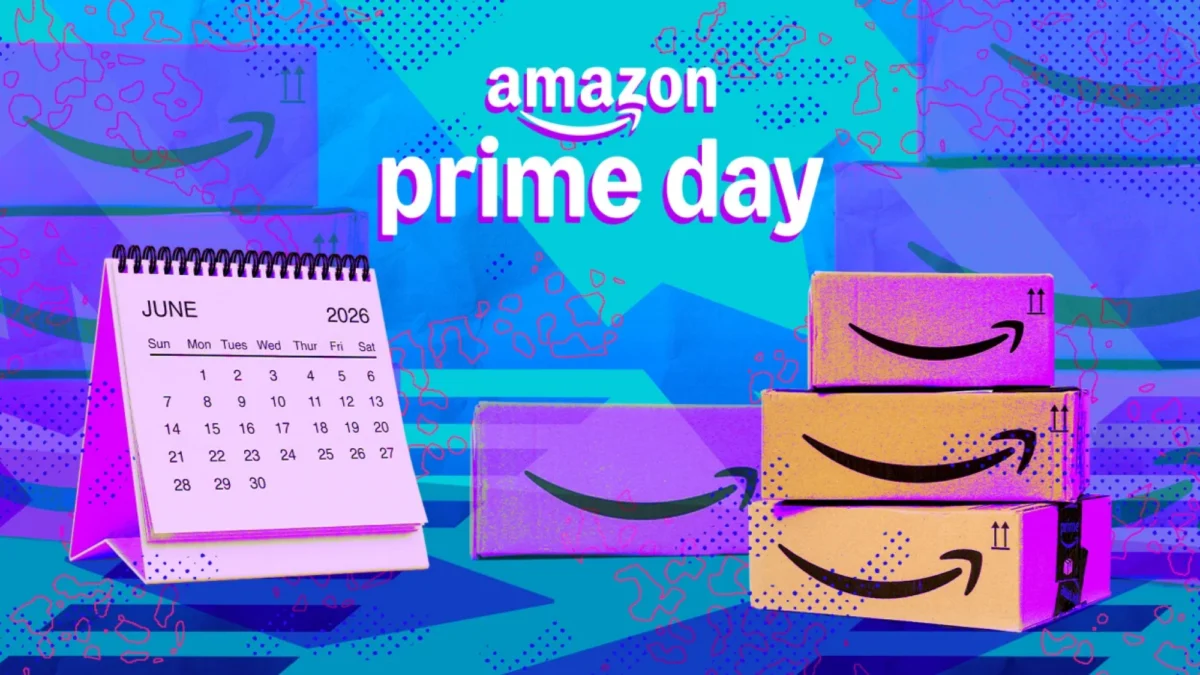
SEATTLE — Amazon has officially scheduled its 12th annual Prime Day shopping event for June 23 to June 26, 2026. For the second consecutive year, the e-commerce giant will extend its flagship summer savings event to a four-day format, doubling the duration of its traditional two-day window. However, the most notable aspect of this year’s announcement is not the length of the event, but its timing. By shifting the event to late June, Amazon is disrupting the mid-summer retail calendar, prompting immediate defensive maneuvers from major competitors including Walmart, Target, and Best Buy.
The decision to pull the event forward is designed to position Prime Day as a critical "stock-up" opportunity ahead of major July events, notably the FIFA World Cup and the 250th anniversary of U.S. independence. As consumers continue to seek inflation relief, the four-day event is expected to see heavy promotional activity across high-margin electronics, household essentials, and, increasingly, groceries.

Chronology: The Evolution of Prime Day and the 2026 Timeline
Since its inception in July 2015 to celebrate the company’s 20th anniversary, Prime Day has evolved from a single-day marketing experiment into a critical pillar of Amazon’s annual revenue strategy. Over the last decade, the event has expanded in both duration and scope:
- 2015–2017: Prime Day operated primarily as a 24-to-30-hour shopping window focused on clearing inventory and driving initial Prime membership sign-ups.
- 2018–2024: The event standardized into a 48-hour format, typically held during the second or third week of July.
- 2025: Amazon expanded Prime Day to a four-day event, maintaining its traditional mid-July slot.
- 2026: Amazon maintains the four-day format but executes a major chronological shift, moving the event up to late June (June 23–26).
The 2026 Campaign Rollout
The timeline for the 2026 promotional cycle highlights Amazon’s extended lead-up strategy:

[June 2] Early Deals & Grocery Sweepstakes Launch ──► [June 22] Sweepstakes Closes / Competitor Sales Begin ──► [June 23–26] Prime Day Proper / Target Circle Days- June 2, 2026: Amazon launches its early promotional campaign, introducing preliminary discounts on first-party hardware and initiating its grocery sweepstakes.
- June 22, 2026: The preliminary phase closes. This day also marks the official launch of competing week-long sales from Walmart and Best Buy.
- June 23, 2026 (3:00 AM ET): Prime Day 2026 officially begins, running concurrently with Target’s matching "Circle Deal Days" through June 26.
Supporting Data: Discount Structures and Competitor Offerings
To maintain dominance during this competitive period, Amazon has structured its early deals around high-value subscription services and deep discounts on first-party hardware, while its competitors have responded with their own aggressive pricing frameworks.
Amazon’s Early Promotional Architecture
Before the official June 23 launch, Amazon is leveraging its ecosystem to lock in consumer attention. Key early promotions include:

| Product/Service Category | Promotional Offer | Estimated Financial Value / Discount |
|---|---|---|
| Amazon First Reads | Two free Kindle e-books | Varying by title |
| Kindle Unlimited | 3-month free trial | $36.00 value |
| Audible Standard | 3-month free trial | $27.00 value |
| Amazon Music Unlimited | 4-month free trial (non-members receive 3 months) | $48.00 value |
| Print Books | Select physical inventory discounts | Up to 65% off (starting at $7) |
| First-Party Hardware | Echo, Kindle, Fire TV, Blink, and eero devices | Up to 65% off |
| Prime Video | Movie and television purchases and rentals | Up to 50% off |
In an unconventional move to bolster its grocery market share, Amazon is also running a sweepstakes through June 22. Prime members who spend a minimum of $15 on groceries, beauty products, personal care items, or pet supplies are automatically entered to win a free year of groceries, delivered via $10,000 in Amazon gift cards. Additionally, the company has partnered with Little Caesars to offer large pepperoni or cheese pizzas for $5 each to Prime members, redeemable up to five times through June 26.
The Competitive Field: Rival Sales Events
Amazon’s rivals have designed overlapping promotional windows, some extending longer than Prime Day itself:

Retailer Promotion Windows (June 2026)

Amazon Prime Day:       [   June 23 - June 26   ]
Target Circle Days:     [   June 23 - June 26   ]
Walmart Summer Deals:   [ June 22 ------------ June 28 ]
Best Buy Tech Fest:     [ June 22 ------------ June 28 ]
Walmart’s "Summer Deals" (June 22–28)
Walmart’s event spans seven days, bracketing Amazon’s timeline. It features thousands of deals across electronics, home goods, and back-to-school items. While open to all shoppers online and in-store, Walmart+ members are granted exclusive early access to "Hot Deal Drops" on June 22. To drive membership, Walmart is offering a 50% discount on its annual Walmart+ subscription during the lead-up.
Best Buy’s "Tech Fest" (June 22–28)
Focusing heavily on consumer electronics, Best Buy is hosting a week-long event with discounts of up to 50% on laptops, televisions, gaming consoles, and small appliances. While open to the general public, members of the paid "My Best Buy Plus" and "My Best Buy Total" programs receive enhanced rewards and exclusive pricing.

Target’s "Circle Deal Days" (June 23–26)
Matching Amazon’s dates exactly, Target is offering up to 45% off apparel, beauty, toys, and home essentials. To drive foot traffic to its physical stores, Target is offering a complimentary hot or iced coffee or a free cookie to Target Circle members on the first day of the sale. Furthermore, consumers who join the free loyalty program before June 22 receive a 15% discount coupon for a future purchase.
Official Responses and Strategic Rationale
The decision to shift Prime Day from its traditional mid-July slot to late June represents a calculated move to capture consumer spending ahead of a highly saturated July calendar.

In an interview with Reuters, Jamil Ghani, Worldwide Vice President of Amazon Prime, confirmed that external cultural and historical milestones heavily influenced the scheduling change. Ghani pointed to the FIFA World Cup—which runs through July 19—and the 250th anniversary of U.S. independence on July 4 as primary factors.
"We wanted to make sure Prime Day was positioned to help our members prepare for a historic summer," Ghani stated, indicating that the company viewed the late-June timing as an ideal window for consumers to purchase party supplies, outdoor gear, and household essentials.

Industry analysts also point out that by moving the event to June, Amazon avoids competing directly with the peak of the World Cup broadcast schedule, which typically dominates consumer attention and advertising space. Additionally, the shift allows Amazon to establish a presence in the grocery and consumable goods sectors before families finalize their summer travel and entertainment plans.
Implications for the Retail Sector and Consumer Behavior
The strategic shifts observed in the lead-up to Prime Day 2026 carry significant implications for the broader retail landscape, loyalty program economics, and seasonal consumer spending patterns.

Realignment of the Summer Retail Calendar
Historically, July was considered a slow month for retail, situated between the end of spring graduation shopping and the start of late-summer back-to-school campaigns. By pulling Prime Day into June, Amazon has effectively extended the summer promotional season.
This forces competitors to initiate their discount cycles earlier, pulling forward inventory clearance schedules and altering supply chain demands. The fact that Walmart and Best Buy have chosen to run seven-day events suggests that physical retailers feel compelled to offer longer shopping windows to counter Amazon’s digital convenience.

Loyalty Programs as Defensive Moats
The 2026 mid-summer sales highlight how retail competition has shifted from individual product pricing to ecosystem acquisition. Amazon Prime ($149.99/year or $139/year), Walmart+ ($98/year), and Target Circle (free, with paid tiers) are no longer just delivery perks; they are defensive moats designed to retain customer lifetime value.
Retailer Ecosystem Lock-In Strategies:

Amazon:      High-Value Digital Services (Audible, Kindle, Music Unlimited trials)
Walmart:     Membership Discounts (50% off annual fee) + Early Access to Deal Drops
Target:      Experiential Perks (Free in-store coffee/cookies) + Immediate Coupons
By offering substantial free trials of services like Audible and Kindle Unlimited during Prime Day, Amazon is focusing on long-term subscription retention, converting transactional shoppers into recurring revenue streams.

Inflation Relief and the Consumables Pivot
With persistent inflation impacting discretionary income, consumer purchasing habits have shifted from luxury electronics to everyday essentials. Amazon’s emphasis on grocery giveaways, partner promotions with fast-food brands like Little Caesars, and early deals on household consumables indicates a recognition of this macroeconomic trend.
Prime Day is increasingly serving as an inflation-relief event where middle- and lower-income households stock up on pantry staples, paper products, and basic personal care items rather than purely high-end gadgets. Competitors have adjusted accordingly, with Target and Walmart placing heavy emphasis on grocery and basic home essentials within their respective summer sales.
 Asro
Asro  Nila Kartika Wati
  Siti Muinah