
 By Basiran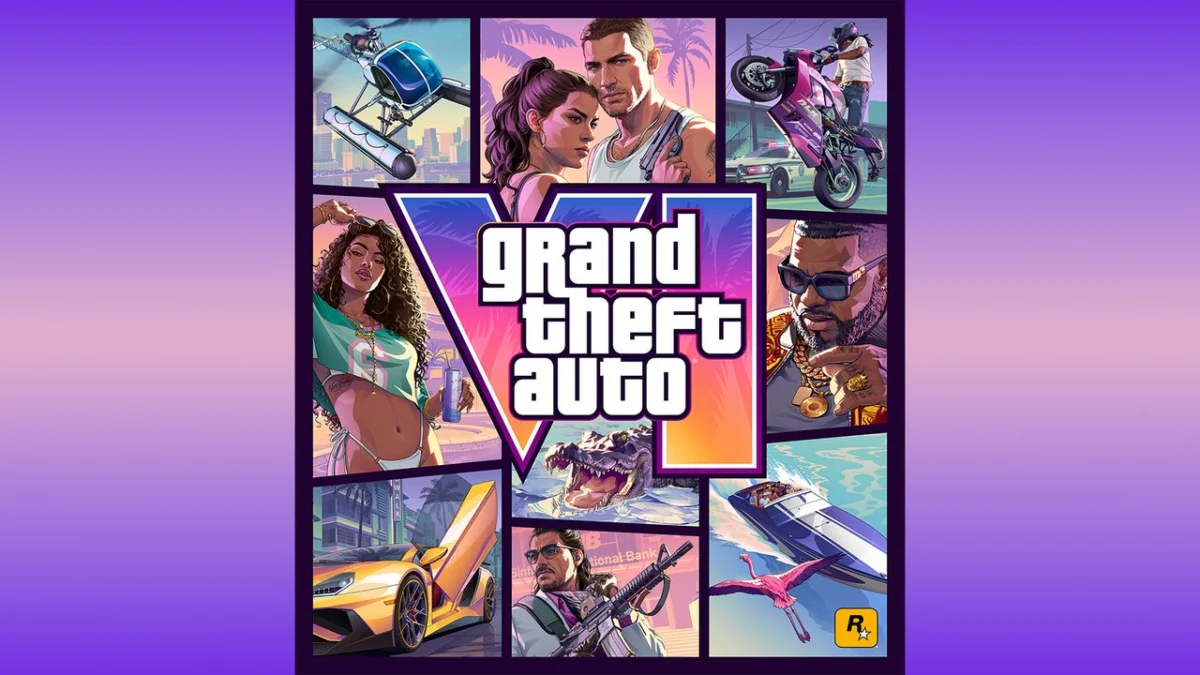
The gaming industry operates on cycles of anticipation, but few events command the global attention of a Grand Theft Auto reveal. Rockstar Games has officially unveiled the box art for Grand Theft Auto VI (GTA VI), a visual statement that serves as both a nostalgic anchor and a bold promise of the future. As the industry grapples with shifting pricing models and the weight of massive production budgets, this reveal is more than just a piece of marketing—it is a cultural touchstone that signals the beginning of the end of the longest wait in modern gaming history.
The Visual Identity: A Familiar Iconography
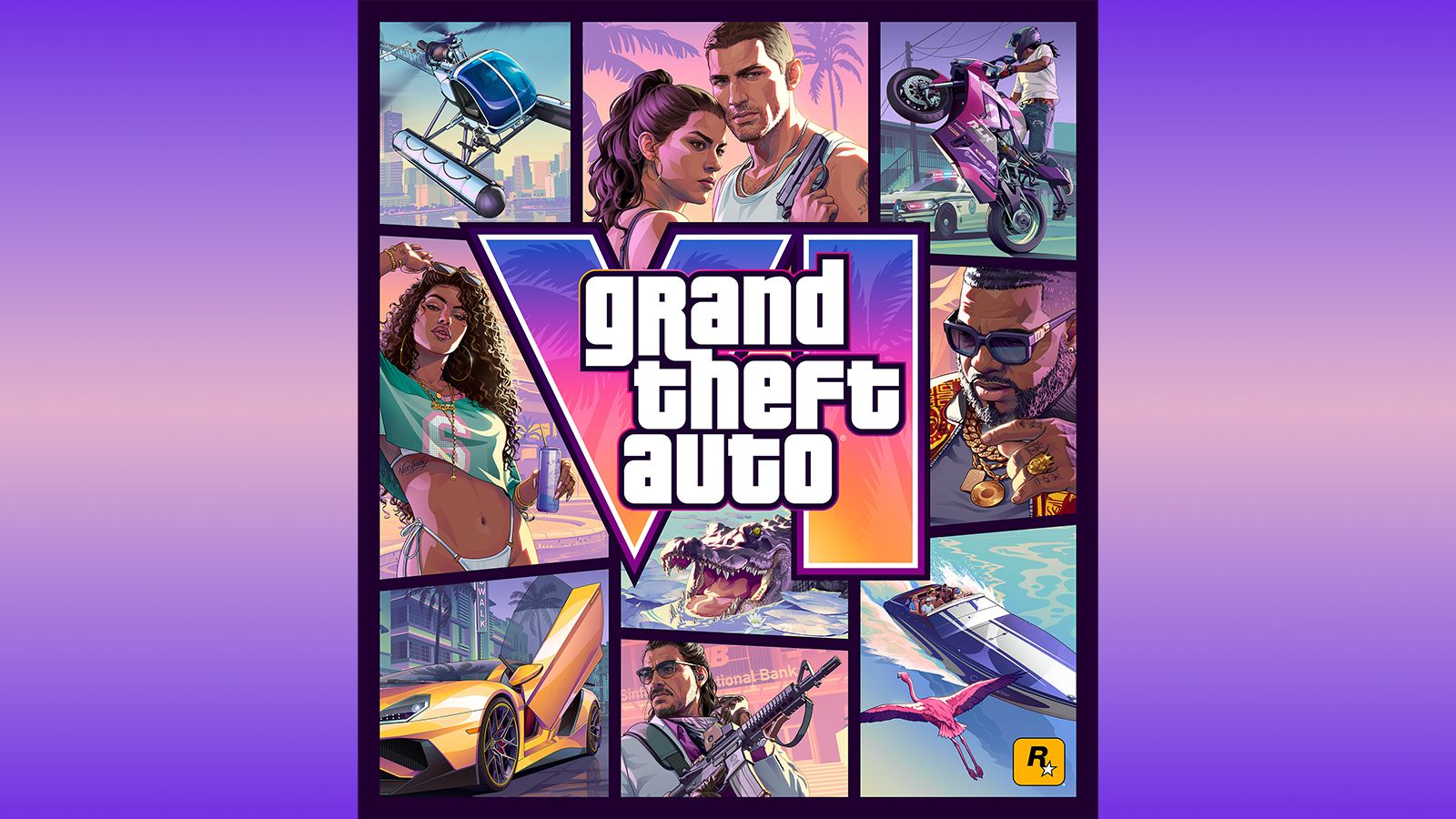
The newly released box art for GTA VI leans heavily into the established "comic book panel" aesthetic that has defined the series since the early 2000s. By utilizing a collage of stylized, saturated, and gritty character portraits, Rockstar is tapping into a visual language that is instantly recognizable to millions of players worldwide.
In an era where many AAA studios are pivoting toward minimalist, abstract, or purely cinematic cover art, Rockstar’s commitment to this specific, collage-based design is a statement of brand confidence. It tells the consumer exactly what to expect: a sprawling ensemble cast, high-octane drama, and the chaotic, sun-drenched atmosphere of a modern-day Vice City. The design evokes a sense of continuity, reassuring long-time fans that while the technology and scale have evolved, the soul of the franchise remains untouched.
Chronology: A Decade in the Making
To understand the gravity of this box art reveal, one must look at the timeline of the game’s development.
- 2013: Grand Theft Auto V is released, setting records that would hold for over a decade.
- 2014–2018: Persistent rumors of a sequel emerge, but Rockstar remains tight-lipped, focusing on the longevity of GTA Online and the release of Red Dead Redemption 2.
- 2022: A major, unauthorized leak of early build footage confirms the game’s setting and the dual-protagonist narrative.
- December 2023: The official trailer drops, confirming the return to the neon-soaked streets of Leonida (Vice City) and setting the internet ablaze with record-breaking viewership.
- June 2024: Rockstar officially unveils the final box art and announces the commencement of pre-orders.
This timeline is not merely a record of development; it is a testament to a studio that refuses to rush. In a market often criticized for "crunch" and unfinished product launches, Rockstar’s decade-long gestation period for GTA VI has become a focal point of industry discussion regarding the sustainability of triple-A development.
The Economics of Scale: Why the Price Tag Matters
The announcement that pre-orders will open on June 25th has reignited a fierce debate regarding the cost of the title. For months, industry analysts have speculated that GTA VI could be the first title to truly challenge the standard $70 price point, with some suggesting a move to $80 or even $100.
The Billion-Dollar Question
Reports suggest that Grand Theft Auto VI has commanded a development budget ranging between $1 billion and $2 billion. When adjusted for inflation and the sheer scale of the studio’s overhead—which includes hundreds of developers, massive motion-capture facilities, and cutting-edge engine development—the cost is unprecedented in the history of entertainment media.
To put this into perspective, even the most expensive blockbuster films rarely exceed a $400 million production budget. GTA VI is not just a game; it is an economic engine for Take-Two Interactive, Rockstar’s parent company. The studio must balance the need to recoup this gargantuan investment with the risk of consumer backlash. If the base game launches at a premium price, it will set a new precedent for the entire industry.
Official Responses and Strategic Marketing
Rockstar Games has maintained its characteristic silence regarding specific pricing tiers, preferring to let the reveal of the box art and the pre-order date do the talking. By linking the announcement to a sleek, 30-second video on YouTube, Rockstar effectively bypassed traditional press junkets, leveraging their own massive digital ecosystem to control the narrative.
This strategy is intentional. Rockstar understands that their brand power is such that they do not need to play by the rules of standard marketing. By the time the pre-order link goes live on their official website, the fervor surrounding the box art will have created a "fear of missing out" (FOMO) that transcends standard consumer behavior.
Implications for the Gaming Industry
The reveal of GTA VI sends several tremors through the current gaming landscape:
1. The Death of the "AA" Middle Ground
As Rockstar pushes the boundaries of what a single game can cost to develop, smaller studios are finding themselves squeezed. The "AA" market—games with moderate budgets—is becoming increasingly fragile. The industry is moving toward a bifurcated model: massive, "too-big-to-fail" live-service or open-world giants, and highly creative, lean indie titles. GTA VI represents the absolute peak of the former.
2. The Evolution of "Games as a Service"
While GTA VI is expected to be a narrative-driven experience, its integration with the next iteration of GTA Online is inevitable. The box art represents the narrative, but the revenue will be driven by the persistence of the online world. Rockstar is essentially selling a platform, not just a game.
3. The Artistic Legacy of the Series
By returning to the comic book aesthetic, Rockstar is reinforcing the idea of Grand Theft Auto as a satirical, biting commentary on American culture. The design choice suggests that the game will continue to act as a mirror to modern society—albeit a warped, neon-lit, and violent one.
What Lies Ahead
As we approach June 25th, the gaming community finds itself at a crossroads. We are witnessing the maturation of a medium where a single digital asset—the box art—can trigger a global conversation about the value of art, the ethics of corporate spending, and the future of digital entertainment.
Will GTA VI justify its price tag? Will it live up to the gargantuan expectations of a decade-long wait? These questions remain unanswered, but one thing is certain: Rockstar Games has succeeded once again in making the entire world watch. Whether you are a long-time fan of the series or an observer of the gaming industry’s shifting tides, the launch of Grand Theft Auto VI is shaping up to be the most significant entertainment event of the decade.
For now, we have the box art—a familiar, colorful, and chaotic snapshot that promises to transport us back to the streets where it all began. The countdown to June 25th has begun, and the industry is holding its breath to see what happens when the most powerful brand in gaming finally opens its doors.
 Lina Hope
  Reynand Wu
  Pevita Pearce