
 By Iffa Jayyana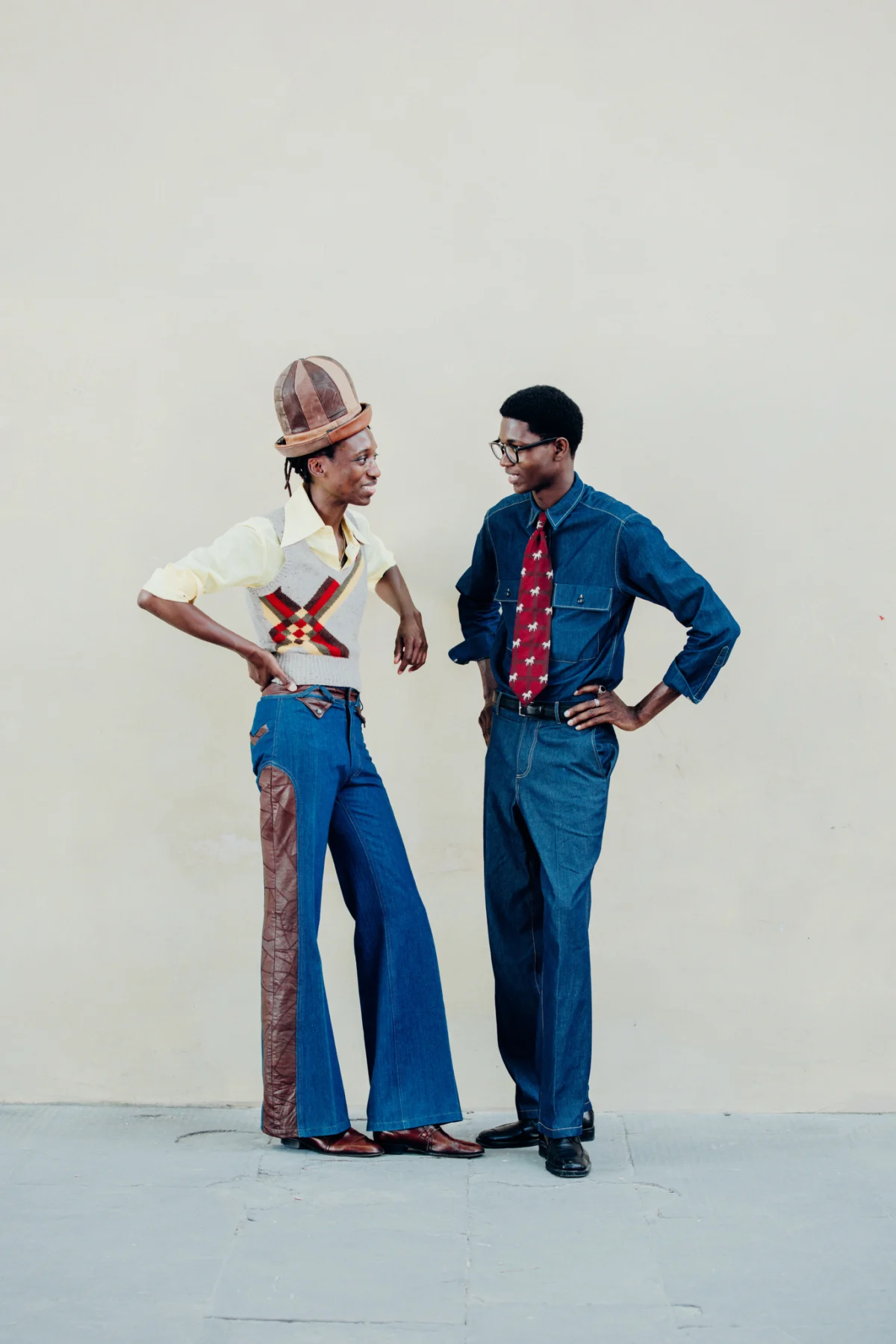
FLORENCE — As the curtains closed on the most recent edition of Pitti Uomo this Friday, the atmosphere in Florence was one of pragmatic resilience. Amid a global landscape marked by geopolitical instability and shifting consumer behaviors, the world’s premier menswear trade show attempted to answer a singular, pressing question: Is the industry finally cracking the code to sustainable growth in a fragmented market?
For four days, the Fortezza da Basso served as the epicenter for Spring/Summer 2027 collections. While the event was underscored by an unseasonable heat wave that tested the endurance of attendees, the mood remained resolutely optimistic. Industry leaders, buyers, and designers navigated a landscape that prioritized substance over spectacle, reflecting a broader market shift toward "buying less, but buying better."
The State of the Industry: A Market in Flux
The global menswear sector is currently characterized by a high degree of fragmentation. Traditional "tribes"—ranging from sartorial purists to streetwear acolytes—are no longer siloed; instead, they are increasingly blending into a new, hybrid aesthetic. Pitti Uomo’s organizers recognized this evolution, curating a selection of brands that embrace this fluidity without compromising their specific brand identities.
"Pitti Uomo has a unique ability to bring together every facet of menswear culture, from traditional sartorial tailoring enthusiasts to fashion-forward buyers, designers and creatives," noted Victor Poulsen, men’s luxury and designer buyer at Printemps. "This diversity creates a rich and inspiring environment where heritage and innovation naturally coexist."

Economic Indicators and Geopolitical Realities
The business of fashion remains tethered to the pulse of the global economy. Data from Confindustria Moda reveals that exports of Italian menswear dipped 1.7 percent in 2025, totaling 9.4 billion euros. This contraction was largely attributed to a 5.7 percent decline in markets outside Europe. However, there were clear "sweet spots." France and the United States, which remain the top two importers of "Made in Italy" goods, saw a 3.5 percent growth, signaling that quality remains a primary driver for the world’s most discerning consumers.
The U.S. market, in particular, has emerged as the most resilient pillar for the fashion sector. Brand executives spent the week eager to engage with American buyers, a sentiment fueled by the palpable energy at events like the traditional Brunello Cucinelli dinner, which drew high-profile guests and an increased attendance from U.S. specialty stores.
Chronology of a Shift: From Heritage to Modernity
The week unfolded as a masterclass in adaptation. Tuesday’s festivities set a high-energy tone, while subsequent days were marked by intense, commercially grounded meetings.
Tuesday: The American Engagement
The arrival of prominent American buyers and influencers at the start of the week underscored the strategic importance of the U.S. market. As Bruce Pask, associate vice president of the men’s fashion office at Saks Fifth Avenue and Neiman Marcus, observed, the show felt "vibrant and energetic," with crowded booths and a genuine sense of optimism that defied the gloomy macroeconomic forecasts.

Wednesday & Thursday: The Substance of Style
Mid-week was dominated by a focus on "pragmatism." Collections across the board favored worn-in treatments, particularly in leather and suede outerwear. This was a clear nod to the Gen-Z fascination with vintage and pre-loved goods—a trend that brands are now emulating through artisanal finishing techniques.
"The men’s luxury market is clearly shifting its focus toward quality, innovation and substance, speaking to true craftsmanship and longevity," said Young-Su Kim, senior vice president and general merchandise manager at Bergdorf Goodman. "The spotlight remained firmly on the collections rather than street-style trends."
Key Players and Brand Narratives
The collections showcased at the Fortezza highlighted how heritage houses are successfully reinventing themselves for a new generation.
L.B.M. 1911: The Art of Ease
L.B.M. 1911 presented a collection that blurred the lines between formal and off-duty. By utilizing unlined, deconstructed blazers in denim-look linen, the brand catered to the modern demand for comfort. Giovanni Bianchi, head of design for parent company Lubiam, emphasized their strategy: "We continue to update our aesthetic vocabulary without alienating our existing customers. That’s our recipe."

KNT (Kiton): Neapolitan Innovation
The brothers Walter and Mariano De Matteis continue to evolve KNT as a laboratory for the younger generation. By applying archival Prince of Wales patterns from the 1970s to modern, relaxed utility suits and trench coats, they successfully bridge the gap between Neapolitan tailoring and contemporary sportswear.
Woolrich: The Americana Renaissance
Under its new owner, BasicNet, Woolrich is doubling down on its outdoor heritage. The brand is moving away from purely performance-based marketing to focus on an aspirational, outdoor lifestyle. Marco Tamponi, global brand manager, noted, "We’re trying to build a distinctive look that screams Woolrich even without obvious branding."
Herno: The Value-Driven Powerhouse
With sales up 15 percent in the first half of 2026, Herno is proving that "value for money" is a winning strategy. CEO Claudio Marenzi highlighted the need for constant design innovation, noting that in a fragmented market, versatility is the key to earning customer loyalty.
Original Penguin & Paul & Shark: Returns and Anniversaries
Original Penguin made a triumphant return to Pitti, focusing on its 1955 heritage to court the European market. Meanwhile, Paul & Shark celebrated its 50th anniversary by reissuing archival pieces like the Aliseo jacket, proving that history remains a powerful currency in the luxury space.

Implications for the Future of Retail
The overarching takeaway from this edition of Pitti Uomo is that the industry is entering a "post-hype" phase. The frantic pursuit of logo-driven trends is being replaced by a measured, thoughtful approach to merchandising.
A Focus on Curation
Buyers are no longer looking for broad-stroke collections; they are seeking pieces that tell a story. "As the foundation for the upcoming spring season, collections were commercially grounded and thoughtfully merchandised," said Pask. This trend is further supported by the increasing "dialogue between craftsmanship and contemporary design."
The Younger Demographic
Brands are making an earnest effort to court younger consumers without abandoning their DNA. This is being achieved through brighter color palettes, fluid silhouettes, and the hybridization of utilitarian and sartorial styles—epitomized by the prevalence of cargo-pocketed trousers and sun-faded knits.
Conclusion: A Resilient Path Forward
As the sun set on the Fortezza da Basso, the consensus among industry insiders was clear: the menswear market is not broken; it is merely evolving. The challenges posed by geopolitical instability and shifting economic power are being met with a return to the fundamental values of fashion—quality, durability, and authenticity.

Pitti Uomo remains the most vital platform for this evolution. By fostering a space where the old guard of Italian tailoring meets the new wave of global designers, the show provides more than just a marketplace; it provides a roadmap for the future. For the brands that can successfully balance their heritage with the demands of a modern, eco-conscious, and discerning consumer, the second half of 2026 and the 2027 season promise a landscape of growth, stability, and renewed creative purpose.
The industry may be buying less, but as the collections in Florence proved, it is undoubtedly buying better.
 Nana Muazin
  Nana
Nana  Ali Ikhwan