
 By Asro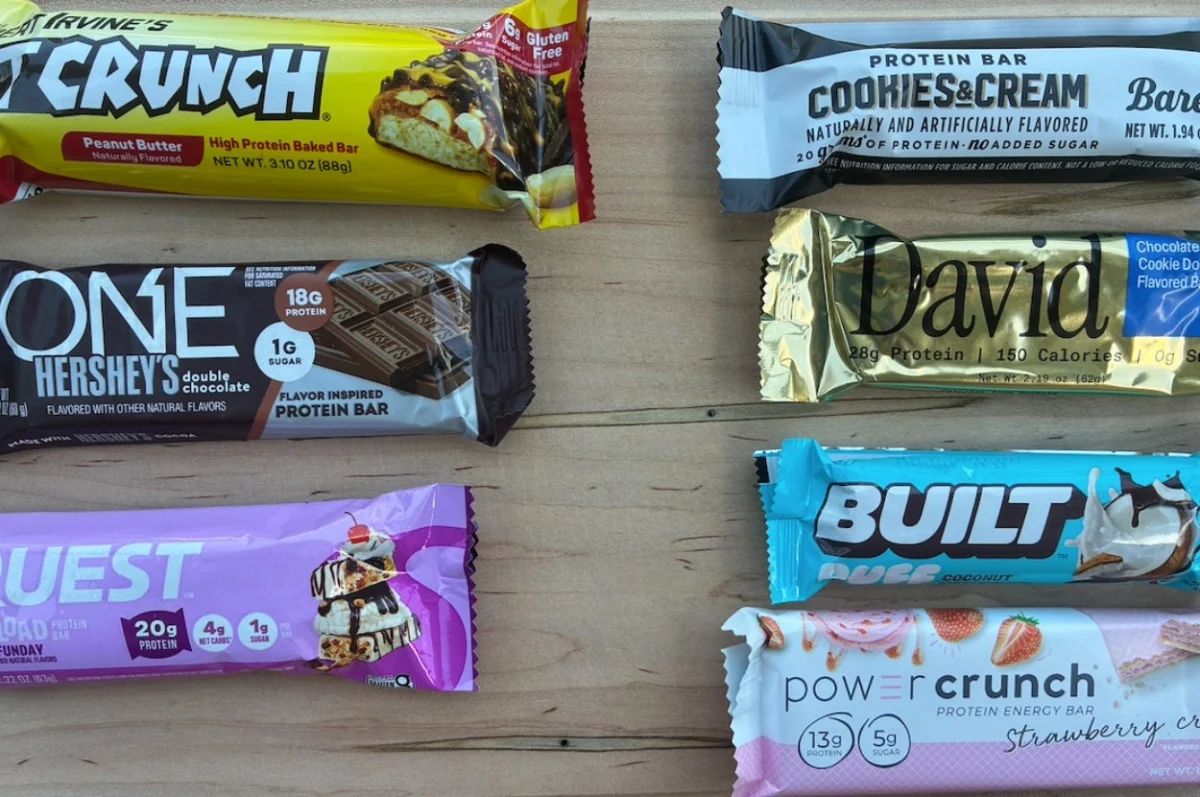
In the modern wellness landscape, the pursuit of physical optimization has turned the humble snack aisle into a battlefield of macronutrient engineering. For millions of consumers, the goal is simple: hit daily protein targets to facilitate muscle repair and metabolic health. Yet, for many, this pursuit is marred by the sensory compromise of consuming products that often taste more like processed cardboard than food.
Sara Thompson, a health enthusiast who has spent the last three years documenting a transformative 100-pound weight loss journey, recently turned her focus to this exact dilemma. Her mission: to identify whether it is possible to bridge the gap between high-performance nutrition and genuine culinary enjoyment.
The Macronutrient Challenge: Why Protein Matters
The physiological necessity for protein in a fitness-oriented lifestyle cannot be overstated. When individuals engage in resistance training or high-intensity exercise, they induce micro-tears in muscle fibers. Protein provides the essential amino acids required to repair these tissues, leading to hypertrophy and increased strength.
However, the "protein gap"—the daily deficit between what a person consumes and what they need for optimal recovery—is a common barrier to success. "I’ve learned that consistency is the key to any health transformation," says Thompson. "If I can sneak protein into my everyday habits, whether through drinks or snacks, I do. But the caveat is that it must taste good. If you don’t enjoy your food, you won’t sustain the habit."
A Market Saturated with Choice
The protein bar market has evolved significantly over the last decade. Once the domain of chalky, dense bars marketed exclusively to bodybuilders, the category has exploded into a multi-billion-dollar industry catering to everyone from corporate professionals to endurance athletes.
Walking into a standard grocery store, a consumer is now faced with dozens of brands, hundreds of flavor profiles, and a dizzying array of ingredient lists. For the average consumer, this abundance creates a "decision fatigue" that often leads to choosing bars based on flashy packaging rather than nutritional integrity. Thompson’s investigation sought to cut through the marketing noise to find a product that truly delivers on both the label and the palate.
The Methodology: Deconstructing the Wrapper
Thompson’s approach was rooted in real-world application. Rather than adhering to a rigid laboratory study, she performed a consumer-focused analysis based on accessibility and personal preference.
Phase I: Nutritional Due Diligence
Before the taste test began, Thompson performed a "wrapper audit." Not all protein bars are created equal, and even within the same brand, nutritional profiles can vary wildly depending on the flavor. She examined three primary indicators:
- Protein-to-Calorie Ratio: Evaluating how much of the bar’s energy comes from protein versus filler carbohydrates or fats.
- Sugar Content: Identifying the use of sugar alcohols or artificial sweeteners versus natural alternatives.
- Protein Source: Distinguishing between high-quality sources like whey isolate and plant-based blends (pea, soy, or brown rice).
Phase II: The Palatability Index
Flavor remains the final arbiter of any snack’s success. For this analysis, Thompson curated a lineup of popular brands, selecting flavors she would naturally gravitate toward. The criteria for success were clear: texture (avoiding the "sandy" mouthfeel common in whey-based products), sweetness level, and aftertaste.
Chronology of a Taste Test
The testing process took place over the course of a week, ensuring that taste buds were not fatigued by rapid-fire consumption.
- Day 1: Establishing the Baseline. Testing legacy brands known for mass-market distribution. These bars often prioritize a "candy bar" experience, sometimes at the cost of higher sugar content.
- Day 3: The "Clean Label" Shift. Moving to brands that emphasize whole-food ingredients like dates, nuts, and egg whites. These typically offer cleaner nutrition but sometimes sacrifice the "craveable" texture of processed bars.
- Day 5: The Innovation Tier. Assessing the latest entrants to the market that utilize new technologies, such as fiber-based binders that keep calorie counts low while maintaining a soft, cookie-like texture.
Supporting Data: The Science of Sustenance
Research from the Journal of the International Society of Sports Nutrition emphasizes that while protein timing is secondary to total daily intake, the quality of the protein consumed—specifically its leucine content—is critical for muscle protein synthesis.
When comparing bars, consumers should look for:
- Leucine Content: An essential branched-chain amino acid (BCAA) that acts as the "on switch" for muscle building.
- Fiber Ratios: Many bars use high-fiber additives like chicory root, which can cause gastrointestinal distress in some individuals.
- Bioavailability: Whey protein isolate remains the gold standard for rapid absorption, though hydrolyzed collagen and plant-based blends are gaining market share.
Implications for the Fitness Industry
The findings from Thompson’s experiment highlight a broader trend: the "foodification" of supplements. As consumers demand more transparency, companies are being forced to reformulate. The days of masking low-quality protein with excessive sugar are coming to an end.
However, the industry faces a significant hurdle regarding regulation. Unlike dietary supplements, protein bars are often categorized as food, meaning they face different scrutiny regarding label accuracy. Independent testing has historically revealed that some brands fall short of their advertised protein counts by as much as 10–20%.
Official Responses and Industry Trends
Major retailers have reported that protein bar sales remain one of the most resilient categories in the wellness sector. "We are seeing a shift away from ‘weight loss’ bars and toward ‘performance and satiety’ bars," says a retail analyst. "Consumers are less afraid of calories than they were five years ago, provided those calories come from high-quality sources."
Manufacturers are responding to this by emphasizing ingredient sourcing. The rise of grass-fed whey and organic, sprouted plant proteins is evidence that brands are listening to a more educated consumer base that reads the back of the package with the same intensity as the front.
Future Outlook: Personalization
As the market continues to expand, the future of the protein bar likely lies in personalization. We are already seeing the emergence of subscription models that tailor protein ratios based on individual activity levels and metabolic goals.
For someone like Thompson, the journey continues. "My taste test was just a starting point," she notes. "The market is moving so fast that new, better options appear on the shelves every month. The real takeaway is that you don’t have to settle. If your current protein bar tastes like a chore, you haven’t looked hard enough yet."
Conclusion: The Consumer’s Role
The responsibility ultimately rests with the consumer to remain vigilant. By checking labels, understanding one’s own nutritional requirements, and refusing to compromise on taste, the modern athlete can ensure their supplemental intake is an enjoyable part of their day rather than a dietary burden.
Whether you are a marathon runner, a strength trainer, or someone simply looking to increase your daily protein intake, the variety currently available offers a unique opportunity. As Thompson invites her readers to share their own findings, it is clear that the conversation around "good" protein is far from over. It is a collaborative effort between manufacturers, health experts, and the end-user to define what a truly optimal snack looks like in the 21st century.
Call to Action: Have you found a protein bar that strikes the perfect balance between high-quality nutrition and a flavor profile that doesn’t feel like a compromise? We invite you to join the conversation. Share your recommendations, your favorite flavor profiles, and your "avoid" list in the comments section below. Your insights could help fellow fitness enthusiasts navigate the complex landscape of sports nutrition.
 Lina Irawan
  Layla Zulfa
  Asep Darmawan