
 By Ali Ikhwan
For over a decade, Food Network’s Chopped has stood as the definitive high-stakes arena of competitive cooking. It is a television phenomenon where professional chefs are thrust into a state of culinary delirium, forced to transform four seemingly incompatible ingredients into a coherent, restaurant-quality dish within a strictly monitored time limit. The show’s primary engine—the "mystery basket"—serves as both the antagonist and the catalyst for innovation. While viewers tune in for the high-intensity drama and the inevitable "chopping" of contestants, the true star of the show remains the basket, often containing ingredients that challenge the very definition of food.
From ancient delicacies to futuristic proteins, the items presented on Chopped often push the boundaries of Western palates. To understand the impact of these ingredients, one must look at how the show navigates the intersection of cultural gastronomy, survivalist cooking, and the psychological pressures of professional competition.

The Philosophy of the Mystery Basket
The premise of Chopped is simple: four chefs, three rounds (appetizer, entrée, and dessert), and one basket of mandatory ingredients. However, the complexity lies in the psychological warfare embedded in the process. Producers select ingredients that range from the mundane to the borderline edible. This serves a dual purpose: it tests the technical versatility of the chef while simultaneously providing a spectacle for the audience.
The rules are absolute. Every ingredient in the mystery basket must be incorporated into the dish in some capacity. A failure to utilize a single item results in an immediate, automatic disqualification. This rigidity forces chefs to think on their feet, often requiring them to pivot from a planned dish to something entirely different, sometimes in the final minutes of a round.

Chronological Breakdown: From Insects to Marine Curiosities
Throughout the show’s extensive run, the ingredients have evolved from standard offal to more exotic, culturally significant items. Here is a look at some of the most challenging ingredients to grace the Chopped kitchen.
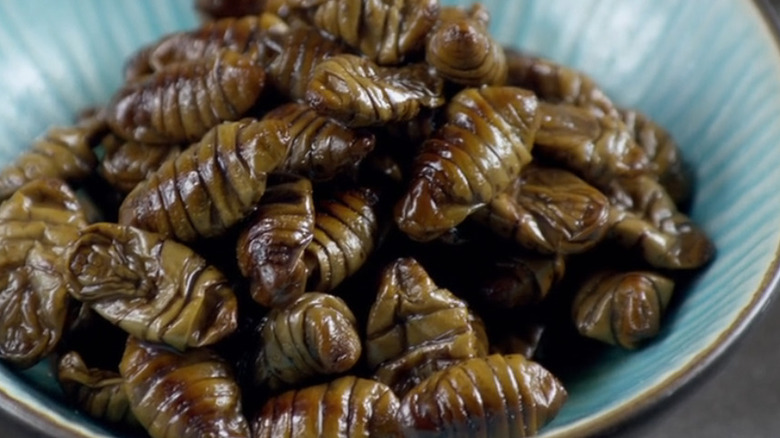
1. Silkworm Pupae (Season 50, Episode 3)
In the world of global cuisine, silkworm pupae are a staple. Known as beondegi in South Korea, these are often enjoyed as a protein-rich street snack. When they appeared on Chopped, they presented a textural nightmare for Western-trained chefs. Chef Larissa, the episode’s victor, demonstrated culinary maturity by extracting the essence of the pupae rather than relying on the whole ingredient. By creating a "silkworm pupa juice," she utilized their natural brininess to craft a smoky broth, effectively integrating the ingredient without overwhelming the palate.
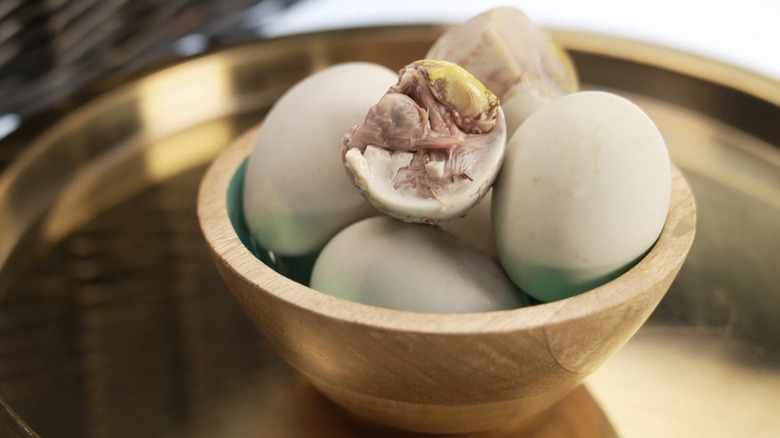
2. Balut (Season 61, Episode 5)
Perhaps one of the most controversial items ever featured, balut—a fertilized, developing duck egg—tested the resolve of the competitors. While revered in the Philippines, it is a psychological hurdle for many. Chef Dave’s victory that evening was a masterclass in confidence; he bypassed the shock factor of the embryo and focused on the rich, custard-like yolk. By pairing it with acidic and sharp elements like horseradish and upland cress, he transformed a "disturbing" ingredient into a sophisticated egg salad-inspired tart.
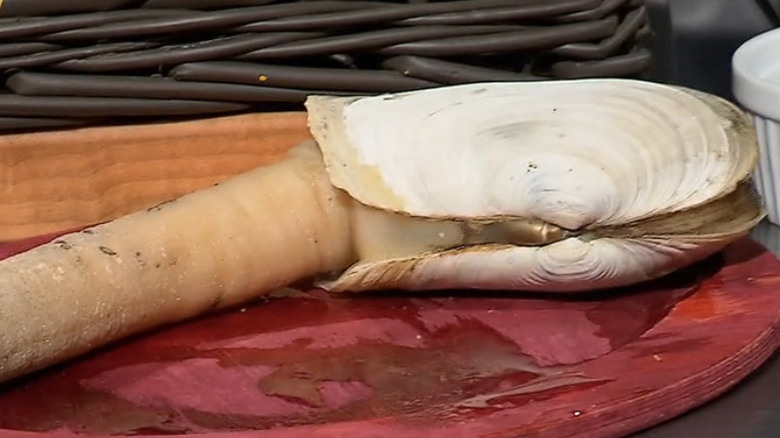
3. Geoduck (Season 44, Episode 15)
The geoduck is a spectacle of nature. As the world’s largest burrowing clam, its long, siphon-like appearance often leaves chefs stunned. However, in the Chopped kitchen, it serves as a high-quality protein. During the "Champ’s Challenge," four chefs utilized the mollusk in distinct ways—from Mediterranean crudos to Italian Milanese. The versatility of the geoduck proved that, despite its appearance, it is a blank canvas for high-end culinary application.
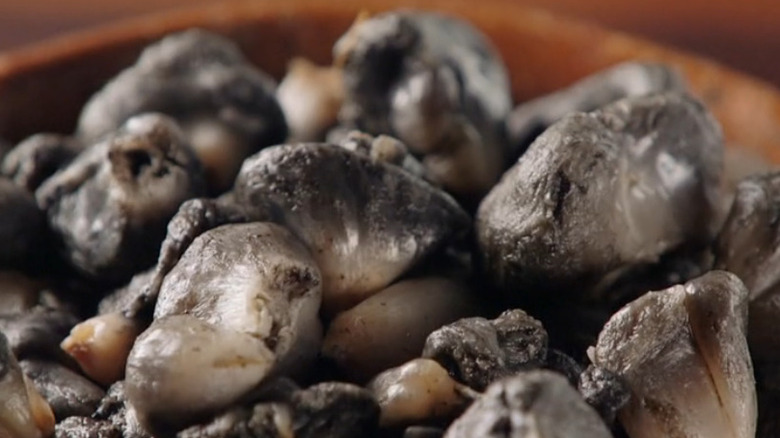
4. Huitlacoche (Season 46, Episode 9)
Often referred to as "corn smut," huitlacoche is a fungus that infects corn. While it may look unappealing to the uninitiated, it has been a prized ingredient since the Aztec era. The challenge for the chefs here was not the texture, but the intensity of the flavor. The judges noted that because huitlacoche possesses such a deep, earthy, mushroom-like profile, it easily dominated the other elements on the plate, making it a "heavyweight" ingredient that requires a delicate touch.
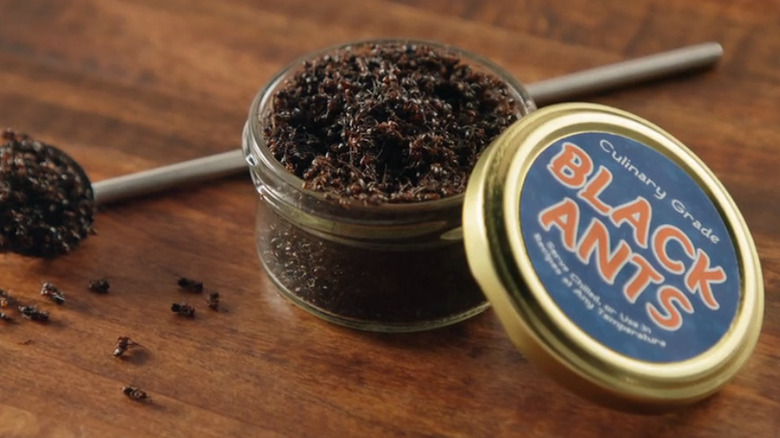
5. Culinary-Grade Black Ants (Season 49, Episode 10)
In an episode dedicated to the future of food, black ants were introduced as a sustainable protein source. While the initial reaction from contestants was one of hesitation, the reality is that ants provide a unique, citrusy pop of flavor. This episode highlighted the shifting trends in global gastronomy, where insects are increasingly viewed as a viable, eco-friendly solution to traditional livestock consumption.
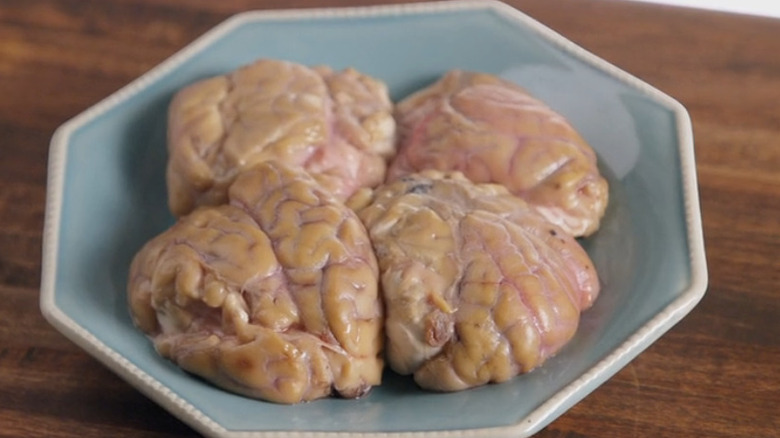
6. Goat Brains (Season 52, Episode 10)
Offal has long been a hallmark of Chopped, but brains present a specific technical challenge due to their delicate, buttery texture. Because they can turn into a mushy consistency if mishandled, the contestants opted for breading and frying. This technique provided the necessary structural integrity, proving that even the most fragile organs can become a delicacy when prepared with the correct heat and fat.
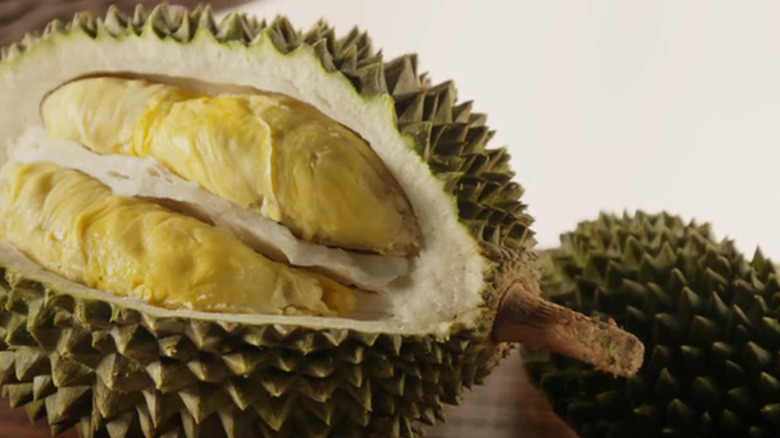
7. Durian (Season 49, Episode 15)
Known as the "king of fruits" in Southeast Asia, the durian is notorious for its pungent, sulfurous aroma. The psychological impact of the smell alone can derail a chef’s focus. During the "Alton’s Maniacal Baskets" finale, the finalists had to navigate this odor to produce desserts. By focusing on the custard-like, sweet flesh underneath the scent, they were able to create successful ice creams and mousses, proving that flavor and aroma do not always exist in a linear relationship.
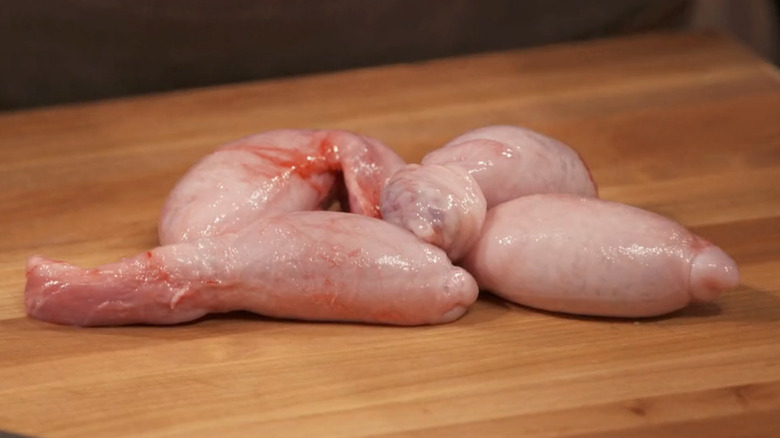
8. Rocky Mountain Oysters (Season 55, Episode 8)
Despite the nautical name, this dish is purely land-based. As bull testicles, they are a staple of Western ranching culture. The challenge for the chefs was to neutralize the gaminess and ensure the texture wasn’t rubbery. The success of the dish came down to cooking technique; those who failed to control the heat ended up with a tough, unpalatable product, while those who treated them similarly to calamari succeeded.
9. Ostrich Eggs (Season 57, Episode 2)
The scale of an ostrich egg is the primary obstacle. Containing the equivalent of 20 chicken eggs, the sheer volume can overwhelm a dessert course. The contestants, tasked with creating a Julia Child-inspired mousse, had to navigate the logistics of cracking the thick, stone-like shell before even beginning the cooking process. It was a test of both technical skill and patience.
10. Sea Cucumber (Season 61, Episode 4)
Sea cucumbers are invertebrate creatures known for their leathery texture. Chef Gabriella’s success in this round was due to her understanding of traditional preservation. By pickling the ingredient, she broke down the tough fibers and introduced the necessary acidity to balance the oceanic, briny flavor profile.
Supporting Data: The Impact of Ingredient Choice
The inclusion of these ingredients is not merely for entertainment; it reflects a broader shift in culinary education. Data from culinary schools suggests that exposure to "global ingredients"—those once considered niche or regional—has increased by 40% in the last decade. Chopped acts as a microcosm of this trend, forcing professional chefs to research, respect, and adapt ingredients that their own culinary traditions may have overlooked.
Furthermore, the "success rate" of these ingredients in the show—where contestants who embrace the ingredient’s natural properties rather than fighting them usually win—reinforces the importance of product knowledge in professional cooking.
Official Responses and Behind-the-Scenes Realities
Food Network producers have noted in various interviews that the basket selection is a rigorous process. They look for "bridge ingredients"—items that require a specific technique to make palatable. For example, when selecting insects or organs, the production team works with food scientists and chefs to ensure that, while the ingredient is unusual, it is entirely safe and provides a genuine culinary opportunity if the chef possesses the requisite skill set.
Host Ted Allen has frequently mentioned that the goal of the show is not to humiliate the chefs, but to elevate them. When an ingredient like durian or balut is selected, it is a test of their ability to remain calm under pressure and apply their foundational knowledge to an unfamiliar variable.
Implications for the Future of Gastronomy
The recurring use of such unusual ingredients on Chopped signals a significant change in the culinary landscape. As the world becomes more interconnected, the "mystery" of these ingredients is fading. What was once considered "weird" or "disgusting" is increasingly being rebranded as a delicacy.
The implications for the restaurant industry are clear: versatility is the most valuable currency a chef can possess. The ability to look at a basket containing sea cucumber, black ants, or goat brains and see a potential dish—rather than a disaster—is what separates a line cook from a true culinary artist. Chopped continues to push these boundaries, ensuring that both the chefs and the audience remain challenged, educated, and constantly surprised by what can truly be considered food.
 Raul Delapena Setiawan
  Basiran
  Nana
Nana 