
 By Suro Senen
In an era defined by fluctuating inflation and shifting consumer habits, the battle for the "first meal of the day" has never been more intense. As fast-food giants grapple with cooling demand and a rise in convenience-store breakfast alternatives, 2026 has emerged as the definitive "Year of the Deal." With breakfast traffic rebounding to 39%—a significant jump from the 34% observed in the pandemic-plagued year of 2020—major chains are deploying aggressive, value-driven pricing strategies to secure their share of the morning commute.
The State of the Morning Meal: Data and Trends
According to recent industry analysis from Toast, the breakfast landscape is undergoing a structural change. Monday morning breakfast purchases saw a 7% increase in the first quarter of 2025 compared to the previous year, and delivery orders for early-day meals spiked by 15%. Yet, the narrative is complex: while major quick-service restaurants (QSRs) are fighting to maintain loyalty, they face stiff competition from convenience stores and a consumer base increasingly wary of menu-price hikes.
The industry’s response has been a pivot back to simplicity and accessibility. By bundling items into "mix-and-match" offers and limited-time price locks, chains are attempting to balance profitability with the necessity of being perceived as a budget-friendly option.
Chronology of the QSR Breakfast Revolution
The evolution of the fast-food breakfast is a story of trial, error, and eventual dominance.
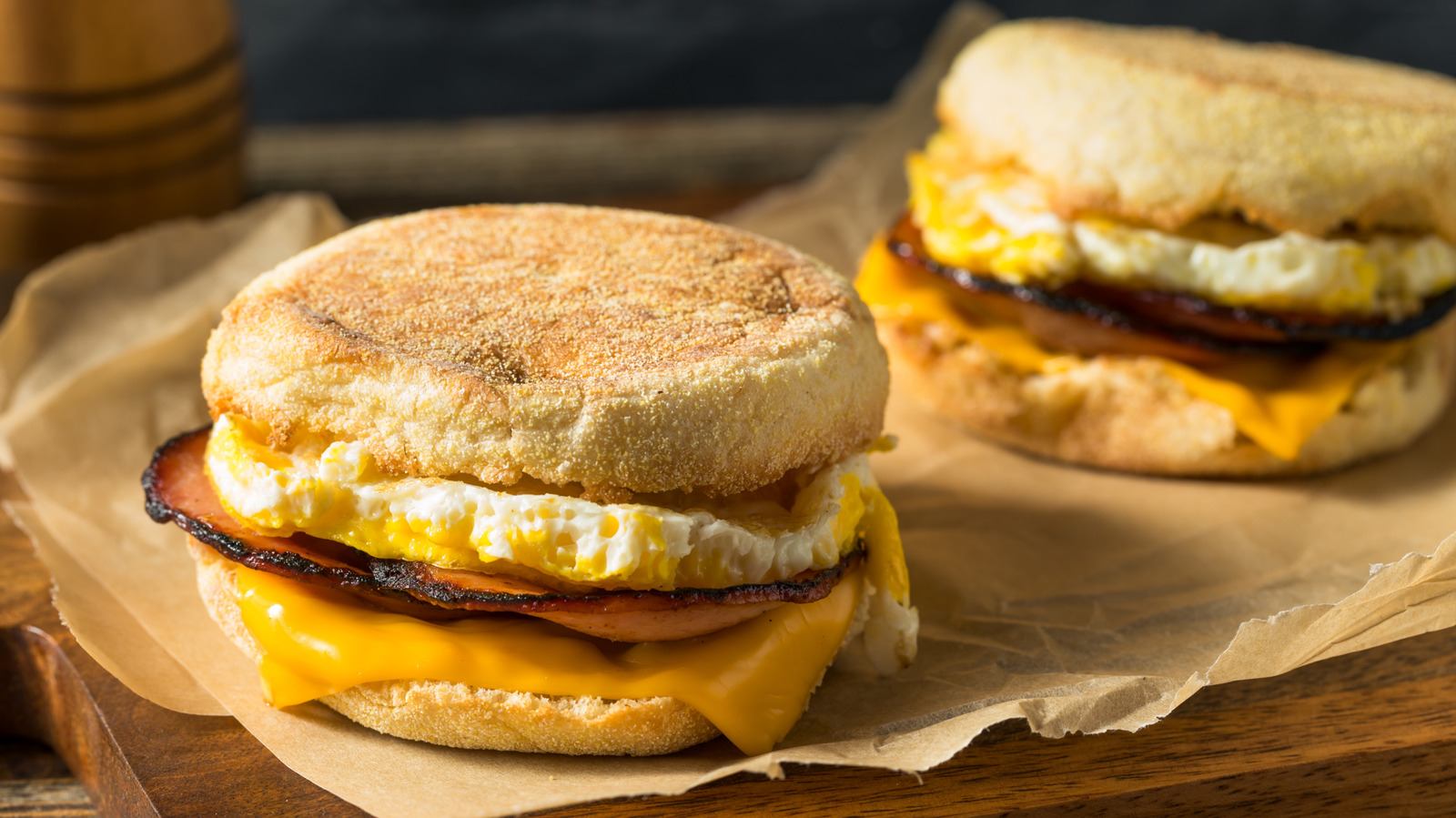
- 1969-1971: Jack in the Box introduces the "Breakfast Jack," followed shortly by McDonald’s iconic Egg McMuffin, setting the gold standard for the industry.
- 1977-1980: A wave of innovation sweeps the industry as Burger King, Bojangles, and Hardee’s launch their own morning menus, cementing the biscuit as a regional and national powerhouse.
- 1986: Chick-fil-A enters the fray, capitalizing on the Southern love for chicken-based breakfast items.
- 2020: Despite the global pandemic, Wendy’s successfully launches its fifth attempt at a permanent breakfast menu, proving that persistence and a streamlined strategy can capture a market even in uncertain times.
- 2026: The industry enters the "Value Era," with chains prioritizing bundled deals to combat economic headwinds.
The 13 Best-Value Breakfast Deals of 2026
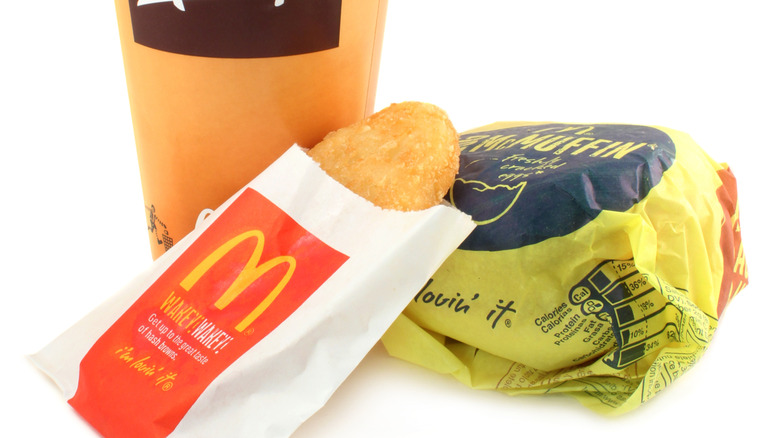
1. McDonald’s Sausage McMuffin/Biscuit Deal
McDonald’s remains the undisputed heavyweight, commanding over 35% of the 7 to 10 a.m. traffic. Their current $4 meal deal, featuring either a Sausage McMuffin or a sausage biscuit paired with a hash brown and a small beverage, is a masterclass in price-point psychology. It provides a familiar, high-value entry point for the average consumer.
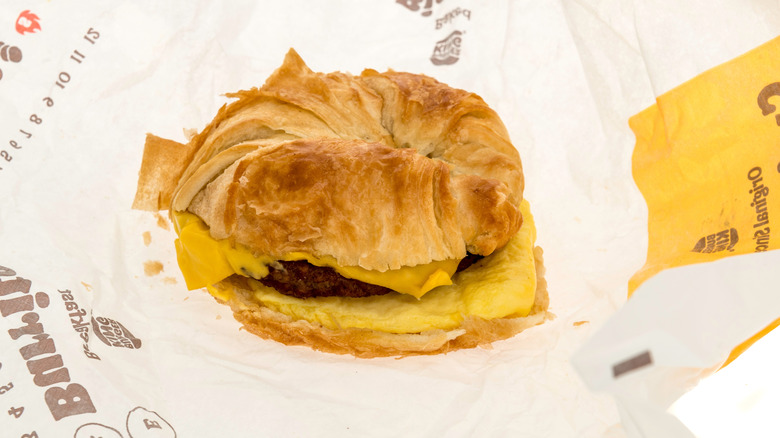
2. Burger King Mix n’ Match
Following their 1983 introduction of the Croissan’wich, Burger King has leaned into volume. Their "Single Mix n’ Match" allows diners to choose two sandwiches for $5, while the "Double" option offers an impressive caloric intake for $6. This strategy effectively creates a "buy-one-get-one" value proposition that is difficult for competitors to beat.
3. Wendy’s 2 for $3 Biggie Bundles
Wendy’s has successfully translated its "Biggie" philosophy to breakfast. By allowing customers to select two items—ranging from biscuits to seasoned potatoes and coffee—for just $3, they have created one of the most flexible and affordable morning menus in the industry.
4. Jack in the Box 2 for $5 Biscuits
Pioneers of the all-day breakfast, Jack in the Box offers a 2-for-$5 deal that provides a 30% discount over individual pricing. Their flexibility in serving breakfast at any hour of the day remains a primary driver for their demographic.
5. Dunkin’ $6 Meal Deal
Dunkin’ has successfully transitioned from a bakery-first mindset to a comprehensive breakfast stop. Their $6 deal, which includes a medium coffee and two Wake-Up Wraps, offers a 43% discount compared to ordering items à la carte, positioning them as the leader in the coffee-and-sandwich segment.
6. Bojangles Sausage Bo-Berry Biscuit Combo
Bojangles differentiates itself through the "sweet and savory" appeal of their Bo-Berry biscuits. While they don’t offer a flash-sale price, their consistent all-day combo pricing for less than $6 makes them a staple for those seeking a heavy, comforting Southern-style breakfast.
7. Taco Bell Grande Toasted Breakfast Burrito Combo
Taco Bell leverages its unique Cinnabon partnership and bold flavor profiles. At $7.79, their combo deal provides a substantial, non-traditional alternative to the standard egg-and-biscuit fare.
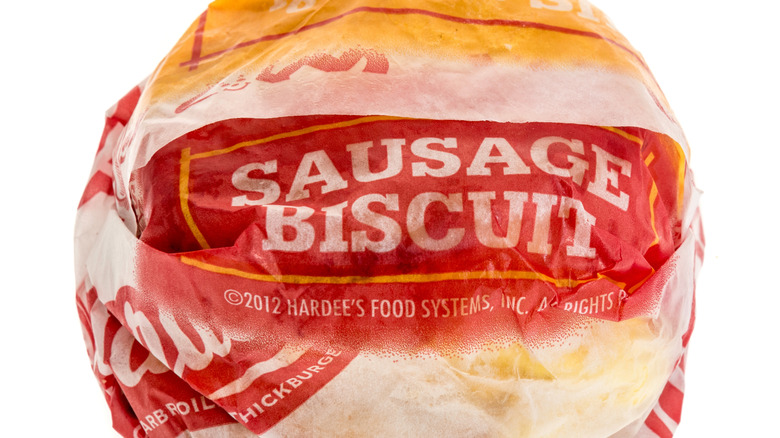
8. Hardee’s/Carl’s Jr. 2 for $5 Breakfast
With biscuits baked from scratch every 15 minutes, this chain focuses on quality. Their 2-for-$5 menu, which includes biscuits and gravy and cinnamon rolls, has defied expectations by remaining a fixture for years despite initial plans for it to be a limited-time offer.
9. Chick-fil-A Classic Chicken Biscuit Meal
Chick-fil-A manages to maintain premium status while keeping their chicken biscuit meal at a competitive $7.75. Their focus on high-quality service and customization makes this a top-tier choice for commuters.
10. Panera Bread Egg Sandwich Feasts
Panera targets the "family/office group" market with their $16.99 Egg Sandwich Feast, which includes four sandwiches. This strategy moves away from the single-diner model, capturing the catering and group-buying segments of the breakfast market.
11. White Castle Breakfast Toast Sandwich Combo
White Castle has effectively integrated its 24/7 business model with a combo deal that offers extreme convenience. Their toast sandwich combos and slider-based meals provide a compact, affordable solution for the late-night or early-morning crowd.
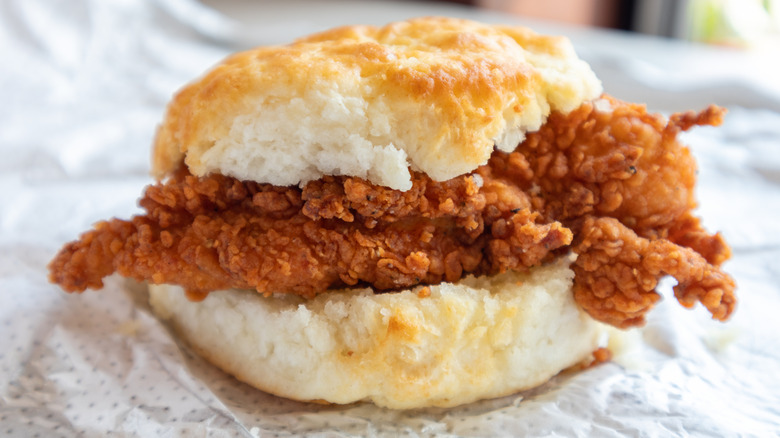
12. Whataburger Whatameals
In the Texas-heavy markets, Whataburger’s "Whatameals" offer a 20% savings on breakfast favorites like the Honey Butter Chicken Biscuit. It remains a regional titan, successfully defending its territory against national chains.
13. Einstein Bros. Bagels $8 Breakfast & Brew
Focusing on the specialty market, Einstein Bros. offers an $8 combo that provides a high-quality bagel sandwich and coffee. Their tiered approach to value, including the "Brunch for Two" option, caters to a more upscale, leisure-oriented breakfast crowd.
Implications for the Industry
The shift toward these aggressive breakfast deals suggests a long-term change in how QSRs view customer acquisition. No longer is a strong menu enough; operators must now provide "perceived value" that resonates with inflationary pressures.
Official Responses and Future Outlook
Industry experts suggest that these deals are not merely temporary fixes but a new baseline. Companies like McDonald’s and Wendy’s have indicated that digital loyalty apps will play an increasingly important role in personalizing these offers, ensuring that while the headline price remains low, the data gathered from the transaction provides long-term value to the brand.
Conclusion
As we look deeper into 2026, the "Breakfast War" has transitioned from a competition of novelty to a competition of efficiency. The chains that win will be those that can maintain the delicate balance of high-quality ingredients and irresistible, wallet-friendly pricing. For the consumer, this era of intense competition is a clear victory, offering a variety of high-value options that make the morning commute significantly more palatable.
 Raul Delapena Setiawan
  Basiran
  Nana
Nana 