
 By Nana Wu
In the rapidly evolving digital economy of 2025, the barrier between a browser and a buyer is defined entirely by the checkout experience. For small business owners, the choice of a payment system is no longer just a technical requirement—it is a strategic decision that directly impacts conversion rates, cash flow, and consumer trust. With an overwhelming number of providers flooding the market, selecting the right partner requires a rigorous assessment of fees, integration capabilities, and security infrastructure.
What Defines a Modern Payment System?
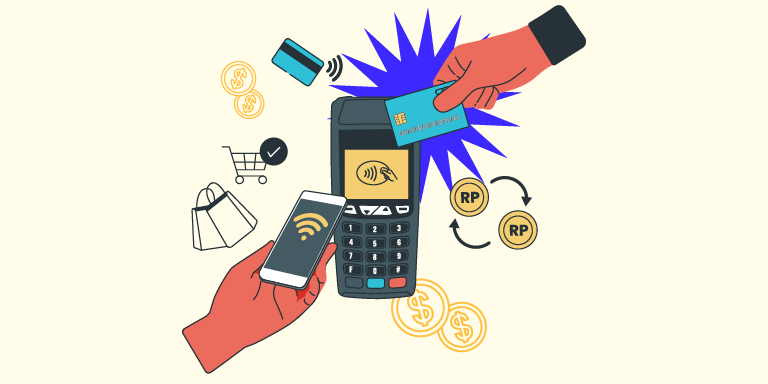
At its core, a payment system is the technological bridge between a merchant and a consumer. It encompasses the platforms, networks, and secure gateways that facilitate the transfer of capital in exchange for goods or services. These systems do more than just process credit cards; they manage data encryption, fraud mitigation, and the complex clearinghouse protocols that ensure funds move from a customer’s bank account to yours.
It is important to clarify what a payment system is not. It is not a bank, though it works in tandem with them. It is not an accounting platform, though it should integrate with your bookkeeping software. It is a specialized, high-security conduit designed to handle the velocity of modern commerce.
Strategic Selection: Key Factors for 2025
Before committing to a provider, entrepreneurs must evaluate their unique operational needs. Based on market analysis, the following five criteria are the primary benchmarks for success:
1. Payout Velocity
Cash flow is the lifeblood of a startup. While most major providers offer "next-day" or "two-day" payouts, the nuances matter. Look for systems that offer instant payout options if your business model relies on tight margins and rapid capital turnover.
2. The "Frictionless" Checkout
The modern consumer is impatient. A payment system that forces a user to navigate away from your website to complete a purchase can lead to a 20-30% increase in cart abandonment. Seamless, on-site checkout experiences are essential for maintaining high conversion rates.

3. Global Accessibility
Are you a local boutique or a global digital brand? If you operate internationally, you must ensure your payment gateway supports multi-currency processing and local payment methods common in your target regions.
4. Transparent Price Structures
The payment industry is notorious for "hidden" fees. Beyond the standard per-transaction percentage, you must account for monthly subscription fees, hardware costs, chargeback penalties, and international processing surcharges.
5. Institutional-Grade Security
Security is non-negotiable. Every provider on your shortlist must be PCI-DSS (Payment Card Industry Data Security Standard) compliant. This is the gold standard for protecting cardholder data and mitigating the risk of breaches.
The Top 6 Payment Systems for 2025
After evaluating functionality, developer support, and market reputation, we have identified the top six providers for small businesses this year.
1. Stripe: The Developer’s Choice
Stripe remains the industry leader for businesses that prioritize a seamless user experience.
- The Advantage: Its API is arguably the best in the industry. It allows for a completely customizable checkout flow, meaning the customer never has to leave your site.
- The Caveat: Because it is highly customizable, it can be technically daunting. If you lack in-house technical talent, you may need to hire a developer to optimize the setup.
- Best For: E-commerce startups and SaaS companies looking for a highly branded, professional checkout experience.
2. PayPal: The Trusted Household Name
PayPal continues to dominate because of its sheer brand recognition. For many consumers, seeing a "PayPal" button provides immediate reassurance.
- The Advantage: High consumer trust and universal accessibility. It is the most recognized digital wallet globally, which can significantly reduce hesitation for first-time buyers.
- The Caveat: Fees can be higher than competitors, and redirecting users to the PayPal site for checkout can lead to slight friction in the sales funnel.
- Best For: Businesses targeting older demographics or international markets where PayPal is the primary method of payment.
3. Authorize.net: The Legacy Powerhouse
As one of the oldest and most reliable gateways, Authorize.net offers a robust, enterprise-grade experience for small businesses that need stability above all else.
- The Advantage: Unmatched fraud protection and a highly stable, developer-friendly environment. It is widely compatible with nearly every shopping cart platform on the market.
- The Caveat: The interface feels dated compared to modern fintech startups, and the setup process is more involved than "plug-and-play" options.
- Best For: Established businesses that prioritize security and long-term reliability.
4. Amazon Pay: Leveraging Consumer Habits
By integrating Amazon Pay, you are allowing your customers to use the payment information already stored in their Amazon accounts.
- The Advantage: Frictionless. If a customer is already logged into Amazon, they can complete a purchase in seconds. This significantly boosts conversion rates.
- The Caveat: It is essentially an extension of the Amazon ecosystem. You are reliant on their policies, and it may not offer the granular control of a platform like Stripe.
- Best For: Retail-based e-commerce stores looking to lower their checkout time.
5. Square: The King of In-Person Payments
If your small business operates a physical storefront, pop-up market stall, or tradeshow booth, Square is the undisputed champion.
- The Advantage: The ecosystem is unparalleled. With their POS (Point of Sale) hardware, you can manage inventory, staff, and payments all in one place.
- The Caveat: While their online payment solutions have improved, they are still primarily optimized for physical retail rather than complex online enterprise operations.
- Best For: Brick-and-mortar stores, cafes, and mobile businesses that need hardware-integrated payments.
6. SecurePay: The Versatile Alternative
SecurePay provides a comprehensive suite of payment options, making it a strong contender for those who want to avoid the "big tech" giants.
- The Advantage: Excellent customer support and a user-friendly API that integrates well with less popular e-commerce platforms. Their free trial allows for testing without upfront commitment.
- The Caveat: Brand recognition. Because it lacks the household name status of PayPal or Amazon, new customers might be slightly more hesitant to input their details.
- Best For: Startups and niche businesses that need a flexible, affordable entry point.
Navigating the Future of Payments: Implications for Entrepreneurs
The shift toward mobile-first and contactless payments is no longer a trend; it is the standard. As we move through 2025, the implications for your business are clear:
- Omnichannel Integration: Your payment system must sync seamlessly across your online store and your physical location. Data fragmentation is the enemy of efficient accounting.
- Fraud Mitigation: As AI-driven fraud becomes more sophisticated, relying on your payment provider’s built-in security features is essential. Never store credit card numbers on your own servers.
- Customer Trust: Payment choices are a form of branding. A slow, buggy, or unfamiliar checkout interface sends a signal of unprofessionalism. Choose a provider that your customers trust.
Frequently Asked Questions
Q: What is the single most important factor when choosing a payment processor?
A: It is a balance between conversion and cost. If your checkout is slow, you lose sales. If your fees are too high, you lose profits. Prioritize "Ease of Payment" first to capture the sale, then negotiate volume rates as you scale.
Q: Do I need a merchant account?
A: Modern Payment Service Providers (PSPs) like Stripe and Square act as aggregators, meaning they provide a "sub-merchant" account, which is much easier to set up than a traditional bank merchant account.
Q: How do mobile wallets like Apple Pay affect my business?
A: They are essential. Mobile wallets use tokenization, which is more secure than traditional card swipes, and they provide the fastest checkout experience possible. Ensure your chosen system supports NFC and mobile wallet integrations.
Disclaimer: The pricing and features mentioned in this article were accurate as of early 2025. Payment processing fees are subject to frequent changes based on volume, geography, and regulatory shifts. We strongly recommend visiting the official websites of these providers to view the most current fee structures before making a final decision.
 Neng Nana
  Basiran
  Azzam Bilal Chamdy