
 By Evan Lee Salim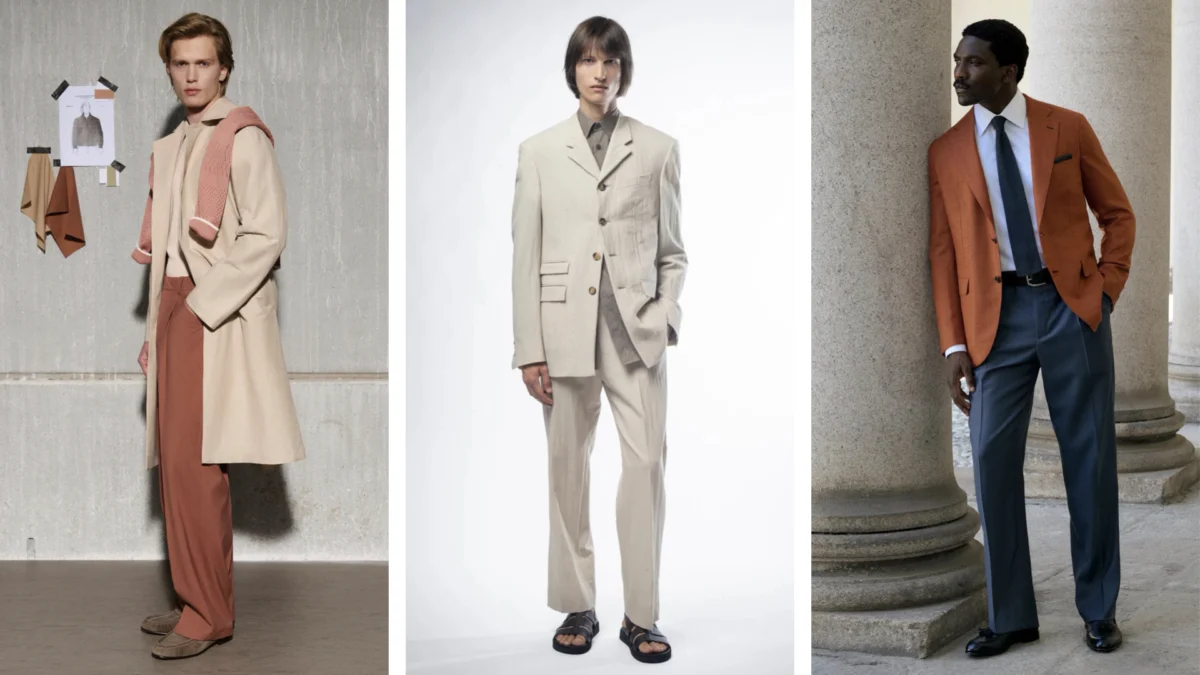
The Spring 2027 edition of Milan Men’s Fashion Week has drawn to a close, leaving behind a clear, unified directive for the modern gentleman: the era of rigid, structured formality is being decisively supplanted by a new, sophisticated "nonchalance." Across the city’s most storied palazzos and intimate showrooms, the prevailing narrative was one of tactile luxury, radical comfort, and a return to the artisanal roots that define the "Made in Italy" gold standard.
From the stately courtyard of the Palazzo del Senato to the sun-drenched rooftops overlooking the Duomo, the collections presented a cohesive vision for the upcoming season. Designers are increasingly pivoting toward featherlight fabrics, deconstructed silhouettes, and a color palette that draws heavily from the natural world—spices, stones, and the Mediterranean landscape.
The Maestria of Bespoke: Brioni’s Roman Vision
At the heart of the week’s discourse was Brioni, which used the event to unveil its "Maestria" initiative. Hosted at the majestic Palazzo del Senato, the presentation was a masterclass in elevating the bespoke experience. By extending personalization across all categories—from knitwear and shirts to footwear and leather goods—Brioni is reinforcing its status as a total-look luxury house.

The collection was a direct love letter to the brand’s Roman heritage. The color palette, anchored by "Rosso Roma" and a deep "Trevi blue," provided a vibrant backdrop for an array of deconstructed silhouettes. The standout piece, the unlined, double-breasted Soffio blazer, perfectly encapsulated the season’s mood. Crafted from water-repellent light nubuck and finished with gold buttons, it was styled over a knit polo, signaling a move toward ease that does not compromise on architectural integrity.
A Global Odyssey: Canali’s Spice Route
In a highly anticipated debut, creative director Alessio Lillocci unveiled his first collection for Canali. Titled "The Spice Route," the collection served as a sartorial journal, tracing a path from the Indonesian Maluku islands to the rugged coasts of Greece and the Sicilian shores of Alicudi.
Lillocci, whose pedigree includes tenures at Brunello Cucinelli and Prada, demonstrated a deft hand with color. He translated the hues of nutmeg, ginger, cinnamon, and vanilla into a sophisticated, wearable wardrobe. The collection’s strength lay in its refusal to be overly formal; tailored suits were softened by the inclusion of suede jackets and knit polos, reinforcing the season’s overarching theme of "effortless elegance."

Caruso’s Chromatic Return
After a decade-long hiatus, Caruso made a triumphant return to the official Milan calendar. Under the guidance of creative director Max Kibardin and with the backing of CEO Marco Angeloni, the brand aimed for—and achieved—a high-impact presentation. Inspired by the still-life photography of Irving Penn, the collection was a study in texture and color.
Kibardin successfully imbued a linen herringbone jacket with the aesthetic of frozen blueberries, while the use of dusty pinks—reminiscent of Penn’s iconic poppies—provided a refreshing, avant-garde touch to traditional tailoring. With plans to double the brand’s size over the next three years, Caruso is positioning itself as a primary player in the luxury market, focusing on crisp cutting and fluid fabrics that appeal to a younger, more daring demographic.
Kiton and the Transparency of Craft
For Kiton, the focus this season was on "The Truth of Making." CEO Antonio De Matteis opted to keep the cinema-theater setting introduced in January, screening the short film La Verità del Fare to provide guests with an unvarnished look at the hand-craftsmanship behind the label.

The Spring 2027 collection featured lengthened, softened silhouettes that prioritized comfort without sacrificing the brand’s reputation for elite quality. Linen was the protagonist, appearing in everything from suits to cashmere blends. As the brand continues to expand its accessories division, the introduction of deerskin loafers and canvas-and-leather bags underscores a strategy focused on the holistic lifestyle of the Kiton customer.
Digital Innovation and Sartorial Heritage: Corneliani
Corneliani bridged the gap between tradition and the future by hosting a presentation that utilized AI-generated imagery. Within its headquarters, video walls displayed avatars walking through varied landscapes, a modern framing for a collection that remained firmly rooted in sartorial excellence.
The brand’s "dapper explorer" aesthetic was punctuated by functional details. Standout pieces included unlined wool and mohair blazers, and, notably, a move away from the traditional jacket toward parkas and blousons crafted from silk and cotton. An inventive take on seersucker—rendered in ripple wool dyed at high temperatures—offered a fresh perspective on a classic summer fabric.

Pal Zileri: Loosening the Tie
Pal Zileri embraced the spirit of the "golden hour," hosting its presentation on a 16th-floor rooftop with panoramic views of Milan. CEO Carlo Anceschi, who joined the brand in February, made it clear that the brand is moving toward a more versatile, multi-occasion wardrobe.
The collection featured linen and leather safari jackets, denim Bermudas, and relaxed knitwear. By styling its formal, full-canvas suits with loosened ties, the brand signaled a shift toward a lifestyle-oriented approach. With the backing of the Qatari fund Mayhoola, Pal Zileri is aggressively pursuing a direct-to-consumer expansion, with new freestanding stores planned for key global capitals.
Lardini: Pragmatism and Geologic Inspiration
Lardini presented a concise, highly functional collection inspired by the colors of natural stones. Partnering with the design firm Parasite 2.0, the brand created a geology-lab atmosphere that perfectly complemented the collection’s focus on layering.

Creative director Luigi Lardini emphasized the "pragmatic" nature of the pieces, from suede jackets with stand-up collars to bomber jackets in frescolana. The brand also marked a significant evolution in its portfolio with the introduction of its first range of leather goods, manufactured in Japan—a market that has long been a pillar of the brand’s international success.
Eleventy’s Milestone and Venice-Inspired Palettes
As Eleventy approaches its 20th anniversary in 2027, the brand celebrated with a musical presentation at the Four Seasons Hotel. Creative director Marco Baldassari drew inspiration from the artistic legacy of Venice, creating a collection that juxtaposed signature neutrals with bold pops of mustard yellow and cherry red.
The collection also included two dedicated capsules: "The Indigo Blue," which focuses on dressy denim and casual linen, and "Active Moments," which elevates leisurewear with ultra-light sneakers and technical fabrics. The move toward mandarin collars and kimono-inspired silhouettes indicates a broader trend toward non-Western influences in Italian luxury tailoring.

Cesare Attolini: The Globe-Trotting Aesthetic
Cesare Attolini looked to the past to inform the future, drawing inspiration from the 1930s Neapolitan sensibility infused with British tailoring. The collection was a tribute to the "globe-trotting wealthy," with field jackets in pure silk and suits in a palette of sand and tobacco.
The collection successfully captured the "vacationer’s aesthetic" of Capri and Saint Tropez, utilizing baby blues, lilacs, and dusty pinks. By reinterpreting the houndstooth motif in chic overshirts and emphasizing textured skipper polos, Attolini solidified its place as the definitive choice for those who value heritage-driven luxury in a modern context.
Implications for the Global Luxury Market
The overarching theme of this season’s Milan Men’s Fashion Week is the definitive transition of "luxury" from a status symbol defined by rigidity to a state of being defined by ease. The industry is moving toward a "total look" model, where the distinction between formal and leisure wear is increasingly blurred.

Furthermore, the emphasis on transparency—seen most clearly in Kiton’s pipeline and the artisanal focus of Brioni and Lardini—suggests that the modern luxury consumer is no longer satisfied with mere aesthetics. They demand a narrative. They want to know the origin of the fiber, the history of the cut, and the human hands behind the stitch.
As these brands navigate the next few years, the combination of digital storytelling (as seen with Corneliani) and traditional craftsmanship will be the primary engine of growth. With major expansion plans from brands like Caruso and Pal Zileri, the Italian menswear sector is not just surviving; it is actively shaping the future of global fashion through a blend of profound history and agile, forward-thinking strategy. The "nonchalant" attitude that defined this week’s runways is not an indication of laziness, but rather the ultimate sign of confidence—a testament to a fashion industry that is entirely at ease with its own excellence.
 Nana Muazin
  Nana
Nana  Ali Ikhwan