
 By Basiran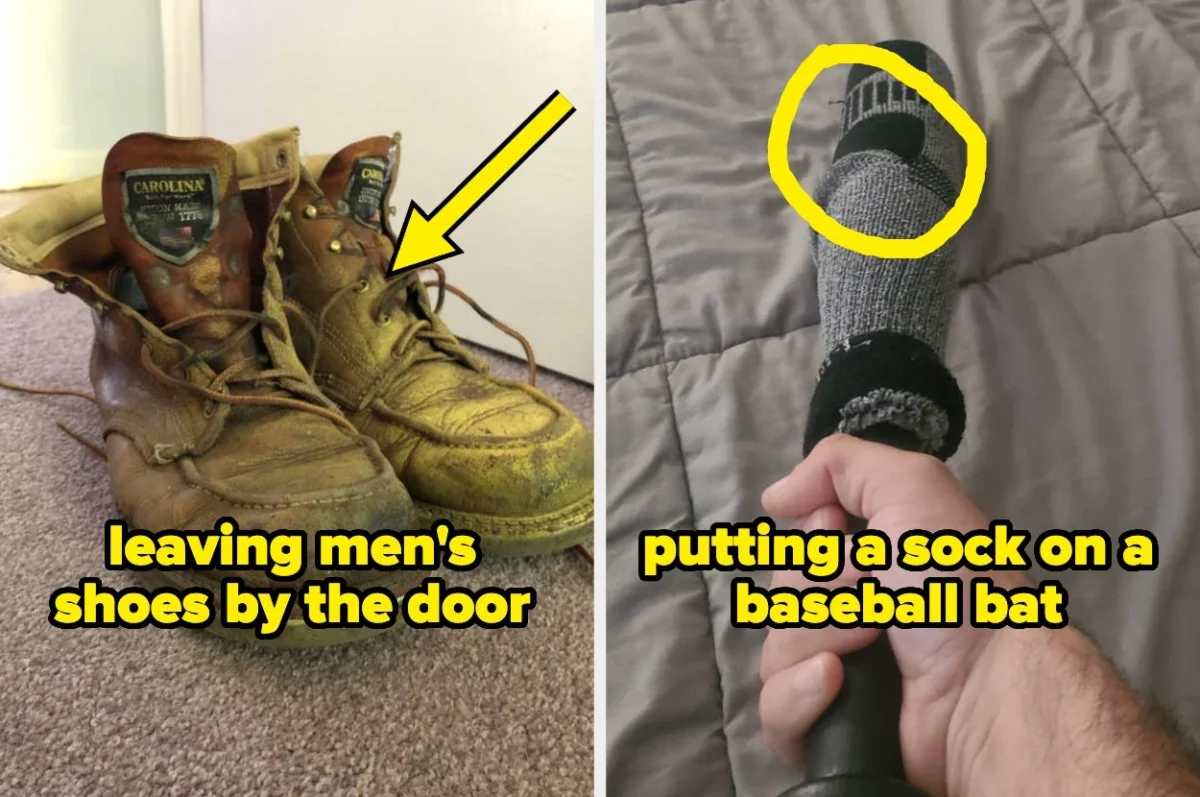
For millions of women worldwide, the choice to live alone represents a significant milestone of independence and personal autonomy. However, this lifestyle often comes with an unspoken, heavy tax: a constant, vigilant awareness of personal safety. In an era where security concerns remain a persistent reality for women living solo, the desire to cultivate a "sanctuary" at home has led to a robust exchange of practical, sometimes ingenious, and occasionally unconventional defense strategies.
Recent discussions within the BuzzFeed community have shed light on the pervasive nature of these safety rituals. From psychological deterrents to tactical home modifications, women are not just waiting for systemic change—they are actively engineering their environments to ensure their peace of mind.
The Psychological Architecture of Deterrence
One of the most recurring themes among women who live alone is the concept of "perception management." By creating the illusion of a household that is occupied by multiple people—or, more specifically, by a man—many women report feeling significantly safer.
Crafting the "Illusion of Presence"
The psychological deterrent is often the first line of defense. Simple, low-cost modifications can alter how a home is perceived by potential intruders:
- Visual Cues: Leaving worn-in men’s work boots on a porch or near an entryway suggests a masculine presence. Similarly, displaying body-building magazines or keeping a heavy dog chain and muzzle near the door acts as a non-verbal warning that a large, potentially dangerous animal resides within.
- Auditory Tactics: When answering the door, some women adopt the habit of shouting, "John, the delivery is here!" to establish the presence of another adult. Others use voice-activated home assistants or answering machines that use "we" phrasing, ensuring that any unwanted solicitor assumes the resident is never truly alone.
Exterior Hardening
Home security is not just about locking doors; it is about controlling the environment around the perimeter.
- Lighting: Motion-activated exterior lights are widely considered essential. As noted by many contributors, the goal is to eliminate dark corners where an intruder could linger undetected.
- Physical Barriers: The importance of storm doors cannot be overstated. By keeping a secondary, locked barrier between the resident and the outside world, women can engage with visitors—such as delivery personnel or service workers—without fully exposing their interior space.
Tactical Preparedness: Beyond the Basics
While psychological deterrents aim to prevent confrontation, many women are taking a proactive, tactical approach to home security. This includes the strategic placement of tools and the hardening of home entry points.
Strategic Weaponry and Defense Tools
The debate over home defense often touches on the use of weapons. For those who choose this route, accessibility and training are paramount.
- Everyday Items as Defense: Not every safety tool requires a permit. Many women suggest keeping a fire extinguisher by the bed—a dual-purpose tool that can suppress a fire and provide a heavy, blunt-force object for defense. Others utilize long-range deterrents like industrial-strength wasp spray, which can be effective from up to 30 feet away, providing distance between the victim and an attacker.
- Tactical Placement: The "Baseball Bat Hack" is a common piece of advice: sliding a long sock over a bat. The theory is that if an attacker attempts to grab the bat during a struggle, they will simply pull the sock off, allowing the resident to retain their grip and continue defending themselves.
- Hardening Entry Points: Small, practical changes, such as marking the "locked" position on deadbolts with a marker, ensure that in moments of high stress, there is no ambiguity about the state of a lock. Furthermore, unplugging garage door openers at night prevents the use of "code grabbers" or universal remotes that could bypass modern electronic locks.
Chronology of Safety: Maintaining Vigilance in Daily Life
Safety does not begin or end at the front door. For women living alone, safety is a 24-hour cycle that requires consistent habits.
- Transitioning from Public to Private: Many women have developed "parking rituals." Backing into a garage before unlocking the vehicle prevents the possibility of being surprised from the outside.
- The "No-Key" Strategy: Using keyless, code-based entry systems minimizes the time spent fumbling for keys at the doorstep—a moment of peak vulnerability.
- Navigating the Public Sphere: The journey home is often more dangerous than the home itself. Strategies include varying daily routes to prevent tracking, moving to the opposite side of the sidewalk when passing parked vehicles to avoid being grabbed, and, in extreme cases, creating a "public scene" (such as talking to an imaginary person) to deter potential stalkers.
- Nighttime Protocols: Whether it is checking the house for intruders or ensuring that windows are secured, the end of the day often involves a checklist that provides the mental closure necessary for a restful night.
Official Perspectives and Professional Advice
Law enforcement officials and security experts generally support the idea of "layered defense." A security expert might describe this as a system where each layer—from exterior lighting to deadbolts and, finally, to internal defense—is designed to slow down an intruder and give the occupant time to call for help.
Police departments frequently recommend the following for solo residents:
- Situational Awareness: Always checking surroundings before exiting a vehicle or entering a home.
- Technology Integration: Modern video doorbells and camera systems provide a significant psychological and evidentiary advantage.
- Professional Training: Many women are turning to programs like R.A.D. (Rape Aggression Defense) or tactical firearms training. The consensus among those who have sought training is that the confidence gained through skill acquisition is just as important as the physical tools themselves.
The Broader Implications: A Call for Systemic Change
The sheer volume of tips shared by women—ranging from the practical to the desperate—reveals a troubling societal implication: the burden of safety is currently placed almost entirely on the individual.
When women have to keep machetes under their beds, mark their locks with markers, or yell at imaginary companions to reach their front doors safely, it highlights a failure in broader societal safety. The "safety tax"—the time, money, and mental energy spent on these precautions—is a significant barrier to the equality and freedom that should be inherent in modern life.
The Way Forward
While these tips offer immediate, tangible relief for women living alone, they also serve as a reminder that the environment must change. Community policing, better urban lighting, and a cultural shift toward respecting the autonomy of women are necessary long-term goals.
Until that happens, the collective knowledge shared by these women remains a vital lifeline. By sharing these experiences, they are not only protecting themselves but also building a community of support that acknowledges the reality of their situation. Whether through a simple pair of work boots or advanced self-defense training, these women are reclaiming their right to live safely, independently, and on their own terms.
Note: The strategies mentioned in this article are based on community-sourced suggestions. Safety experts emphasize that any defensive measures should be researched thoroughly and that personal safety should prioritize situational awareness and the ability to escape a dangerous situation above all else.
 Lina Irawan
  Layla Zulfa
  Asep Darmawan