
 By Muslim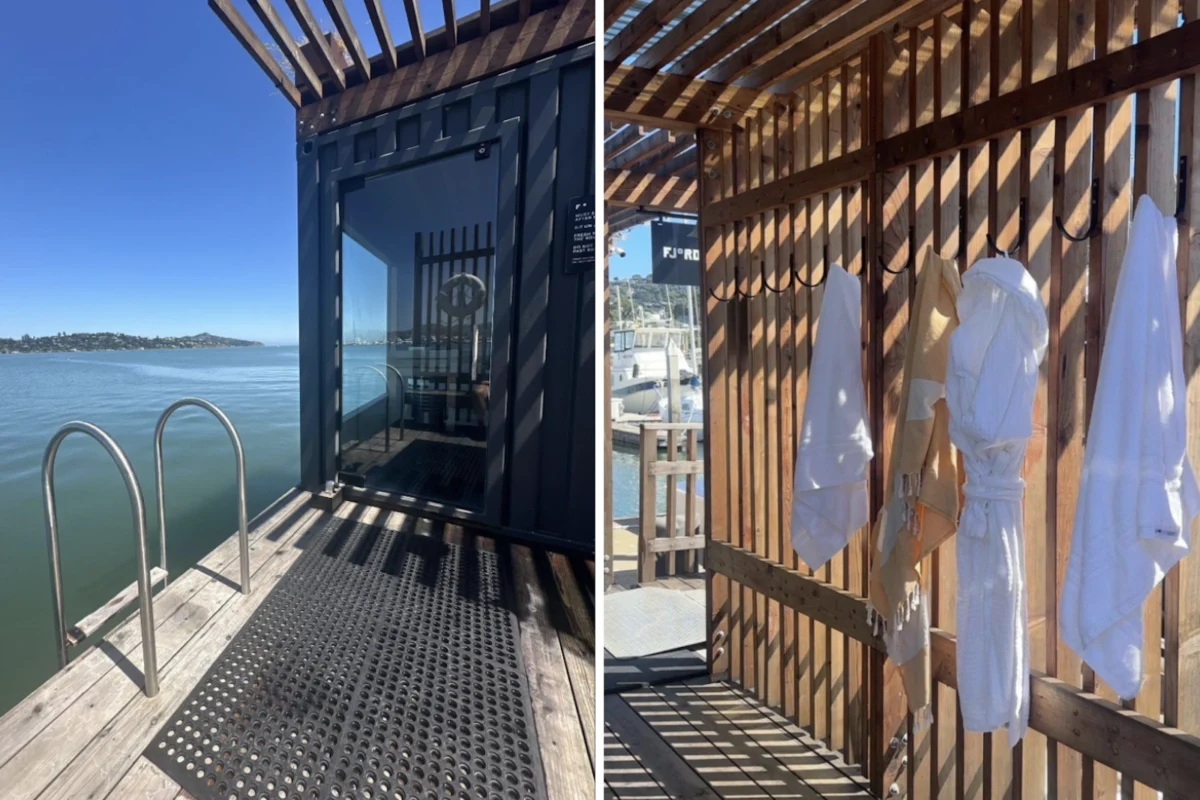
San Francisco has always been a city of layers—geological, historical, and cultural. For many, the city is a collection of fleeting memories: the scent of salt air, the steep incline of a cable car, or the biting chill of a sudden fog bank. Yet, for those seeking a sanctuary that captures the city’s evolving spirit, the Four Seasons Hotel San Francisco at Embarcadero offers a vantage point like no other. Occupying the final 11 floors of the iconic 345 California Center, this architectural marvel has redefined the concept of "urban luxury," providing a serene, cloud-level retreat from which to navigate the complexities of the modern Bay Area.
Main Facts: The Skyline Sanctuary
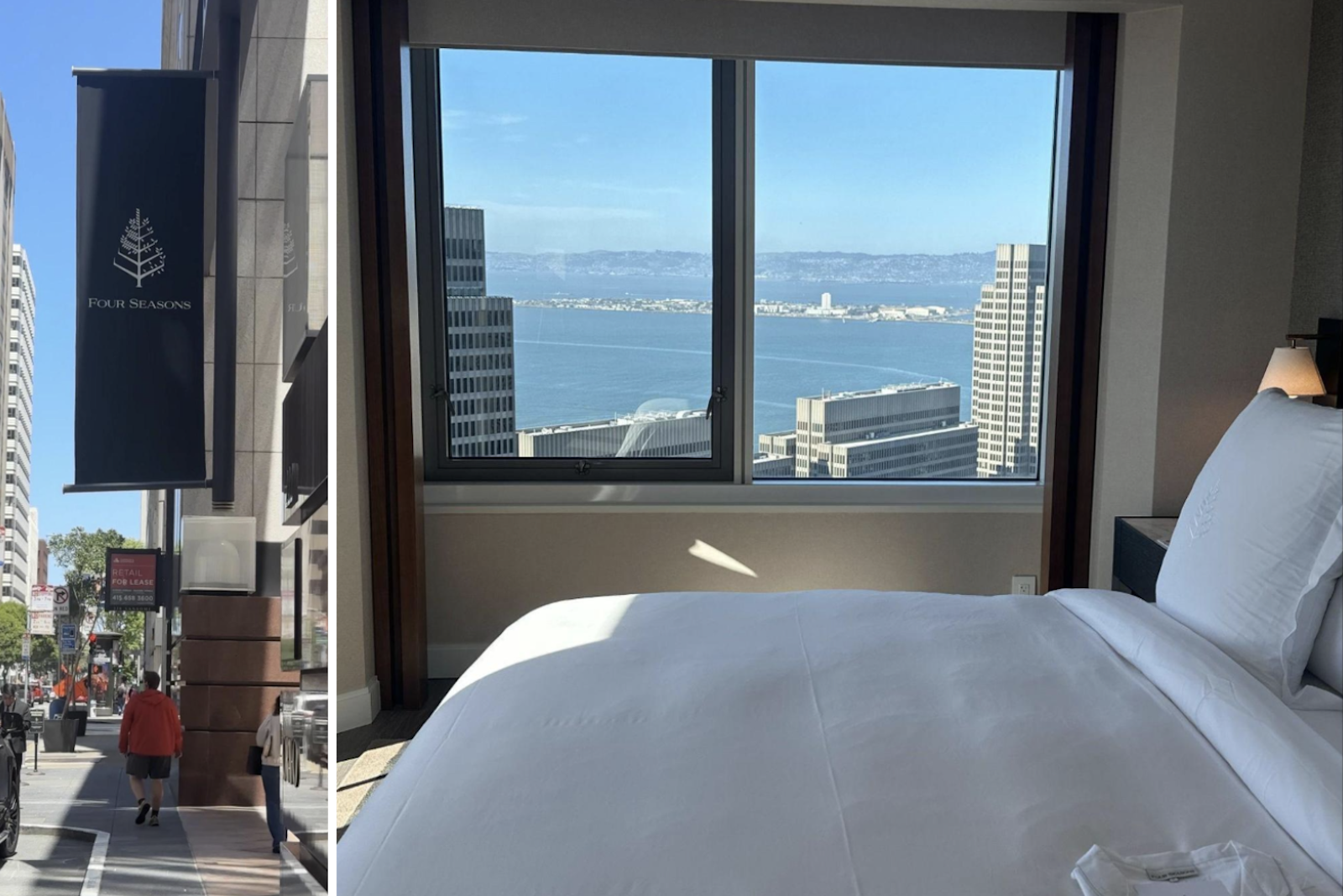
Standing 48 stories tall, the 345 California Center serves as a beacon in the Financial District. The Four Seasons, which claims the top 11 floors (levels 38 through 48), offers 155 rooms and suites that are arguably the most elevated in the city.
The hotel is not merely a place to sleep; it is a testament to sustainable luxury. Since its inception, the property has garnered two Michelin Keys, a reflection of its commitment to service, design, and environmental stewardship. With room rates starting at approximately $670, guests are paying for more than just a bed; they are purchasing access to an 800-square-foot terrace in the sky, panoramic views of the Bay, and a curated immersion into Northern California’s art scene. From the lobby’s "Ohlone" sculpture by Guy Dill to the personalized postcards mailed by staff, the hotel acts as a bridge between the city’s indigenous history and its high-tech present.
Chronology: A Weekend of Discovery
The experience of a "long weekend" in San Francisco is best measured not by the clock, but by the rhythm of the city.
Friday: The Ascent
Upon arrival, the sensory transition is immediate. After relinquishing a vehicle to the valet, the ascent to the 43rd floor provides a visceral shift in perspective. The San Francisco Bay, often obscured at street level by the density of the Financial District, suddenly opens up in a grand, cinematic sweep. The bridges appear as delicate stitches across the dark water, while the fog acts as a living, shifting curtain.
Saturday: The City’s Pulse
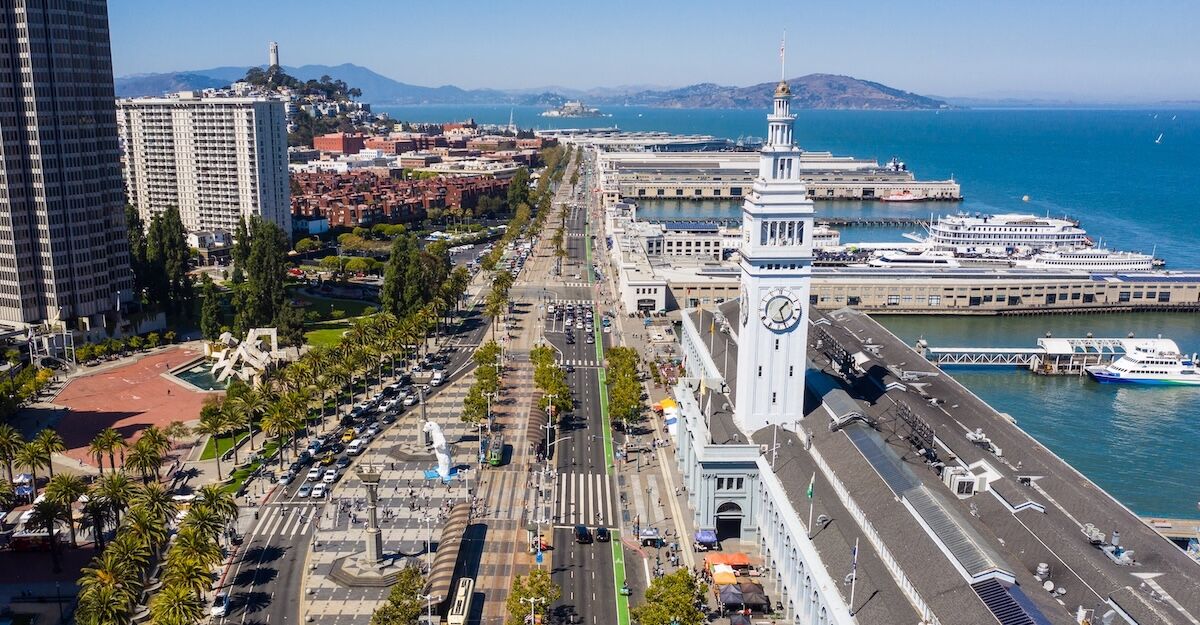
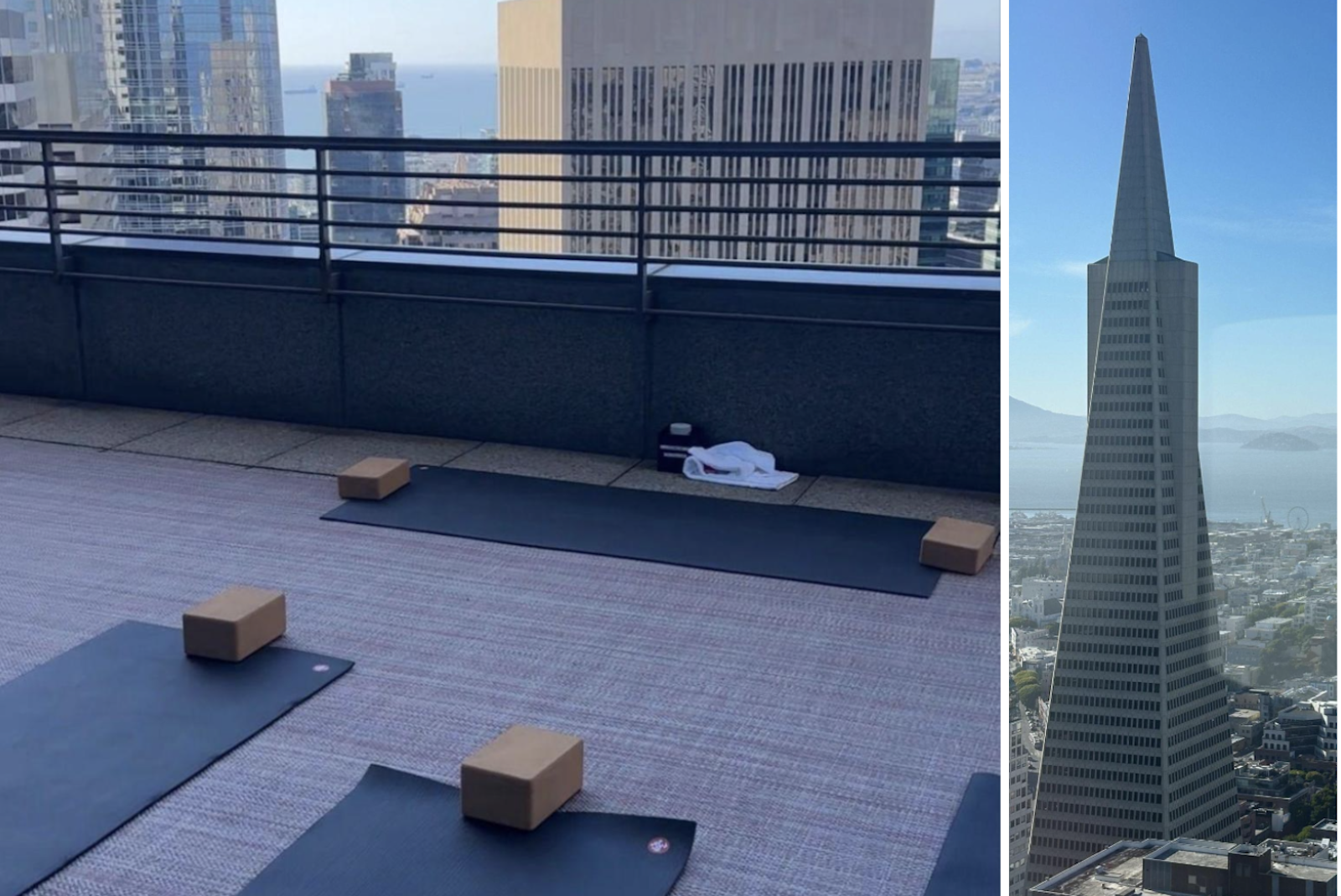
The day begins with "Sky Flow Yoga" on the 40th-floor terrace, a partnership with Nob Hill Yoga that invites guests to practice amidst the skyline. Following a morning of movement, the journey leads to the Ferry Building. This 660-foot waterfront monument, topped with a clock tower frozen in time—a permanent reminder of the 1906 earthquake—remains the heartbeat of the city. Whether browsing Dandelion Chocolate or the eclectic Pickwick Vintage Show, visitors find that the Ferry Building serves as a microcosm of San Francisco’s resilience.
Sunday: The Cold Plunge
The weekend concludes with a journey toward the Sausalito waterfront to visit Fjord. Here, the experience shifts from the comfort of the hotel to the raw elements of the Pacific. A session in a redwood-clad Finnish sauna, punctuated by a plunge into the 55-degree waters of Richardson Bay, serves as a symbolic cleansing. It is a moment of reconciliation with the city—a realization that San Francisco, despite its reputation for being challenging, is a place that rewards those willing to brave the cold and embrace the view.
Supporting Data: Sustainability in Practice
In an era where "greenwashing" is prevalent, the Four Seasons at Embarcadero stands out for its tangible sustainability initiatives. The hotel’s commitment is evidenced by:
- Waste Reduction: The removal of single-use plastics is absolute. Guests are provided with aluminum Open Water bottles and a manual pour-over coffee setup, eliminating the common nuisance of plastic pods.
- Energy Efficiency: The rooms feature classic, analog technology on the nightstand, preventing the phantom energy draw of modern charging stations and keeping the aesthetic free of distracting "blue light" clutter.
- Resource Management: The hotel employs a "third-night" linen policy and utilizes refillable Codage toiletries, which prioritize transparent, high-quality ingredients over chemical fillers.
- Fitness Integration: Beyond the 24-hour gym equipped with professional-grade TRX and squat racks, the hotel provides Manduka mats, weights, and resistance bands in-room, allowing for carbon-neutral exercise.
Dining: The Waste-Not-Want-Not Philosophy
The culinary scene in San Francisco is currently undergoing a "circular" revolution, and the Embarcadero area is at the epicenter.
- Orafo: Meaning "goldsmith," this on-site restaurant at the Four Seasons honors the city’s Gold Rush heritage. The menu emphasizes locally sourced proteins, such as the Ora King salmon, and precision-engineered sides.
- Terrene: Located at 1 Hotel, this establishment takes farm-to-table to the next level with an on-site rooftop garden and beehives. Their zero-waste cocktail program and focus on Napa Green-certified wines make it a primary destination for the conscious traveler.
- Shuggie’s: Located in the Mission District, Shuggie’s is the vanguard of the "upcycled food" movement. By utilizing food manufacturing byproducts and invasive species, the restaurant creates dishes that are as intellectually stimulating as they are delicious. The wild boar chop and "onion-peel Funyuns" are standout examples of how sustainability can be a catalyst for creativity.
- Wildseed: For the plant-based traveler, Wildseed offers a sophisticated take on seasonal produce. Their Mediterranean salads and plant-based chilaquiles prove that the absence of meat does not necessitate a sacrifice in flavor or satisfaction.
Implications: The Evolution of Urban Travel
The implications of the "Embarcadero experience" are clear: luxury is no longer defined by excess, but by intentionality. As travelers become increasingly aware of their environmental footprint, hotels like the Four Seasons are forced to pivot. The success of this property proves that guests are willing to pay for sustainability, provided it is integrated seamlessly into the luxury experience.
Furthermore, the integration of local art, historical acknowledgement (such as the homage to the Ohlone people), and community-based fitness programs suggests that modern luxury hotels are moving away from the "gilded cage" model. Instead, they are becoming hubs that encourage guests to engage with the city’s history, its challenges, and its future.
For the visitor, San Francisco remains a city of contrasts. It is a place of intense hills and flat horizons, of frozen clocks and cutting-edge tech, of 1970s-inspired bars and futuristic cold plunges. By staying at the pinnacle of the skyline, one gains a clearer view of these contradictions. The city may have a history of being difficult, but as the experience of the cold plunge at Fjord confirms, there is a profound peace to be found in the fog.
Whether one is exploring the vintage corridors of Haight Street or navigating the professional demands of the Financial District, the Four Seasons at Embarcadero provides a stable, luxurious, and highly conscious anchor. It reminds us that even in the most crowded of cities, there is always room to rise above the noise and find a moment of stillness, provided you know where to look.
 Layla Zulfa
  Lina Irawan
  Nana
Nana 