
 By Nana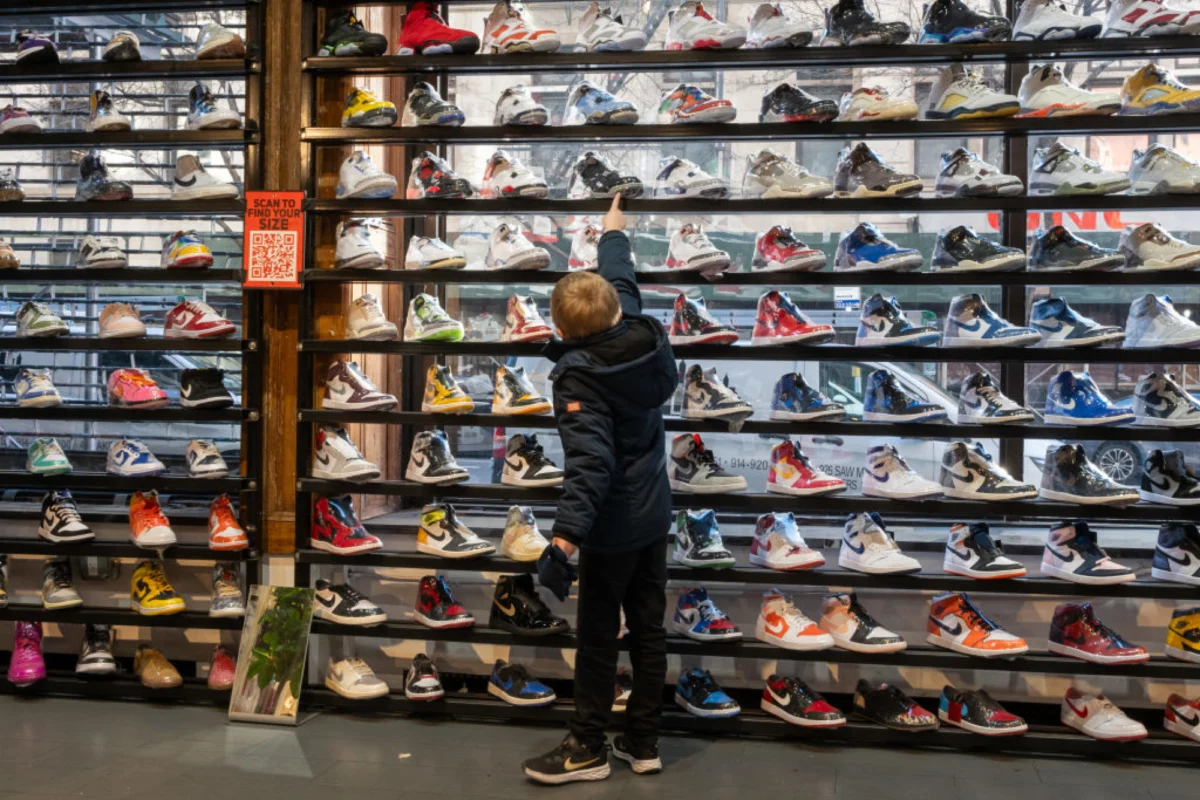
The annual back-to-school (BTS) ritual has undergone a seismic shift. No longer just a matter of purchasing notebooks and pencils, the season has evolved into a comprehensive consumer event where fashion, technology, and digital influence collide. According to the latest report from consultancy firm PwC, the average American household is now expected to shell out $922 for back-to-school needs—a staggering 47 percent increase from 2025 projections. As families prepare for the upcoming academic year, the data reveals that the focus of this spending has pivoted sharply away from traditional educational tools and toward a lifestyle-driven wardrobe.
The Financial Breakdown: A Shift in Priorities
Perhaps the most telling statistic from the PwC study—which surveyed 2,080 adults across the United States between May 20 and May 22—is the discrepancy between vanity spending and utility spending. Parents are now allocating an average of $278 toward apparel and footwear alone. To put that figure in perspective, it is more than double the amount spent on core school supplies such as backpacks, binders, pens, and notebooks, which are projected to cost families an average of $122.
Technology remains a significant, though secondary, expenditure. Families are budgeting an average of $222 for essential digital tools, including laptops, tablets, and high-quality headphones. This distribution of funds suggests that for the modern student, the "look" of the first day of school carries as much social currency as the supplies required for the curriculum.
The financial burden is further underscored by the fact that three out of four families report spending at least $100 on clothing and shoes. This represents a significant departure from the sentiment observed just one year ago.
A Chronology of Consumer Confidence
To understand the current spending landscape, one must look at the trajectory of the past 24 months. In the year-ago survey, the atmosphere was defined by hesitation and restraint. Nearly 30 percent of parents expressed an intent to keep clothing and shoe budgets under $100, and four in ten families were actively seeking ways to scale back their spending.
That period of caution was largely fueled by macroeconomic instability, specifically the fallout from reciprocal tariffs that impacted the retail sector. As trade tensions fluctuated, the cost of imported footwear and apparel surged, forcing families to prioritize "value" over brand preference or aesthetic desires. Retailers responded to this climate by leaning heavily into "buy-one-get-one" (BOGO) promotions, free shipping, and loyalty point incentives to attract price-sensitive shoppers.
However, the 2025-2026 cycle has seen a dramatic recovery in consumer confidence. Despite persistent inflationary pressures, families have signaled a willingness to absorb higher costs, driven perhaps by the normalization of these elevated price points and a stronger desire to refresh their children’s wardrobes.
The Emerging Role of the Student Consumer
A major driver of the current spending surge is the democratization of the shopping process. PwC’s findings reveal that 61 percent of parents are now inviting their children—ranging from pre-K to high school seniors—to take a direct, active role in the online shopping experience.
This shift has profound implications for brand loyalty and retail strategy. When students are the ones clicking "add to cart," they are often influenced by digital trends, social media aesthetics, and peer networks rather than traditional parental value assessments. As these students shape the choices for clothing, footwear, and even tech accessories, retailers are finding it increasingly necessary to target the end-user rather than the primary purchaser.
Digital Frontiers: Where, When, and How Families Shop
The shopping window for the BTS season remains compressed but intense. Seventy-one percent of families plan to finalize their purchases within a two-month window leading up to the first day of school.
The battle for the consumer’s wallet is being fought on multiple fronts:
- The In-Store Experience: While still a staple of the season, in-store shopping is seeing a decline. This year, 70 percent of parents intend to shop at brick-and-mortar locations, a noticeable drop from the 79 percent recorded just last season.
- The Digital Marketplace: Online channels are successfully capturing the volume migrating away from physical stores. Sixty-seven percent of parents plan to utilize major online marketplaces, while 49 percent are opting to shop directly through brand-owned websites to ensure authenticity and access to exclusive collections.
- The Social Frontier: Perhaps most interestingly, 23 percent of shoppers are turning to social media platforms and influencer-led content to discover products. This "social commerce" trend suggests that the traditional department store display is increasingly being replaced by the curated feed.
The AI Revolution in Household Budgeting
Perhaps the most notable evolution in the retail landscape is the integration of artificial intelligence into the family shopping journey. Use of AI for BTS shopping has surged, with 73 percent of families now reporting that they leverage AI-powered tools at some stage of their planning.
These tools are not merely being used for price comparison. Families are employing AI to:
- Conduct Deep Research: Comparing specifications for laptops and durability ratings for footwear.
- Budgeting Assistance: Using algorithmic tools to manage the $922 average spend across multiple categories.
- Deal Hunting: Twenty-three percent of parents specifically credit AI with helping them find discounts and coupons that would have otherwise been missed in the vast online marketplace.
As AI becomes more sophisticated and accessible, its role in the BTS season is likely to expand from a helpful assistant to an essential navigator, guiding families through the noise of thousands of product options.
Strategic Implications for the Retail Industry
The data provided by PwC offers a clear roadmap for brands and retailers looking to capitalize on this high-stakes season. The "winning" retailers will be those who recognize that the BTS shopper is no longer a monolith.
First, retailers must reconcile the gap between necessity and desire. With apparel and footwear dominating the budget, there is a massive opportunity for brands to leverage "back-to-school" collections as a lifestyle marketing play. High-quality visual storytelling, particularly on platforms favored by Gen Z and Gen Alpha, is no longer optional.
Second, the supply chain must be more resilient than it was during the tariff-heavy years. Price transparency and a clear value proposition are still required, but they are no longer the only factors. Today’s shoppers are looking for a seamless integration between their social media discovery and their checkout process.
Finally, PwC’s conclusion serves as a warning for those who fail to adapt: "Winning back-to-school shoppers means understanding everything that shapes their choices—from school requirements and household budgets to the social platforms, peer networks, and AI tools that increasingly suggest to students what they want before they ever walk into a store or open an app."
As the school bells prepare to ring, the retail industry is finding itself in a new era. The back-to-school season has officially graduated from a period of basic supply replenishment into a complex, technology-driven, and highly influential cultural event. For the American family, it is an expensive season—but one that they are approaching with more data, more digital tools, and more student agency than ever before.
 Nana Muazin
  Ali Ikhwan