
 By Ammar Sabilarrohman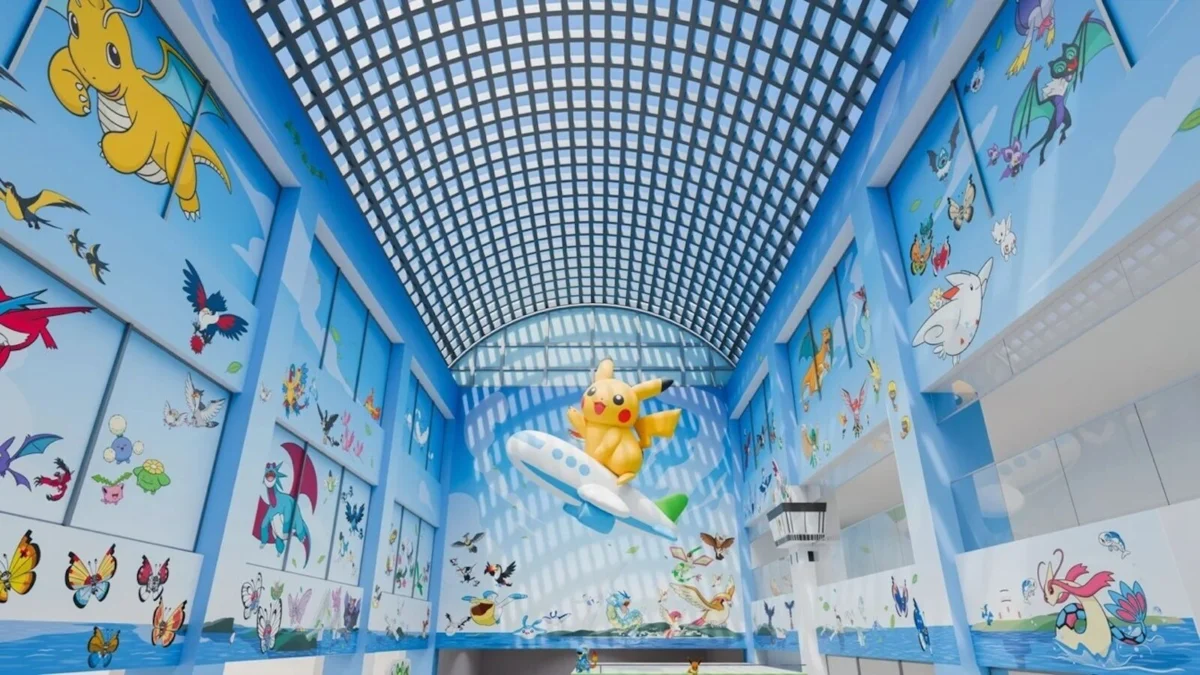
In a spectacular fusion of aviation, tourism, and pop culture, Japan’s Noto Airport has undergone a radical transformation. Moving far beyond the realm of simple wall decals or mascot cutouts, the facility has officially launched a comprehensive Pokémon-themed terminal. This initiative is not merely a branding exercise; it is a strategic effort to revitalize regional tourism and support community recovery in the wake of the devastating 2024 Noto Peninsula earthquake.
The Transformation: A Terminal Reimagined
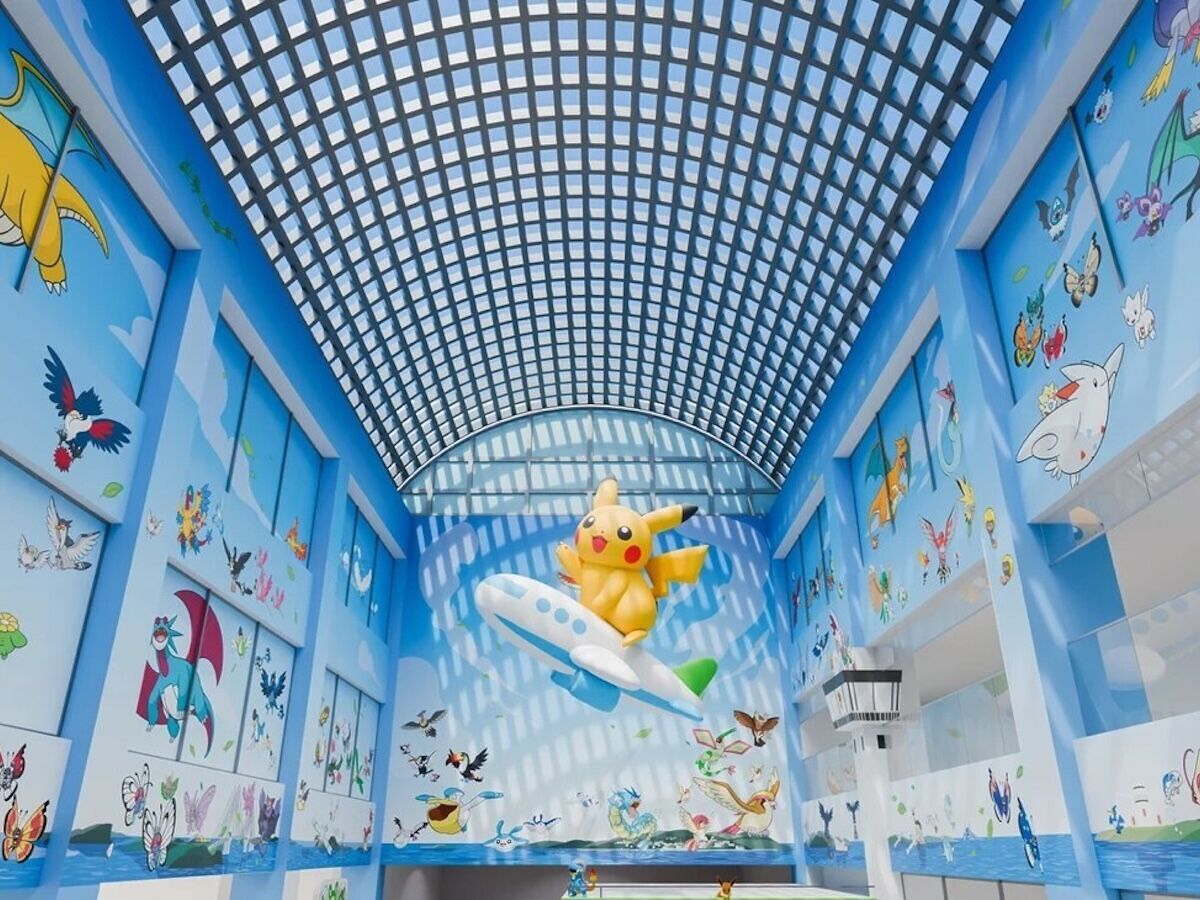
The scope of the project, as detailed in recent official announcements, is exhaustive. Upon entering the airport’s two-story atrium, travelers are greeted by a massive centerpiece: a giant, custom-designed Pikachu-and-airplane balloon sculpture. This serves as the anchor for an installation that includes all 111 Flying-type Pokémon, which have been strategically placed throughout the terminal building.
The observation deck has been rebranded as Pikachu no Satoyama (“Pikachu’s Countryside Village”), a landscape design inspired by the rustic, verdant scenery of the Noto Peninsula. The design team focused on capturing the essence of rural Japan, allowing guests to immerse themselves in a setting that feels both whimsical and authentic to the region.
Furthermore, the airport has launched an interactive digital experience. Passengers can access three exclusive short-form videos throughout the terminal. One particular video features Dreepy, a rare Ghost/Dragon-type Pokémon that has garnered a cult following among fans who spent countless hours hunting for the elusive creature in Pokémon Sword and Shield.
Beyond the visual spectacle, the terminal offers a fully integrated Pokémon retail and dining experience. The airport gift shop features exclusive merchandise—including luggage tags, keychains, and apparel—that cannot be purchased anywhere else in the world. For those looking for sustenance, the third-floor restaurant has debuted a themed menu featuring Pokémon-inspired pancakes and signature beverages.
Chronology: Three Decades of Pokémon Aviation
The integration of Pokémon into the aviation sector is not a new phenomenon, but rather the culmination of nearly 30 years of brand synergy.
- 1998: To coincide with the theatrical release of Pokémon: The First Movie, All Nippon Airways (ANA) introduced the world’s first "Pokémon Jets." These aircraft, adorned with the original 151 Pokémon, became an instant cultural icon.
- 1999–2016: The popularity of the initiative led to international expansion, with ANA operating a Pokémon-branded jet on routes connecting Tokyo to New York’s JFK Airport for nearly two decades.
- 2026 (The 30th Anniversary): Marking three decades since the launch of Pokémon Red and Green, ANA announced the "Pokémon Jet" revival, unveiling three new designs themed around the original games: Red, Green, and Blue.
- Present Day: The trend has moved beyond Japan’s borders. Airlines including Scoot, China Airlines, and T’way Air have adopted the model, creating a global network of Pokémon-themed travel experiences that facilitate entry into Japan from Singapore, Taiwan, and South Korea.
Supporting Data: Economic Recovery and Tourism
The decision to transform the Noto Airport was heavily influenced by the aftermath of the 2024 Noto Peninsula earthquake. The disaster caused catastrophic damage to the region’s infrastructure, with the historic hot springs town of Wakura Onsen suffering significant losses.
The initiative is a collaborative effort between the Ishikawa Prefecture and the Pokémon With You Foundation, a nonprofit organization established by The Pokémon Company to provide aid to disaster-stricken communities.
Tourism statistics show that the recovery process is ongoing; while approximately 50% of the inns in Wakura Onsen have reopened, the region remains in desperate need of a catalyst for economic growth. By creating a destination-level airport experience, officials hope to encourage domestic and international travelers to venture beyond the typical Tokyo-Kyoto circuit. The introduction of Pokémon-wrapped buses, which connect the airport to Wajima City and the “Wakura Pokémon Footbath,” creates a seamless travel itinerary that incentivizes longer stays in the region.
Official Responses and Strategic Vision
Government officials and representatives from The Pokémon Company have emphasized that the partnership is rooted in social responsibility. In a statement regarding the project, regional planners noted that the choice of the Noto Peninsula for this flagship project was intentional.
"The goal is to restore the vibrancy of the local economy," a representative from the Ishikawa tourism board stated. "By leveraging the global reach of the Pokémon brand, we are not just attracting tourists; we are providing a tangible, positive narrative for a region that has shown incredible resilience."
The Pokémon With You Foundation has consistently focused on using the franchise’s influence to support children and communities impacted by natural disasters. This project serves as one of their most significant investments to date, proving that the foundation’s mandate extends well beyond short-term relief efforts into long-term infrastructure and cultural revitalization.
Implications: The Future of "Destination Airports"
The transformation of Noto Airport highlights a shift in how smaller, regional airports are positioning themselves in an increasingly competitive global travel market. By branding the airport as a destination in its own right, Noto is differentiating itself from larger hubs.
In terms of scale, Noto Airport remains modest. With only two jetways and an interior footprint smaller than many major urban train stations, it is, in the parlance of the games, more of a "Pallet Town" than a "Pokémon Center." However, this intimacy is part of its charm. The airport provides a curated, high-touch experience that a larger, busier hub would struggle to replicate.
The broader implications for the travel industry are clear: travelers are increasingly seeking experiential transit. When a journey involves a flight on an ANA Pokémon Jet, a landing at a Pokémon-themed airport, and a shuttle ride to a Pokémon footbath, the travel itself becomes as valuable as the destination.
For the aviation sector, this partnership sets a high bar for "experience-based branding." Airlines and airports that can successfully integrate local culture—or globally recognized intellectual property—into their operations are finding that they can drive significant traffic even to remote, overlooked regions.
A Practical Guide for the Modern Trainer
For those planning to visit, the logistics are surprisingly straightforward. ANA operates two daily flights between Tokyo’s Haneda Airport and Noto Airport, with a flight duration of approximately one hour. Ticket prices are competitive, typically ranging from ¥11,000 to ¥18,000 (roughly $68 to $111 USD) for a one-way trip.
Travelers are encouraged to check the official ANA schedule to ensure their flight aligns with the specific Pokémon Jet routes. As the project evolves, the prefecture plans to expand the bus routes and add seasonal events at the footbath, ensuring that the experience remains fresh for repeat visitors.
By choosing to travel to Noto, visitors are participating in a larger recovery effort. Every ticket purchased, every gift shop item bought, and every meal enjoyed at the terminal contributes directly to the ongoing reconstruction of the Noto Peninsula. In a world of transient tourism, this initiative offers a rare opportunity to engage with a global phenomenon while making a meaningful, positive impact on a community in transition. Whether you are a casual fan of the franchise or a "hardcore" trainer, the Noto Airport experience offers a unique blend of nostalgia, recovery, and high-flying adventure that is truly one-of-a-kind.
 Layla Zulfa
  Lina Irawan
  Nana
Nana 