
 By Evan Lee Salim
For decades, the journey from Los Angeles to Portugal was a logistical endurance test. Angelenos seeking the sun-drenched cliffs of the Algarve or the tile-clad hills of Lisbon were typically relegated to long, grueling layovers in London, Frankfurt, or Newark. What should have been a dream vacation often began as a multi-leg, 20-hour-plus odyssey.
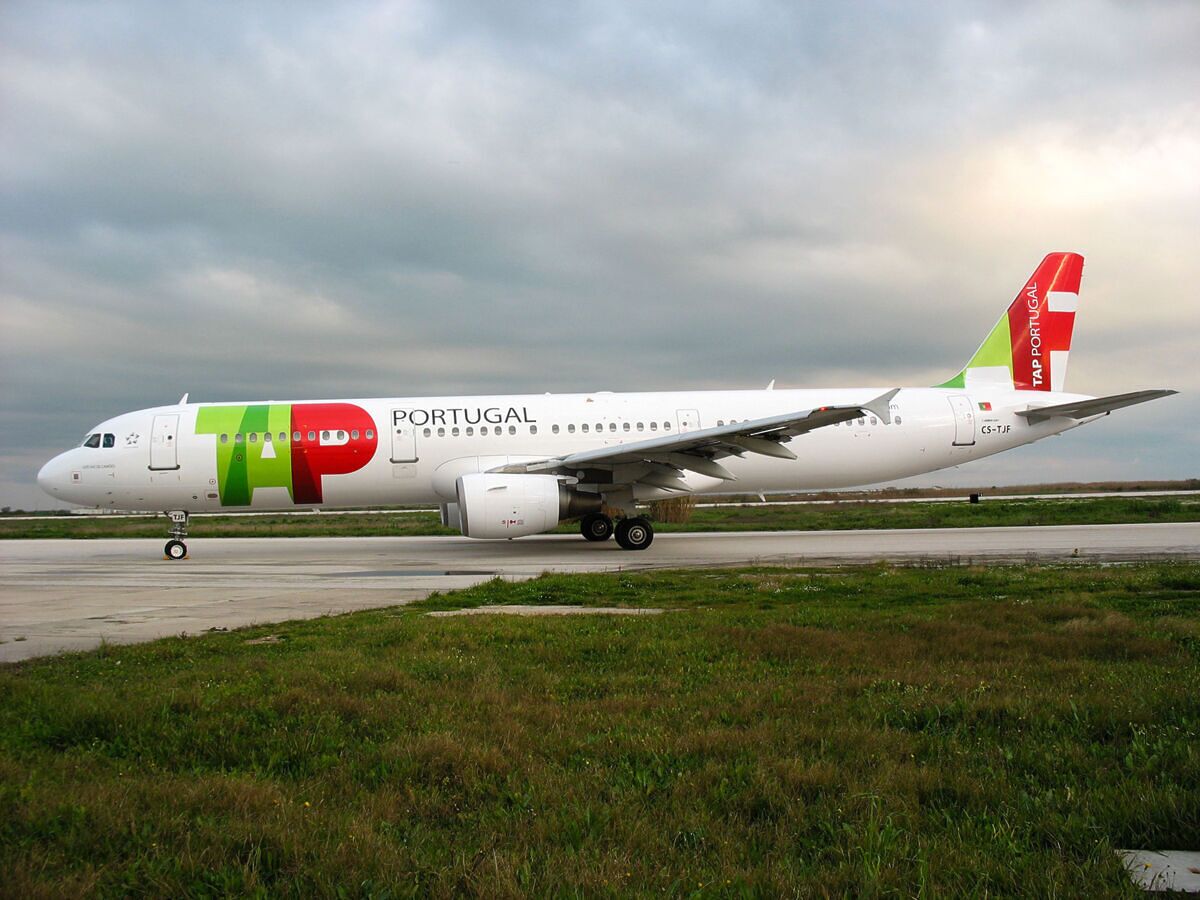
However, the travel landscape has shifted. With the establishment of a year-round, nonstop flight between Los Angeles International Airport (LAX) and Lisbon, TAP Air Portugal has effectively collapsed the distance between the Pacific Coast and the Iberian Peninsula. Clocking in at just over 12 hours, this direct route is not merely a change in flight path; it is a fundamental shift in how West Coast travelers engage with European culture. By pairing the efficiency of a direct flight with the launch of its new "Economy Prime" cabin, a high-end culinary partnership with Michelin-recognized chefs, and an award-winning stopover program, TAP is positioning the flight itself as the first act of a Portuguese vacation.
The Evolution of Long-Haul Comfort: Economy Prime
As of June 1, 2026, TAP Air Portugal has introduced "Economy Prime," a strategic product designed to fill the void between standard economy seating and the luxury of business class. Occupying the first three rows of the long-haul economy cabin, this new offering is built around the concept of personal space—a premium commodity in modern air travel.
The most notable feature of the Economy Prime experience is the guaranteed empty seat alongside the passenger. This architectural change in the cabin seating configuration does more than provide extra square footage for books, bags, or elbow room; it creates a significantly quieter, more private environment that allows for rest during the long transit across the Atlantic.
The benefits, however, extend well beyond the seat map. The Economy Prime experience begins at the airport, where passengers are granted premium check-in, fast-track security clearance, and priority baggage handling. For the returning traveler, the inclusion of two free checked bags is a logistical boon, providing the necessary capacity to transport local artisanal goods—such as hand-painted ceramics or vintage Port wine—without the anxiety of excess baggage fees. Once onboard, passengers receive a premium meal service featuring a choice of two hot dishes, a pre-arrival snack, and a curated travel kit filled with high-quality Portuguese products, grounding the traveler in the destination before they even touch the tarmac.
Culinary Elevation: The "Local Stars" Program
Perhaps the most ambitious aspect of TAP’s new service is the "Local Stars" culinary program. Recognizing that the onboard meal is often the most criticized aspect of long-haul travel, TAP has inverted the script by enlisting the expertise of six of Portugal’s most celebrated chefs.
The program, which rotates menu selections every two months, features a diverse roster of culinary talent from across the country. The current lineup includes luminaries such as Ana Moura from the Alentejo Coast, Marco Almeida from Coimbra, Rita Magro from Porto, and Algarve-based Ricardo Luz. Many of these chefs helm establishments already recognized within the prestigious Michelin Guide.
The philosophy behind the menu is one of regional storytelling. Take, for example, the menu curated by Ricardo Luz. Travelers are treated to a starter of delicate fish salad with a bright citrus vinaigrette, followed by a regional main course, and concluding with a Dom Rodrigo—one of the Algarve’s most iconic, traditional egg-based desserts. By focusing on a single ingredient or a specific regional tradition, the chefs aim to provide a "tasting menu" experience at 35,000 feet. This represents a significant shift from the generic, mass-produced catering of the past, transforming the tray table into a platform for Portuguese gastronomic diplomacy.
Lisbon as a Strategic Gateway
While Lisbon is the primary arrival point for the LAX-Lisbon service, it is rarely the final destination for the savvy traveler. TAP Air Portugal has capitalized on this by perfecting its "Portugal Stopover" program, which encourages visitors to use Lisbon as a base from which to explore the broader archipelago and mainland regions.
The airline facilitates seamless, short-haul connections to several distinct corners of the country:
Porto: The Soul of the Douro
Located just an hour north of Lisbon by air, Porto serves as the cultural counterpoint to the capital. Built on dramatic, terraced hills overlooking the Douro River, the city is a masterpiece of vertical architecture. Travelers can explore the historic Port wine lodges in Vila Nova de Gaia, traverse the iconic Dom Luís I Bridge, and witness the stunning blue-and-white azulejo tile murals that adorn the walls of the São Bento transit station.
Faro: The Algarve’s Historic Gateway
Faro acts as the entry point to the Algarve. Beyond its modern marina, the city’s Old Town offers a glimpse into the 13th century, highlighted by a cathedral that looks out over whitewashed lanes. The nearby Ria Formosa Natural Park—a protected lagoon system—offers a stark contrast to the urban center, providing access to tranquil sandbar islands and world-class coastal biodiversity.
Funchal: The Atlantic Archipelago
For those seeking an island escape, Funchal, the capital of Madeira, provides a rugged, mountainous alternative to mainland Europe. Founded in the 1420s, the city is a blend of historic architecture and dramatic Atlantic seascapes. The island’s levadas—a 15th-century network of irrigation channels—have been repurposed into an extensive hiking trail system, including the renowned Levada do Caldeirão Verde, which leads adventurers through ancient laurel forests to hidden waterfalls.
Ponta Delgada: The Untamed Azores
For the outdoor enthusiast, the Azores offer a more raw, volcanic experience. São Miguel is defined by the Sete Cidades caldera and the geothermal hot springs of Furnas. In the city of Ponta Delgada, history remains front and center, with the 16th-century Forte de São Brás and the Carlos Machado Museum. The islands are also a premier global destination for marine wildlife, boasting some of the best whale and dolphin watching in the Atlantic.
The Strategic Power of the Stopover Program
The success of TAP’s Portugal Stopover program is not anecdotal; it is backed by years of industry recognition, including being voted "Best Stopover Program" by Global Traveler readers for eight consecutive years.
The program’s utility lies in its flexibility. Travelers can build a stopover of up to 10 days in either Lisbon or Porto at no additional airfare on one-way, round-trip, or multi-city bookings. This effectively turns a single ticket into a dual-destination vacation. To further incentivize exploration, TAP offers a 25% discount on domestic flights to regional hubs like Faro, Madeira, or the Azores.
Beyond the flight itself, the program provides access to over 500 deals and discounts—some as high as 50%—across a network of 150 partners, including luxury hotels, regional tours, and fine-dining restaurants. This creates a cohesive travel ecosystem that removes the friction of planning a multi-stop trip, making it easier for North American travelers to move beyond the traditional "tourist track."
Implications for the Transatlantic Market
The implications of these developments are significant for both the airline and the broader tourism sector. For TAP Air Portugal, the investment in the LAX-Lisbon route and the associated stopover infrastructure is a calculated move to capture a growing segment of the American market that is increasingly looking for "authentic" rather than "generic" European experiences.
By prioritizing regional culinary identity and ease of access to Portugal’s secondary cities, TAP is successfully decentralizing the tourist experience. Instead of the typical 24-hour "layover" in a generic hub, the traveler is now invited to engage with the distinct cultural fabric of the Algarve, the Douro Valley, or the Azores.
Industry analysts note that this model represents the future of long-haul aviation. As fuel costs and environmental considerations drive airlines to be more efficient, the "Stopover" model allows carriers to maximize seat occupancy while providing genuine value to the consumer. For the Angelenos, the "logistical project" of a European vacation has been replaced by a streamlined, curated, and culturally rich journey. The flight is no longer an obstacle to be overcome; it has become the preamble to a much larger story.
As the 2026 travel season accelerates, the data suggests that this strategy is resonating. With high booking volumes on the LAX-Lisbon corridor and positive engagement metrics for the Economy Prime cabin, TAP Air Portugal appears to have found the right balance between operational efficiency and the elevated expectations of the modern, long-haul traveler. The distance between the Pacific Coast and the historic heart of Europe has never felt shorter.
 Layla Zulfa
  Lina Irawan
  Nana
Nana 