
 By Nana Wu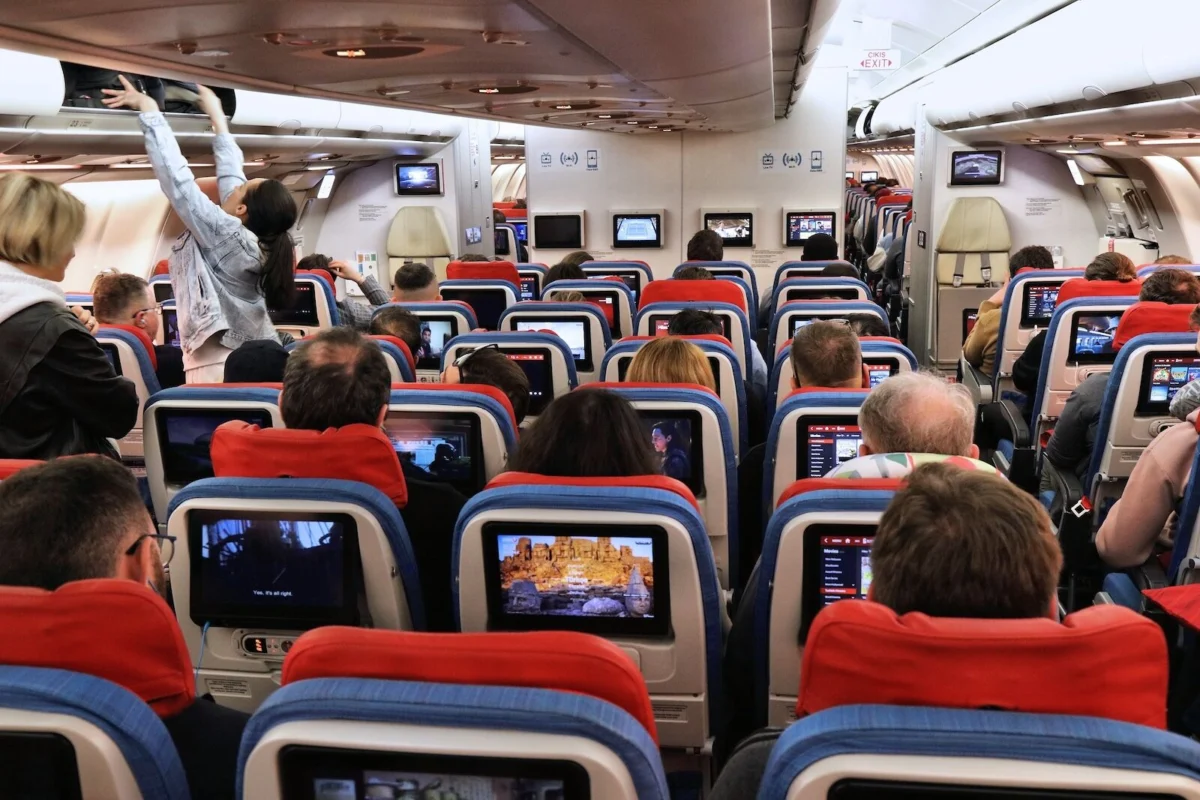
For years, the conventional wisdom among frequent travelers has been that "everyone on the plane ends up in the same place at the same time." This perspective—that a seat is merely a vessel to transport a body from Point A to Point B—has long cast premium cabin travel as a frivolous vanity project reserved for the ultra-wealthy or the corporate elite. For many, the physical and mental toll of long-haul flights, collectively termed "jet lag," is accepted as an unavoidable "travel tax."
However, a recent trip to Seoul, South Korea, via Korean Air’s Prestige Class, challenges this narrative. By reframing the cost of a business-class ticket not as an indulgence, but as an investment in one’s own physiological readiness, a new economic reality emerges: the true cost of flying economy isn’t just the price of the ticket, but the lost time and vitality sacrificed upon arrival.
The Hidden Accounting of Travel Fatigue
Most international travelers have internalized the "three-day rule"—the assumption that the first 72 hours of a trip will be spent in a state of malaise, disorientation, and physical lethargy. We plan around it, scheduling light activities and avoiding high-stakes meetings, effectively writing off a significant portion of our vacation or work time.
But if we subject this to a rigorous cost-benefit analysis, the "tax" becomes staggering. Consider an $8,000 excursion to a distant destination. If a traveler spends three of those days incapacitated by travel fatigue, they have effectively squandered nearly 40% of their investment. When viewed through this lens, the price difference between economy and business class begins to look less like a luxury surcharge and more like an insurance policy against lost experiences.
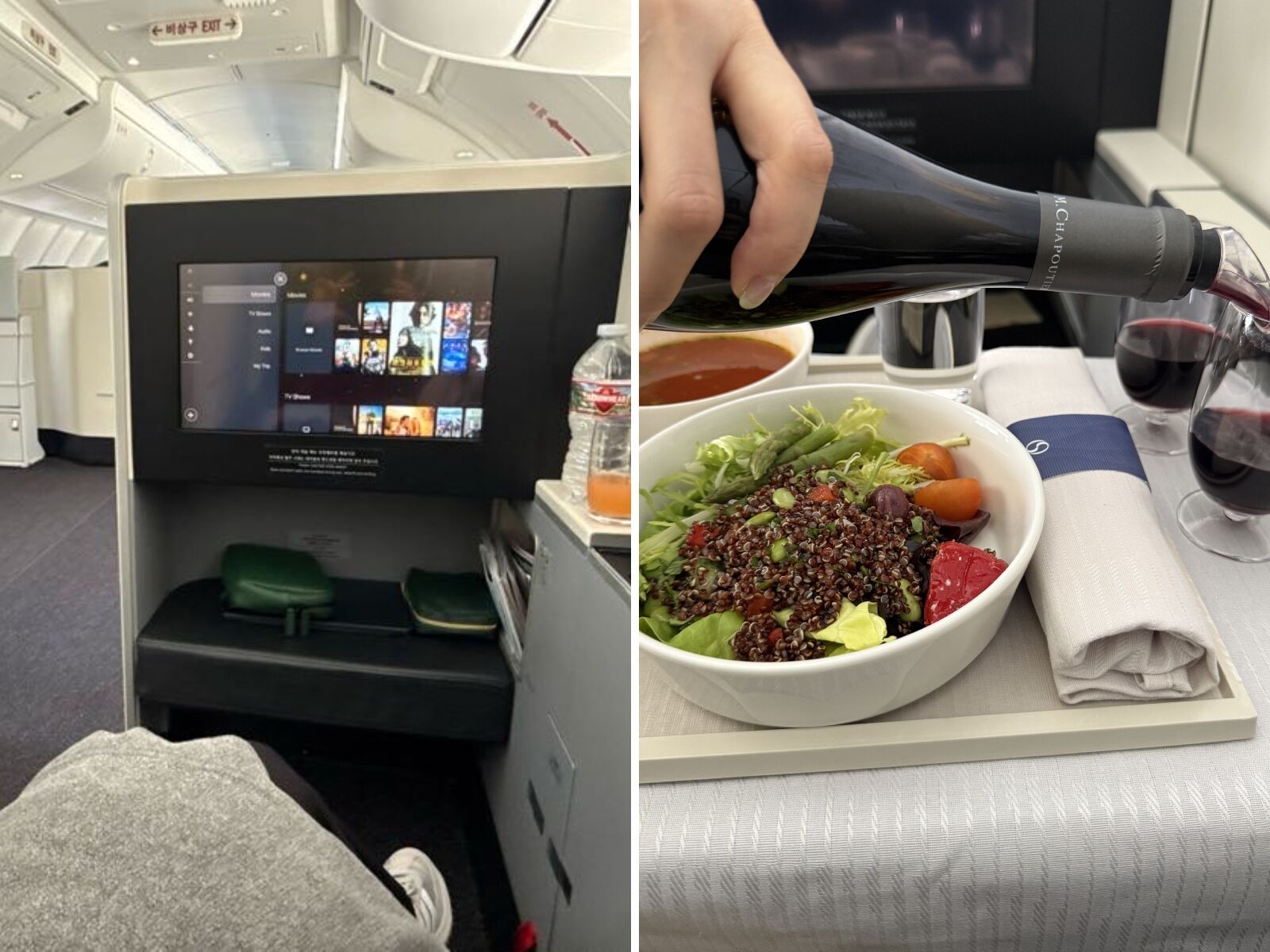
In my own experience, landing in Seoul after a 13-hour flight in Korean Air’s Prestige Class provided a startling realization. Instead of the usual post-flight recovery period, I was ready to navigate the vibrant streets of Myeongdong, participate in local folklore tours, and remain productive during morning work commitments. The ability to hit the ground running is not just a comfort; it is a way to reclaim the value of the trip itself.
The Physiology of the Cabin: Why Economy Takes a Toll
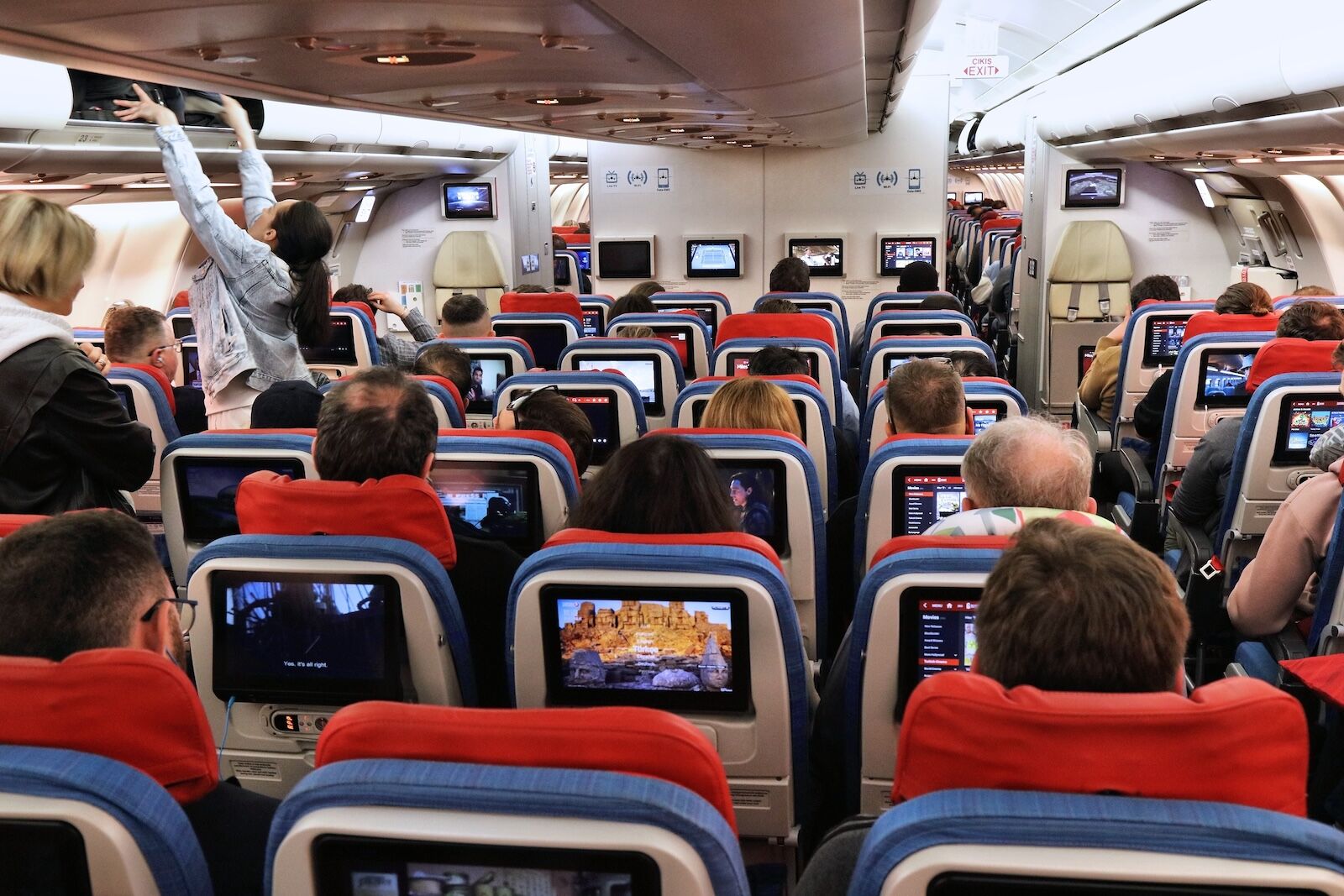
The human body is not evolved for the environment of a pressurized, long-haul cabin. Commercial aircraft typically maintain a cabin humidity level between 10% and 20%, which is significantly drier than the Sahara Desert. This extreme aridity leads to rapid dehydration, impacting everything from immune function to cognitive clarity.
Beyond humidity, there is the issue of physical stagnation. The average economy seat pitch has shrunk from approximately 35 inches in 2011 to 31 inches in 2022, with some budget carriers offering as little as 28 inches. This forced immobility, combined with the stress of navigating a crowded cabin, keeps the human nervous system in a "sympathetic" or "fight-or-flight" state.
According to the American Sleep Association, the body requires approximately one day per time zone crossed to adjust, a process hindered by the inability to achieve deep, restorative sleep in an upright or partially reclined position. In economy, the body remains in a state of alert; in a premium, lie-flat environment, the parasympathetic nervous system can engage, allowing for genuine repair, emotional regulation, and hormonal reset.
The Science of 38,000 Feet: Why "Restorative" Matters
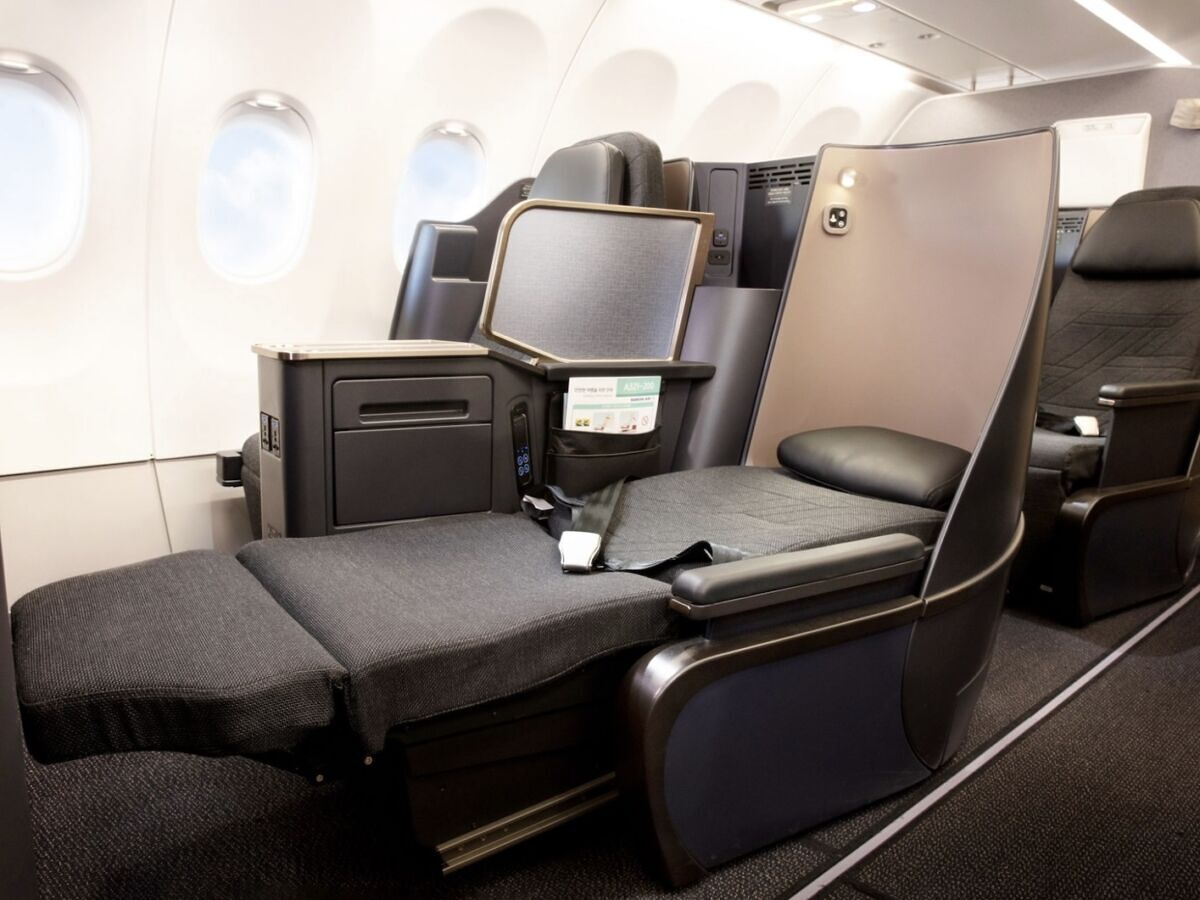
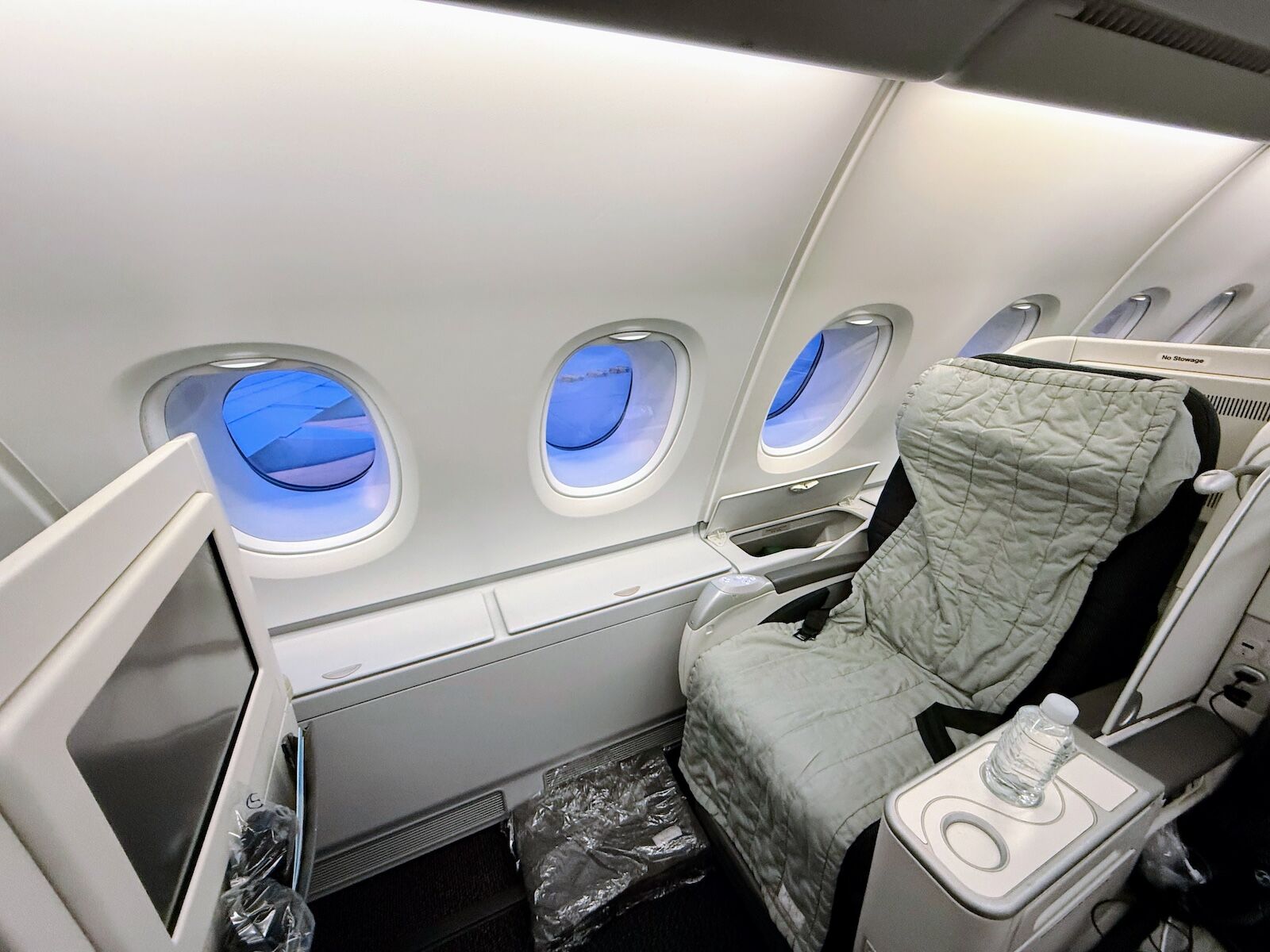
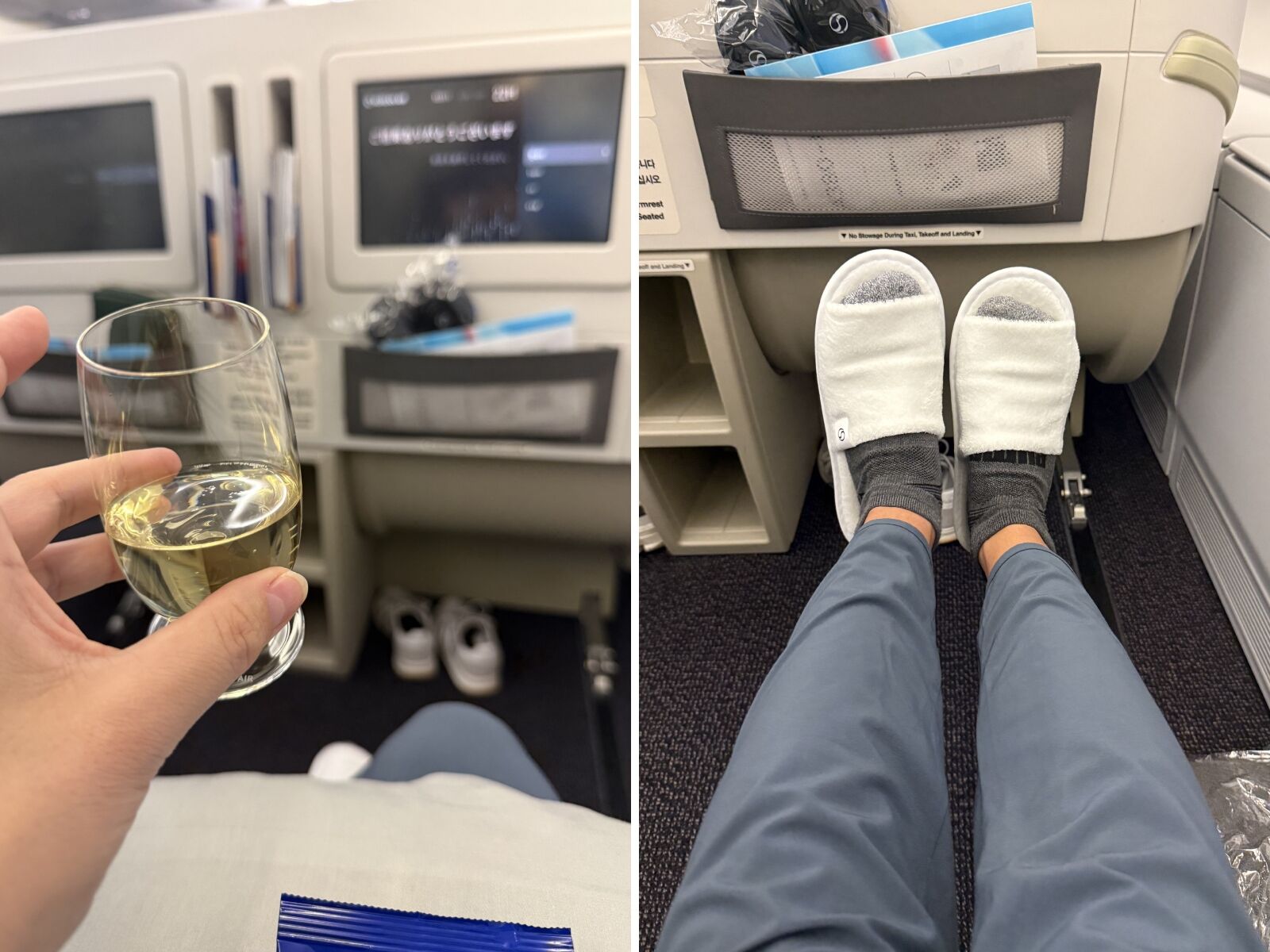
The transition to a premium cabin is not merely about caviar or extra legroom; it is an engineering feat designed for biological preservation. On my flight to Seoul, the amenities—slippers, premium bedding, and privacy dividers—were not just accessories; they were tools to facilitate a shift in the body’s state.
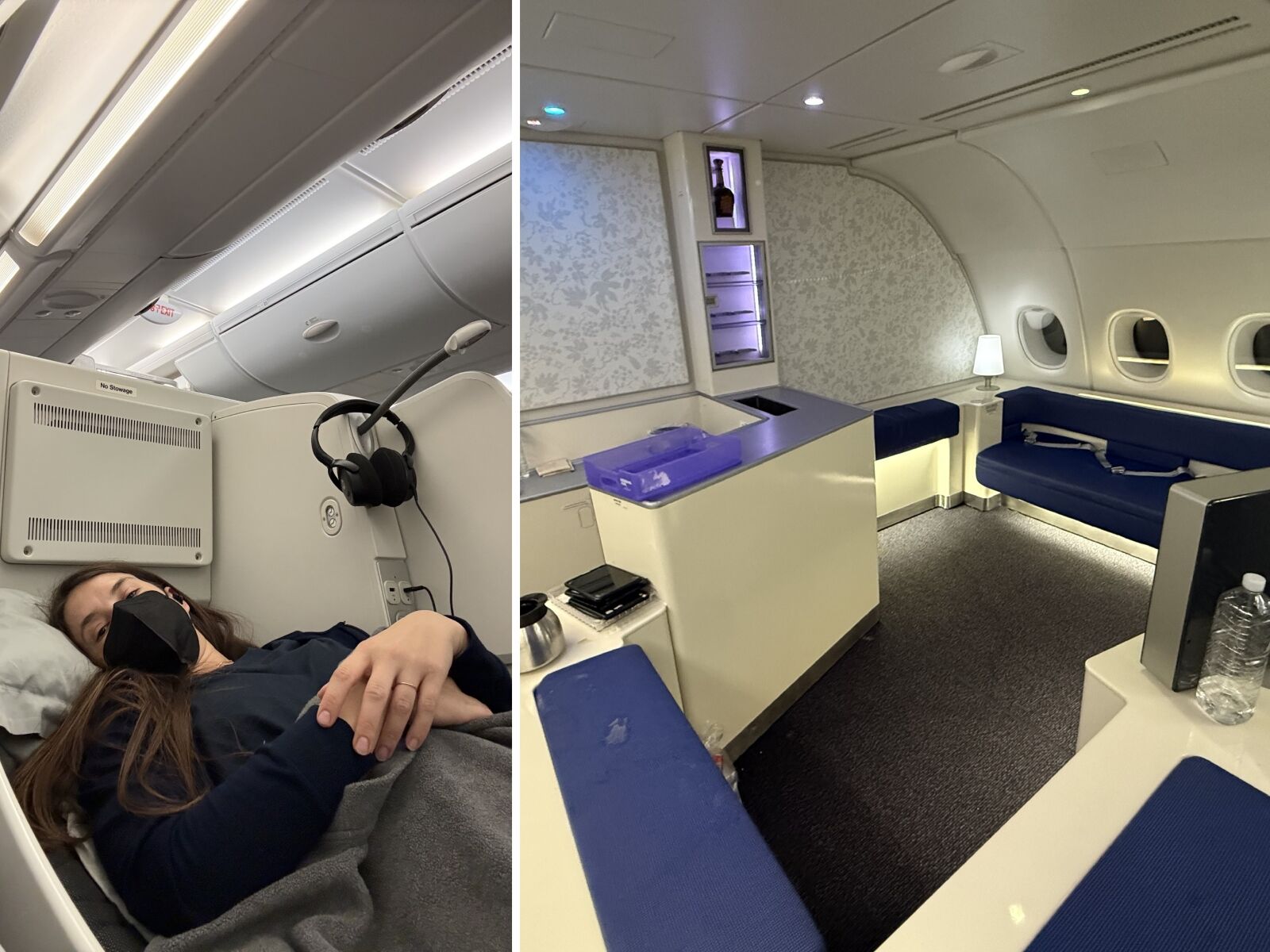
When you can fully extend your spine, your circulation normalizes, and your nervous system signals that it is safe to enter a restorative sleep state. This shift prevents the "three-day hangover" effect. While I previously avoided sleeping in premium cabins to "maximize the experience," I now recognize that the most valuable amenity is the ability to arrive in the same state in which I departed.
Korean Air: A Case Study in Operational Excellence
Korean Air, South Korea’s flagship carrier, exemplifies how a premium product can fundamentally alter the arrival experience. With a sprawling network serving 90 international destinations, the airline’s Prestige Class has developed a cult-like following—not just for its famous in-flight bibimbap, but for the end-to-end integration of its service.
Chronology of the Experience:
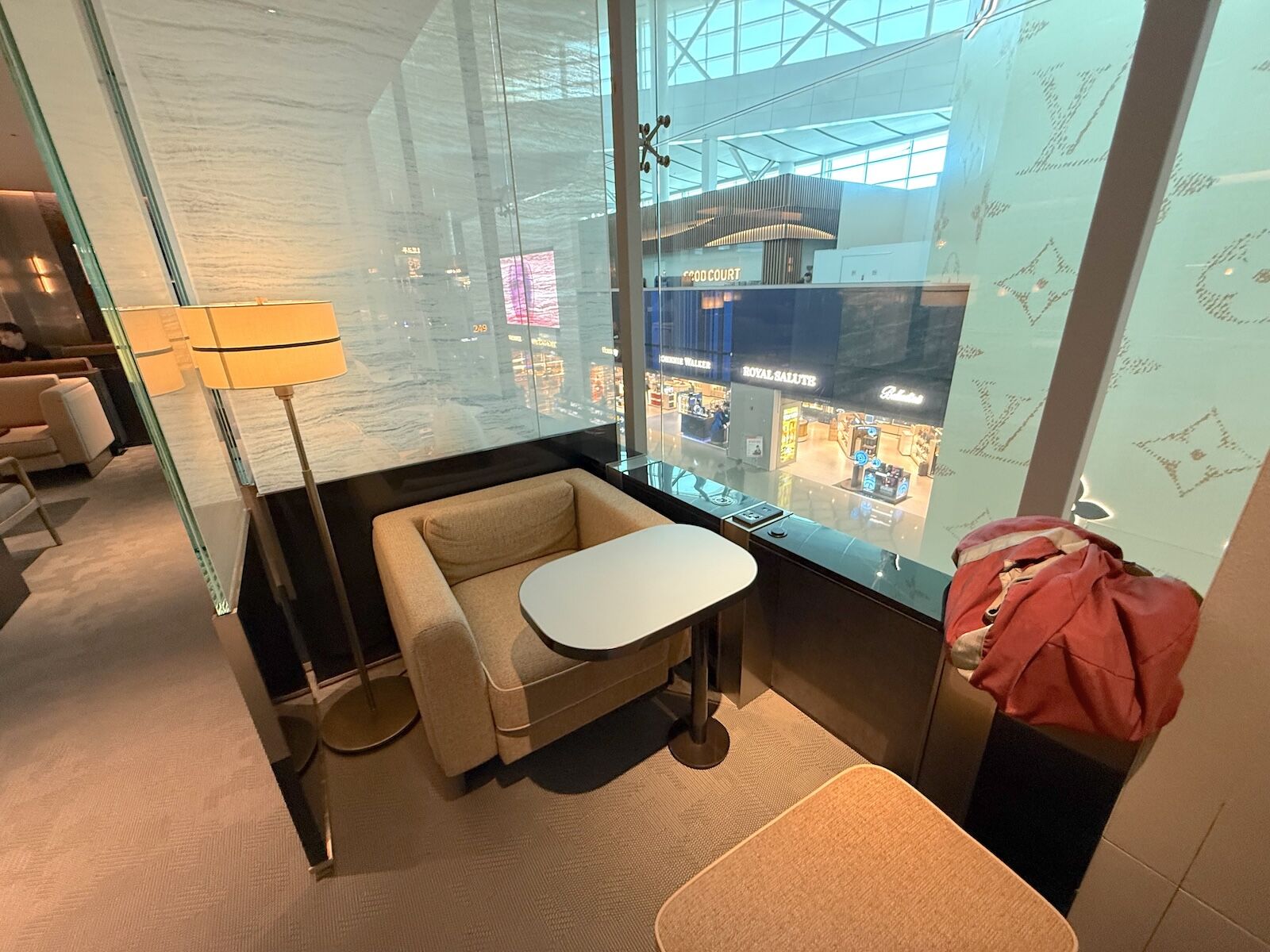
- Pre-Flight: Access to private check-in counters and flagship lounges (such as those at LAX and Incheon) mitigates the stress of the airport environment.
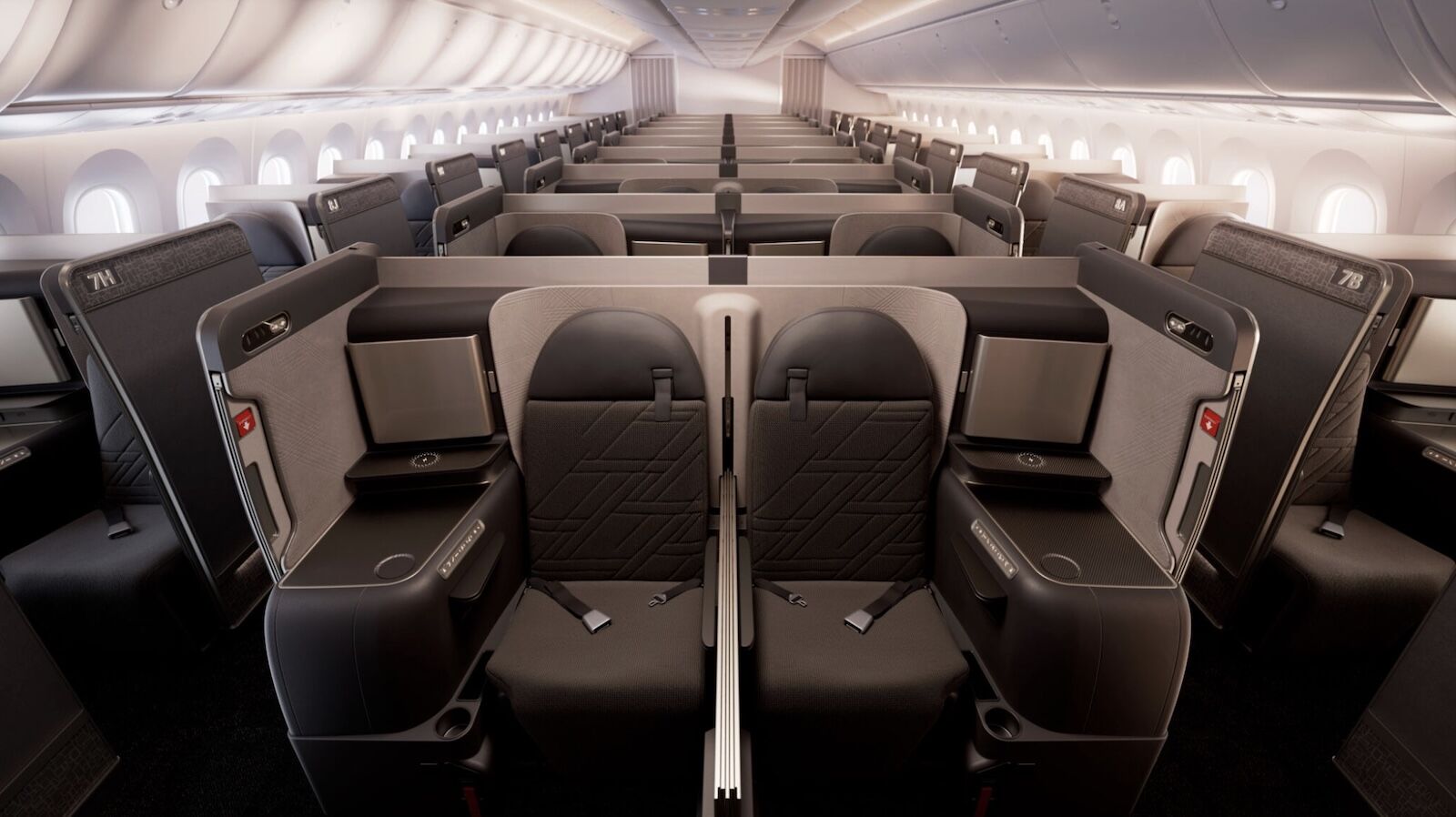
- In-Flight: The "Prestige Sleeper" and "Prestige 2.0" seats offer personal space that allows for uninterrupted sleep, a stark contrast to the physical toll of standard seating.
- Post-Flight: The ability to transition directly from the aircraft to the itinerary without the "recovery buffer" of a day or two of rest.
The airline’s commitment to service is further evidenced by its infrastructure, including specialized lounge amenities like the "ramen library" at Incheon and dedicated "relax rooms" that cater to the specific needs of long-haul, multi-time-zone travelers.
Strategic Implications and Future Expansion
The landscape of long-haul travel is shifting. As Korean Air prepares to fully absorb its longtime rival, Asiana Airlines, on December 17, 2026, the carrier is solidifying its position as a dominant force in the trans-Pacific market. This merger promises an even more robust network, further streamlining connections from major U.S. hubs—such as Atlanta, New York, and Los Angeles—to the heart of Asia.
Furthermore, the integration within the SkyTeam alliance provides a seamless experience for those originating in cities not directly served by Korean Air. By leveraging partner airlines like Delta, travelers can access this high-level premium experience even when starting their journey in domestic U.S. markets.
Conclusion: Re-evaluating the "Luxury" Label
The definition of "luxury" in aviation is undergoing a necessary rebranding. It is no longer synonymous with champagne and white-glove service, though those elements remain present. Instead, true luxury in the 21st century is defined by the preservation of time and the protection of the human body.
When travelers account for the physical, mental, and economic costs of jet lag, the decision to invest in business class is often revealed to be a rational choice. For those who can afford the premium, the return on investment is immediate: the ability to arrive at a destination not as a passenger recovering from a grueling journey, but as an active participant ready to engage with the world.
As airlines continue to innovate, the focus must remain on the passenger’s physiological state. Korean Air’s approach demonstrates that when the environment of the aircraft is designed to respect the biology of the passenger, the distance between continents shrinks, and the true purpose of travel—exploration and connection—is finally achieved in full.
 Layla Zulfa
  Lina Irawan
  Nana
Nana 