
 By Neng Nana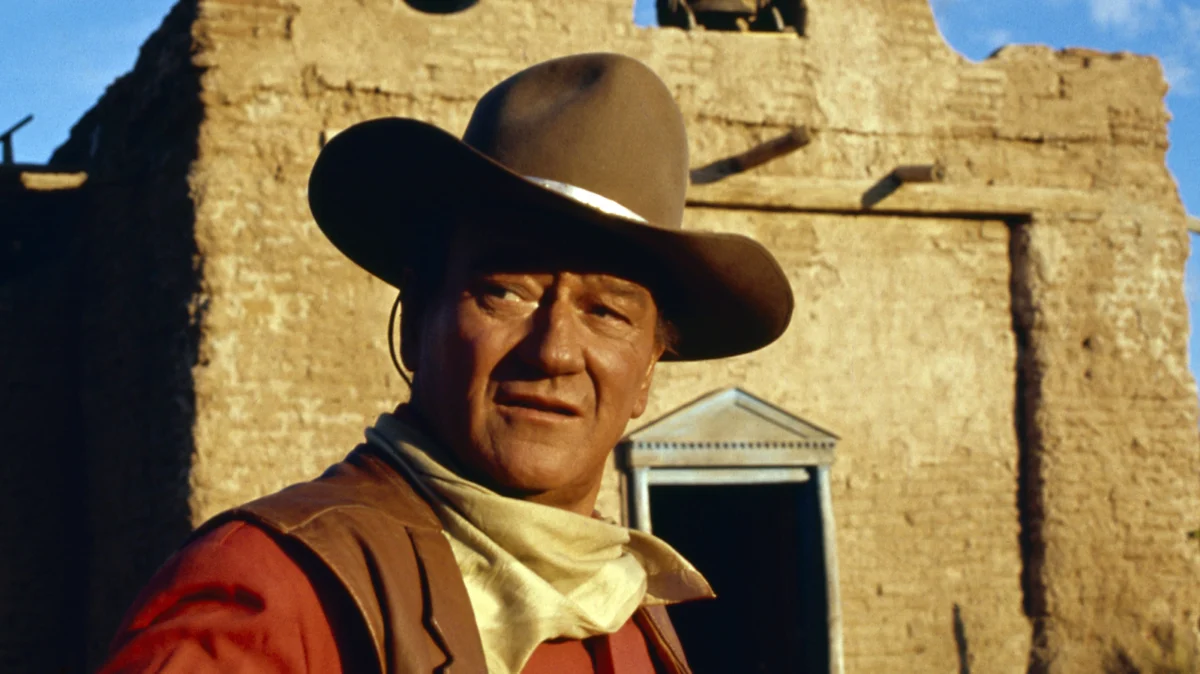
John Wayne, the cinematic embodiment of the American West, remains an enduring cultural icon decades after his passing. Known to his friends and family simply as "Duke," Wayne’s legacy is typically associated with the dusty trails of Stagecoach, the moral complexity of The Searchers, and the grit of The Shootist. However, beyond the silver screen, the legendary actor possessed a lesser-known but equally robust passion: the culinary arts. For Wayne, cooking was not merely a chore; it was a ritual that demanded the same attention to detail he applied to his craft. Among his most celebrated contributions to the home cook’s repertoire is his signature chicken marinade—a bold, spirited concoction that prominently features tequila.
The Intersection of Spirits and Savory Flavors
While modern culinary trends often highlight the use of spirits in cooking, Wayne was arguably ahead of his time. The integration of high-proof alcohol into savory dishes is a technique often reserved for professional kitchens, yet it was a staple in the Wayne household. Just as the culinary world celebrates penne alla vodka for its ability to cut through the richness of cream, Wayne utilized tequila to elevate the flavor profile of poultry.
According to The John Wayne Way to Grill, a definitive collection of the actor’s favorite recipes, the "Duke" did not shy away from bold flavors. His chicken marinade is a masterclass in balance, combining the sharpness of tequila with the acidity of lime juice, the heat of hot sauce, and the deep, umami complexity of Worcestershire sauce. The addition of ginger, chipotle chili, and a hint of salt creates a marinade that is simultaneously fiery and sophisticated.
The Science of the Marinade
The effectiveness of Wayne’s marinade lies in the chemical interaction between the tequila and the poultry. When chicken breast—a notoriously lean and often unforgiving protein—is submerged in an acidic medium, the structural integrity of the muscle fibers begins to change. The acidity of the tequila and lime juice works to tenderize the meat, ensuring that once it hits the grill, it retains moisture rather than drying out.
Beyond the texture, the tequila imparts a distinct "agave" profile. Because tequila is derived from the agave plant, it brings a naturally earthy, herbaceous, and slightly peppery undertone to the chicken. It is for this reason that the recipe emphasizes a golden rule: never use a spirit you wouldn’t enjoy drinking straight. The quality of the base liquor directly dictates the complexity of the final dish.
A Chronology of the "Duke’s" Culinary Evolution
John Wayne’s interest in food was born from his rugged upbringing and his experiences on movie sets across the American landscape. During the mid-20th century, the "Western" lifestyle was not just a film genre; it was a way of life that favored simplicity, quality ingredients, and open-flame cooking.
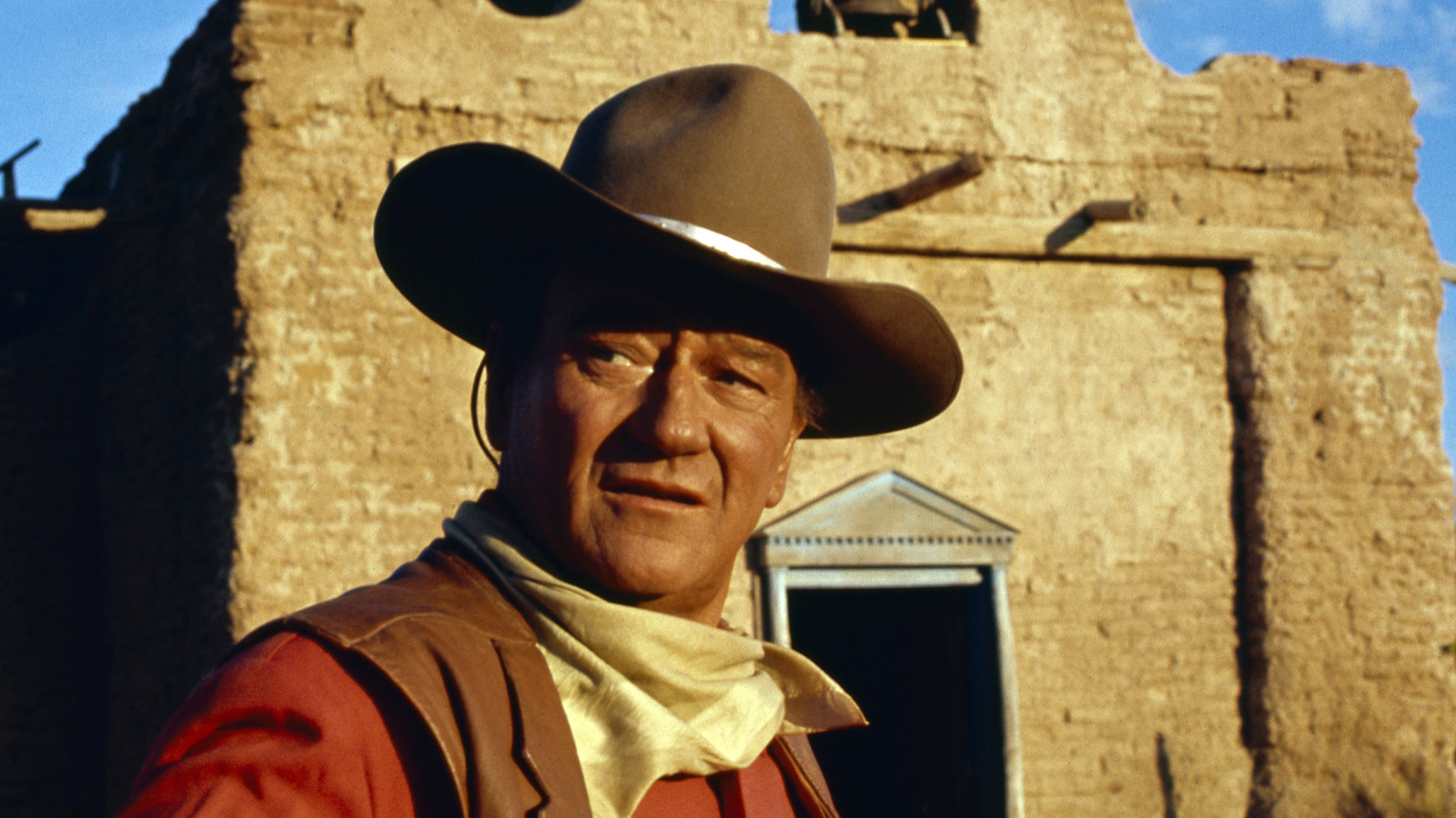
- The Early Years: During his rise to stardom, Wayne’s diet was largely dictated by the grueling schedules of film production. Long hours in the desert meant meals were often prepared on location. This fostered a love for "cowboy-style" cooking—hearty, simple, and satisfying.
- The Mid-Career Refinement: As Wayne became a Hollywood staple, his tastes grew more refined. His family life and frequent travel introduced him to international flavors, leading to the experimental phase where he began incorporating spirits like bourbon, scotch, and tequila into his recipes.
- The Legacy Era: In his later years, Wayne became more vocal about his culinary preferences, eventually culminating in the compilation of his favorite recipes. The publication of The John Wayne Way to Grill serves as a testament to his expertise, showcasing that his knowledge of the grill was just as sharp as his aim in a gunfight.
The Chemistry of the Cream Sauce
One of the most fascinating aspects of this recipe is the use of the leftover marinade. In many culinary applications, turning a marinade into a sauce is risky business, particularly when cream is involved. Lime juice, a key component here, is notoriously acidic; when combined with dairy, it typically causes the mixture to split or curdle.
However, in the Wayne recipe, the tequila acts as a stabilizer. As the marinade is reduced in a saucepan with a dash of cream, the tequila facilitates an emulsion that results in a velvety, luxurious sauce. The heat of the stove ensures that the alcohol content is burned off, leaving behind only the concentrated essence of the marinade. The result is a sauce that possesses a "sassy" kick—a perfect marriage of creamy decadence and sharp, bright acidity.
Supporting Data: Why Tequila Matters in the Kitchen
The use of alcohol in cooking is supported by both sensory and scientific data. Alcohol acts as a solvent, meaning it can dissolve flavor compounds that are not water-soluble, effectively extracting deeper aromas from spices like ginger and chipotle chili.
When analyzing the "John Wayne" method, nutritionists and chefs alike point to the following benefits:
- Flavor Enhancement: Alcohol acts as a carrier for flavor, distributing the heat of the hot sauce and the earthiness of the chipotle evenly across the chicken.
- Texture Improvement: The denaturing of proteins by alcohol and acid ensures a more tender bite, which is essential for grilling breast meat.
- The Emulsification Factor: As noted in the preparation of the sauce, the tequila provides a bridge between the fat in the cream and the acid in the citrus, preventing the "break" that plagues many amateur sauces.
Official Responses and Culinary Reception
Professional chefs have long praised the intuitive nature of Wayne’s grilling techniques. Critics often note that while the recipes are simple enough for a novice, they contain "pro-level" nuances that suggest a refined palate.
"The genius of the tequila marinade isn’t just in the flavor," says culinary historian Marcus Thorne. "It’s in the utilization of the entire ingredient profile. Wayne didn’t waste anything. He turned a discardable marinade into the centerpiece sauce. That is the mark of a cook who understands the soul of the kitchen."
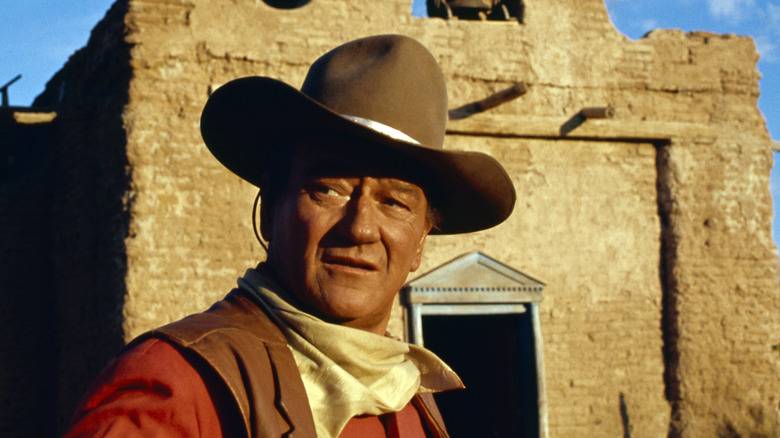
Furthermore, the Wayne family’s continued involvement in the spirits industry, through the brand Duke Timeless Spirits, reinforces the actor’s lifelong appreciation for high-quality liquors. Their commitment to his legacy suggests that his love for these spirits was not just a hobby, but a core component of his identity.
Implications for the Modern Home Cook
What does the "John Wayne" method teach the contemporary cook? First, it highlights the importance of bold experimentation. Many home cooks are intimidated by the idea of using spirits in food, fearing that the alcohol will overpower the dish. Wayne’s recipe proves that with proper reduction and balance, alcohol serves as a sophisticated flavor enhancer rather than a boozy distraction.
Second, it reinforces the value of "cowboy cuisine"—the idea that great food does not require a complex kitchen, but rather a respect for the ingredients. Whether it’s a cast-iron skillet for cornbread or a well-marbled steak, the "Duke" approach is about maximizing flavor through technique.
Pairing Recommendations
To replicate the full experience of a "John Wayne" meal, one must consider the accompaniments. The grilled tequila chicken is versatile, pairing beautifully with:
- The Side Dish: A crisp, acidic green salad provides a necessary counterpoint to the richness of the tequila-cream sauce.
- The Comfort: A warm, crusty wedge of cornbread, preferably cooked in a seasoned cast-iron skillet, captures the rustic spirit of the Western lifestyle.
- The Beverage: While the chicken features tequila, the meal itself is traditionally paired with a hearty beer or a glass of bourbon, honoring the actor’s well-documented preferences.
Conclusion: A Culinary Legacy
John Wayne’s go-to chicken marinade is more than just a recipe; it is a time capsule of a man who lived life with gusto. By marrying the ruggedness of the frontier with the finesse of professional culinary techniques, Wayne created a dish that remains as relevant today as it was during his heyday.
As you stand before your own grill, remember the lesson of the "Duke": don’t be afraid to add a little spirit to your sauce. Whether you are aiming for a tender, flavorful chicken or simply looking to channel the confidence of a Hollywood legend, this tequila-infused marinade offers a delicious path forward. It is a reminder that the best food is often found at the intersection of tradition, curiosity, and a little bit of "sassy" flair.
 Raul Delapena Setiawan
  Basiran
  Nana
Nana 