
 By Suro Senen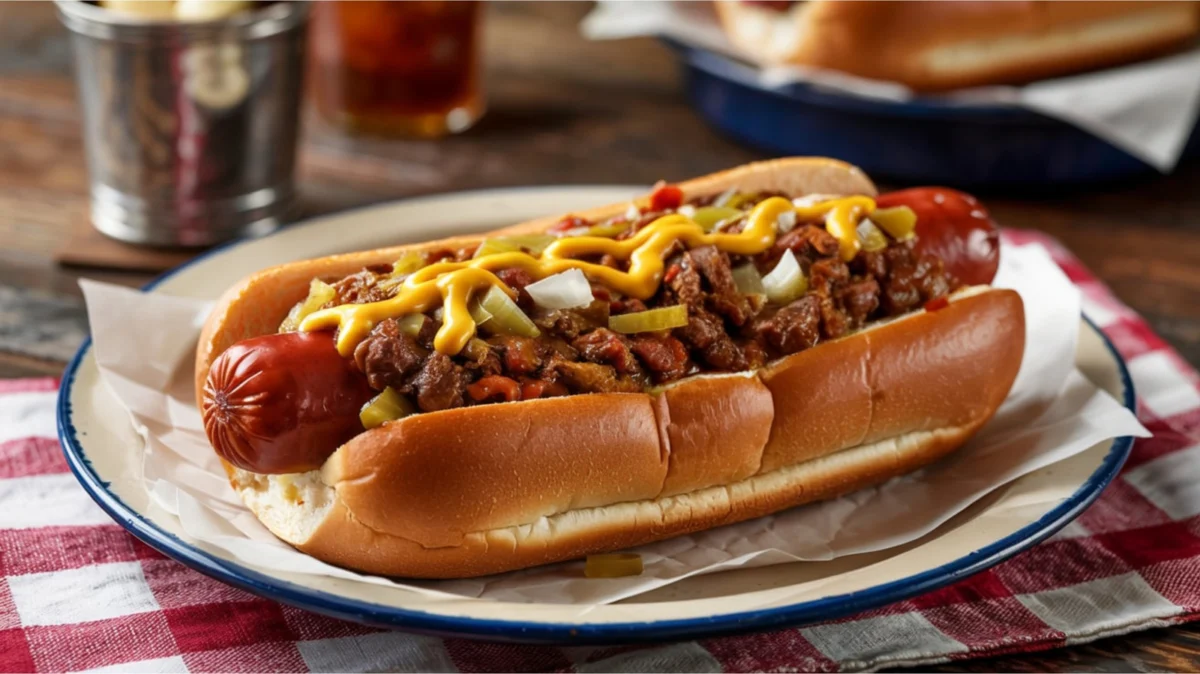
For generations, the American backyard cookout has been defined by the sizzle of the grill and the iconic assembly of the classic hot dog. While the debate over ketchup on a hot dog is a well-trodden path of controversy, a more technical and structural battle rages in the kitchens of chili enthusiasts: Do beans belong in hot dog chili?
While casual diners may view chili as a monolithic dish, purists and culinary historians argue that "chili for a bowl" and "chili for a dog" are two entirely different animals. As we explore the texture, history, and structural integrity of the perfect chili dog, it becomes clear that when it comes to the iconic street-food staple, the bean is an unwelcome guest.
The Anatomy of the Perfect Chili Dog
To understand why beans are often excluded from hot dog chili, one must first understand the fundamental goal of the dish. A chili dog is not merely a bowl of stew poured over a sausage; it is a carefully calibrated culinary architecture.
The classic frankfurter offers a distinct, snappy texture. To complement this, the chili must provide a uniform, smooth, and cohesive sauce. Hot dog chili—often referred to as "chili sauce" or "Coney sauce"—is designed to cling to the meat without sliding off the bun. When you incorporate large, bulky kidney or pinto beans, you disrupt the viscosity of the sauce. Instead of a velvety, savory blanket, you are left with an uneven mixture that forces the eater to navigate around chunky vegetables, ultimately compromising the structural integrity of the sandwich.
Furthermore, hot dog chili typically leans into a specific flavor profile: a blend of savory meat, deep spices, and a touch of sweetness, often achieved through the addition of ketchup or brown sugar. This profile is meant to act as an enhancer to the frankfurter, not a rival for the spotlight.
A Historical Perspective: From Coney Islands to Backyard Grills
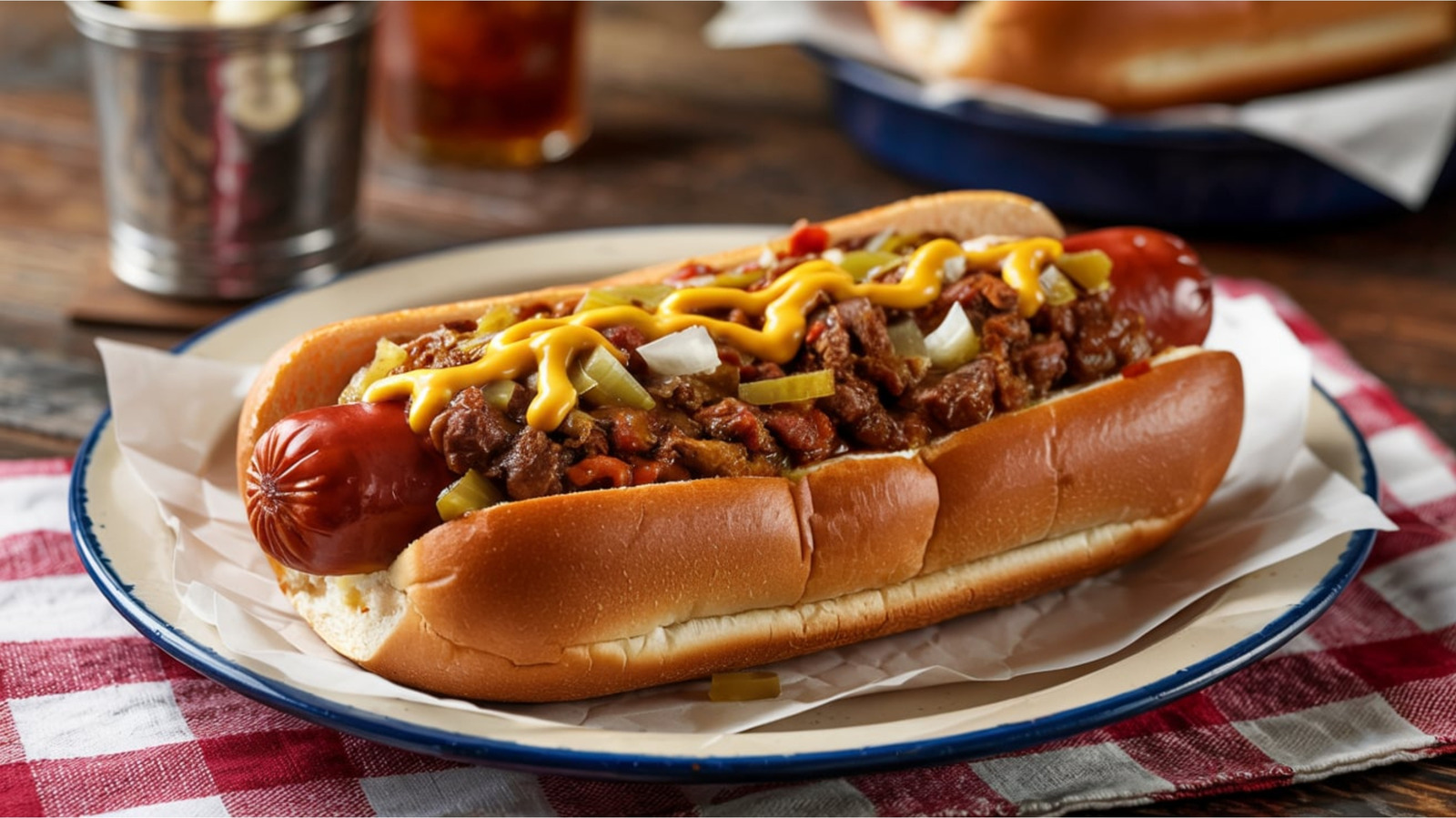
The evolution of the American chili dog can be traced back to the early 20th-century "Coney Island" style restaurants that sprang up across the United States. These establishments, often founded by Greek or Macedonian immigrants, served a distinct meat sauce that was intentionally devoid of beans.
The Chronology of Convenience
- Early 1900s: The emergence of the "Coney Dog" in regions like Michigan, New York, and New Jersey. These sauces were characterized by a fine-ground meat base, often including beef heart or high-fat trimmings, slow-simmered into a thin, pourable consistency.
- Mid-20th Century: As hot dogs became the quintessential American convenience food, the "chili sauce" recipe became standardized in cookbooks as a bean-free topping to ensure the meat-to-bun ratio remained consistent.
- The Modern Era: With the rise of the "gourmet" hot dog movement, chefs began experimenting with regional variations. However, the traditionalists maintained that adding beans transformed a "chili dog" into a "stew-topped sausage," which is a fundamentally different gastronomic experience.
Supporting Data: Texture vs. Tradition
The argument against beans is not just about snobbery; it is rooted in culinary science. In a blind taste test of textural experiences, a smooth, meat-based sauce provides a consistent mouthfeel from the first bite to the last.
Conversely, when beans are introduced, they create "pockets" of soft, starchy texture that contrast sharply with the snap of the casing. While some diners enjoy this rustic, stew-like quality, it objectively changes the dish. Professional culinary standards suggest that a topping should support the main ingredient. Because a hot dog is a refined, processed meat product, it demands a refined, processed sauce.
The Reddit Consensus: A Divided Public
The digital age has brought this debate to the forefront, with platforms like Reddit serving as a battleground for chili purists. In recent threads, the discourse has remained remarkably polarized.
One vocal Reddit user noted, "No beans on a hot dog! Hotdog chili isn’t your mere everyday chili; it is all about the texture." This sentiment represents the "purist" camp, which views the addition of beans as a fundamental error in judgment.
However, the opposition is equally passionate. Another commenter admitted, "This may be sacrilege… but every time I have a chili dog that doesn’t have beans, I wish it had beans." This highlights a growing divide between those who view the hot dog as a vehicle for a meal (where beans provide satiety and complexity) and those who view the hot dog as a precise, singular experience where uniformity is paramount.
Implications for the Home Cook
If you are hosting a cookout, the implications of this debate are significant. How does one cater to both the traditionalist and the bean-loving guest?
The "Side-Car" Strategy
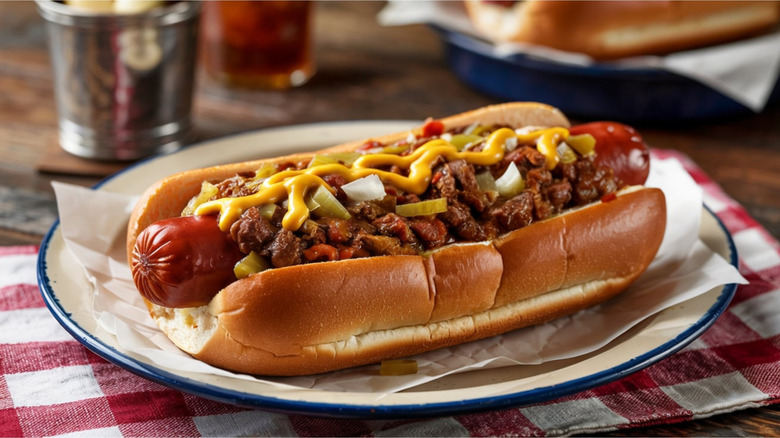
The most effective way to navigate the bean controversy is the "side-car" approach. By preparing a high-quality, bean-free meat sauce (often featuring finely ground beef, onions, garlic, paprika, and a touch of brown sugar), you provide the authentic Coney Island experience. If your guests desire beans, offer them as a side dish or a topping option that can be added after the chili is applied. This respects the structural integrity of the chili dog while allowing for personal preference.
The Importance of the Slow Simmer
Whether you use beans or not, the secret to the best hot dog chili is patience. You must cook your sauce until the onions and ground beef have broken down entirely. The sauce should reach a point of "homogenization"—where no single ingredient stands out, but rather they meld into a rich, flavorful paste. If you use store-bought chili, ensure it is the type specifically marketed as "hot dog chili" rather than "chili with beans," as the former is formulated with a higher fat content and smoother consistency specifically for the rigors of a hot dog bun.
Conclusion: Defining Your Dog
Ultimately, the question of whether beans belong in hot dog chili is a matter of definition. If you define a chili dog as a refined, street-food classic, then the beans must stay in the bowl. If you define it as a hearty, filling meal, then the addition of beans is a logical, albeit untraditional, evolution.
As the culinary landscape continues to shift, the debate serves as a reminder that even the simplest of foods can carry deep cultural and personal significance. Whether you are a purist who insists on the smooth, sweet, and savory traditional sauce, or a rebel who insists on adding kidney beans for texture, the true joy of the chili dog lies in the ability to make the dish your own. Just remember: if the bun gets soggy and the chili falls off, you’ve likely added too many beans.
 Raul Delapena Setiawan
  Basiran
  Nana
Nana 