
 By Reynand Wu
It begins with the adjustment of the eyes to the velvet black of the nocturnal house. A faint, crimson glow bathes the leaf litter and native shrubbery, simulating the permanent twilight required to witness the kiwi—a bird that feels less like a modern creature and more like an emissary from a prehistoric epoch. For a moment, the habitat appears vacant. Then, a long, slender beak breaks the stillness, followed by a small, rotund, and impossibly fluffy body. It navigates the undergrowth with a quiet, deliberate grace. To see a kiwi in the flesh is to witness a living contradiction: it is undeniably cute, yet it possesses an aura of ancient, rugged survivalism.
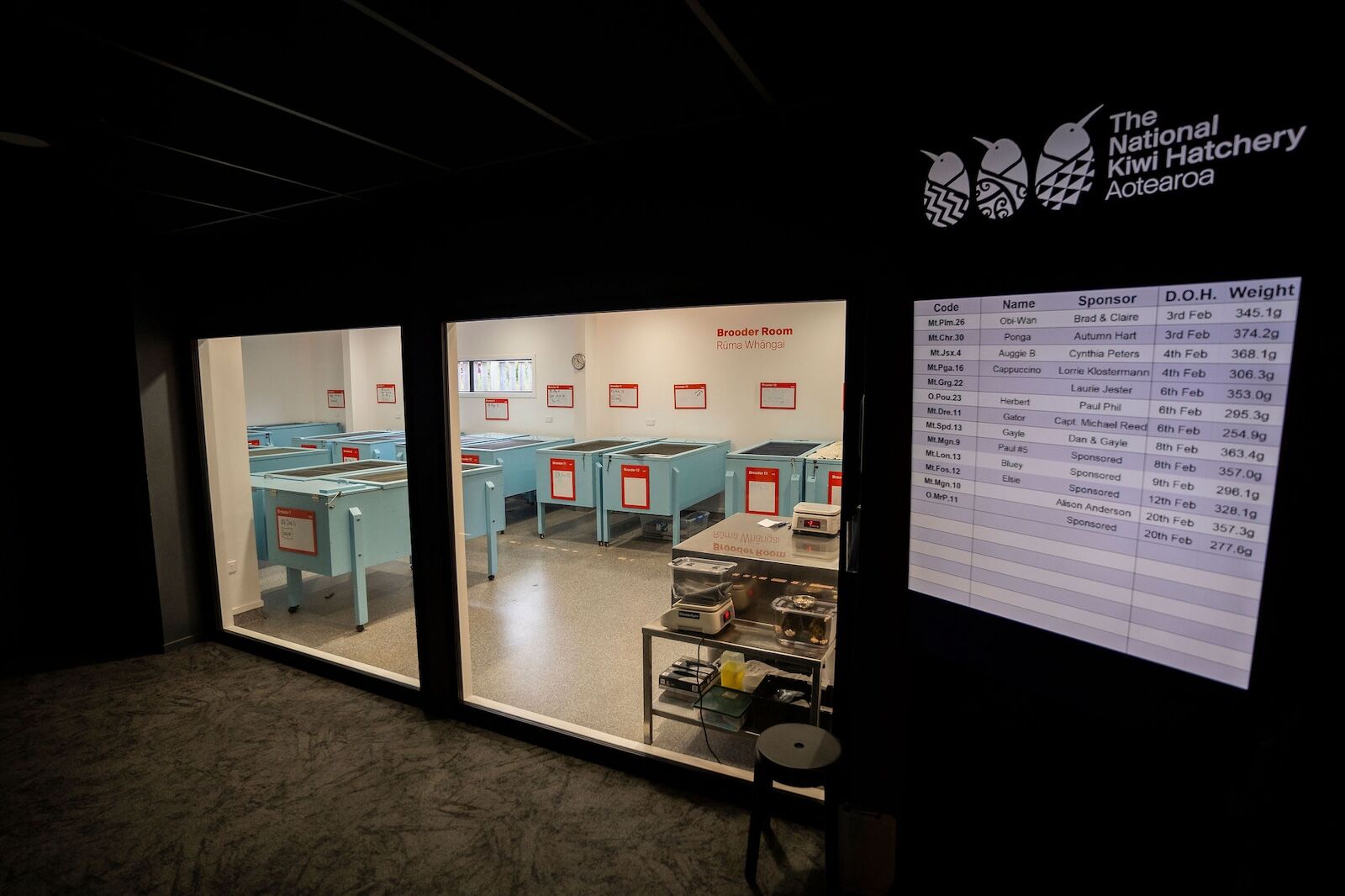
This experience, offered at facilities like the National Kiwi Hatchery in Rotorua, is more than a tourist attraction. It is a portal into a high-stakes conservation drama that has become a defining mission for New Zealand.
The Current State of the Kiwi: A National Crisis
The kiwi is not merely a flightless bird; it is the emblem of a nation and a taonga (treasure) to the Māori people. Once numbering in the tens of millions, the kiwi population has plummeted due to habitat loss and the introduction of mammalian predators. Today, there are approximately 68,000 kiwi remaining in the wild. In habitats lacking rigorous, active predator management, populations are suffering a decline of roughly two percent per annum—a loss of approximately 20 birds every single week.
This statistical hemorrhaging prompted the Department of Conservation (DOC) to launch the first formal Kiwi Recovery Plan in 1991. The strategy was clear: without human intervention, the species was on a trajectory toward functional extinction.
Chronology of a Rescue: From Brink to Recovery
The history of kiwi conservation is a testament to the transition from passive observation to active, intensive intervention.
- Pre-1990s: Kiwi populations faced catastrophic declines as introduced predators, such as stoats, cats, and dogs, decimated ground-dwelling bird populations. Traditional methods of predator control, such as spring-loaded leg-hold traps, often proved hazardous to the birds themselves, leading to injuries like those sustained by Aituā, a 40-year-old resident of the National Kiwi Hatchery.
- 1991: The DOC formalizes the Kiwi Recovery Plan, marking the beginning of a coordinated, nationwide effort to halt the decline.
- 1995: The National Kiwi Hatchery in Rotorua begins its participation in Operation Nest Egg. This initiative fundamentally changed the survival odds for kiwi chicks. By harvesting eggs from vulnerable wild nests and hatching them in a controlled environment, the program shields chicks during their most susceptible stage of life.
- 1999: The opening of Zealandia Te Māra a Tāne in Wellington introduces the concept of the urban eco-sanctuary. By fencing off a massive 556-acre area and removing all mammalian predators, the reserve proved that kiwi could be re-introduced to urban-adjacent environments, successfully restoring a population of approximately 250 birds where they had been absent for nearly a century.
- Present Day: The focus has shifted toward integrating traditional Māori knowledge (mātauranga Māori) with modern veterinary science. Initiatives like the impending release of Aituā into the wild symbolize the current phase: a focus on individual animal welfare as a component of larger ecological restoration.
Supporting Data: The Power of Operation Nest Egg
The efficacy of Operation Nest Egg cannot be overstated. In the wild, without intervention, the survival rate of kiwi chicks from hatching to adulthood is a dismal five percent, primarily due to predation by stoats. Once a chick reaches a weight of approximately 2.2 pounds (1 kilogram), it is generally large enough to defend itself against these predators.
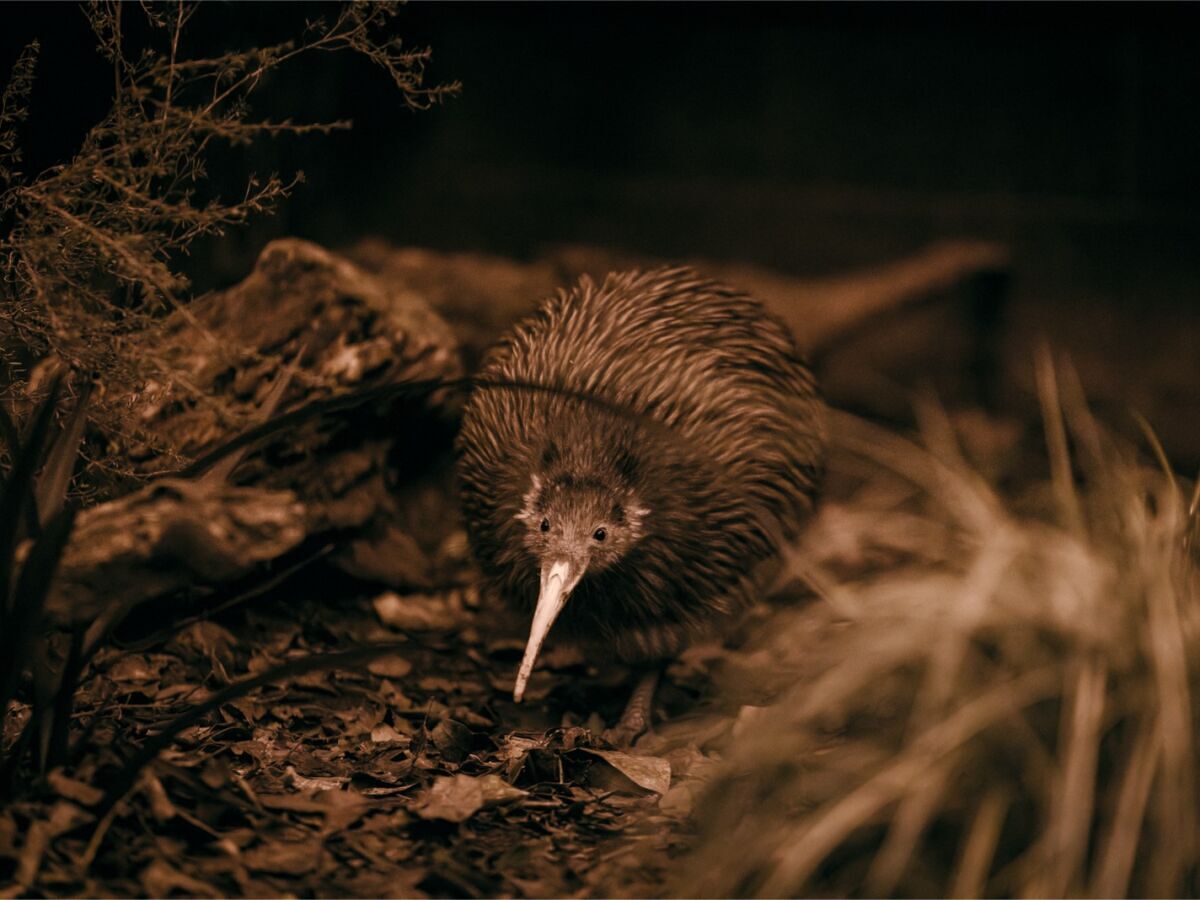
By raising these chicks in protected facilities until they reach this critical "stoat-proof" weight, the survival rate jumps to roughly 65 percent. To date, the National Kiwi Hatchery has successfully raised and released over 2,600 chicks. Each release is a victory, but as staff note, the raw numbers are secondary to the goal of restoring the ecological balance of the ngahere (forest).
Perspectives: Culture, Mythology, and Kaitiakitanga
To understand the kiwi, one must move beyond biology and into the realm of whakapapa—the Māori understanding that all things, from the forest floor to the human inhabitants, are genealogically linked.
Eraia Kiel, General Manager of the New Zealand Māori Arts and Crafts Institute at Te Puia, explains that the kiwi is a model of moral leadership in Māori lore. According to the legend of Tāne Mahuta, the god of the forest, the birds of the canopy were asked to descend to the ground to protect the root systems of the trees from insects. Only the kiwi accepted the challenge, sacrificing its ability to fly and the safety of the canopy to serve the collective.
"Kiwi represents a willingness to put the well-being of others ahead of himself," says Kiel. "It demonstrates values of courage, selflessness, and commitment to the collective." This story encapsulates the concept of kaitiakitanga, or guardianship. It is an active, ongoing responsibility to protect the natural world for future generations. For the Māori, the bird is not just a symbol of the country; it is a relative, a partner in the ongoing life of the land.
Official Responses and Ecological Implications
The conservation of the kiwi has forced a re-evaluation of how New Zealand interacts with its environment. Emma Bean, manager at the National Kiwi Hatchery, emphasizes that the effort is collaborative, involving the DOC, local iwi (tribal groups), and community volunteers.
"By helping save kiwi, you can save the forest," Bean explains. The survival of the kiwi is an indicator of the health of the entire ecosystem. When predator control is implemented to save the kiwi, other native species—such as the wētā (a large, flightless cricket) and various forest-dwelling plants—also thrive.
The recovery of the species has also led to a burgeoning eco-tourism industry that operates on a foundation of respect. At Zealandia, night tours are conducted with strict adherence to "no-touch" policies and the use of red-beam lighting, which is less disruptive to the birds’ nocturnal vision. Kristine Fix, who oversees these tours, notes that the uncertainty of a sighting is actually the appeal. "It’s about being in their home, on their terms," she says.
A Future in the Balance
The story of the kiwi is far from concluded. While the recovery efforts have been nothing short of miraculous, the species remains fragile. The impending return of Aituā to the wild—a bird who has spent decades as an ambassador in the hatchery—will be a landmark moment. It signifies the evolution of conservation from "keeping them safe" to "giving them back to the wild."
As visitors leave the dark, quiet sanctuary of the hatchery or the night-lit trails of Zealandia, they carry with them more than just a photo or a memory. They carry the awareness that the survival of the kiwi is a human responsibility. It is a living, breathing testament to what can be achieved when a society decides that its national identity is inextricably linked to the protection of its natural heritage.
The kiwi, having sacrificed its flight for the sake of the forest, now relies on the stewardship of the people to ensure that it never loses its place in the world. The work continues, one egg, one chick, and one hectare of forest at a time, ensuring that the call of the kiwi remains a permanent feature of the New Zealand night.
 Layla Zulfa
  Lina Irawan
  Nana
Nana 