
 By Raul Delapena Setiawan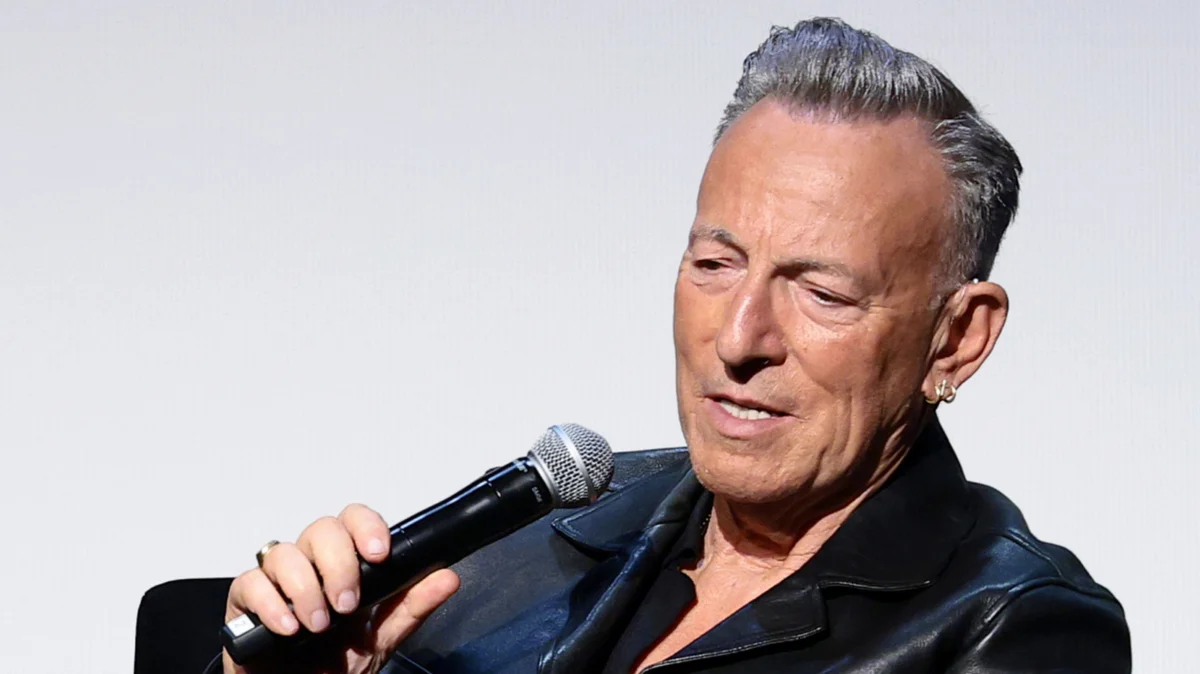
For over five decades, Bruce Springsteen has commanded global stages, crafting a sonic landscape that bridges the gap between gritty working-class realism and anthemic rock-and-roll majesty. From the synth-heavy, pulse-pounding energy of "Dancing in the Dark" to the haunting, Oscar-winning intimacy of "Streets of Philadelphia," The Boss has proven himself a master of the complex, the cinematic, and the deeply human. Yet, when the lights dim and the stadium roar fades, the culinary preferences of this music icon reveal a surprising, grounded simplicity.
In a recent candid moment on The Late Show with Stephen Colbert, during a segment known for its high-pressure, rapid-fire questioning, Springsteen was asked to define the "best sandwich." Without hesitation, the rock legend bypassed gourmet trends and artisanal deli offerings to name an American pantry staple: the peanut butter and jelly sandwich, specifically prepared in the quiet solitude of 3:00 a.m. and paired with a large glass of cold milk.
Main Facts: A Culinary Icon’s Humble Choice
The revelation, while seemingly modest, has resonated with fans worldwide, serving as a reminder that even the most legendary figures often find comfort in the nostalgia of childhood. For Springsteen, the 3:00 a.m. PB&J is more than just a snack; it is a ritual.
The structure of his preference is straightforward: high-quality bread, a generous application of peanut butter, and a sweet, fruity counterpart to round out the flavor profile. While Springsteen did not disclose his preferred ratio of nut butter to jelly—a subject of intense debate among culinary purists—the consensus on the "perfect" preparation often involves a specific technique: spreading peanut butter on both slices of bread to create a moisture-proof seal. This prevents the jelly from soaking into the bread and causing the dreaded "soggy sandwich" syndrome, a hallmark of poor craftsmanship in the world of comfort food.
Chronology: From Wartime Rations to Rock Star Staples
To understand why a man of Springsteen’s stature gravitates toward the PB&J, one must look at the historical trajectory of the sandwich itself. The peanut butter and jelly sandwich experienced a massive surge in popularity following World War II. During the war, soldiers were introduced to peanut butter and jelly as staple components of their rations, valued for their shelf stability, high caloric density, and ease of preparation in field conditions.
Following the war, the generation that grew up in the mid-century—a demographic that includes Springsteen—cemented the sandwich as a quintessential American snack. It became a symbol of domestic stability and convenience.
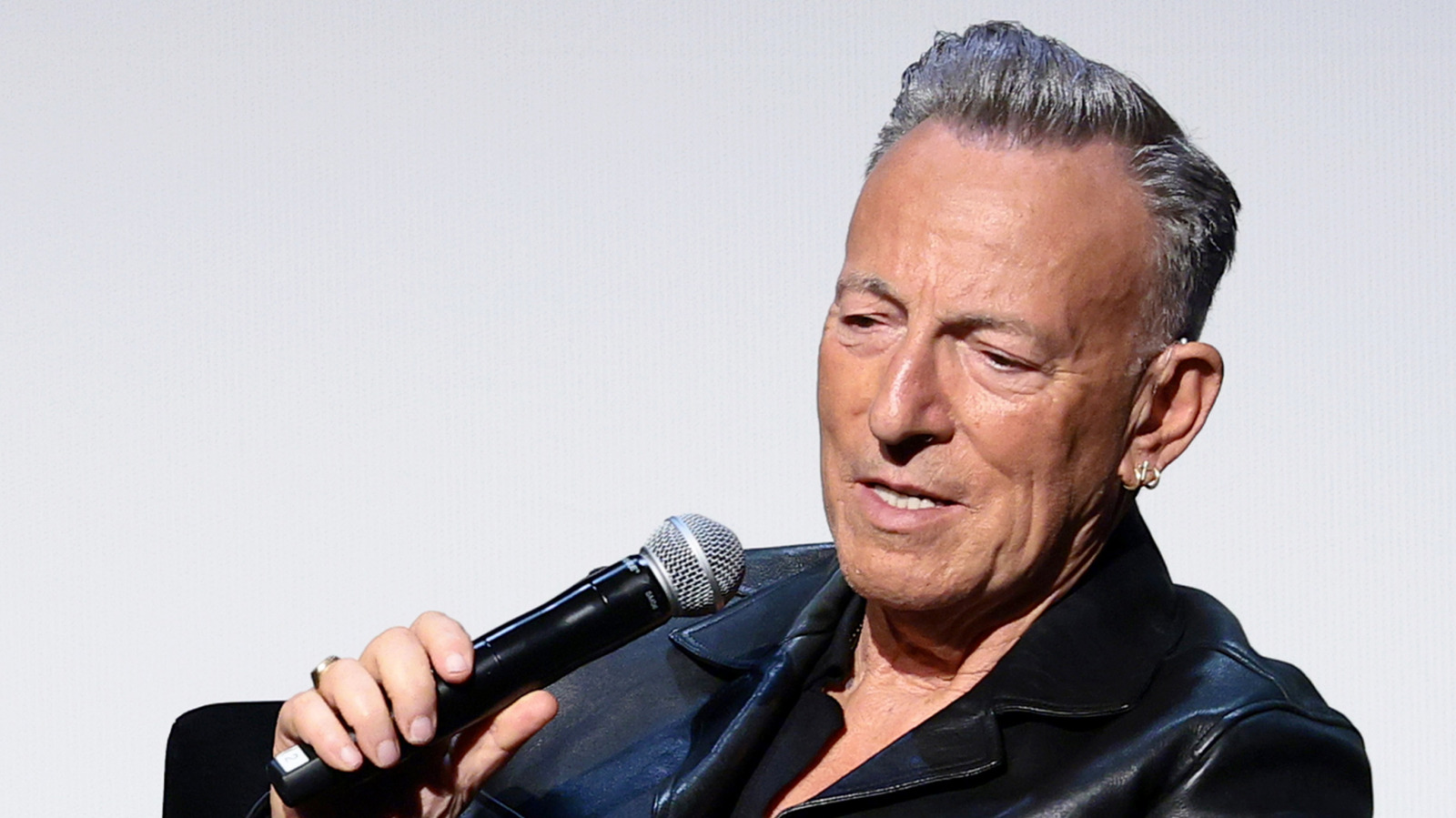
For the E Street Band leader, this history likely dovetails with his own upbringing in Freehold, New Jersey. In a childhood defined by the social and economic shifts of the 1950s and 60s, the PB&J was an egalitarian food—accessible, filling, and reliable. Even as he rose to international fame and redefined the sound of American rock, the 3:00 a.m. sandwich remains a tether to his roots, a way to anchor himself during the unconventional hours often kept by professional musicians.
Supporting Data: The Science of the "Boss’s" Palate
Beyond the nostalgia, there is a certain physiological logic to Springsteen’s late-night choice.
The Chemistry of Flavor
The combination of peanut butter and jelly is a masterclass in culinary balance. The peanut butter provides a rich, roasted, and savory fat profile that coats the palate. When contrasted with the high-sugar, acidic brightness of fruit jelly, it creates a "crave-able" sensory experience. The sugar in the jelly cuts through the heaviness of the nut butter, while the jelly’s fruit fragrance elevates the earthiness of the peanuts.
The Apple Connection
During the same Late Show interview, when pushed on his fruit preferences, Springsteen indicated a fondness for apples, specifically when paired with peanut butter. This is a common nutritional strategy for performers. The fiber content in apples provides a slow-release energy source, while the fat and protein in the peanut butter offer satiety. This pairing is significantly more nutritionally balanced than a standard sugary snack, providing a stable glycemic response—a critical factor for someone who maintains a rigorous touring schedule that demands high energy levels.
Nutritional Discipline
While the late-night sandwich might sound like an indulgence, Springsteen’s overall dietary habits are highly disciplined. He has previously noted that he often eats only one full, substantial meal per day. His day typically begins with light fruit, leading into a carefully managed dinner, and occasionally ending with his signature 3:00 a.m. snack.
Official Responses and Professional Habits
Springsteen’s dietary choices are not merely random; they are often dictated by the punishing physical requirements of his live performances. A typical Springsteen show can run for over three hours, requiring the stamina of an elite athlete.
The Pre-Show Ritual: Chicken Noodle Soup
When preparing for a performance, the focus shifts from the peanut butter and jelly of the post-show cool-down to something more restorative. It has been reported that before taking the stage, Springsteen favors a bowl of warm, soothing chicken noodle soup. The broth provides essential hydration and electrolytes, while the warmth is designed to soothe the vocal cords—a professional necessity for a singer who has built a career on gravelly, high-intensity vocals.
The Contrast of the Midnight Snack
There is a striking contrast between the "pro" diet of chicken soup and the "personal" diet of the midnight PB&J. The soup is functional; the sandwich is psychological. The act of making a sandwich at 3:00 a.m. speaks to the isolation of the songwriting process and the quiet reflection that follows a night of high-octane performance. It is a moment of stillness in an otherwise whirlwind life of tour buses, hotel rooms, and arena crowds.
Implications: The Democratization of the Icon
The public’s fascination with Springsteen’s favorite sandwich reveals a great deal about our relationship with celebrity culture. We are constantly searching for "the human" behind the icon. When we learn that the man who wrote "Born to Run" and "The Rising" eats the same lunch as a grade-school student, it demystifies the legend.
The "Everyman" Branding
Springsteen’s brand has always been built on the concept of the "Everyman." By embracing the simplicity of the PB&J, he reinforces his identity as a man of the people. It signals that despite his millions in record sales and his status as a cultural titan, his core values remain rooted in the simple pleasures of the American experience.
Culinary Authenticity in the Age of Trends
In an era where celebrity diets are often synonymous with restrictive fads, high-priced personal chefs, and superfood supplements, Springsteen’s endorsement of a classic PB&J is a breath of fresh air. It is an endorsement of "authenticity over optimization." It suggests that sometimes, the best solution to a problem—or a hunger pang—is the most straightforward one.
Conclusion
Bruce Springsteen’s preference for a peanut butter and jelly sandwich at 3:00 a.m. is more than a trivial fun fact; it is a testament to the power of comfort and the endurance of tradition. It bridges the gap between the man who sings of the American Dream and the reality of his own daily existence. Whether he is fueling up for a stadium tour or winding down in the quiet hours of the morning, The Boss reminds us that the most profound experiences in life don’t always require complexity. Sometimes, they just require two slices of bread, a jar of peanut butter, a little bit of jelly, and a cold glass of milk.
 Basiran
  Nana
Nana 