
 By Iffa Jayyana
The dust has settled on Amazon Prime Day, but for the UK’s thriving 3D printing community, the search for high-quality, cost-effective materials is far from over. In a rapidly evolving market, a new contender has emerged, challenging established retail giants with aggressive pricing strategies and a commitment to logistics that is raising eyebrows among hobbyists and professionals alike. JoyBuy, a burgeoning e-commerce platform now operating in the United Kingdom, has positioned itself as an "untapped goldmine" for 3D printing enthusiasts.
As the industry shifts away from the traditional dominance of monolithic retailers, JoyBuy’s current promotional surge—often compared by users to a mid-year Black Friday—offers a compelling case study in how new market entrants are leveraging deep discounts to capture consumer loyalty.
Main Facts: The JoyBuy Disruption
JoyBuy has recently launched its UK-facing online store and dedicated mobile application, targeting a demographic that demands both competitive pricing and rapid delivery. While the platform covers a wide array of categories, including general consumer tech, home goods, and groceries, its impact on the 3D printing sector has been the most pronounced.
The platform is currently hosting a site-wide promotional event that extends through June 30th. During this period, the retailer is offering pricing on 3D printing filament that has undercut standard market rates by a significant margin. For the average maker, the cost of consumables—specifically PLA and PETG filament—is the largest recurring expense. JoyBuy has introduced price points as low as £8.99 for a standard 1kg spool and, more surprisingly, £2.99 for smaller rolls, effectively lowering the barrier to entry for experimental printing.
Furthermore, the retailer is utilizing a tiered incentive structure, including a "6 for the price of 8" bundle deal that applies to major industry brands such as Anycubic, Elegoo, Creality, and CaiLab. By bundling these industry-standard materials, JoyBuy is not only attracting individual hobbyists but also smaller workshops that rely on bulk material consumption.
A Chronology of the Market Shift
The emergence of JoyBuy comes at a strategic inflection point for the 3D printing market.
- Pre-June 2024: The UK market was characterized by a reliance on Amazon and specialized hobbyist retailers. Price fluctuations were generally tied to seasonal sales events, such as Prime Day or Black Friday.
- Early June 2024: JoyBuy officially solidified its UK footprint, launching its localized interface and establishing regional distribution channels.
- Mid-June 2024: As Amazon Prime Day concluded, JoyBuy launched its "Mid-Year Sale." This timing was deliberate, capturing the attention of consumers who had already been primed to spend on tech but were disappointed by the lack of deep discounts on niche 3D printing consumables during the primary Prime event.
- Late June 2024: User feedback began to circulate on forums and social media, highlighting the speed of delivery—often occurring within 12 hours of order placement—which has historically been the "gold standard" benchmark set by Amazon.
Supporting Data and Consumer Experience
The skepticism surrounding new e-commerce platforms is a natural reaction to the prevalence of online scams. However, the operational model employed by JoyBuy relies on transparency and logistics-heavy infrastructure to build trust.
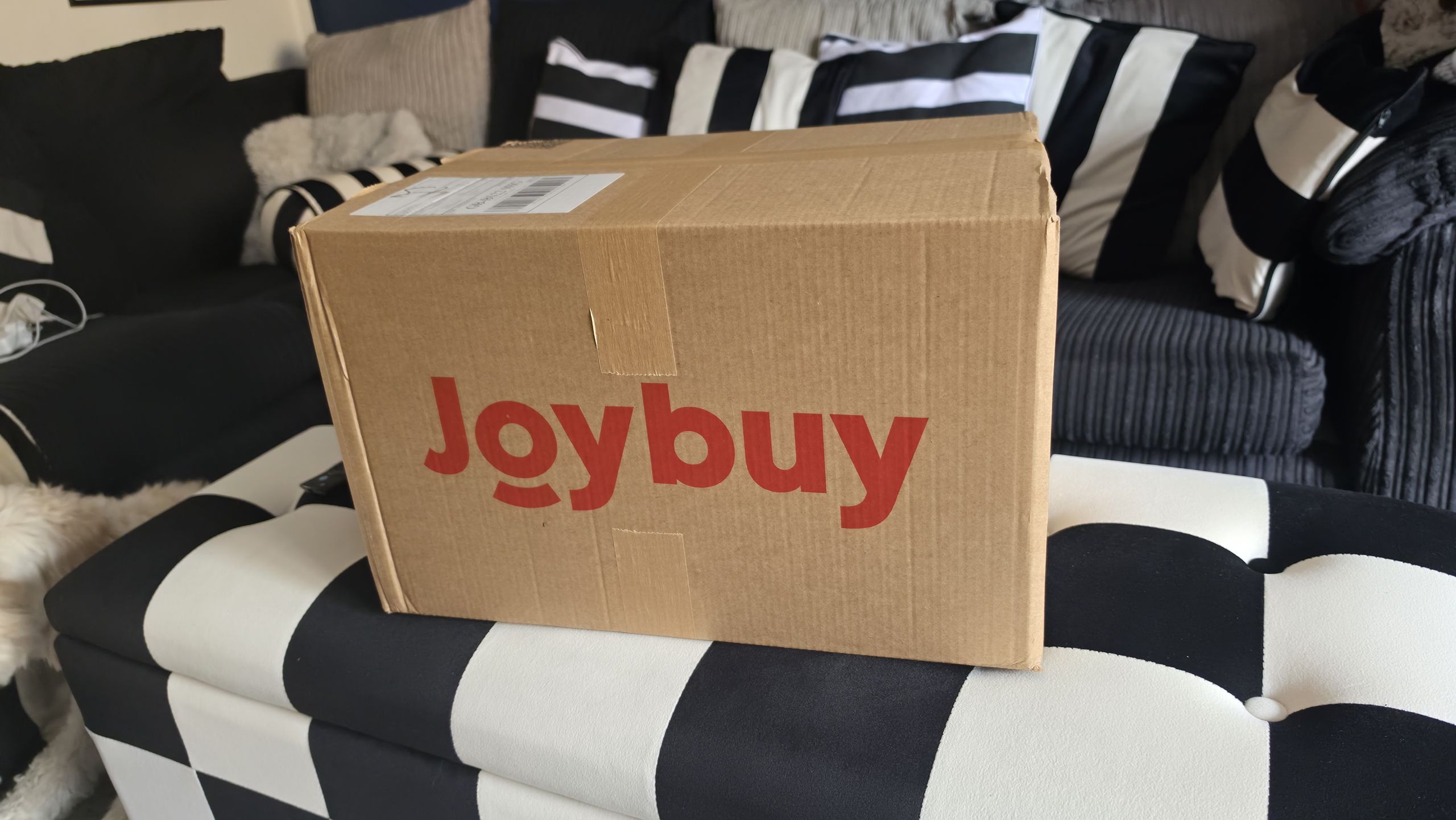
Direct user reports indicate that the fulfillment process is highly efficient. In a personal test case, an order placed through the JoyBuy app arrived in under 12 hours, with the packaging and product integrity meeting professional standards. This reliability is the cornerstone of the company’s "trustworthy shopping environment" marketing strategy.
The company is also incentivizing new user acquisition through referral programs. By providing discount codes—such as the widely circulating "ZSHF9K" which grants a £3 discount on first-time orders—JoyBuy is effectively reducing the "risk" for new customers to try a platform they are not yet familiar with.
Official Policies and Platform Protections
For a retailer to succeed in the UK, it must adhere to strict consumer protection laws. JoyBuy has preemptively addressed these concerns by outlining a comprehensive support framework:
- Traceability and Sourcing: The company claims to utilize authorized channels to source products directly, aiming to eliminate the counterfeit risk that occasionally plagues third-party marketplaces.
- Logistics: The offering of both same-day and next-day delivery options suggests a robust network of regional fulfilment centres rather than a reliance on international drop-shipping.
- Customer Service: The platform provides 24/7 online support, a move designed to bridge the gap between automated e-commerce and the need for human assistance during technical or shipping inquiries.
- Returns Policy: JoyBuy has implemented a 30-day "no-quibble" return policy. If a customer is dissatisfied with a product, they are eligible for a full refund, which serves as a significant safety net for those purchasing high-volume filament or expensive printer components.
Implications for the 3D Printing Industry
The entry of JoyBuy into the UK market has broader implications for the 3D printing ecosystem. First, it forces a pricing correction. When a new player can offer high-quality filament at sub-£10 price points, established retailers must either match these prices or offer added value—such as superior loyalty programs, community support, or specialized technical guidance—to retain their customer base.
Second, the competitive landscape is becoming increasingly fragmented. With Bambu Lab currently running its own anniversary sales (valid until July 15th), the consumer is currently in a "buyer’s market." For the maker, this means that the cost of entry for large-scale projects has dropped significantly.
However, the sustainability of these prices remains a point of speculation. Are these prices a permanent change to the market, or are they a "loss-leader" strategy designed to inflate user numbers during the launch phase? Regardless of the long-term outlook, the immediate result is a win for the consumer.
Conclusion: How to Navigate the Current Market
For those looking to stock up on materials, the advice is clear: take advantage of the current window. While JoyBuy’s aggressive pricing is turning heads, it is essential to remain pragmatic. Always verify the specific brand of filament being purchased—brands like Creality and Elegoo are proven commodities, and purchasing them from an authorized retailer ensures that the material quality remains consistent.
As you look to expand your 3D printing capabilities, keep a close eye on both the JoyBuy mid-year event and the ongoing Bambu Lab anniversary promotions. By diversifying where you shop, you can capitalize on the best deals available while keeping your workshop fully stocked at a fraction of the cost of last year’s prices.
Whether you are a seasoned engineer or a hobbyist printing your first models, this is a unique moment in the UK market. The competition between retailers is driving down costs and driving up the speed of service, ensuring that the future of 3D printing is not just more innovative, but significantly more affordable.
 Lina Hope
  Reynand Wu
  Pevita Pearce