
 By Reynand Wu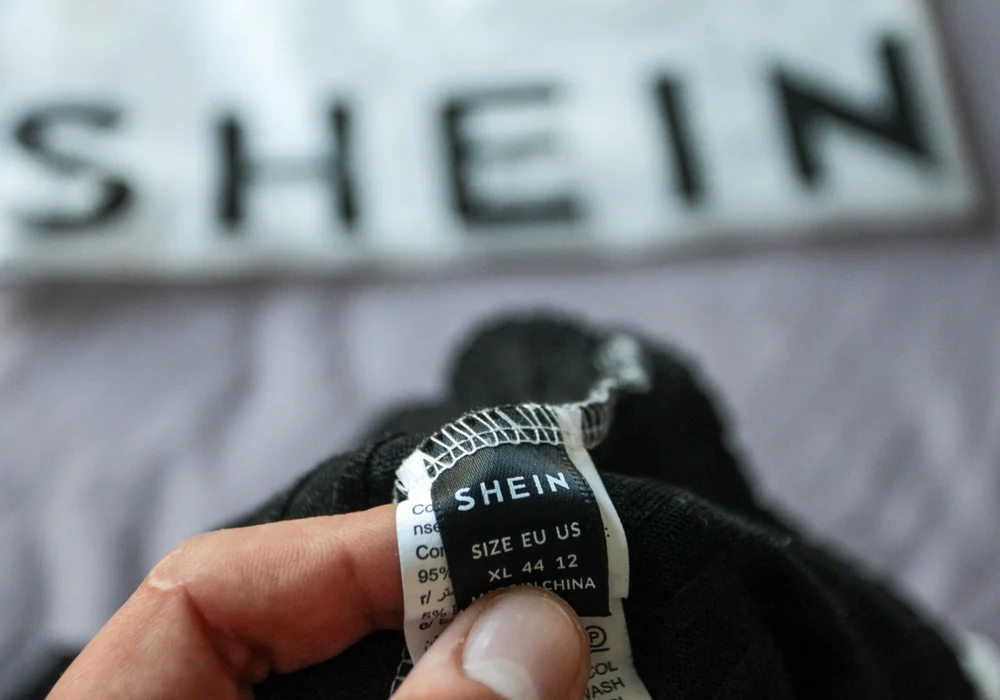
The rise of ultra-fast fashion has revolutionized global retail, turning runway trends into digital shopping cart staples within days. However, this velocity comes with a hidden, hazardous price tag. A landmark legal challenge initiated by the German environmental nonprofit Deutsche Umwelthilfe (DUH) has thrust Shein, the Singapore-headquartered e-tail juggernaut, into the center of a brewing regulatory storm. Following independent laboratory tests, the organization has accused the retailer of flooding the European market with products that contain dangerously high levels of hazardous chemicals, effectively bypassing established EU safety mandates.
The Findings: A Chemical Cocktail in the Closet
The investigation, conducted by DUH, analyzed 18 items sourced directly from Shein’s digital storefront. The results were startling: 15 of the 18 products—over 80 percent—contained concentrations of hazardous chemicals that exceeded European Union safety thresholds.
The findings painted a grim picture of product safety protocols. Among the most egregious violations was a pair of women’s boots found to contain a reproductive-toxic plasticizer at a concentration 179 times higher than the legal limit permitted by EU law. Even more alarming was a jacket marketed specifically to teenagers, which contained polyfluorinated compounds—commonly referred to as "forever chemicals" or PFAS—at levels 12,000 times higher than the allowable limit.
Beyond these specific outliers, the breadth of the contamination was systemic. Nearly 40 percent of the total items tested were deemed unfit for the European market. Beyond the PFAS, the analyses identified a range of toxic substances, including lead, chromium, and nickel—heavy metals notoriously linked to organ failure and various forms of cancer. Furthermore, researchers detected the presence of N,N-dimethylformamide, a solvent known for its liver toxicity.
"Hazardous chemicals are not an accident," said Viola Wohlgemuth, DUH’s senior expert on textiles and the circular economy. "They are the price of a business model built on maximum speed."
A Chronology of Compliance Challenges
The DUH findings represent the latest chapter in a long-standing pattern of regulatory friction for Shein. The company’s meteoric rise, fueled by algorithmic trend-spotting and a massive supply chain of thousands of small-scale workshops in China, has consistently invited scrutiny from global regulators.
- Early 2023: Growing concerns over environmental impacts led to increased legislative chatter in Europe regarding the "disposability" of ultra-fast fashion.
- February 2024: The European Commission launched a formal investigation into Shein under the Digital Services Act (DSA). The probe was initiated to examine the firm’s "addictive design" tactics, lack of transparency in algorithmic product recommendations, and the sale of illegal goods, including content related to child safety.
- Mid-2024: Various European nations, including France and the Netherlands, began calling for a coordinated, continent-wide crackdown on ultra-fast fashion platforms, citing both environmental concerns and consumer safety.
- Current Status: DUH has confirmed it will submit its latest test results directly to the European Commission as supplementary evidence for the ongoing DSA investigation, significantly increasing the pressure on the e-tailer.
The Business Model Under Scrutiny
Industry analysts and environmental advocates argue that the presence of these chemicals is a direct consequence of the "ultra-fast" model. In a traditional retail cycle, products undergo lengthy testing, sourcing, and quality assurance phases. Shein’s model, by contrast, relies on a "test and repeat" cycle where thousands of new designs are uploaded daily.
Critics contend that this speed makes thorough compliance checking physically impossible. When the goal is to produce and ship thousands of items in under a week, the rigorous, time-consuming chemical testing required to ensure safety under EU law is often sidelined.
"What is the point of having chemical safety limits if they are not enforced?" Wohlgemuth questioned. The NGO is now pushing for a much harder line: it is demanding that the German government and the European Union implement effective sanctions, including the permanent exclusion of repeat offenders from the European market.
Official Responses and Corporate Mitigation
In the wake of the DUH report, Shein has attempted to strike a conciliatory and proactive tone. The company confirmed that it has delisted the specific items identified in the report while its internal product safety and compliance teams conduct a "site-wide review" of related products.
"Earning and maintaining the trust of our customers is fundamental to our business," a Shein spokesperson stated. The company emphasized its commitment to high standards and noted that it mandates all vendors to adhere to a strict code of conduct. Furthermore, the firm pointed to its partnerships with internationally recognized testing agencies—such as Bureau Veritas, Intertek, QIMA, SGS, and TÜV SÜD—as evidence of its commitment to safety.
However, industry observers note that the reliance on third-party testers is often a reactive measure. When products are sourced from thousands of independent, low-cost factories, maintaining uniform quality control remains the company’s greatest operational hurdle. Critics argue that until the fundamental pace of the business model is slowed, such incidents of contamination will likely remain a systemic feature rather than a manageable outlier.
Implications: A Looming Legislative Overhaul
The implications of this incident extend far beyond the removal of a few pairs of boots or jackets. The report has invigorated the push for the European Union’s revised Waste Framework Directive, which Germany is currently moving to implement through its upcoming national Textile Act.
Barbara Metz, Executive Director of DUH, has called on Federal Environment Minister Carsten Schneider to use this moment to transform the proposed legislation into a "genuine anti-fast fashion act." The proposal from DUH is radical but gaining traction: they are calling for "producer fees" that are directly linked to environmental and safety criteria.
Under this framework, companies that produce durable, low-toxic, and circular textiles would pay lower fees, while those that place toxic, short-lived, and difficult-to-recycle products on the market would be hit with significantly higher levies. As Jochen Flasbarth, state secretary at the Federal Ministry for the Environment, recently noted, "producing cheap disposable clothing can no longer be a competitive advantage."
The Road Ahead
The clash between Shein and European regulators marks a turning point in the global fashion industry. For years, the convenience of cheap, trendy clothing has masked the environmental and health costs of the production process. Now, with the weight of the European Commission’s DSA probe and the concrete data provided by groups like DUH, the regulatory environment is shifting from one of voluntary compliance to one of strict, enforced accountability.
For Shein, the challenge is clear: it must prove that its model can be both fast and safe—a feat that many experts currently believe is mutually exclusive. As the German government weighs its upcoming Textile Act, the message to ultra-fast fashion giants is growing increasingly blunt: the era of unchecked growth at the expense of public health is reaching its limit.
Whether this legal pressure leads to a fundamental shift in how global fashion platforms operate or merely results in a temporary "cleaning up" of inventories remains to be seen. What is certain is that the "toxic cocktail" of fast fashion is no longer being ignored by those with the power to draft the laws that govern the European market. The future of retail may well depend on whether these companies can pivot toward sustainability, or if they will be legislated out of the markets they have spent years dominating.
 Nana Muazin
  Nana
Nana  Ali Ikhwan