
 By Asep Darmawan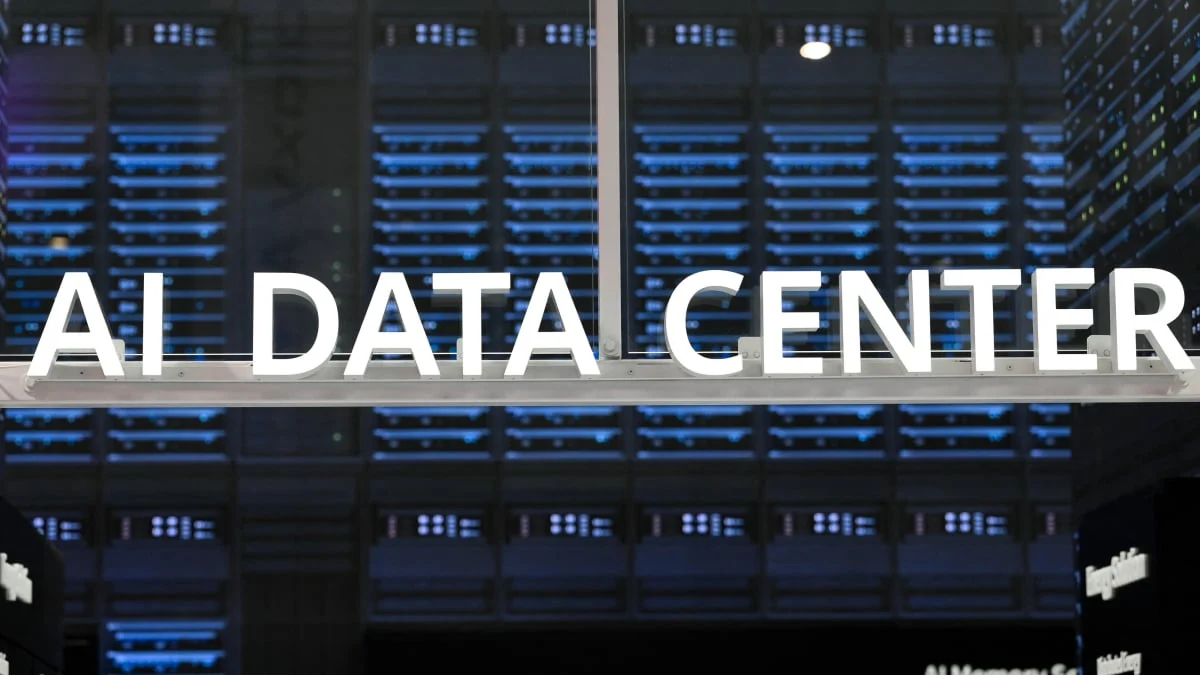
Main Facts: The Onset of ‘RAMageddon’
The global consumer technology market is on the verge of a pricing crisis. Industry analysts are warning of an impending and severe spike in random-access memory (RAM) and storage prices—a phenomenon now widely referred to as "RAMageddon." According to semiconductor market research, memory chip pricing is projected to rise by nearly 50 percent in the third quarter of 2026 alone, with further compounded increases scheduled through the end of the decade.
This dramatic shift is driven by a structural imbalance between supply and demand. The rapid expansion of artificial intelligence (AI) infrastructure has forced major memory manufacturers to reallocate their production capacities. Leading chipmakers, including Samsung Electronics, SK Hynix, and Micron Technology, have diverted significant portions of their silicon wafer production to manufacture high-bandwidth memory (HBM) and enterprise-grade DDR5 RAM. These high-margin products are essential for powering the massive data centers operated by AI hyperscalers such as Microsoft, Google, Meta, and Amazon.
Consequently, the supply of standard consumer-grade memory has contracted sharply. The effects of this shortage are already cascading down the global supply chain, impacting everything from personal computers and smartphones to home video game consoles. Consumers planning to build new PCs, upgrade existing systems, or purchase new consumer electronics are being urged to act immediately, as retail prices are expected to rise to unprecedented levels over the coming months.
Chronology: From the AI Boom to the 2026 Memory Crunch
The roots of the current memory crisis trace back to the sudden acceleration of generative artificial intelligence development in late 2022 and early 2023. This technological shift altered the long-term capital expenditure plans of the world’s largest technology companies.
[2023–2024] ──> [Mid-2025] ──> [Q3 2026] ──> [Q4 2026] ──> [2027–2028]
  AI Boom         Fabrication     40-50%       30-40%       Shortages
Begins Shift Price Hike Price Jump Persist- 2023–2024: The AI Infrastructure Land Grab: Hyperscalers and cloud service providers began purchasing AI graphics processing units (GPUs) in unprecedented quantities. Because modern AI training clusters require vast pools of ultra-fast memory to process LLMs (Large Language Models), demand for HBM surged.
- Mid-2025: The Fabrication Reallocation: Realizing that AI-related memory offered significantly higher profit margins than standard consumer DDR4 and DDR5, major semiconductor fabricators shifted their production lines. Silicon wafer allocation was redirected away from consumer DRAM and NAND flash memory toward enterprise solutions.
- Early 2026: Supply Depletion: Retail inventories of consumer-grade memory modules began to dry up. The buffer stocks held by original equipment manufacturers (OEMs) like Dell, HP, and Lenovo reached critically low levels.
- Third Quarter of 2026 (July 1 – September 30): The Initial Spike: Analysts project an immediate price increase of 40 to 50 percent for DRAM and NAND flash products.
- Fourth Quarter of 2026 (October 1 – December 31): Compounded Inflation: Memory prices are forecast to jump an additional 30 to 40 percent on top of the Q3 increases, timing directly with the holiday shopping season.
- 2027–2028: Prolonged Deficit: Industry forecasters project that memory price hikes will continue with a year-on-year increase of 40 to 45 percent in 2027, with structural shortages expected to persist until at least 2028.
Supporting Data: Breaking Down the Projected Price Hikes
Data compiled by Jefferies Equity Research highlights the severity of the impending market correction. The firm’s analysts point out that the memory market is highly cyclical, but the current upswing is anomalous due to the inelastic demand from enterprise AI buyers.
Projected Memory Price Increases (2026–2027)
| Period | Projected Price Increase (Quarter-on-Quarter / Year-on-Year) | Primary Driver |
|---|---|---|
| Q3 2026 | 40% – 50% QoQ | Rapid depletion of consumer DRAM inventories; shift to HBM3e/HBM4 production. |
| Q4 2026 | 30% – 40% QoQ | Holiday demand peak coupled with near-zero supply elasticity from Tier-1 fabricators. |
| Full Year 2027 | 40% – 45% YoY | Continued prioritization of enterprise silicon; delayed impact of new fabrication plant online dates. |
The financial metrics suggest that the consumer market is losing the bidding war for silicon wafers. A standard consumer PC typically utilizes 8GB to 32GB of DDR5 RAM, generating relatively low margins for manufacturers. In contrast, an enterprise-grade AI server can require terabytes of specialized High Bandwidth Memory, which commands a massive price premium. As long as venture capital and corporate budgets continue to fund AI infrastructure, chipmakers have little economic incentive to reallocate production back to lower-margin consumer products.
Official Responses: Insights from Manufacturers and Tech Giants
The corporate entities at the center of the global supply chain have begun preparing their investors and partners for a prolonged period of scarcity.
Micron Technology
In recent guidance, Micron Technology warned that its production capacity for the foreseeable future is heavily committed to enterprise buyers. Company representatives noted that the industry-wide transition to advanced node memory architectures has reduced overall wafer throughput for standard consumer products. Micron expects these tight supply conditions to persist through 2028, suggesting that relief is not on the horizon.
Western Digital
Western Digital, a leading manufacturer of flash memory and hard drives, revealed the extreme nature of the supply constraints in a disclosure to its enterprise partners. The company stated that its "top seven customers"—consisting primarily of major cloud service providers and AI infrastructure developers—had effectively purchased its entire storage and memory output for the fiscal year. Furthermore, Western Digital confirmed that these top-tier buyers are already securing supply agreements extending into 2028, leaving virtually no excess capacity for the open consumer retail market.
Consumer Tech Giants: Apple and Microsoft
Faced with soaring component costs, major hardware brands have quietly adjusted their pricing structures:
- Apple has adjusted the retail pricing of its MacBook lineup, with some high-tier configurations seeing price increases of up to $500. Analysts attribute this directly to the rising costs of the unified memory architecture integrated into Apple’s M-series silicon.
- Microsoft has enacted price hikes of up to $150 on its Xbox Series gaming consoles in several markets, citing increased manufacturing and component sourcing expenses.
Broad-Scale Implications: The Consumer and Enterprise Fallout
The implications of "RAMageddon" extend far beyond the DIY PC building community, threatening to disrupt multiple sectors of the global technology ecosystem.
1. The Gaming Hardware Crisis and the Next-Generation Console Dilemma
The console gaming market is highly sensitive to component pricing. Historically, console manufacturers like Sony and Microsoft have relied on selling hardware at or near cost, recouping losses through software sales and digital subscriptions. The memory shortage threatens to break this business model.
Recent industry leaks regarding Sony’s upcoming PlayStation 6 console highlight this challenge. Analysts estimate that given the current and projected trajectory of GDDR7 memory pricing, the PlayStation 6 would cost Sony a minimum of $960 per unit just to manufacture.
Estimated PS6 Manufacturing Cost Breakdown (Projected)
┌─────────────────────────────────────────┐
│ Memory (GDDR7 / High-Speed Storage)     │ 40%
├─────────────────────────────────────────┤
│ SoC (APU / Custom AMD Silicon)          │ 35%
├─────────────────────────────────────────┤
│ Cooling, Power, & Chassis               │ 15%
├─────────────────────────────────────────┤
│ Assembly, Shipping, & Margins           │ 10%
└─────────────────────────────────────────┘
Faced with the prospect of selling a console at a massive loss or releasing it at a retail price close to $1,000—which would severely limit market adoption—Sony is reportedly considering delaying the launch of the PlayStation 6 until 2028 or later, hoping that global memory production capacities will have normalized by then.
2. PC Builders and the Rise of "System Under-Spec’ing"
For the personal computer market, the price hikes mean that mid-range and budget PC builds will become significantly more expensive. System builders may be forced to compromise on system specifications, opting for 8GB of RAM instead of the modern 16GB or 32GB standards, or choosing slower DDR4 memory over modern DDR5. This compromise will ultimately bottleneck software performance, as modern operating systems and productivity applications continue to demand more memory.
3. The Smartphone Market and On-Device AI
The mobile phone industry is also facing a major bottleneck. As smartphone manufacturers push "on-device AI" as a key marketing feature, the memory requirements for mobile devices have skyrocketed. Running large language models locally on a smartphone requires a minimum of 12GB to 16GB of high-speed LPDDR5X RAM. With memory prices soaring, smartphone manufacturers will either have to raise retail prices for flagship devices or limit advanced AI features to premium, high-cost models, widening the gap between entry-level and flagship devices.
Strategic Outlook: Navigating a High-Cost Tech Landscape
The global semiconductor market is entering a highly challenging period for consumers. The prioritization of artificial intelligence infrastructure has permanently altered the economics of silicon fabrication. With major fabricators fully booked by enterprise clients through 2028, the consumer electronics market must adapt to a low-supply, high-cost environment.
For consumers, the strategic advice from market analysts is straightforward: those requiring hardware upgrades, new computers, or storage devices should purchase them immediately. With Q3 2026 projected to trigger a massive 40 to 50 percent price hike, the current retail pricing for RAM and SSDs likely represents the lowest cost consumers will see for several years. As "RAMageddon" approaches, early planning remains the most effective defense against the rising costs of the digital age.
 Asro
Asro  Nila Kartika Wati
  Siti Muinah