
 By rifanmuazin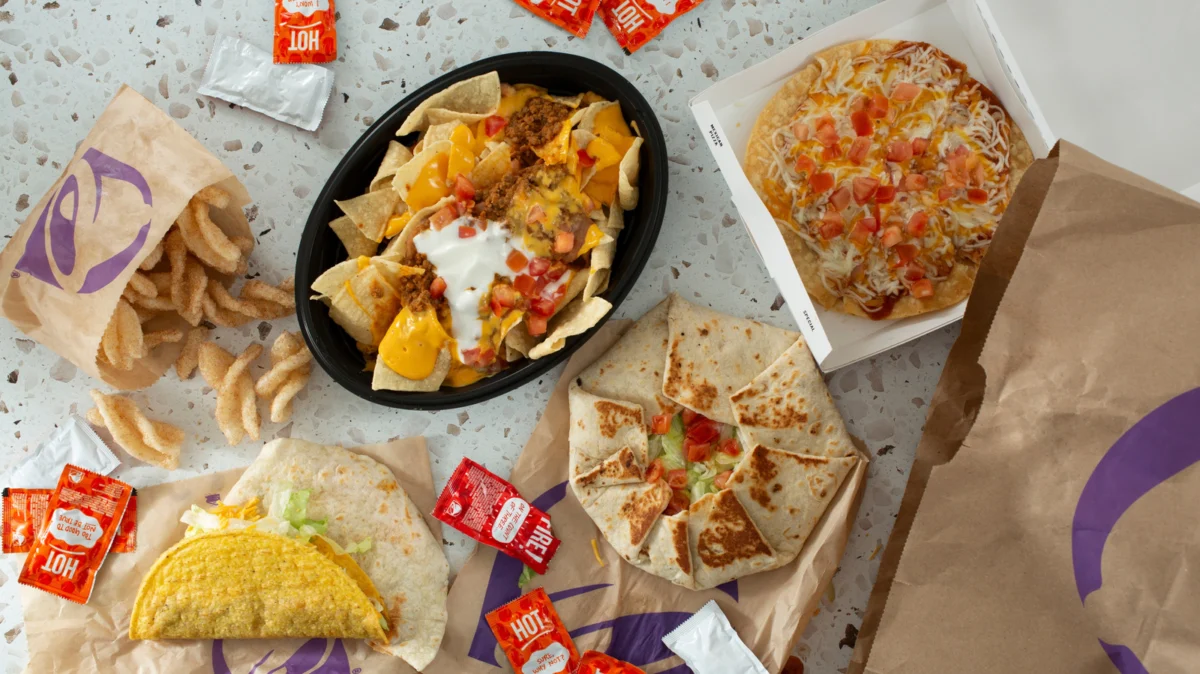
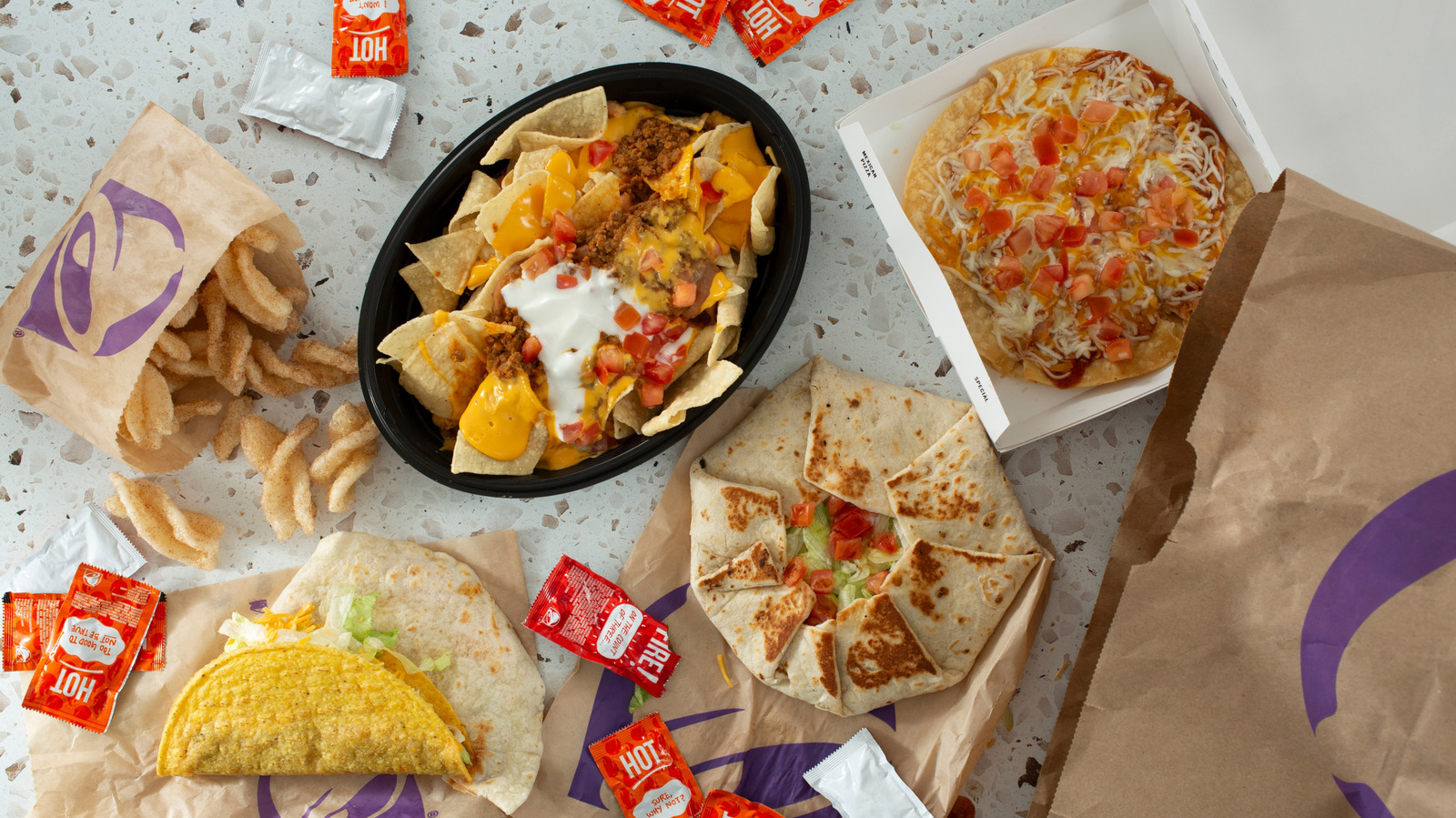
For decades, Taco Bell has stood as the undisputed titan of American fast-food innovation. With its neon-lit aesthetic, cult-classic menu items like the Crunchwrap Supreme, and a marketing strategy that successfully branded the late-night snack as the "Fourth Meal," the chain has cultivated a level of brand loyalty that most fast-food competitors can only dream of. Yet, beneath the surface of this vibrant, sauce-packet-filled empire, a storm is brewing.
An increasing number of once-devoted patrons are taking to social media, forums, and even legal arenas to voice their deep-seated frustrations. What was once a destination for affordable, inventive, and reliable comfort food is now frequently criticized for its pricing, shrinking portions, and an identity crisis rooted in menu instability. This analysis explores the eight most significant points of contention currently plaguing the Taco Bell experience.
1. The Volatile Menu: The Tragedy of the Volcano Line
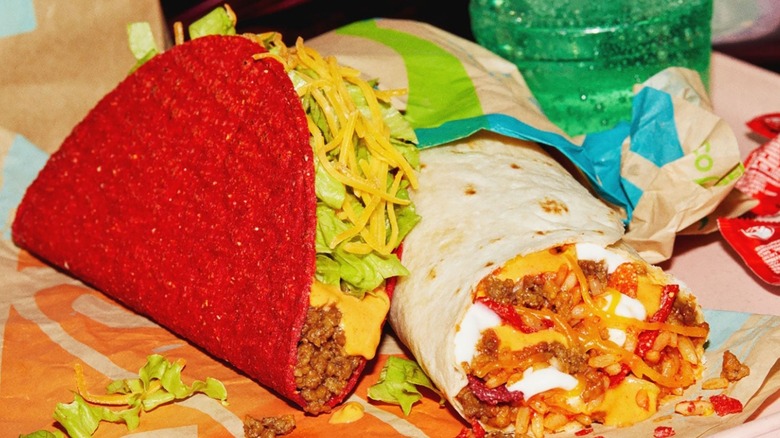
The most frequent lament among Taco Bell enthusiasts is the "now you see it, now you don’t" nature of the menu. No item illustrates this better than the Volcano Menu. First introduced in 1995 to promote the film Congo, the lineup—specifically the iconic Lava Sauce—became a cultural phenomenon.
A Chronology of Disappointment
The history of the Volcano Menu is a timeline of brief, tantalizing reappearances followed by heartbreak. After its initial run, the menu has seen sporadic revivals in 2016, 2023, and most recently, 2026. Fans have flooded forums like Reddit with desperate pleas, with some going as far as to state they would pay a premium just for a single Volcano Taco.
The core issue is that Taco Bell treats these beloved items as "limited-time offers" (LTOs) rather than permanent staples. This strategy, often compared to the scarcity marketing of the McDonald’s McRib, has backfired with the most loyal customer base. Instead of creating excitement, it has created a sense of "menu fatigue," where fans feel taunted by the periodic return of ingredients they believe should be part of the brand’s core identity.
2. Skyrocketing Prices: The End of the Value Era
Perhaps the most damaging shift in the customer perception of Taco Bell is the rapid erosion of its status as a budget-friendly option. Historically, Taco Bell was the go-to choice for college students and families looking for a caloric bang-for-their-buck.
Economic Realities vs. Consumer Perception
The price jumps are stark when viewed through a historical lens. In 2010, the Beefy Five-Layer Burrito was a staple at a mere $0.89. Today, that same item often retails for over $5.00. Similarly, the chicken quesadilla has jumped from a modest $1.89 in 2001 to upwards of $7.00 in many markets.
When the price of a single, simple item increases by over 300% in a decade, it is inevitable that the consumer will feel exploited. Customers have increasingly noted that for the current price of a Taco Bell meal, they could visit a fast-casual restaurant or a local taqueria, where the food quality is perceived to be significantly higher.
3. The Shrinkflation Phenomenon: Less for More
While prices have climbed, the physical size of the menu items has moved in the opposite direction. "Shrinkflation"—the practice of reducing product size while maintaining or increasing the price—has become a central point of attack for the Taco Bell community.
In 2023, this frustration reached a boiling point when a class-action lawsuit was filed against the company. The plaintiffs alleged that the company engaged in false advertising, utilizing product imagery that depicted significantly larger, more ingredient-dense items than the "flat, tiny" versions actually served at the drive-thru window. This disconnect between expectation and reality has eroded trust, leaving many to wonder if they are paying a premium for a "toddler-sized" portion.
4. Inconsistency and Quality Control
One of the primary value propositions of a global franchise is consistency. A customer in New York should, in theory, receive the same quality product as a customer in California. However, Taco Bell’s reliance on a massive, decentralized franchise model has led to significant variance.
The "Quesadilla Lottery"
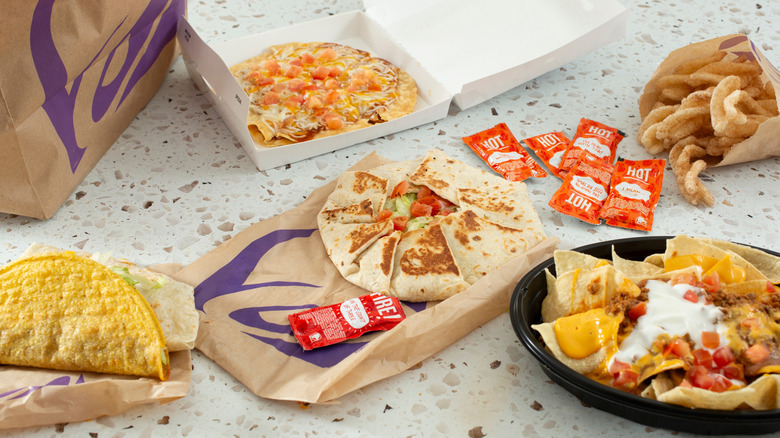
Quality control issues, particularly with heated items like quesadillas and Crunchwraps, are rampant. Customers report receiving items that are cold, improperly sealed, or lacking essential ingredients like sauces. When a menu item relies on the proper melting of cheese or the structural integrity of a tortilla, inconsistent execution can turn a signature dish into a "goopy" mess. This inconsistency forces customers to gamble with their money every time they place an order.
5. The Drive-Thru Dilemma: Speed Over Accuracy
Taco Bell’s business model is built on high-volume, high-speed throughput. Unfortunately, this operational focus has created a culture where accuracy is sacrificed at the altar of efficiency.
The Human Factor
Many former employees have pointed to the intense pressure of corporate-mandated "timer" goals. When staff are forced to compete for the fastest drive-thru times, mistakes are inevitable. Customers report that their orders are wrong or incomplete at an alarming frequency, leading to the "check the bag" culture, where patrons must verify their order before leaving the premises. This adds friction to a process that is supposed to be defined by its convenience.
6. The Guacamole Controversy: A "Chemical" Reputation
Among the many ingredients at Taco Bell, the guacamole is widely considered the "black sheep." Unlike authentic, fresh-made guacamole found at modern fast-casual chains, Taco Bell’s version is frequently mocked for its color, texture, and perceived artificiality.
Social media platforms are littered with disparaging remarks, with some users going so far as to question if the product is even derived from fresh avocados. When an add-on item—which typically carries a surcharge—is viewed by the public as "green chemical mush," it reflects poorly on the brand’s commitment to quality ingredients.
7. The Loss of Legacy Items
Taco Bell has a habit of "cleaning house" to make room for new LTOs, but this constant churn has alienated long-time fans who mourn the loss of items like the Enchirito, the Seven-Layer Burrito, and the Loaded Grillers.
This strategy creates a disconnect between the brand and its heritage. While the company aims to innovate, it often does so at the expense of its most nostalgic and reliable sellers. The resulting frustration has led some consumers to abandon the brand entirely, feeling that the "good stuff" is permanently off the table.
8. Service Standards and Staff Interaction
Finally, the "human element" of the Taco Bell experience has faced growing scrutiny. Reports of rude or indifferent staff are common, particularly regarding the use of self-ordering kiosks.
Many customers feel that the shift toward automation has led to a degradation in customer service, with staff sometimes appearing annoyed when asked for assistance at the counter. When the combination of higher prices, smaller portions, and an incorrect order is paired with a dismissive or rude service interaction, the cumulative effect is a brand experience that feels increasingly hostile to the consumer.
Implications and Official Responses
The implications for Taco Bell are serious. In an era where digital feedback is instantaneous and viral, the company cannot afford to ignore these widespread grievances.
While Taco Bell has occasionally addressed these concerns through "limited-time" bring-backs of popular items, these are often viewed as temporary bandaids rather than systemic solutions. The core issue remains: Taco Bell is struggling to balance its identity as a cheap, fun, late-night option with the financial pressures of a modern, inflationary economy.
As the company looks toward the future, the challenge will be to reconcile its operational efficiency with the consumer demand for value and quality. Whether the chain chooses to simplify its menu, invest in better training, or reconsider its pricing architecture will determine whether it can maintain its status as the king of fast food or if it will continue to lose its most vocal and loyal supporters to the growing list of competitors in the fast-casual space.
 Neng Nana
  Raul Delapena Setiawan
  Basiran