
 By Jia Lissa
For over a century, the hot dog has stood as an immovable pillar of the American culinary landscape. It is the quintessential ballpark snack, the reliable centerpiece of backyard barbecues, and the ultimate "no-fuss" meal. Yet, for all its cultural significance, the hot dog has remained remarkably stagnant. While the world of gastronomy has seen the rise of artisanal burgers, craft tacos, and gourmet pizza, the humble frankfurter has largely been confined to the familiar trifecta of yellow mustard, ketchup, and relish.
However, a quiet, flavorful revolution is underway. By borrowing from the meticulous craftsmanship and flavor-layering techniques of Japan, home cooks and chefs alike are transforming this "passé" staple into a complex, umami-forward experience. This evolution isn’t just about changing toppings; it is a fundamental reimagining of what a hot dog can be.
The Foundations of the Japanese-Style Hot Dog
To understand why Japanese-inspired hot dogs are gaining traction, one must first understand the core tenets of Japanese cuisine: umami (the fifth taste), textural contrast, and the thoughtful application of yakumi (condiments and seasonings).
In Japan, the philosophy of eating is often centered on balance. A meal is rarely just one note; it is a composition. When applied to the hot dog, this means moving away from the singular, one-dimensional tang of standard yellow mustard. Instead, the focus shifts to creating a sensory experience where the diner encounters a symphony of sensations: the snap of the sausage, the pillowy softness of the bun, the creaminess of specialized sauces, and the crunch of fresh or fried aromatics.
The Role of Umami
Umami—the savory, meaty depth that defines dishes like miso soup and ramen—is the secret weapon of the Japanese-style hot dog. By utilizing ingredients rich in glutamates, such as seaweed (nori), bonito flakes (katsuobushi), or soy-based sauces like teriyaki and tonkatsu, the flavor profile of a standard pork or beef sausage is instantly amplified. These ingredients don’t just sit on top of the dog; they interact with the protein to create a deeper, more resonant savoriness.
Textural Contrast
In Western cooking, textures are often relegated to the background. In Japanese cuisine, texture is a primary ingredient. A Japanese-style hot dog utilizes a deliberate hierarchy of textures: the "pop" of a high-quality sausage casing, the velvety richness of Kewpie mayonnaise, and the sharp, crisp bite of fresh daikon or the shattering crunch of crispy fried onions.
Chronology: From German Sausage to Global Sensation
The history of the hot dog in Japan is a fascinating study in cultural adaptation. While the hot dog is viewed as an American icon, its origins are firmly European—specifically Germanic.
- Early 1900s: German immigrants and merchants introduce sausage-making techniques to Japan. At this stage, the sausage is a novelty, consumed primarily by the elite or in specialized urban settings.
- Post-WWII Era: As Japan begins to rapidly modernize and westernize its diet, "yoshoku" (Western-style Japanese food) becomes a culinary movement. The hot dog begins to appear in cafes and department store basements, often adapted to be smaller, sweeter, or served with unique local sauces.
- Late 20th Century: The rise of Japanese snack culture—marked by the invention of the fluffy egg sando and the refinement of the corn dog—lays the groundwork for a more experimental approach to street food.
- 2005: The founding of Japadog in Vancouver, British Columbia, serves as a watershed moment. By taking the classic North American street food and applying the rigorous standards of Japanese flavor-layering, the founders proved that the hot dog could be a gourmet destination item.
- Present Day: The "Japadog" concept has migrated back into the global consciousness. With the mainstream availability of Japanese pantry staples like Kewpie mayonnaise, bonito flakes, and high-quality soy glazes, the Japanese-style hot dog has transitioned from a niche street food to a legitimate home-cooking trend.
Supporting Data: Why the Components Matter
The transformation of the hot dog is not merely an aesthetic exercise; it is a scientific one. When comparing a standard American hot dog to its Japanese-inspired counterpart, the differences in ingredient composition provide the "why" behind the enhanced flavor.
The Sausage Selection
While the standard grocery store frankfurter is often a mystery of emulsified meats, the Japanese approach encourages the use of sausages with distinct textural profiles.
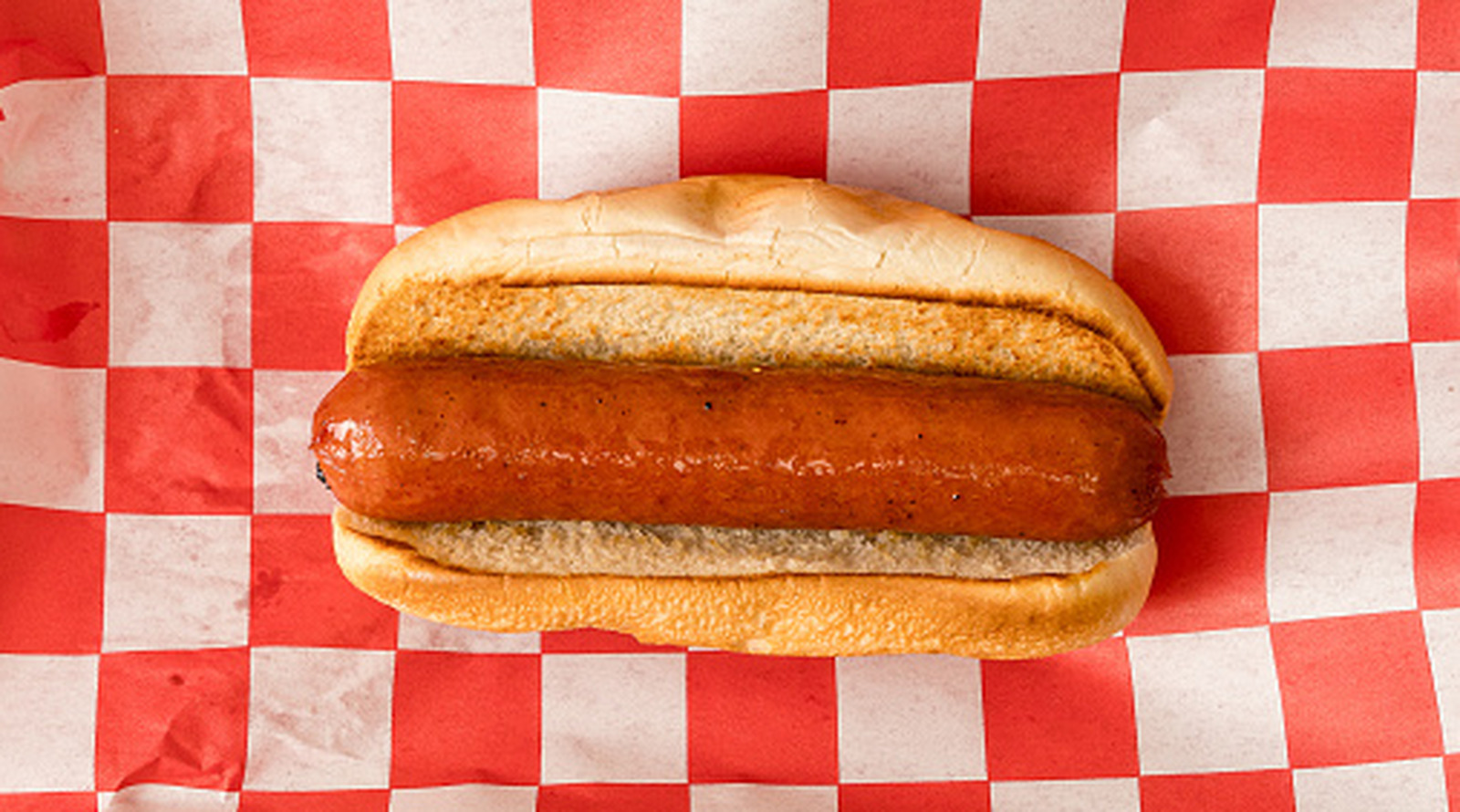
- Arabiki: A Japanese style of coarse-ground sausage that offers a superior "snap" compared to traditional, finely-blended American franks.
- Kurobuta: Derived from Berkshire pork, this meat offers a higher fat content, resulting in a juicier, more luxurious mouthfeel.
- Wagyu: For a truly premium experience, the high intramuscular fat content of Wagyu beef provides a melt-in-the-mouth quality that standard beef dogs simply cannot match.
The "Kewpie" Factor
The inclusion of Kewpie mayonnaise is perhaps the most significant upgrade for the home cook. Unlike standard American mayonnaise, which uses whole eggs and often includes sugar and vinegar, Kewpie is made exclusively with egg yolks and rice vinegar. This creates a richer, creamier, and slightly tangier emulsion that stands up better to heat and provides a superior base for other savory toppings.
Official Perspectives: The Chef’s Philosophy
Culinary experts note that the success of the Japanese-style hot dog lies in the concept of Yakumi. Traditionally, yakumi refers to spices or condiments—such as ginger, green onions, or shiso—that are used to bring out the flavor of a dish while simultaneously offering digestive or health benefits.
"When you add bonito flakes to a hot dog, you aren’t just adding a topping," says one industry consultant specializing in Asian-fusion trends. "You are adding a hit of inosinic acid. When that combines with the glutamates in the meat and the soy-based sauce, you trigger a synergistic effect. It makes the hot dog taste ‘meatier’ than it actually is. It’s an engineering feat disguised as a topping."
Implications for the Modern Cookout
The shift toward Japanese-style preparation has significant implications for the future of the American cookout. As consumers become more adventurous and globalized in their pantry choices, the "classic" hot dog is beginning to feel under-prepared.
1. The Death of the "Boring" Bun
The standard, cold, supermarket white bun is being replaced by buns that are steamed or lightly toasted with butter. This warmth and texture are essential for absorbing the sauces and holding the weight of the yakumi.
2. The Rise of Global Fusion
The Japanese-style hot dog is a gateway to further fusion. Once a home cook understands the balance of umami (soy/miso) and acid (pickled radish/vinegar), they are more likely to experiment with other global profiles—such as incorporating kimchi for a Korean-style dog or chimichurri for an Argentine-inspired twist.
3. Economic Accessibility
One of the most compelling aspects of this trend is its low barrier to entry. Unlike other "gourmet" trends that require expensive sous-vide equipment or rare ingredients, the Japanese-style hot dog requires nothing more than a trip to the international aisle of a local grocery store. Kewpie mayo, nori strips, and teriyaki sauce are now ubiquitous, making this a democratized form of culinary elevation.
Conclusion: A New Standard for an Old Classic
The American hot dog is not dying; it is simply growing up. By adopting the Japanese commitment to layering, texture, and umami, we are witnessing the transformation of a humble convenience food into a culinary canvas.
Whether you are a purist who believes in the sanctity of the Chicago-style dog or an adventurous eater looking to spice up your next summer grill-out, the Japanese-style approach offers a compelling argument for evolution. It reminds us that even the most "passé" of foods can be made extraordinary with a little bit of technique, a dash of global perspective, and a healthy dose of umami. As we look toward the future of home cooking, the message is clear: the next great hot dog isn’t just about what’s in the casing—it’s about the philosophy of the plate.
 Azzam Bilal Chamdy
  Lina Irawan
  Lina Hope