
 By Jia Lissa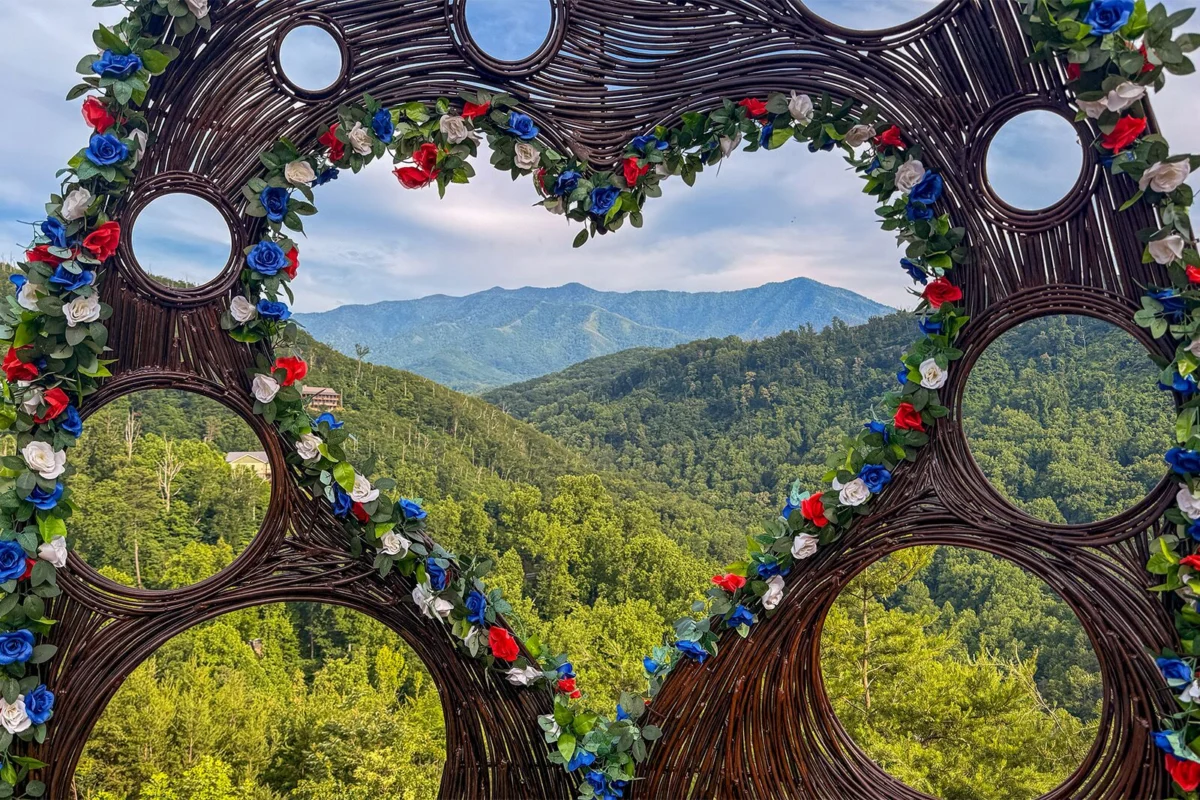
In the deep, shadowed coves of the Great Smoky Mountains, a biological phenomenon unfolds that defies easy explanation. Photinus carolinus—the synchronous firefly—performs a mating ritual so precise it seems choreographed by a conductor. As darkness blankets the Appalachian forest, thousands of these beetles pulse in unison, a rhythmic, bioluminescent wave that ripples across the forest floor. It is one of the few places on Earth where this collective behavior occurs, turning the woods into a living, breathing light show.
For the traveler, however, witnessing this display is as much a test of logistics as it is a pursuit of wonder. With the National Park Service (NPS) lottery system becoming increasingly competitive, the quest to see these insects has evolved into a high-stakes endeavor. Yet, beyond the crowded parking lots of Elkmont, there exist alternative paths—both natural and technological—to experience this ephemeral magic.
The Main Facts: Nature’s Biological Metronome
The synchronous firefly is an outlier in the insect world. While most of the world’s 2,000-plus firefly species signal randomly, Photinus carolinus males fly in a synchronized rhythm, flashing in unison to attract the stationary, non-flying females waiting in the undergrowth.
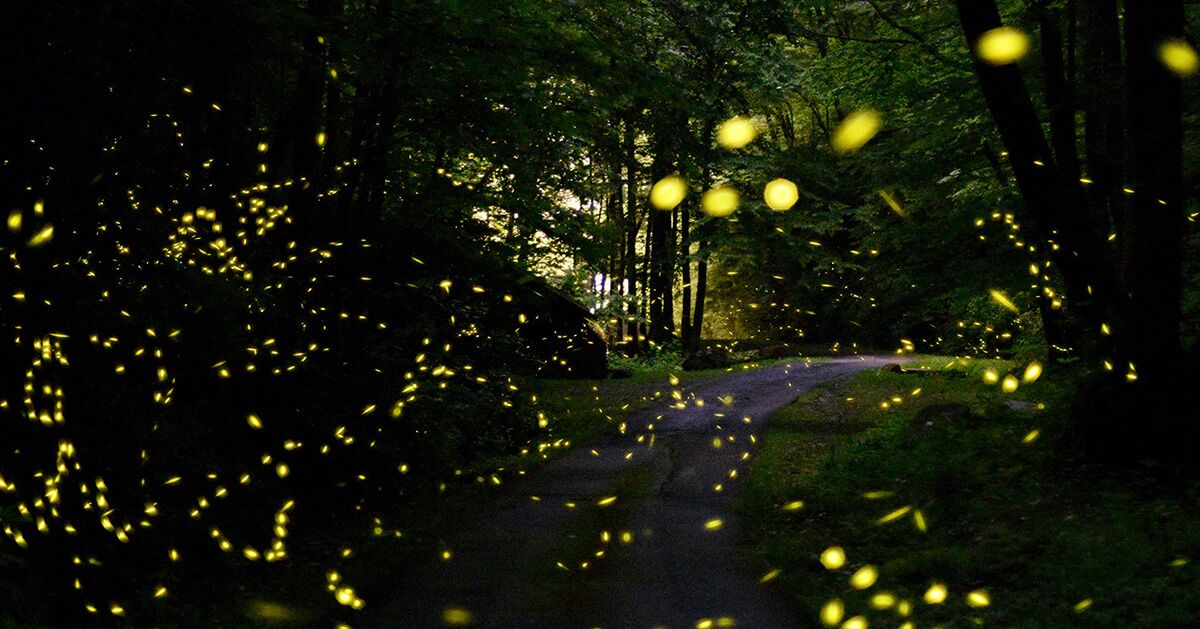
The display typically occurs over a two-week window, usually peaking in early June. The timing is dictated by soil temperature, humidity, and nocturnal ambient conditions. Because these factors are hyper-local to the park’s creek beds, the NPS can model the "peak" window, but they cannot predict it with absolute certainty. This unpredictability is part of the allure; it is a reminder that in an age of curated tourism, some of the world’s greatest spectacles remain stubbornly wild and indifferent to our schedules.
Chronology of the Display
The annual cycle of the Photinus carolinus is a study in brevity.
- Late Spring (Pre-Emergence): As the soil warms, the larvae—which spend nearly two years underground—prepare for their final metamorphosis.
- The First Week of June: The "trigger" occurs. As temperatures hit a specific threshold, the first males emerge. Early in the season, the flashing is sporadic and uncoordinated.
- The Peak (The Synchrony): Over the course of 7 to 10 days, the population density reaches a critical mass. The males begin their rhythmic signaling, and the collective "waves" of light begin to propagate through the trees. This is the window that hundreds of thousands of applicants vie for through the park’s lottery.
- Late June (Post-Peak): The mating concludes, the adults die off, and the cycle resets, with the next generation beginning their subterranean development.
The Lottery and the Private Alternative: Norton Creek
The primary challenge of seeing the fireflies is access. The NPS lottery for Elkmont, the park’s most famous viewing site, sees hundreds of thousands of applicants for a limited number of vehicle passes. Many seasoned travelers report trying for years without success.
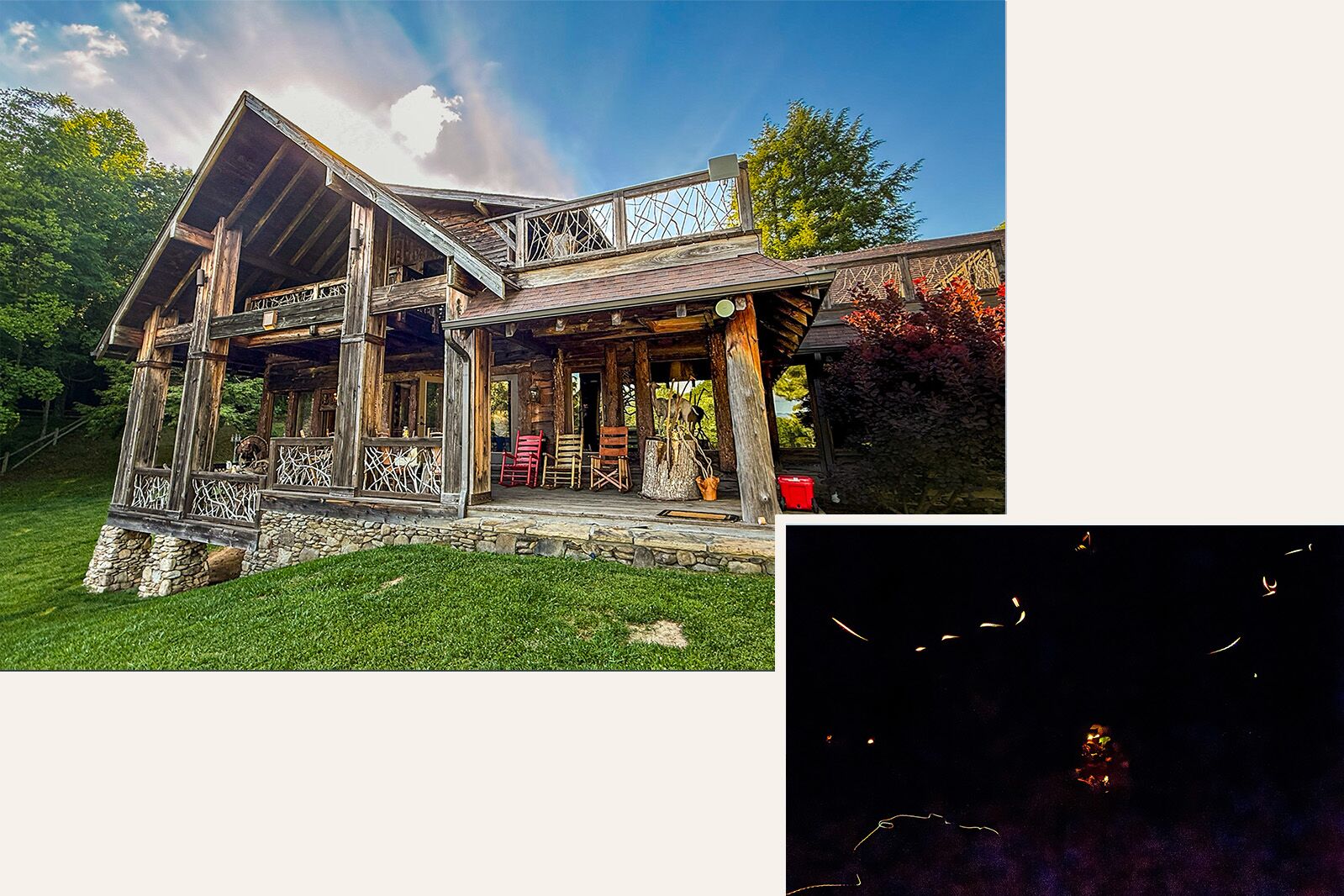
However, for those willing to look beyond the park’s official gates, the Norton Creek Preserve offers a different experience. A 2,000-acre private tract bordering the national park, Norton Creek is a sanctuary for biodiversity, hosting not only Photinus carolinus but also the elusive "blue ghost" fireflies and other glowing species.
"Discover Life in America," a nonprofit dedicated to the park’s biodiversity, hosts an exclusive, ticketed viewing event here. Unlike the crowded public viewing, this event is limited to a small group. In the silence of the private preserve, the experience changes from a spectator sport into a meditative encounter. The tickets, which cost $325 per person, serve as a direct donation to the nonprofit’s conservation efforts. It is a rare example of "high-cost, low-impact" tourism, where the barrier to entry ensures the preservation of the habitat and the quality of the experience for those present.
Implications: The Ethics of Observation
The surge in popularity of firefly tourism has brought the issue of environmental ethics to the forefront. The insects are notoriously sensitive to light pollution. A stray white beam from a standard flashlight can disorient a male firefly, interrupting its signal and potentially ending its mating attempt.

The rule for any serious observer is absolute: use red light. By covering a flashlight lens with red cellophane, you preserve the night vision of both humans and insects. The "blue ghost" and Photinus species rely on the darkness to navigate; when we crowd their habitat with light, we are effectively silencing them. The move toward private, controlled viewing at sites like Norton Creek is, in many ways, an acknowledgment that our presence is a disruption, and we must minimize our footprint to ensure the species survives for future generations.
Technological Mimicry: The Anakeesta Solution
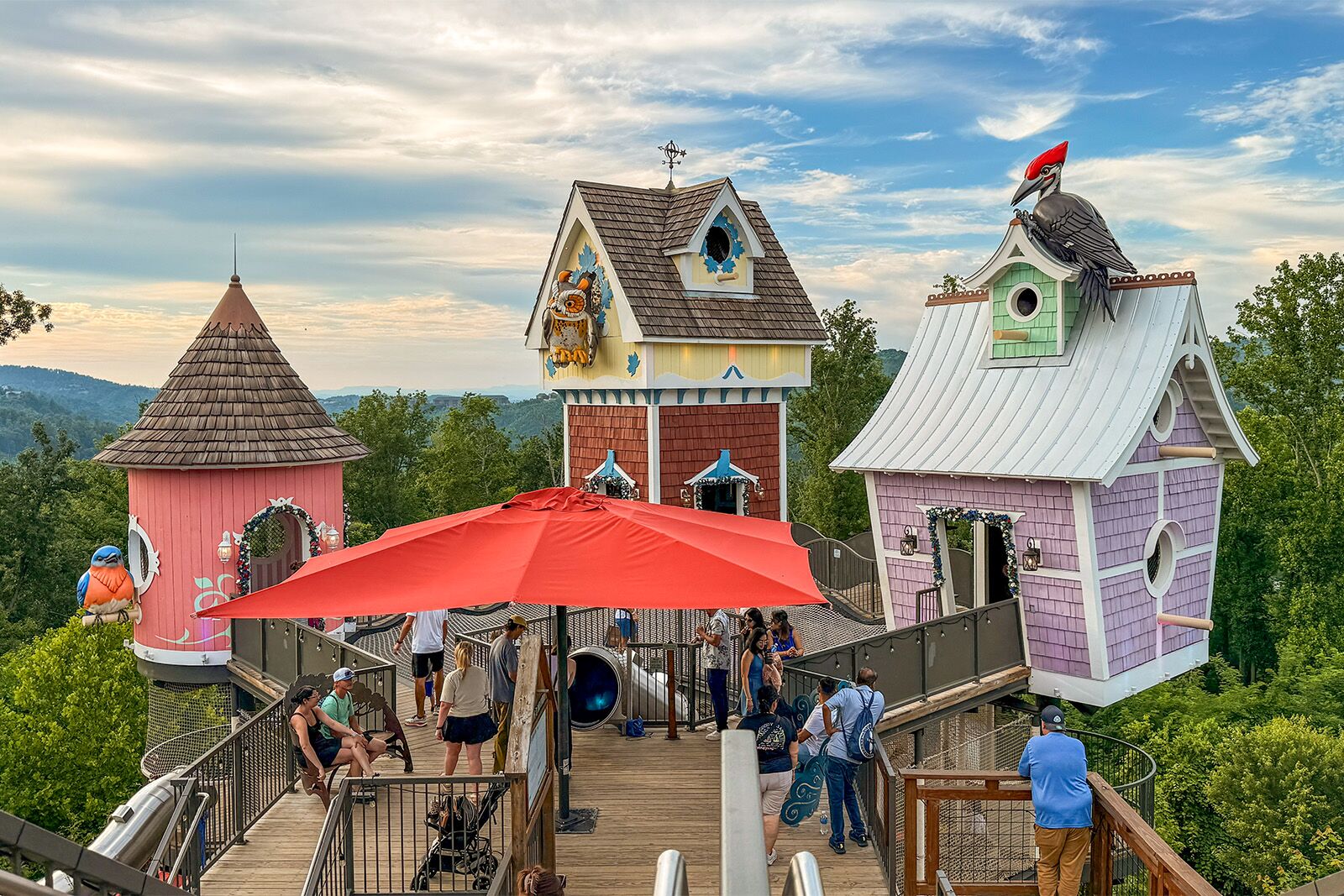
What happens when the season passes, or when the lottery odds prove insurmountable? Innovation has provided a bridge between the biological reality and the human desire to witness it. At Anakeesta, an adventure park located on a 70-acre ridge above Gatlinburg, a permanent, year-round firefly installation offers an alternative.
In partnership with Moment Factory, a world-renowned multimedia studio, Anakeesta created an installation based on the biological rhythms of the fireflies. Designers spent months analyzing the flash intervals and patterns of Photinus carolinus. The result is a network of low-set light arrays that pulse with the same timing as the real insects.
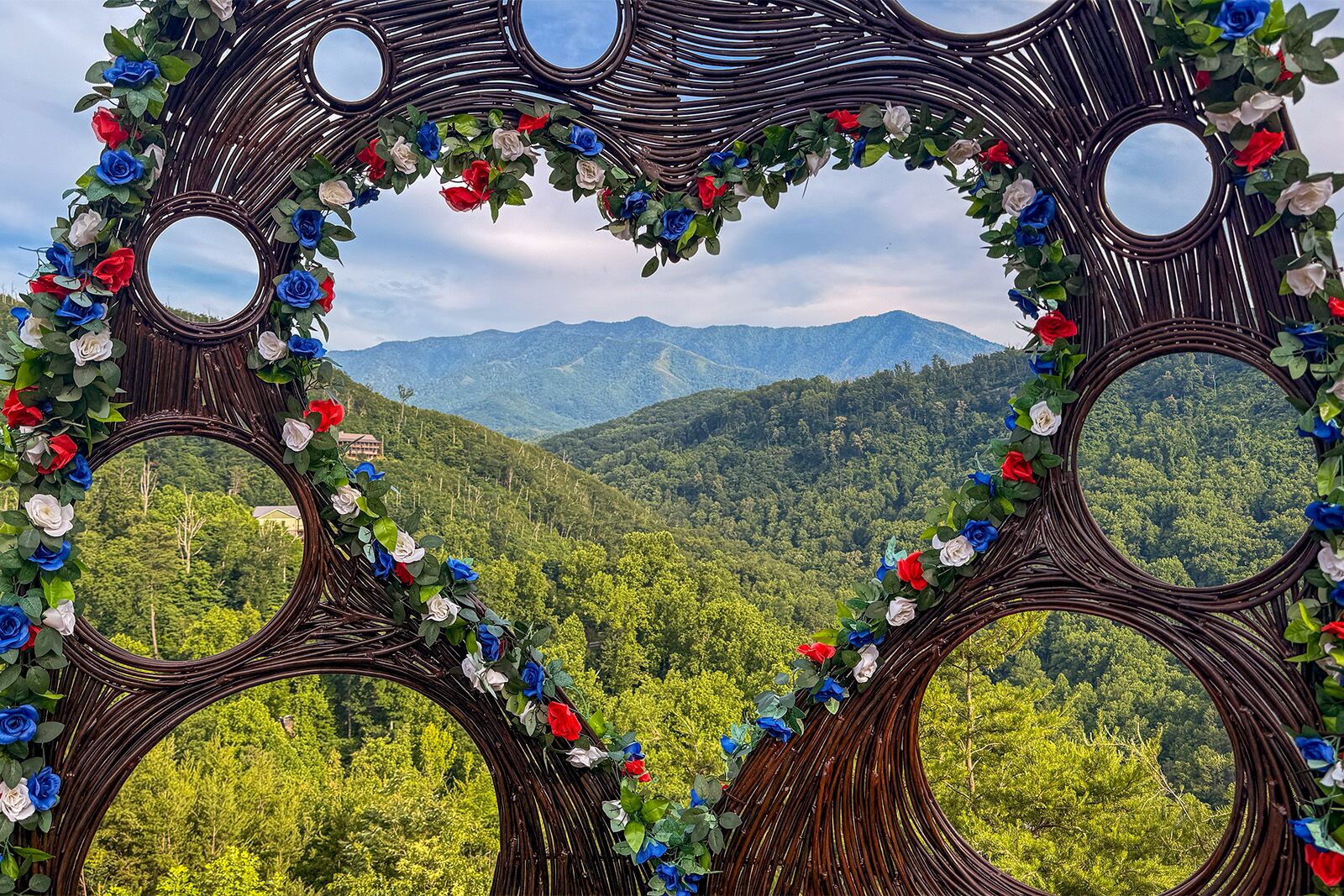
While purists may argue that technology cannot replace nature, the Anakeesta installation serves a vital purpose: it relieves pressure on the fragile, real-world habitats. By providing an educational, immersive experience that functions regardless of the season, it satisfies the public’s curiosity while keeping the actual forests dark and undisturbed. It is a sophisticated, respectful use of technology that acknowledges the limits of human access.
Supporting Data: Infrastructure and Access
For those planning a trip to the Gatlinburg area, logistics are as crucial as the viewing itself.
- Arrival: Knoxville McGhee Tyson Airport (TYS) is the primary gateway, located approximately 60 minutes from Gatlinburg. Rental cars are essential, as public transportation is limited outside of the town center.
- Navigation: While I-40 provides a direct route, the final approach into the Smokies is winding and steep. Travelers should be prepared for mountain driving.
- The "No-Car" Policy: Once in Gatlinburg, the best practice is to leave your vehicle at the hotel. Traffic during the summer months is heavy, and parking is at a premium. The local trolley system is an efficient, stress-free way to navigate the Parkway.
- Accommodations: The Park Vista (a DoubleTree by Hilton) stands out for its unique architecture and its location, which allows for stunning views of the valley fog. Its brutalist, cylindrical design provides a sense of detachment from the commercial sprawl of downtown Gatlinburg.
Gastronomy: The Local Flavor
A trip to the Smokies is incomplete without engaging with the local culinary culture.
- Crockett’s Breakfast Camp: This institution is a necessity for the morning after a late-night trek. It is popular, so utilizing their digital waitlist is essential. The country-fried steak, served with white pepper gravy and homemade biscuits, is a quintessential Appalachian breakfast.
- The Park Grill: Located on the Parkway, this restaurant offers a "mountain lodge" atmosphere that feels authentic rather than performative. The salad bar, housed in a retrofitted wooden boat, is a quirky but beloved local fixture. The tenderloin is the standout dish, providing a hearty meal after a day spent traversing the ridges.
Conclusion: A Shift in Perspective
Having traveled to nearly 100 countries, I have learned that there is a fundamental difference between a site that photographs well and a site that changes how you see the world. The synchronous fireflies of the Great Smoky Mountains belong to the latter category.
Whether you are lucky enough to secure a spot at the Elkmont viewing, choose to support the conservation efforts at Norton Creek, or opt for the technological wonder at Anakeesta, the goal remains the same: to witness the rhythmic, glowing heartbeat of the Appalachian woods. It is a reminder that nature, when left to its own devices, is a complex, beautiful machine—one that requires our patience, our respect, and our willingness to stand in the dark and wait for the light.
 Nana Wu
  Evan Lee Salim