
 By Dwi Wanna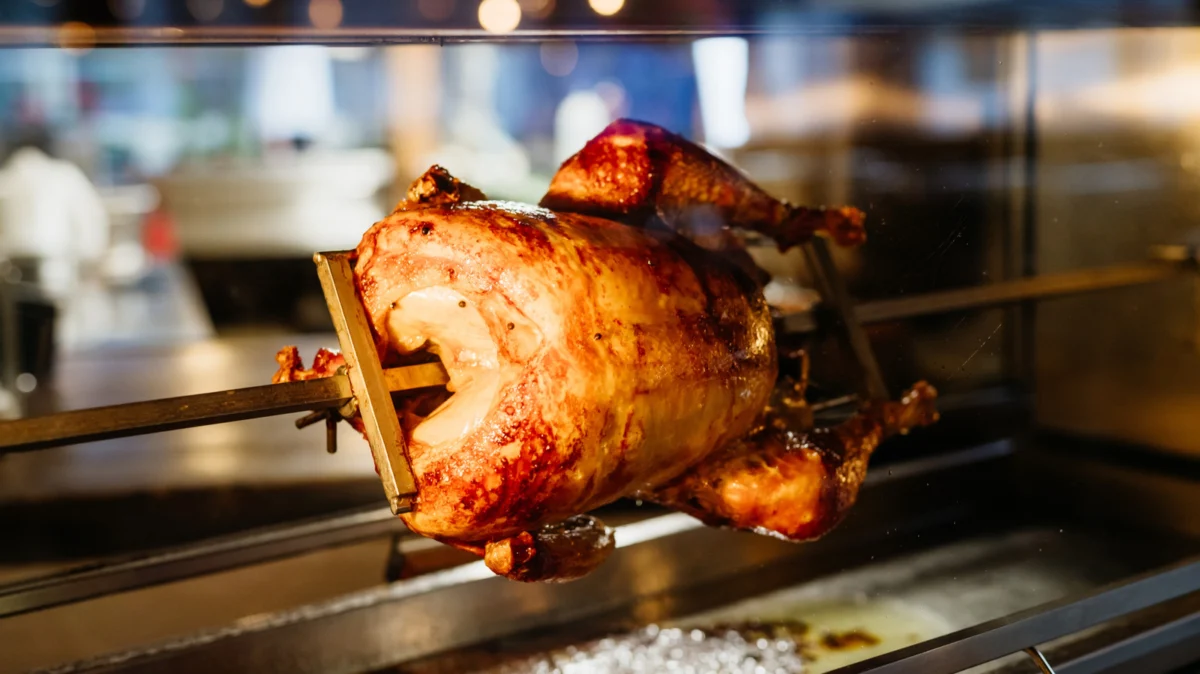
For decades, the grocery store rotisserie chicken has served as the ultimate culinary equalizer. Whether you are a time-strapped parent, a budget-conscious college student, or a gourmet home cook looking for a shortcut to a complex recipe, the humble, pre-roasted bird is a staple of the American kitchen. While giants like Costco and Walmart have long dominated the conversation regarding this "loss leader" item, a definitive new study from Consumer Reports for 2026 has shifted the landscape, crowning a new champion: Sam’s Club.
Main Facts: The New Benchmark for Roasted Poultry
In an extensive investigation into the state of grocery store prepared foods, Consumer Reports has officially declared the Sam’s Club rotisserie chicken the best on the market for 2026. This conclusion follows a rigorous, multi-faceted testing process that went well beyond simple taste-testing.
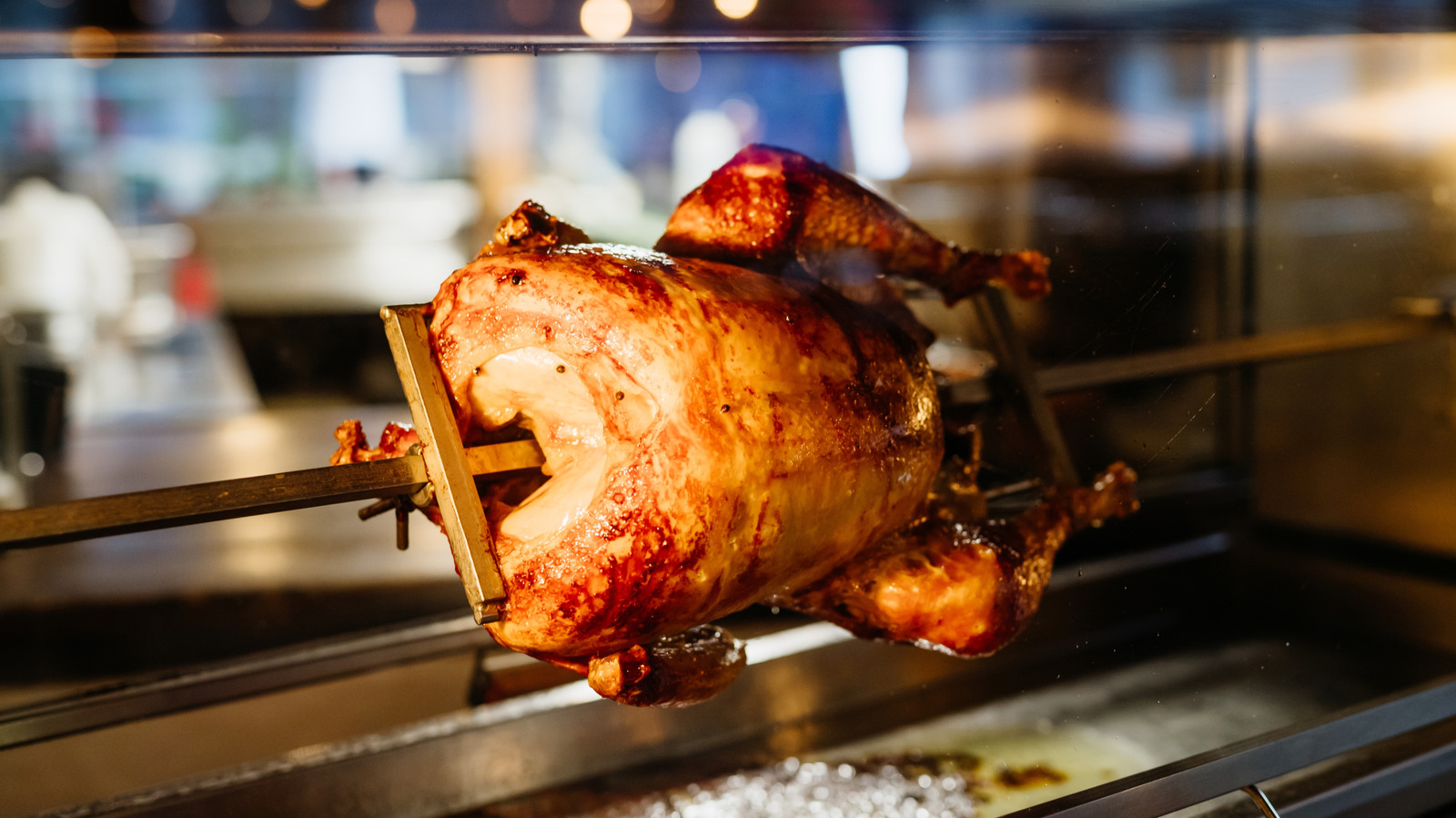
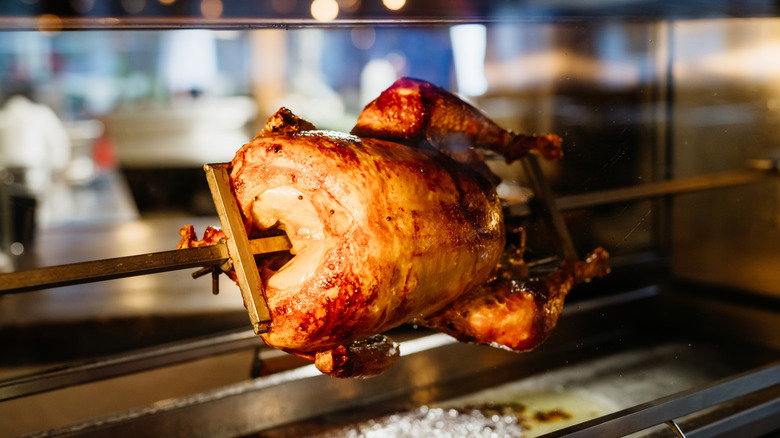
The report highlights that while many retailers treat the rotisserie chicken as an afterthought—a product intended merely to lure customers into the store—Sam’s Club has refined its production to a level that rivals boutique grocers. The winning factor, according to the sensory panel, is the chain’s proprietary paprika-based rub. This signature seasoning does more than provide a deep, complex flavor profile; it imparts a signature "caramel bronze" aesthetic that makes the bird as visually appealing as it is palatable.
When compared to its primary retail competitors, the Sam’s Club bird consistently outperformed others in texture, moisture retention, and seasoning balance. Furthermore, in an era where consumers are increasingly wary of what goes into their food, the study noted the consistency of the Sam’s Club product, which held up under both chemical analysis and sensory scrutiny.
The Methodology: How the Chickens Were Put to the Test
To ensure the results were beyond reproach, Consumer Reports employed a scientific approach to their 2026 evaluation. The testing protocol was designed to eliminate the variables of regional inconsistency and human bias.
Researchers purchased between 10 and 13 chickens from various major retailers across multiple geographic regions. The testing focused on two main pillars: health safety and sensory experience. On the health front, each bird underwent lab analysis to determine sodium content and to check for the presence of PFAS (per- and polyfluoroalkyl substances).
For the sensory portion, the organization utilized a panel of trained "sensory experts." To account for the "outlier effect"—where a single bad batch at one location might skew the results—the panel tasted three samples acquired from three different store locations on three separate occasions. This ensured that the winning score was a reflection of the brand’s national standard, not a fluke of a single deli manager’s roasting technique.
Chronology: The Evolution of the Grocery Rotisserie
The rotisserie chicken has a storied history in American retail. Originally popularized in the late 20th century as a way to utilize inventory and drive foot traffic, the item quickly became a cornerstone of the "deli-prepared" category.
- The Early 2000s: Retailers began adopting the rotisserie chicken as a standard "loss leader." The goal was simple: get customers through the door, fill the store with the aroma of roasted garlic and herbs, and hope they pick up an extra gallon of milk and a loaf of bread on the way to the checkout line.
- The Mid-2010s: The "Rotisserie War" escalated as warehouse clubs and big-box retailers began doubling down on price stability. Costco, in particular, famously refused to raise its $4.99 price point despite inflation, cementing the chicken as a symbol of value.
- The 2026 Shift: As consumer demand for "clean label" and higher-quality prepared foods grew, the bar was raised. Consumer Reports’ 2026 findings indicate that price is no longer the sole driver of consumer preference. Shoppers are now demanding higher-quality ingredients and better preparation methods, allowing retailers like Sam’s Club to capture the market by balancing affordability with superior culinary execution.
Supporting Data: By the Numbers
The disparity between the top-performing retailers and those at the bottom of the list is stark. In the 2026 analysis, Whole Foods, despite its premium branding and reputation for quality ingredients, found itself at the bottom of the rankings. The expert panel noted that the Whole Foods chickens were frequently dry and lacked the depth of seasoning expected at a price point that often exceeds $8.00.
In contrast, the Sam’s Club chicken, which retails for less than $5, represents a significant value proposition. The data reveals that the Sam’s Club product has a more consistent moisture profile, largely due to better-calibrated roasting times that prevent the breast meat from drying out while ensuring the skin reaches the desired level of crispness.
When looking at the broader market, the average grocery store rotisserie chicken faces a "freshness window." Consumer Reports discovered that many stores struggle to maintain quality past the two-hour mark under the heat lamps. Sam’s Club, however, has refined its stocking schedule to align with consumer habits. By ensuring fresh batches are available as early as 8:00 AM on weekdays and restocking consistently until 7:30 PM, they minimize the time a bird spends languishing under a warming lamp, which is the primary cause of flavor degradation.
Official Responses and Industry Implications
The implications of this report are significant for the retail industry. For years, the market assumed that the biggest player (Costco) was also the best. However, the rise of the "Members Mark" rotisserie chicken as the gold standard suggests that procurement and seasoning strategy are just as important as the sheer volume of birds sold.
While spokespeople for the major retailers involved in the study generally declined to comment on the specific rankings, industry analysts suggest that this report will trigger a "quality arms race."
"Retailers are going to have to look at their rub formulations and their oven humidity settings," says one retail consultant. "When a nonprofit group like Consumer Reports uses terms like ‘sensory experts’ and specifically highlights a spice blend, it changes the conversation from ‘cheap protein’ to ‘prepared meal experience.’ Retailers who ignore this will lose the lunch and dinner crowd to competitors who are listening."
Why Sam’s Club Won: The "Members Mark" Advantage
The success of the Sam’s Club chicken is rooted in the "Members Mark" philosophy—a private-label strategy that prioritizes high-volume staples by ensuring they are better than the name-brand equivalents.
Beyond the paprika rub and the temperature control, there is the matter of accessibility. Unlike many suburban grocery stores that wait until the lunch rush to stock their rotisseries, Sam’s Club has identified that their core demographic—busy families and small business owners—often shop early. By having hot, fresh chickens available at 8:00 AM, they have cornered the market on the "grab-and-go" dinner-prep segment.
The report also touches upon the psychological impact of the bird. The deep red hue produced by the paprika creates an immediate sensory association with "roasted" and "smoky" flavors, which triggers a positive response in the brain before the consumer has even taken a bite. This, combined with the extreme price-to-weight ratio, makes the Sam’s Club chicken a difficult product for competitors to displace.
Looking Ahead: The Future of the Grocery Bird
As we move deeper into 2026, the grocery store rotisserie chicken remains a litmus test for a retailer’s commitment to its customer base. The fact that an affordable item, priced at under $5, can still be the subject of such intense scrutiny and scientific evaluation proves that Americans take their "convenience food" seriously.
For the consumer, the takeaway is clear: if you are looking for the best bang for your buck without sacrificing quality, the evidence points toward the warehouse aisles of Sam’s Club. While other retailers may have the brand recognition, Sam’s Club has clearly mastered the chemistry of the perfect roast.
As grocery chains analyze these findings, we can expect to see a wave of new "signature rubs" and improved roasting technologies hitting deli departments nationwide. Until then, however, the crown remains with the paprika-rubbed, consistently-hot, and budget-friendly champion that has successfully left its mark on the industry.
 Lina Irawan
  Lina Hope
  Reynand Wu