
 By Nana Wu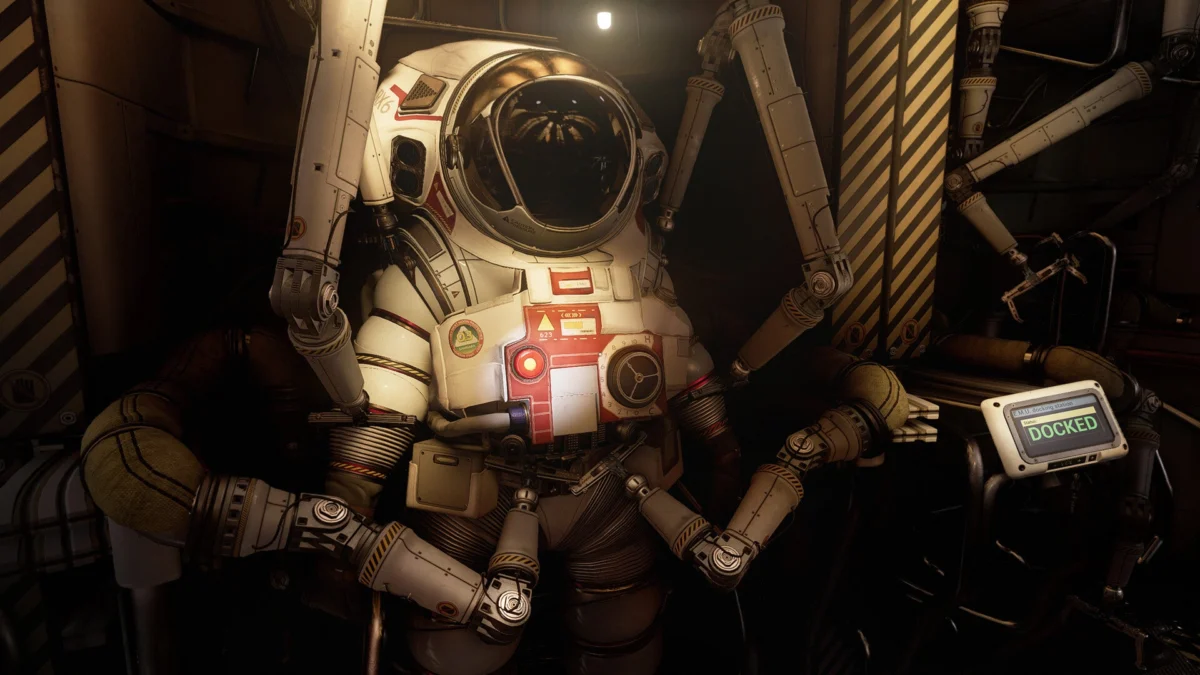
Frictional Games, the Swedish powerhouse celebrated for redefining the psychological horror genre with Amnesia: The Dark Descent and the existential sci-fi masterpiece Soma, has officially announced a shift in its release schedule. Ontos, the studio’s most ambitious project to date, will now target a 2027 release window. Originally slated for a broad 2026 launch, the delay marks a strategic pivot for the studio as it seeks to refine its vision for what promises to be a complex, systems-driven experience.
The Announcement and the Scope of the Delay
The announcement came via the official Ontos social media channels, catching many in the gaming community by surprise. While 2026 was never anchored to a specific calendar date, the momentum following the game’s reveal at The Game Awards 2025 had created a palpable sense of anticipation.
"Ontos is our most ambitious game to date, both in terms of its size and scale, and in the depth and layers of our story and gameplay," the developer stated in an official press release. "In order to deliver this vision, we have decided to push the release of Ontos to 2027. We look forward to sharing more updates about Ontos, our characters, and our world soon."
This decision, while disappointing for fans eager to dive into the game’s mysterious moon-bound setting, reflects a broader trend in the modern games industry. Developers are increasingly opting for "quality-first" timelines to avoid the burnout and technical compromises that have plagued many high-profile releases in recent years. By granting themselves an additional year, Frictional Games is signaling that the technical and narrative demands of Ontos require more polish than the original schedule allowed.
A Chronology of Development: From Concept to Delay
To understand the weight of this delay, one must look at the timeline of Frictional Games’ recent history.
- December 2025: Ontos is officially unveiled during The Game Awards. The reveal trailer, which showcased a haunting, industrial moon hotel setting, immediately drew comparisons to Soma due to its oppressive atmosphere and high-concept sci-fi premise.
- Early 2026: Following the trailer, public discourse centered on the studio’s pivot away from traditional, jump-scare-heavy horror. Frictional had previously announced intentions to "cut back" on pure horror to explore more diverse narrative structures, though they assured fans the "Frictional DNA" would remain intact.
- Mid-2026: As the release year progressed, market analysts noted a significant congestion in the release calendar for the latter half of 2026. The decision to move to 2027 effectively removes Ontos from a crowded field of AAA releases, potentially securing a clearer window for the game to gain traction.
- Late 2026 (The Current Status): The official announcement confirms the shift, moving the target to 2027.
Defining the "Ontos" Experience: What We Know
Despite the delay, the information released so far paints a picture of a game that is a departure from the Amnesia formula. Ontos is described as a "sci-fi mystery" that emphasizes "tactile, systems-driven gameplay."
For those familiar with Frictional’s work, "tactile" usually implies a deep level of environmental interaction—physics-based puzzles, manual object manipulation, and a diegetic UI that forces the player to engage with the world rather than just observing it. The addition of renowned actor Stellan Skarsgård to the cast has further elevated the project’s profile. Skarsgård’s involvement suggests a narrative focus that will likely lean heavily into the philosophical and emotional maturity that Frictional is known for.
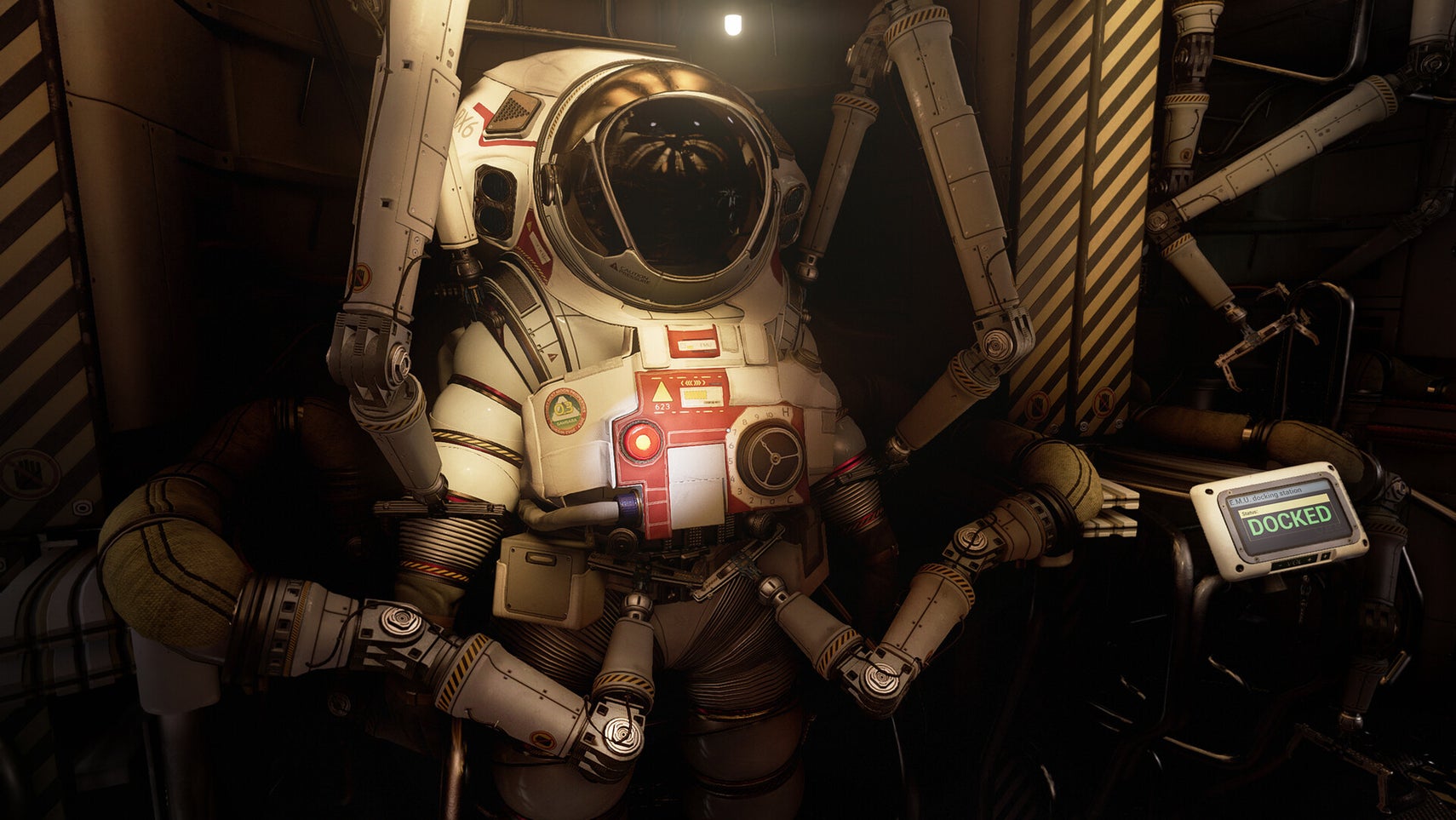
The setting—a grim hotel situated on the edge of reality on the moon—serves as the perfect stage for the studio’s signature style of isolation-based storytelling. It is an environment designed to be lived in, questioned, and eventually feared, even if the traditional "horror" elements are being dialed back in favor of existential tension.
Industry Implications: The "Frictional" Shift
The decision to move away from pure horror is a bold one. Frictional Games built its reputation on the back of Amnesia, which essentially birthed the modern indie horror movement. By consciously moving toward "sci-fi mystery," the studio is taking a professional risk.
This pivot suggests that Frictional is attempting to mature as a developer. They are moving away from the "run and hide" mechanics that defined their earlier work, aiming instead for something more immersive and cerebral. If Ontos succeeds, it could set a new benchmark for how horror-adjacent developers can evolve without losing their core audience.
However, the delay also highlights the inherent difficulties of developing "systems-driven" games. Unlike scripted narrative games, systems-driven titles require extensive iteration to ensure that all moving parts—physics, AI, player interaction, and narrative pacing—coalesce into a stable experience. The extra year of development time is likely being spent on fine-tuning these systems to ensure the game doesn’t just look good, but feels responsive and consistent.
The Technical and Creative Stakes
Why does a game like Ontos need such a long development window? The answer lies in the complexity of the studio’s proprietary engine. Frictional has consistently utilized its own technology to push boundaries in environmental storytelling.
In Ontos, the goal appears to be the creation of a "living" environment. The trailers suggest a level of visual fidelity and object interaction that surpasses anything they achieved in Soma or Amnesia: The Bunker. When developers talk about "depth and layers," they are often referring to the emergent gameplay opportunities that arise when you give players a set of tools and a complex environment to use them in. Creating this kind of gameplay without it becoming frustratingly obtuse requires immense testing and balancing.
Furthermore, the narrative weight expected of a project featuring someone of Stellan Skarsgård’s caliber means that the script and character interactions must be of the highest order. The studio cannot afford for the narrative to be a secondary element; it must be the core engine that drives the player forward.

Managing Community Expectations
The reaction to the delay has been largely understanding, which is a testament to the trust Frictional Games has built over the years. Gamers are becoming increasingly wary of "rushed" products, and a delay is now often interpreted as a positive sign that a developer is committed to quality over the bottom line.
However, the challenge for Frictional in 2027 will be maintaining the hype. A 12-to-18-month gap between a delay announcement and a release can lead to a cooling of interest. To keep the momentum, the studio will likely need to release periodic "teasers" or developer diaries that explain the gameplay systems or provide a closer look at the world-building, rather than just relying on the initial trailer from 2025.
Conclusion: A Future Worth Waiting For
While the delay of Ontos to 2027 is a minor blow to those hoping to play the game in the near future, it is undoubtedly the right call. The industry is littered with the corpses of ambitious projects that were pushed out the door before they were ready. Frictional Games has consistently demonstrated a commitment to their specific brand of atmospheric, thoughtful, and terrifying gaming.
If Ontos can deliver on its promise of a deeply interactive, system-heavy sci-fi mystery, it will likely be worth the wait. For now, fans must be content with the knowledge that the developers are working behind the scenes to ensure that when the doors to that grim moon hotel finally open, the experience will be as hauntingly immersive as promised.
As we look toward 2027, the focus shifts from speculation to anticipation. Frictional Games is playing a long game, and in an era of immediate gratification, that patience is precisely what separates the good games from the legendary ones. Whether or not Ontos will join the ranks of Soma remains to be seen, but the intent behind the delay suggests the studio is aiming for nothing less than a masterpiece.
 Sagoh
Sagoh  Lina Irawan
  Asep Darmawan