
 By rifanmuazin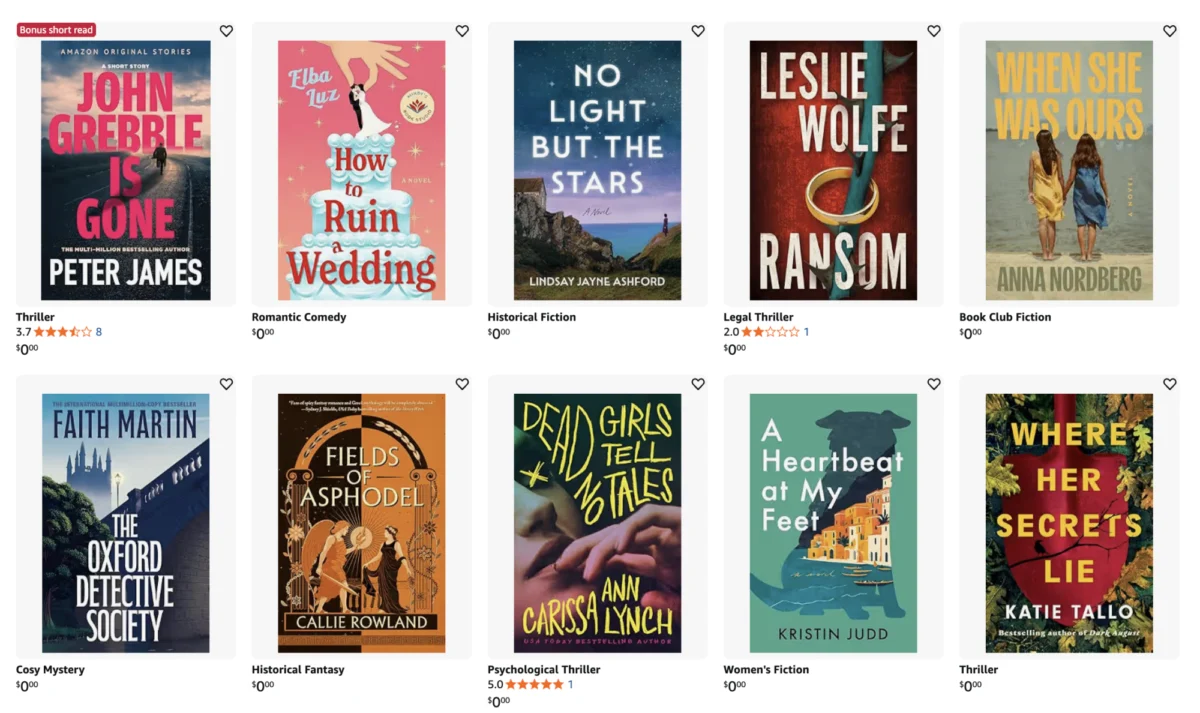
As the summer vacation season reaches its peak, travelers worldwide are finalizing their itineraries, packing their bags, and increasingly transitioning from heavy physical paperbacks to compact e-readers. For digital bookworms, the quest for fresh, engaging content to enjoy by the pool or on long flights is a recurring seasonal challenge. To address this demand, Amazon has launched its July 2026 Amazon First Reads lineup, offering a curated selection of pre-release titles designed to bolster digital libraries ahead of the mid-summer holiday rush.
This comprehensive report examines the structural mechanics of the Amazon First Reads program, details the key offerings of the July 2026 selection, analyzes the program’s historical evolution, compares its economic value against competing services, and explores the broader strategic implications of Amazon’s vertical integration within the global publishing ecosystem.
Main Facts: Deciphering the Amazon First Reads Program
Amazon First Reads is a specialized digital content program that provides Amazon Prime members with early, complimentary access to newly published or soon-to-be-released books. Curated monthly by Amazon’s editorial team, the program typically highlights eight to ten titles spanning diverse genres, including mystery, thriller, romance, historical fiction, and non-fiction.
How the Program Functions
- Eligibility and Pricing: Active Amazon Prime members are entitled to select one Kindle e-book from the monthly curation entirely free of charge. In contrast, non-Prime members can purchase any featured title at a significantly discounted rate, typically $1.99.
- Ownership Rights: Once a user claims a book, it is permanently added to their Kindle library. Unlike subscription lending libraries, the user retains ownership of the title even if they eventually cancel their Prime membership.
- Bonus Content: On select months—historically aligned with major shopping events such as Prime Day in July (or occasionally June) and Black Friday in November—Amazon expands the perk. During these promotional windows, members are frequently allowed to select two free e-books. Additionally, Amazon regularly includes a complimentary short story or "short read" alongside the primary monthly selection.
- Platform Accessibility: While integrated into the Kindle ecosystem, a physical Kindle e-reader is not a prerequisite. Readers can access their selections via the free Kindle application on iOS, Android, macOS, and Windows devices, as well as through web browsers.
The July 2026 Selection Highlights
The July 2026 lineup features nine full-length novels and one exclusive short read. The curation emphasizes escapist fiction, psychological suspense, and lighthearted mysteries tailored for summer audiences.
Two standout titles define this month’s collection:

- John Grebble Is Gone by Peter James (Short Read): Written by the Sunday Times bestselling author, this fast-paced thriller follows the titular protagonist, John Grebble, who awakens to the baffling discovery that he has been officially declared deceased. Realizing that this bureaucratic nightmare is the result of a deliberate, malicious attempt to erase his identity, Grebble embarks on a high-stakes quest to uncover the perpetrators.
- The Oxford Detective Society by Lyssa Moore (Full-Length Novel): Serving as the debut installment of the Lyssa Moore Mysteries series, this cozy mystery blends academic atmosphere with classical detective tropes, appealing to fans of traditional British whodunits.
Chronology: The Monthly Lifecycle and Historical Evolution of First Reads
To understand the operational flow of Amazon First Reads, it is essential to examine both its recurring monthly timeline and its historical trajectory as a cornerstone of Amazon’s digital media strategy.
[Monthly Cycle Begins: 1st of the Month]
                  │
                  ▼
[Editorial Selection Released (8-10 Titles + Optional Short Story)]
                  │
                  ▼
[Member Selection Window Opens: Prime Members choose 1 Free Book]
                  │
                  ▼
[Mid-Month Promotional Push (Often tied to Prime Day / Seasonal Events)]
                  │
                  ▼
[Selection Window Closes: Last Day of the Month]
                  │
                  ▼
[Titles Transition to General Retail / Kindle Unlimited Library]
The Monthly Operational Cycle
- The First of the Month: Amazon refreshes the First Reads homepage with an entirely new cohort of books. The previous month’s selections transition to standard retail pricing or become available on Kindle Unlimited.
- The Selection Window: Prime members have until the final day of the calendar month to claim their free title. Unused monthly selections do not roll over to subsequent months.
- Post-Release Transition: Following the conclusion of the First Reads promotional month, the featured books officially debut on the broader commercial market, often carrying a standard retail price of $4.99 to $9.99 for the digital edition.
Historical Evolution of the Program
The program originated in late 2013 under the moniker Kindle First. At its inception, the service was highly restrictive, offering only four to six books per month, with users limited strictly to a single choice. The primary objective was to drive adoption of the physical Kindle hardware and encourage sign-ups for the Amazon Prime subscription service.
By early 2018, Amazon rebranded the program to Amazon First Reads. This shift was more than cosmetic; it reflected a strategic pivot toward multi-device reading via the Kindle App and acknowledged the rising popularity of tablet and smartphone reading. The volume of monthly selections was nearly doubled, and Amazon began incorporating short stories, exclusive audiobooks, and children’s picture books to appeal to a broader demographic. Today, First Reads operates as a highly polished marketing engine that serves as a launchpad for Amazon’s proprietary publishing arms.
Supporting Data: Cost-Benefit Analysis and Ecosystem Comparison
To evaluate the true value of Amazon First Reads, it must be analyzed through the lens of consumer economics, comparing it to other book subscription models and assessing its role within Amazon’s broader portfolio.
Financial Value Assessment for Prime Members
An Amazon Prime membership currently costs $14.99 per month (or $139 annually). For avid readers, the First Reads program represents a substantial, quantifiable return on investment.

| Metric | Amazon First Reads | Book of the Month (BOTM) | Kindle Unlimited |
|---|---|---|---|
| Monthly Cost | Free (Included with Prime) | $16.99 / month | $11.99 / month |
| Ownership | Perpetual (Keep forever) | Perpetual (Keep forever) | Rental model (Limit of 20 active loans) |
| Format | Digital (Kindle e-book) | Hardcover / Physical | Digital & Audiobook |
| Selection Pool | 8–10 pre-release titles | 5–7 curated titles | 4+ million catalog titles |
| Target Audience | General readers / Prime subscribers | Fiction enthusiasts / Physical book collectors | High-volume digital readers |
Assuming an average digital retail book price of $5.99, a Prime member who claims their free First Reads book every month saves approximately $71.88 annually. During months with double-book promotions, this realized value increases further, effectively offsetting a significant portion of the annual Prime membership cost through this single benefit.
The Rise of Amazon Publishing Imprints
A critical data point underlying the First Reads program is the origin of its featured books. The vast majority of First Reads selections are published directly under Amazon Publishing (APub), the retail giant’s in-house publishing division. APub comprises several specialized imprints:
- Thomas & Mercer: Mystery, thriller, and suspense.
- Montlake: Romance and women’s fiction.
- Lake Union Publishing: Contemporary and historical fiction.
- 47North: Science fiction and fantasy.
- Amazon Crossing: Translated international fiction.
By utilizing its own imprints, Amazon bypasses traditional publishing gatekeepers, allowing the company to retain a higher share of the royalties while utilizing the First Reads program as a massive, low-cost promotional vehicle to push proprietary titles onto bestseller lists.
Official Responses and Author Perspectives: The Impact of Early Exposure
The publishing industry has long debated the impact of Amazon’s aggressive vertical integration. While traditional publishers view Amazon’s self-contained ecosystem with caution, many authors and industry analysts view the First Reads program as an unparalleled career accelerator.
The Author’s Vantage Point: Algorithmic Momentum
For authors, particularly debut novelists or mid-list writers seeking to break into mainstream awareness, selection for Amazon First Reads is highly coveted.

- Immediate Mass Distribution: Within days of being featured, a title can accumulate tens of thousands of downloads. This rapid distribution immediately injects the book into Amazon’s recommendation algorithms ("Customers who bought this also read…").
- Review Accumulation: Because First Reads books are distributed a month before their official commercial release, authors can accumulate hundreds or even thousands of verified reader reviews. When the book finally launches to the general public, it does so with a robust foundation of social proof, significantly driving organic sales.
- High-Profile Validation: The inclusion of established literary figures—such as Dean Koontz, Abby Jimenez, Rebecca Yarros, and Peter James—lends prestige to the program, elevating the perceived quality of the lesser-known authors featured alongside them.
Traditional Publishing Concerns
Traditional "Big Five" publishers (Penguin Random House, HarperCollins, Simon & Schuster, Hachette, and Macmillan) have historically expressed concerns regarding Amazon’s dominant market position. Critics argue that by offering high-quality, newly released e-books for free to millions of Prime subscribers, Amazon artificially devalues written content in the eyes of the consumer, making it increasingly difficult for traditional publishers to market digital books at standard price points ($12.99 to $14.99).
Strategic Implications: Lock-In Effects and the Future of Digital Reading
Beyond the immediate financial benefits to consumers and promotional opportunities for authors, Amazon First Reads serves as a sophisticated mechanism for customer retention and ecosystem lock-in.
Hardware and Software Integration
By offering a monthly free book that must be read within the Kindle environment, Amazon ensures that users remain active within its proprietary ecosystem.
- App Stickiness: For users reading on smartphones or tablets, opening the Kindle app monthly to download their First Reads selection exposes them to the Kindle Store, personalized recommendations, and targeted advertisements for other digital goods.
- Hardware Upgrades: For readers who prefer e-ink screens, the constant influx of free digital books provides a continuous incentive to invest in Amazon’s dedicated hardware, such as the Kindle Paperwhite. The Paperwhite, widely regarded by tech critics as a premier e-reader due to its flush-front design, adjustable warm light, and weeks-long battery life, serves as the optimal physical touchpoint for Amazon’s digital content delivery.
Redefining Summer Reading Habits
The convenience of digital curation is reshaping how consumers approach seasonal reading. Traditionally, the "summer beach read" was a physical book purchased at an airport kiosk or local independent bookstore. Today, services like Amazon First Reads have digitized this impulse buy.
By delivering curated, high-quality, editor-approved titles directly to a user’s device at zero marginal cost, Amazon has effectively captured the pre-vacation shopping window. This shift challenges independent bookstores and traditional retailers to innovate, emphasizing curated physical experiences and community-driven recommendations to compete with the sheer convenience and economic scale of Amazon’s digital pipeline.
 Raul Delapena Setiawan
  Ali Ikhwan