
 By Asep Darmawan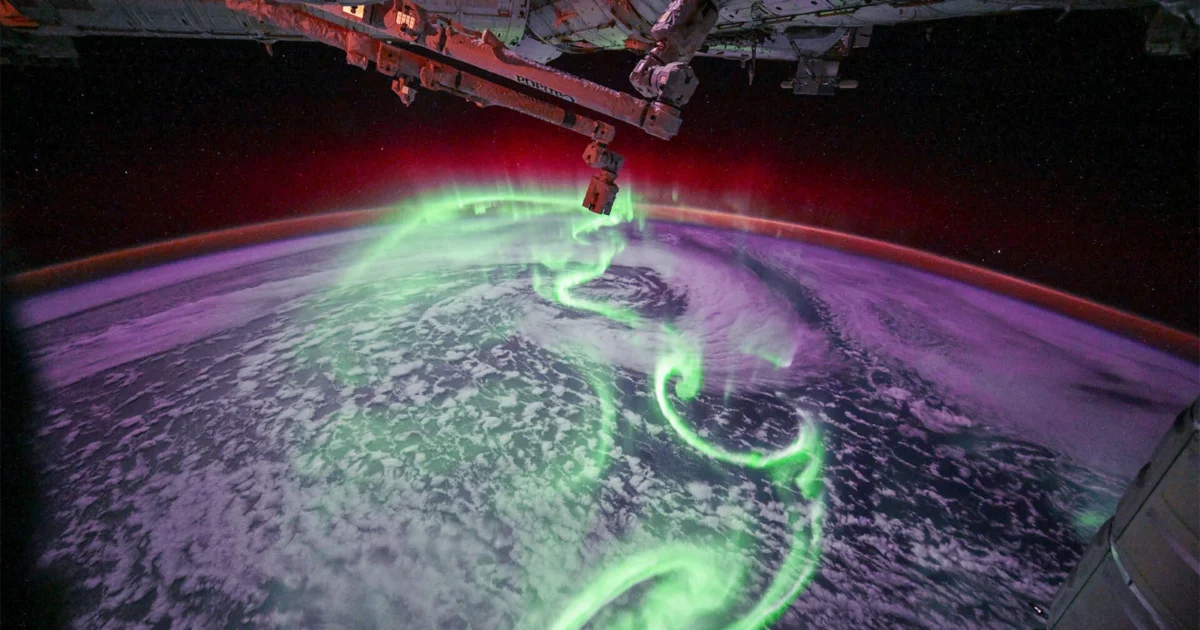
In the quiet, vacuum-sealed expanse of low-Earth orbit, European Space Agency (ESA) astronaut Sophie Adenot has witnessed one of the universe’s most profound spectacles. As part of her ongoing "Epsilon" mission, Colonel Adenot has spent the last 137 days aboard the International Space Station (ISS), documenting the fragile beauty of our planet. Recently, she shared a series of high-definition images and a mesmerizing timelapse video that captures the aurora australis—the southern lights—in a display of intensity that has captivated the global scientific and photography communities.
For Adenot, the experience is more than just a routine observation; it is a profound intersection of human engineering and cosmic wonder. As she orbits the Earth at approximately 17,500 miles per hour, the aurora provides a fleeting, vibrant reminder of the invisible forces that shape our atmosphere.
Main Facts: A Symphony of Light in Orbit
The imagery released by Adenot showcases a vivid, emerald-hued ribbon of light stretching across the Earth’s limb. Captured on day 127 of her mission, the aurora was described by the astronaut as "absolutely spectacular," noting that its luminosity was so intense it physically illuminated the interior of the Space Station.
The aurora occurs when charged particles from the Sun collide with gases in the Earth’s upper atmosphere. While typically viewed from high-latitude regions on the ground, the perspective from the ISS offers an unparalleled vantage point. From 250 miles above the surface, the phenomenon appears as a glowing, ethereal curtain, often exhibiting complex, swirling patterns that are difficult to discern from below.
Adenot’s documentation is not merely aesthetic; it serves as a valuable record of solar activity. Her imagery provides scientists with a unique perspective on how solar storms interact with the magnetosphere, particularly during a period of heightened solar activity as we approach the peak of the solar cycle.
Chronology: A Mission of Discovery
Sophie Adenot’s journey to the stars began long before her arrival at the ISS. A decorated officer of the French Air and Space Force, she achieved the rank of Colonel before being selected for the European Astronaut Corps in 2022. Her arrival at the ISS in February 2026 marked the beginning of her maiden spaceflight, a mission that has been defined by both rigorous scientific research and an artistic eye for planetary photography.
- February 2026: Adenot launches to the ISS, beginning her Epsilon mission.
- May 2026: During the Lyrids meteor shower, Adenot successfully captures a complex timelapse featuring meteors, lightning, and atmospheric airglow.
- Early July 2026: Adenot hits a major milestone, reaching 127 days in orbit. It is here that she captures her most significant aurora footage to date.
- Mid-July 2026: Official release of the timelapse footage, which quickly goes viral across social media platforms, highlighting the "most spectacular aurora of the mission so far."
- July 2026 (Upcoming): Adenot is set to celebrate her 44th birthday while in orbit, a milestone that underscores the duration and commitment of her mission.
Supporting Data: The Science of the Aurora
To understand the magnitude of Adenot’s captures, one must look at the mechanics of the aurora. The interaction between the solar wind—a stream of electrons and protons flowing from the Sun—and the Earth’s geomagnetic field creates these displays. When these particles are funneled toward the magnetic poles, they excite oxygen and nitrogen atoms in the atmosphere, causing them to emit light.
Oxygen atoms, at lower altitudes, typically produce the iconic green glow captured in Adenot’s footage. At higher altitudes, oxygen can produce rarer red auroras, while nitrogen creates blue or purple hues.
The frequency and intensity of these events are currently bolstered by the Sun’s current solar cycle. As the Sun reaches its maximum activity level, the frequency of coronal mass ejections (CMEs) increases, leading to more frequent and intense geomagnetic storms. This explains why astronauts like Adenot, as well as her predecessors such as Sergey Kud-Sverchkov, Zena Cardman, and the legendary Don Pettit, have been able to capture such vibrant footage over the past 18 months.
Official Responses and the Perspective of the Astronaut
The ESA has been instrumental in sharing these findings, viewing them as a vital tool for public engagement. In an official statement accompanying the footage, the agency noted that Adenot’s ability to balance technical tasks with artistic documentation provides the public with a "human window" into the otherwise sterile environment of space travel.
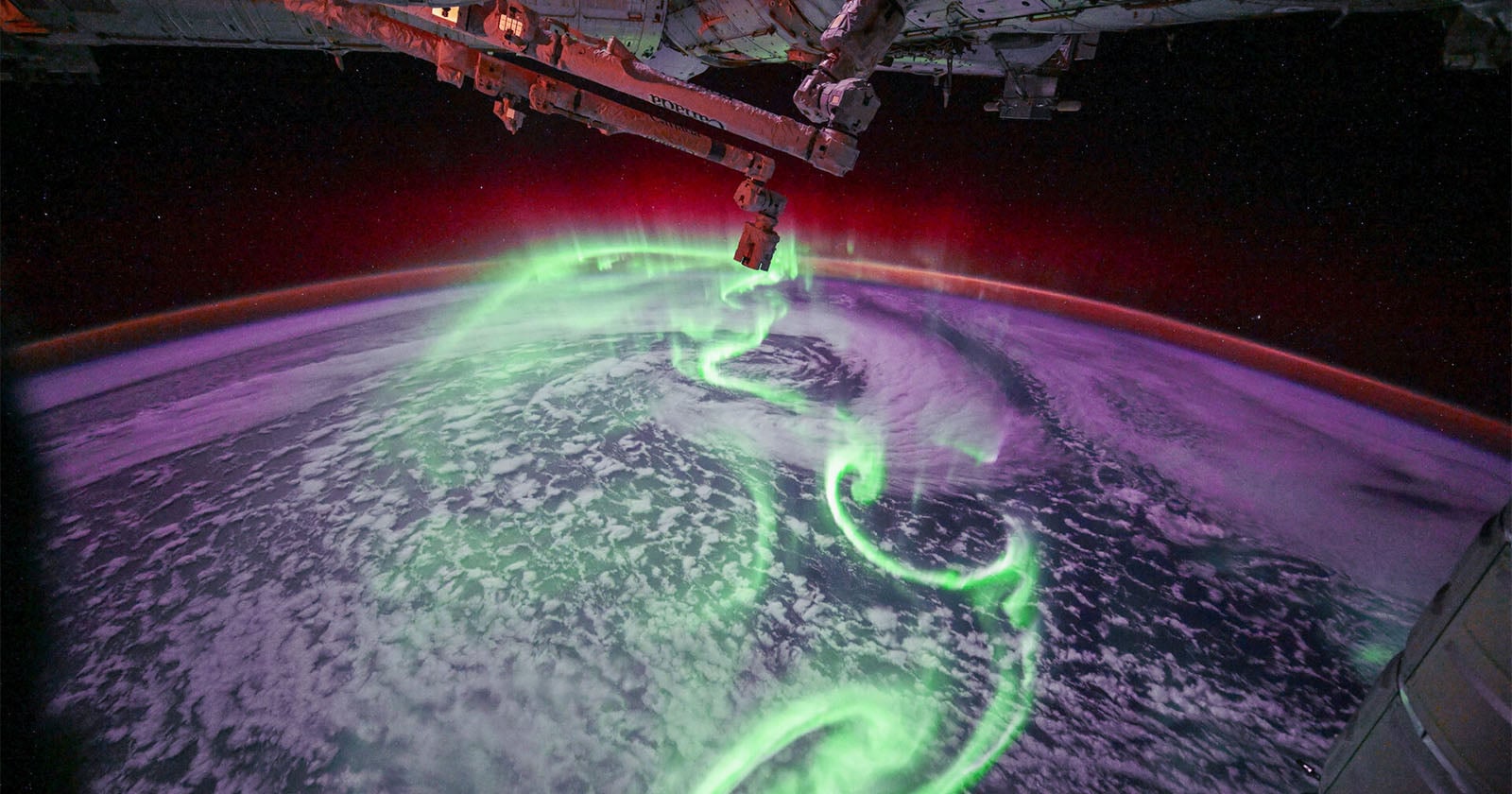
Adenot herself has been vocal about the emotional impact of the view. On her Instagram, she noted, "Watching this glowing green ribbon shimmer and dance, it’s easy to lose yourself completely in the magic of the moment."
Her reflections highlight a common theme among astronauts: the "Overview Effect." This cognitive shift, reported by those who view Earth from space, is characterized by a profound sense of awe and a deepened realization of the planet’s interconnectedness and fragility. By sharing these images, Adenot is effectively attempting to bridge the gap between the isolated perspective of an astronaut and the grounded perspective of the public.
Implications: Why We Look Up
The implications of such high-quality documentation extend beyond the excitement of social media. As space agencies plan for long-duration missions to the Moon and eventually Mars, the mental health and well-being of astronauts remain a primary concern. The ability to engage in creative outlets—such as astrophotography—serves as a critical psychological buffer against the isolation of space.
Furthermore, these observations contribute to the growing archive of Earth observation data. By capturing events like the Lyrids meteor shower alongside the aurora, Adenot is documenting the dynamic, ever-changing nature of the Earth-Sun relationship.
The Legacy of Space Photography
Adenot joins a distinguished lineage of "photographer-astronauts." Figures like Don Pettit have pioneered techniques for low-light photography in space, developing custom rigs and settings to combat the motion blur inherent in orbiting at 17,500 mph. Adenot’s work builds upon these foundations, utilizing the latest in high-sensitivity digital sensors to capture the dance of the southern lights with unprecedented clarity.
As we look toward the future of human spaceflight, the contributions of astronauts like Sophie Adenot serve as a testament to the fact that space exploration is not solely a matter of data points and logistics. It is also an inherently human endeavor—one that seeks to understand, document, and cherish the beauty of the cosmos.
Conclusion
As Colonel Sophie Adenot prepares to celebrate her 44th birthday in the unique, weightless environment of the International Space Station, her work stands as a beacon of inspiration. Through her lens, the general public is granted a glimpse of a world that is usually reserved for the few. The aurora australis, shimmering in the deep void, serves as a reminder of the protection provided by our planet’s magnetic field and the enduring power of the solar system.
Whether she is documenting the fiery streaks of a meteor shower or the gentle, rhythmic pulse of an aurora, Adenot’s efforts ensure that the wonder of space remains accessible to all. Her mission is a reminder that even amidst the technical complexities of the Epsilon mission, there is always room for the sublime beauty of the universe to take center stage.
For those who wish to follow the remainder of her mission, the ESA continues to host updates via their official channels, ensuring that the legacy of her time in orbit is preserved for future generations of space enthusiasts and scientists alike.
 Raul Delapena Setiawan
  rifanmuazin
  Ammar Sabilarrohman