
 By Sagoh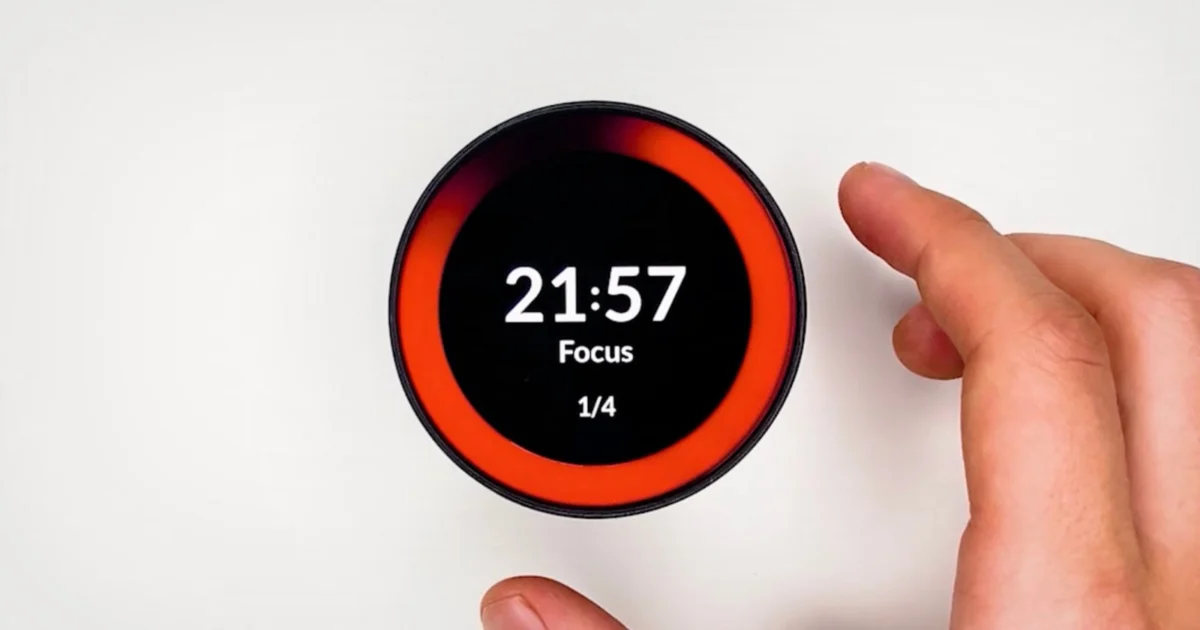
In an era defined by the "attention economy," maintaining deep focus has become the modern professional’s greatest challenge. For photographers, videographers, and digital creatives—whose work requires both high-level technical execution and long periods of uninterrupted flow—the constant ping of notifications and the gravitational pull of social media are more than just annoyances; they are significant inhibitors to professional success.
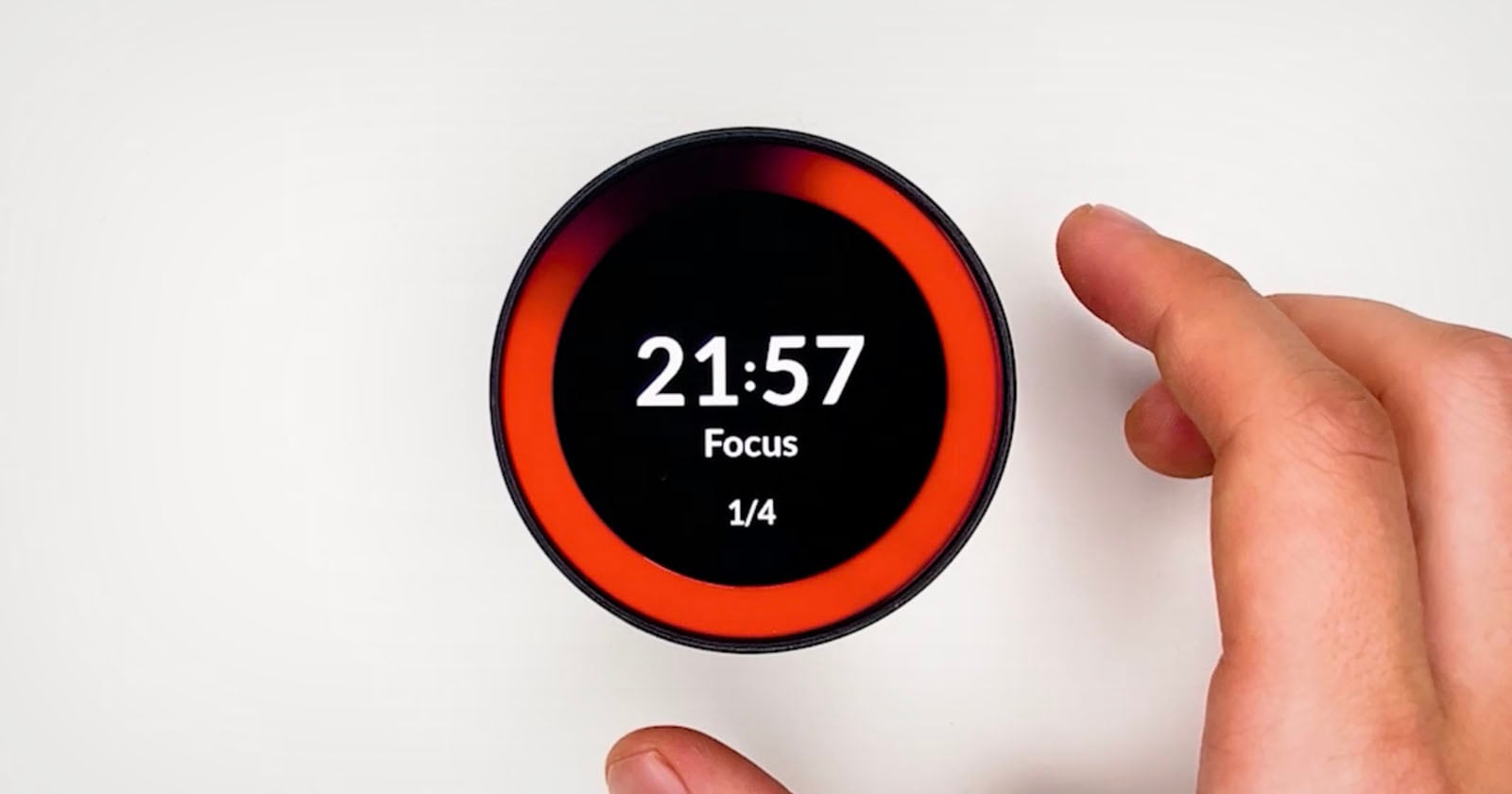
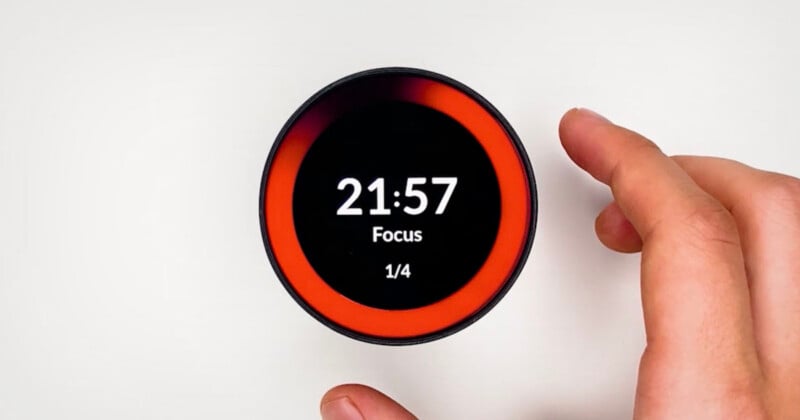
Enter the Mira Dial, a novel piece of hardware currently seeking funding on Indiegogo that promises to physically enforce productivity by locking down a user’s digital ecosystem. By introducing a "friction-by-design" philosophy, Mira Labs is attempting to solve the problem of digital procrastination not with more software, but with a physical, tactile barrier.
The Core Concept: Friction as a Feature
The premise behind the Mira Dial is deceptively simple: digital distractions are too easy to bypass. Most focus apps—whether they are browser extensions or native "Screen Time" settings—can be disabled with a few taps. When the urge to check an email or scroll through a feed strikes, the path of least resistance is usually to cave in.
Mira Labs argues that the fundamental flaw in existing productivity tools is their reliance on the same interface that provides the distraction. Their solution is a physical, round dial that acts as a gatekeeper for your digital life.
Once the user sets a timer on the dial, a "lock" is triggered across all connected devices. Unlike software-based timers, the Mira Dial cannot be toggled off with a simple swipe. To break the focus session before the timer expires, the user must navigate a series of intentionally tedious, multi-step menus. This "annoying by design" approach creates a cognitive speed bump, forcing the user to stop, breathe, and consciously acknowledge that they are choosing to abandon their work.
Chronology: From Concept to Crowdfunding
The development of the Mira Dial marks a shift in how we approach workspace management.
- Conceptualization: Mira Labs identified that the "always-on" nature of creative work, particularly for those using social media as part of their business, creates a blurred line between productive engagement and aimless scrolling.
- Prototyping: The team moved away from the software-only model, recognizing that if the user’s willpower is the only line of defense, they will eventually fail. The focus shifted toward hardware that serves as a physical commitment device.
- The Indiegogo Launch: As of July 2026, the device has moved into the public eye via its crowdfunding campaign. This stage is designed to gauge market interest and secure the necessary capital for mass production.
- Future Roadmap: With the campaign currently live, the team is targeting a shipping date in early 2027, provided the fundraising milestones are met.
Supporting Data: The Cost of Distraction
The necessity for a device like the Mira Dial is backed by mounting research into the "attention residue" effect. Coined by University of Minnesota professor Sophie Leroy, attention residue occurs when we switch from one task to another; a part of our brain remains focused on the previous task, significantly reducing our performance on the current one.
For a video editor tasked with color grading, a thirty-second interruption to check a notification can result in up to 20 minutes of lost "flow state" as the brain struggles to re-immerse itself in the complex, granular details of the edit.
While existing solutions like "Brick" (a physical NFC-based blocker) have paved the way, Mira Labs differentiates itself by emphasizing a cross-platform, holistic approach. By targeting not just the smartphone, but the workstation as a whole, the Mira Dial aims to eliminate the "device hopping" phenomenon where users simply switch from a blocked laptop to an unblocked phone.
Official Responses and Design Philosophy
In their promotional material, the developers at Mira Labs are blunt about their target audience: "You sit down to work, but somehow the afternoon just slips away. A check here, a scroll there, and nothing gets done. It was never your fault, you just never had the right tool."
This empathetic messaging is at the heart of their design. The company emphasizes that the modern internet is engineered to be addictive, and it is unreasonable to expect human willpower to compete with multi-billion dollar algorithms designed by behavioral scientists.
The "Emergency Exit" Protocol
One of the most frequent criticisms of total-lockout devices is the fear of being unreachable during a genuine crisis. Mira Labs has addressed this by implementing a limited number of "emergency exits" per month. This allows the user to break the lock in a true emergency, but the scarcity of these exits ensures that the feature is not used as a loophole for routine procrastination.
Implications for the Creative Industry
For the professional photographer or videographer, the Mira Dial represents a potential structural change in how they bill their time and manage their health.
1. Enforcing Intentional Breaks
Many creatives struggle with "crushing it" for eight hours straight, which often leads to burnout. The Mira Dial can be programmed to force breaks, ensuring that the user steps away from the screen, rests their eyes, and engages in physical movement. By making the break mandatory, it shifts the focus from "how much can I do before I collapse" to "how can I maintain sustainable, high-quality output."
2. The End of "Social Media Drift"
Professionals who use Instagram or TikTok for business often find themselves lost in the feed within minutes of opening the app to post a client update. By setting a "focus round" that allows access to professional tools but blocks social feeds, the Mira Dial acts as a digital bouncer, keeping the professional on the clock.
A Note on Crowdfunding Risks
While the innovation behind the Mira Dial is compelling, potential backers should approach the project with the measured caution required of any crowdfunding campaign.
The history of hardware development is littered with products that failed to make the transition from prototype to mass manufacturing. Issues ranging from supply chain disruptions and component shortages to software bugs and firmware instability are common hurdles.
What Investors Should Look For:
- Transparency: Does the team provide regular updates?
- Technical Viability: Is the software integration (the companion app that interfaces with your devices) robust enough to handle the varying security permissions of macOS, Windows, iOS, and Android?
- Accountability: As noted in our disclaimer, PetaPixel monitors these campaigns by backing them at the lowest tier to ensure we receive the same updates as other backers. We maintain this stance to provide our readers with an objective view of whether a company is delivering on its promises.
Pricing and Market Position
The Mira Dial is currently available on Indiegogo for $114—a 43% discount from the projected retail price of $199.
Crucially, the company has committed to a "one-and-done" payment model. In a market where almost every productivity tool has migrated to a subscription-based "Software as a Service" (SaaS) model, the promise of no recurring fees is a significant selling point. For the professional who is already managing subscriptions for Adobe Creative Cloud, storage solutions, and various plugins, the appeal of a hardware-only, no-subscription tool is high.
Conclusion: Is it Right for You?
The Mira Dial is a bold attempt to address the psychological warfare of the digital age. It is not designed for the self-disciplined individual who has already mastered their environment; rather, it is for the creative who recognizes that the modern digital landscape is rigged against them.
By adding a physical barrier, Mira Labs is betting that people are willing to pay for a tool that makes it harder to be unproductive. Whether this device will become an essential piece of the modern creative’s desk setup or another forgotten piece of tech hardware remains to be seen. However, as our screens continue to demand more of our attention, the market for tools that help us "log off" in the middle of a workday is likely only going to grow.
To learn more about the project, you can view the campaign on the official Indiegogo page.
 Raul Delapena Setiawan
  rifanmuazin
  Ammar Sabilarrohman