
 By Dwi Wanna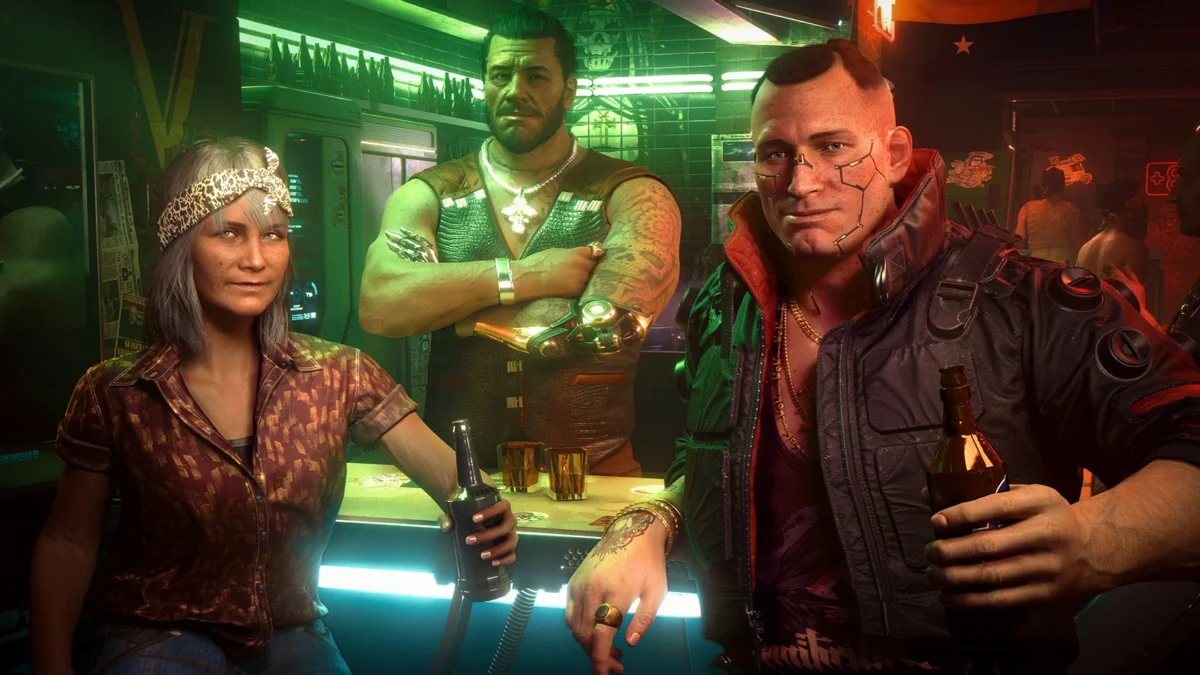
In the volatile world of AAA video game development, few titles have experienced a trajectory as dramatic as CD Projekt Red’s Cyberpunk 2077. What began in December 2020 as a cautionary tale of over-ambition and technical instability has, through sheer perseverance and strategic pivoting, transformed into one of the most commercially successful properties in modern gaming.
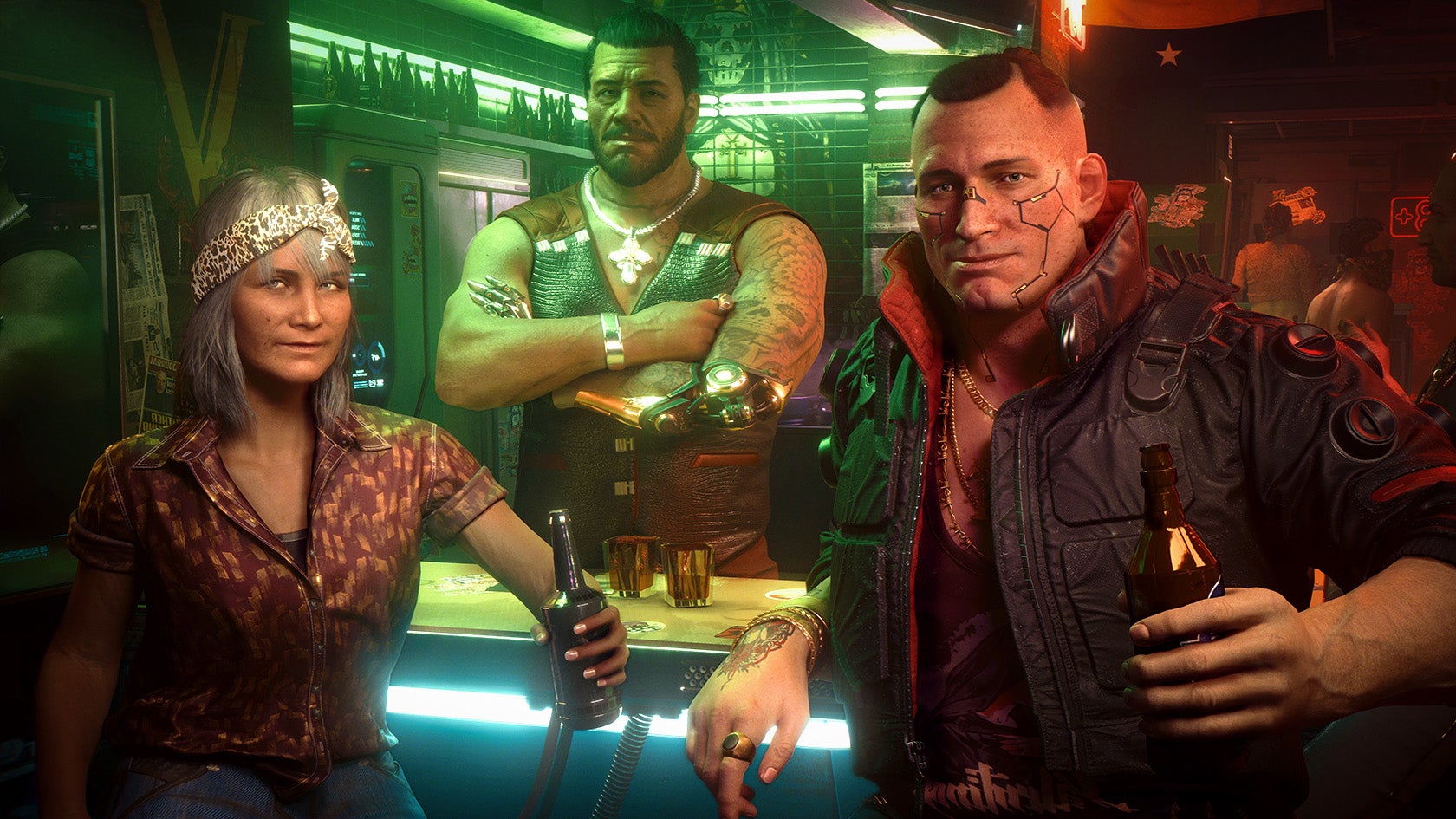
CD Projekt Red officially confirmed today that Cyberpunk 2077 has surpassed the 40-million-unit sales milestone. This figure not only cements the game’s status as a massive financial success for the Polish studio but also serves as a masterclass in long-term brand rehabilitation.
The Chronology of a Turnaround
To understand the magnitude of this achievement, one must look at the timeline of the game’s life cycle. The initial launch was marred by significant performance issues, particularly on base-model consoles, leading to a public relations crisis and even a temporary removal from the PlayStation Store.
However, the path to 40 million has been steady and deliberate:
- December 2020: The game launches amidst high expectations, followed by immediate backlash regarding technical stability.
- 2021–2022: A period of intense "rebuild" begins. CD Projekt Red releases a steady stream of patches, culminating in major updates that stabilize the experience across all platforms.
- November 2022: The company announces the game has hit 35 million sales, proving that interest remained high despite the rocky start.
- Autumn 2023: The release of the Phantom Liberty expansion and the "2.0" systems overhaul marks the definitive "turning point." Critics and players alike hail the game as finally realizing its original vision.
- 2024: Continued support, including technical enhancements for current-gen hardware like the PS5 Pro and a successful foray onto the Nintendo Switch 2, keeps the title in the public consciousness.
The Pillars of Success: Why Players Keep Coming Back
The journey from a "disastrous launch" to 40 million units is not merely a result of patches; it is the result of a multi-faceted strategy that combined narrative expansion, technical modernization, and transmedia synergy.
The Power of Transmedia
The role of Cyberpunk: Edgerunners, the acclaimed Netflix anime series, cannot be overstated. By expanding the lore of Night City into an accessible, high-octane format, CD Projekt Red captured a new audience that had no prior connection to the game. With a second season currently in development, this synergy between streaming media and interactive software has proven to be a vital pipeline for new players.
Technical Optimization and the "New Gen" Shift
The studio’s commitment to "long-term support" moved beyond simple bug fixes. The 2.0 update completely overhauled the game’s skill trees, police systems, and vehicular combat, effectively relaunching the game as a more refined experience. Furthermore, by leveraging the capabilities of modern hardware—such as the recent PS5 Pro performance updates analyzed by Digital Foundry—the game has remained visually competitive with titles released years later.
Market Penetration and Strategic Pricing
A 70-percent discount on major digital storefronts like Steam has allowed the game to maintain high "long-tail" sales. By positioning Cyberpunk 2077 as a premium, "must-play" RPG that is frequently accessible at a lower price point, the studio has maximized its market reach, ensuring the game remains a fixture on best-seller lists long after its initial marketing window closed.
Official Commentary: A Foundation for the Future
Michał Nowakowski, joint-CEO of CD Projekt, framed the milestone as a testament to the company’s core identity. "40 million copies sold shows the incredible, lasting strength of Cyberpunk 2077 and is a testament to what CD Projekt does best—creating high-quality, immersive stories that keep players returning for years," Nowakowski stated.
He further emphasized that this success is not an end, but a beginning. "It’s a great foundation for our upcoming projects in this universe, including the Cyberpunk: Edgerunners 2 anime arriving this fall."
By focusing on the "universe" rather than just the product, the company is signaling that the Night City IP is now a cornerstone of their portfolio, standing alongside the legendary Witcher franchise.
The Competitive Context: Standing Tall with The Witcher
To appreciate the 40 million figure, it is useful to compare it to the studio’s other titan, The Witcher 3: Wild Hunt. With 65 million units sold, The Witcher 3 remains the high-water mark for the company. However, considering Cyberpunk 2077 achieved its 40 million in less time and despite a significantly more challenging launch environment, the performance of the new IP is arguably even more impressive. It suggests that CD Projekt Red has successfully diversified its audience, proving they can sustain a brand outside of the fantasy genre.

Strategic Implications and Future Outlook
The success of Cyberpunk 2077 has fundamentally altered the structural and creative roadmap of the company.
Internal Reorganization
The company has undergone a rebranding to "CD Projekt Red," streamlining the organization to focus exclusively on game development. The dissolution of separate distribution arms (like their past involvement with GOG in a broader capacity) allows for a laser-focused approach to the next generation of games.
The Road Ahead
The studio is currently operating on two massive fronts:
- The Cyberpunk Sequel: Currently in development at the company’s new Boston, Massachusetts studio. This move represents a shift toward a more globalized development footprint, aiming to capture Western sensibilities in the next installment of the franchise, which promises a new setting that explores the darker edges of the universe.
- The Witcher Expansion: While the focus remains on the Cyberpunk future, the studio continues to oversee Songs of the Past, an unprecedented expansion for The Witcher 3, proving that the company is committed to maintaining its legacy titles even as it pushes into new territory with The Witcher 4.
Conclusion: Lessons for the Industry
The story of Cyberpunk 2077 is now the definitive case study in the modern games industry for how to manage a recovery. It highlights that in the age of digital distribution, a game’s launch day is no longer the final verdict on its quality or its commercial viability.
By refusing to abandon a title that was once synonymous with failure, CD Projekt Red has managed to turn its greatest liability into its most significant asset. As the company transitions into its next phase of development—with a Cyberpunk sequel and the next Witcher title on the horizon—it does so with a player base that has been won back, a brand that has been restored, and a financial foundation that is stronger than ever. The 40 million players who have entered Night City are no longer just customers; they are the bedrock upon which the next decade of the studio’s output will be built.
 Sagoh
Sagoh  Lina Irawan
  Asep Darmawan