
 By Basiran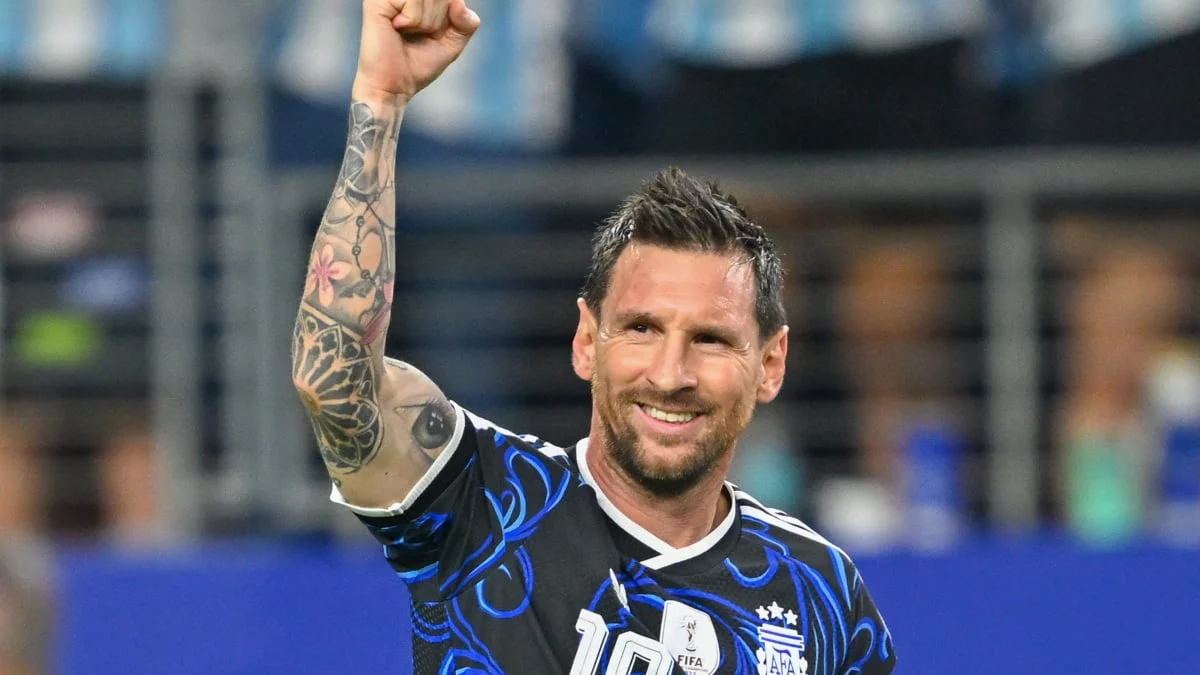
Main Facts: The Battle for the Round of 16
The 2026 FIFA World Cup has reached a critical juncture as the single-elimination knockout stage intensifies. Following a day of extraordinary theatricality on July 2, where a dramatic late goal by Portugal eliminated Croatia in a grueling, closely contested match, the tournament’s attention turns to the final day of the Round of 32. On July 3, six teams will take the pitch across three matches to determine the final three slots in the coveted Round of 16.
The action is scheduled to begin at 2:00 p.m. Eastern Time (ET), with three consecutive fixtures scheduled throughout the afternoon and evening. The matchups feature a diverse array of footballing styles and narratives: Australia faces Egypt in a clash of continental heavyweights; tournament favorites Argentina take on tournament surprise package Cape Verde; and an in-form Colombia side tests its mettle against a resilient Ghana team.
For viewers in the United States, English-language television coverage will be split between Fox, Fox Sports 1 (FS1), and the streaming platform Fox One. Comprehensive Spanish-language broadcasts will be available via Peacock. Internationally, fans are utilizing virtual private networks (VPNs) to access free public broadcasts from European networks such as ITVX, BBC iPlayer, NOS, and RTÉ.
Chronology: From Group Stage Grinds to Knockout Drama
The road to the July 3 fixtures has been defined by the grueling nature of the expanded 2026 tournament format. The group stages, characterized by high-scoring affairs and historic upsets, have weeded out the early contenders, leaving 32 teams to battle in the high-stakes environment of single-elimination football.
The July 2 Prelude: Croatia’s Heartbreak
The psychological backdrop of the July 3 matches was firmly established by the events of July 2. Croatia, a side renowned for its tournament resilience and veteran leadership, faced Portugal in a tactical chess match that seemed destined for extra time. However, a defensive lapse in the dying embers of the game allowed Portugal to convert a late match-winner, sending the Croatian squad home and demonstrating the unforgiving nature of the knockout round.
The July 3 Timeline (All Times Eastern)
- 2:00 p.m. ET – Kickoff: Australia vs. Egypt: The afternoon opens with a battle between two teams looking to solidify their status on the global stage. Both squads survived highly competitive groups but have shown vulnerabilities that their opponents will look to exploit from the first whistle.
- 5:00 p.m. ET – Kickoff: Argentina vs. Cape Verde: The late afternoon slot features a classic "David vs. Goliath" encounter. Argentina, bearing the weight of immense national expectation, must navigate the enthusiasm and tactical unpredictability of Cape Verde, who are enjoying the most successful World Cup campaign in their nation’s history.
- 8:00 p.m. ET – Kickoff: Colombia vs. Ghana: The tripleheader concludes under the stadium floodlights. Colombia enters the match with significant momentum, but they face a Ghana side historically famous for rising to the occasion in World Cup knockout fixtures.
Supporting Data: Statistical Matchup and Team Profiles
To understand the stakes of the July 3 matches, an analysis of the teams’ recent performances, group stage statistics, and historical contexts is essential.
Australia vs. Egypt
Neither Australia nor Egypt enters the Round of 32 with an unblemished record, pointing to a highly competitive and unpredictable matchup.
+-----------+------+-------+--------+-------------+
| Team      | Wins | Draws | Losses | Goal Diff.  |
+-----------+------+-------+--------+-------------+
| Egypt     |  1   |   2   |   0    |     +2      |
| Australia |  1   |   1   |   1    |      0      |
+-----------+------+-------+--------+-------------+- Egypt: On paper, the Pharaohs possess a slight statistical advantage. They remain undefeated in the tournament, having recorded one victory and two draws in the group stage. Their defensive organization has been their primary strength, allowing them to control the tempo of matches, though their transition play has occasionally lacked clinical finishing.
- Australia: The Socceroos have experienced a more turbulent campaign, registering one win, one draw, and one loss. Australia’s direct, physical style of play makes them dangerous on set pieces, but their defensive vulnerabilities were exposed during their group-stage defeat.
Argentina vs. Cape Verde
This fixture represents one of the most stark contrasts in footballing pedigree in modern World Cup history.
- Argentina: As perennial World Cup contenders and former champions, the Albiceleste carry a squad loaded with elite talent playing in Europe’s top leagues. Despite occasionally struggling with the pressure of expectation, their tactical versatility and individual brilliance make them formidable opponents in single-elimination scenarios.
- Cape Verde: The Blue Sharks have captured the imagination of neutral football fans worldwide. Hailing from a small island nation, they have leveraged disciplined low-block defending and rapid counter-attacking transitions to reach the Round of 32. Statistically, they are heavy underdogs, but their lack of pressure could serve as a psychological advantage.
Colombia vs. Ghana
This match brings together two athletic, fast-paced teams with contrasting group-stage trajectories.
+-----------+------+-------+--------+-------------+
| Team      | Wins | Draws | Losses | Goal Diff.  |
+-----------+------+-------+--------+-------------+
| Colombia  |  2   |   1   |   0    |     +4      |
| Ghana     |  1   |   1   |   1    |     -1      |
+-----------+------+-------+--------+-------------+- Colombia: Los Cafeteros enter the knockout stage as one of the tournament’s form teams. With two wins and a draw, they dominated their group through fluid attacking movements and a highly coordinated midfield press.
- Ghana: The Black Stars have had a more erratic tournament, squeaking through to the knockout rounds with a win, a draw, and a loss. However, Ghana possesses individual dynamic talents capable of turning a match on its head, making them a dangerous opponent if Colombia fails to convert early opportunities.
Official Responses: Coaches and Players Speak on the Brink
As the teams finalized their tactical preparations, press conferences held at the tournament’s media hubs highlighted the intense psychological pressure under which these squads operate.
The South American Perspective
In the Colombian camp, the coaching staff sought to temper public expectations despite their status as favorites against Ghana.
"In the knockout rounds, group stage form is entirely irrelevant," the Colombian manager stated during his pre-match press conference. "Ghana is a team with incredible physical capacities and transition speed. If we lose focus for even a minute, we will be punished. We must play with the same humility that got us here."
Meanwhile, the Argentine camp addressed the unique challenges of facing an underdog like Cape Verde.
"We respect Cape Verde immensely," an Argentine veteran midfielder remarked. "They have earned their place in the Round of 32 through hard work and tactical discipline. In football today, there are no easy matches. We must control the ball, manage our anxiety, and execute our game plan from the first minute."
The Underdog Mentality
For Cape Verde, the opportunity to play Argentina on the world stage is seen as both a reward and an opportunity.
"We have already made our country proud, but we are not satisfied just to be here," the Cape Verde head coach told reporters. "We know the quality Argentina possesses, but we also know our own strengths. We will play with courage, discipline, and the belief that anything is possible in ninety minutes of football."
Implications: Bracket Trajectory and Global Broadcast Landscape
The outcomes of the July 3 matches will have immediate, far-reaching consequences for the remainder of the tournament bracket, while also driving massive engagement across global broadcasting networks.
Bracket Pathways
The three victors from today’s matches will advance directly to the Round of 16, where the tactical difficulty increases exponentially. A victory for Argentina would keep them on a collision course with other tournament favorites, while a historic upset by Cape Verde would disrupt the bracket entirely. For Australia, Egypt, Colombia, and Ghana, advancing represents a vital opportunity to establish momentum ahead of the quarter-finals.
The Modern Media and Broadcasting Landscape
The global distribution of World Cup broadcasting rights highlights the shifting habits of modern sports consumers, balancing traditional cable networks with streaming services and digital tools.
- Traditional and Digital Cable: In the United States, Fox and FS1 remain the primary destinations for traditional television viewers. For cord-cutters, live TV streaming services such as YouTube TV and Hulu + Live TV have become the preferred alternatives, offering full access to local Fox affiliates and FS1 over high-speed Wi-Fi connections without the need for long-term cable contracts.
- Direct Streaming and Language-Specific Services: Fox One provides dedicated digital coverage, while Comcast’s Peacock continues to capture the Spanish-language market, broadcasting every match live with specialized commentary teams.
- The Rise of VPN-Enabled Viewing: A significant portion of the global audience is bypassing regional broadcasting blackouts and paywalls by utilizing Virtual Private Networks (VPNs). By routing their internet traffic through secure servers located in other countries, viewers can access free, high-quality public broadcasts. Popular destinations include the United Kingdom’s ITVX and BBC iPlayer, the Netherlands’ NOS, and Ireland’s RTÉ.
To facilitate this, many sports fans rely on ExpressVPN, an Official Tournament Supporter of the FIFA World Cup in the United States, Canada, and Europe. ExpressVPN offers optimized servers across 105 countries, enabling reliable, high-speed streaming on various devices, ensuring that fans do not miss a single moment of the dramatic Round of 32 conclusions.
 Raul Delapena Setiawan
  Ali Ikhwan