
 By Azzam Bilal Chamdy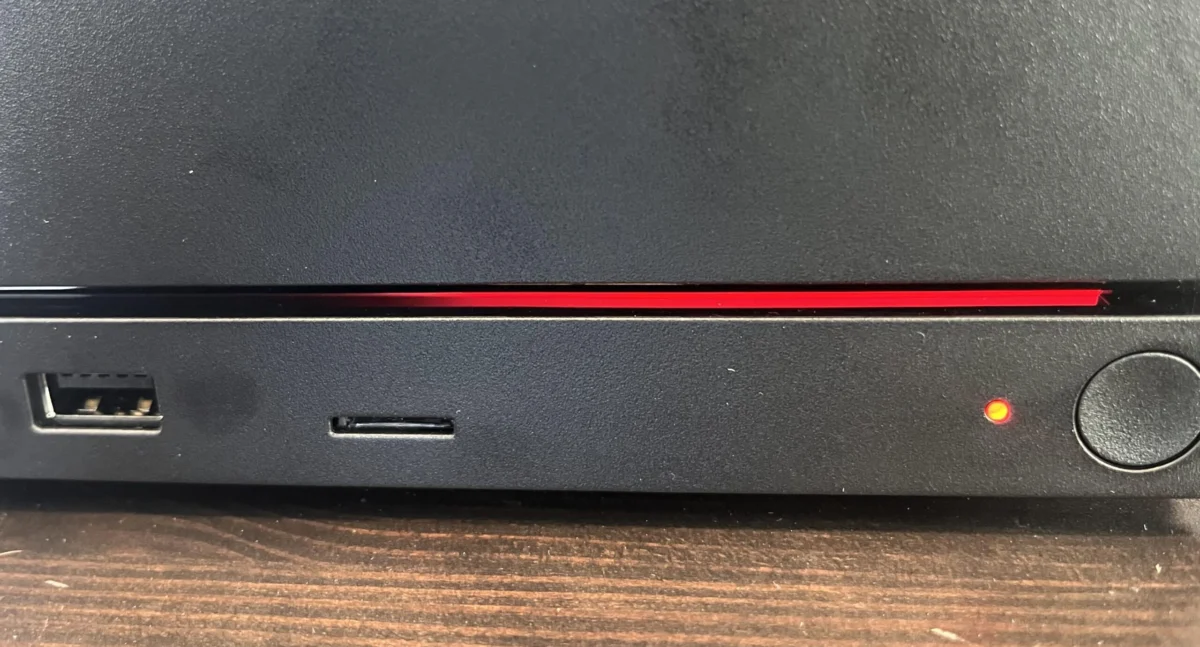
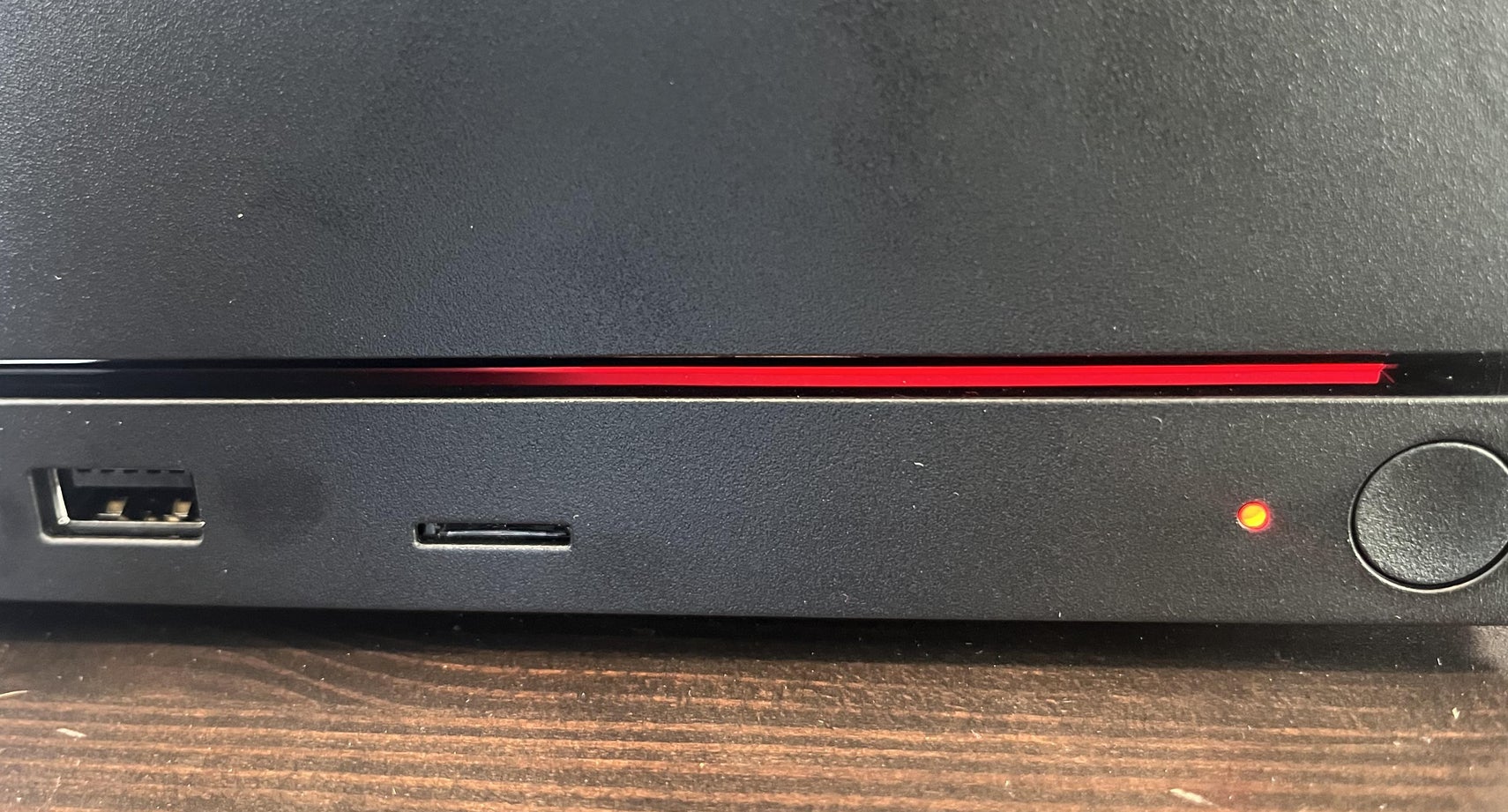
For early adopters, the thrill of unboxing a long-awaited piece of gaming hardware is usually eclipsed only by the anticipation of the first power-up. However, for Reddit user me_hill, that excitement turned to frustration within mere minutes. As one of the first consumers to receive the much-anticipated Steam Machine, they were met not with the sleek interface of SteamOS, but with a ominous, singular red line glowing on the front light bar.
The hardware fault has already been christened by the community as the "Red Line of Death," a moniker that invokes the collective trauma of the gaming industry’s most notorious hardware failures. While Valve has yet to issue a formal statement regarding the prevalence of this issue, the incident has sparked a frantic debate about manufacturing quality control, GPU reliability, and the potential for a widespread systemic failure.
The Chronology of a Bricked Console
The narrative of this failure is brief but alarming. According to the account provided by me_hill on the r/steammachine subreddit, the device arrived in perfect working order. The user began their experience with a brief session of No Man’s Sky, a title chosen to test the machine’s graphical fidelity.
After only five minutes of gameplay, the console prompted the user to install a mandatory firmware update—a standard procedure for new consumer electronics. It was during or immediately after the completion of this update that the system failed. The machine ceased to provide any display output to the monitor, and the front-facing LED light bar displayed the dreaded red indicator on its right-hand side.
"Got five minutes of No Man’s Sky in, then I installed the update the machine had available and it bricked itself," me_hill wrote. "If you’re still in the queue, look on the bright side: they’re presumably going to iron this crap out."
Since the initial report, the community has been closely monitoring the subreddit for further instances. While a singular hardware failure is statistically inevitable with any mass-produced product, the specific nature of the error—a complete "brick" following a firmware update—has raised concerns that this may be a software-induced hardware conflict or a flaw inherent to the initial production run of GPUs.
Technical Analysis: Identifying the "Red Line"
The "Red Line of Death" is not merely an aesthetic choice by the hardware’s design team; it is a diagnostic code. As corroborated by technical analysis from Digital Foundry, the specific placement of the red light on the right side of the light bar is a documented error signal within the Steam Machine’s architecture.
According to Valve’s official support documentation, this specific error code signals a critical GPU failure. The inability to push a signal to a display is the primary symptom, confirming that the graphics processing unit has either suffered a catastrophic physical failure or is experiencing a communication breakdown with the motherboard that prevents initialization.
The GPU Reliability Question
The implications of a GPU failure in a pre-built, small-form-factor console are significant. Unlike a traditional desktop PC where a user might swap out a graphics card, the Steam Machine is designed as a closed ecosystem. A GPU failure effectively renders the entire unit a paperweight.
The fact that this occurred after a firmware update is particularly concerning. It suggests one of two possibilities:
- Voltage Spikes: The firmware update may have pushed the GPU into a power state that the specific hardware revision could not handle, causing a physical component failure.
- Driver/BIOS Conflict: The update may have introduced a corrupted instruction set that caused the GPU to "brick" its own firmware, preventing it from ever initializing again.
Echoes of the Past: The Industry’s "Death" Legacy
The nickname "Red Line of Death" is clearly inspired by the historical failures that have defined the gaming industry’s reputation for reliability.
The most prominent of these was the Xbox 360’s "Red Ring of Death" (RRoD). That saga, which began in 2005, saw millions of consoles suffer from overheating issues caused by poor solder joints and thermal stress. It eventually cost Microsoft over $1 billion in warranty claims and public relations damage. Similarly, the PlayStation 3’s "Yellow Light of Death" (YLoD) plagued early models, often resulting from thermal fatigue on the console’s mainboard.
The psychological impact of these previous failures is evident in the current community discourse. For me_hill, the irony is particularly painful; they admitted in subsequent comments that they were a victim of the original Xbox 360 RRoD. For many enthusiasts, the fear is that the Steam Machine may be embarking on a similar path. While Valve is a company with a reputation for high-quality software, its history as a hardware manufacturer is still in its infancy, making the market reaction to this incident particularly volatile.
Official Responses and Support Protocols
Valve’s support channels are currently the only path forward for those experiencing this error. The standard protocol for such a failure is an immediate Return Merchandise Authorization (RMA). However, the situation is complicated by the device’s availability.
Because Steam Machines have been produced in limited quantities during this initial rollout, replacements may not be readily available. If this is a widespread defect, Valve could face a logistics nightmare, struggling to fulfill replacement requests while simultaneously trying to halt production to identify and fix the root cause.
At this stage, Valve has remained silent on whether this is a widespread manufacturing defect or an isolated incident involving a bad batch of components. For affected users, the advice from the community is unanimous: do not attempt to open the machine. Given that the warranty is voided by tampering, and the complexity of the hardware suggests it is not user-serviceable, contacting Valve support remains the only viable route.
Implications for the Future of Steam Machines
The success of the Steam Machine platform depends entirely on consumer trust. A new piece of hardware, especially one entering a market dominated by established consoles from Sony, Microsoft, and Nintendo, cannot afford a reputation for unreliability.
1. Market Confidence
If the "Red Line of Death" proves to be a recurring theme, it could severely hamper Valve’s efforts to establish SteamOS as a viable alternative to Windows for living-room gaming. Enthusiasts are willing to overlook minor software bugs, but they have zero tolerance for hardware that fails within the first hour of use.
2. Quality Control Scrutiny
This incident will undoubtedly lead to increased scrutiny of Valve’s manufacturing partners. Consumers will be watching to see how the company handles these early claims. A transparent, rapid response—where Valve acknowledges the issue, provides free replacements, and explains the fix—could mitigate the damage. A slow, evasive response, however, could be fatal to the platform’s momentum.
3. The "Early Adopter" Tax
This incident serves as a stark reminder of the "early adopter tax." Those who rush to be the first to own new, complex technology are often the involuntary beta testers for the manufacturer. While the excitement of being an early adopter is a powerful motivator, the risk of dealing with unrefined hardware is a reality that the gaming community is now confronting once again.
Conclusion
As the community continues to gather data and await further word from Valve, the atmosphere surrounding the Steam Machine is one of nervous anticipation. Is this simply the "noise" that accompanies any large-scale product launch—a small percentage of inevitable defects—or is it the canary in the coal mine for a systemic hardware failure?
For now, the advice to those who have yet to receive their units is to proceed with caution. For those currently staring at a red line on their light bar, the waiting game begins. The coming weeks will be critical for Valve; their response to this issue will determine whether the "Red Line of Death" remains a minor footnote in the history of the Steam Machine, or if it becomes the defining, and ultimately damaging, legacy of the platform’s launch.
 Lina Irawan
  Asep Darmawan
  Nana Wu