For decades, a trip to Claire’s was a foundational rite of passage for young girls. It was a physical sanctuary of adolescence—a place where ears were pierced, friendship necklaces were split in half, and mall-goers amassed piles of glittery, neon accessories. Long before "girlhood" became a viral marketing term and social media aesthetic, Claire’s had cornered the market on the tween experience.
However, nostalgia alone cannot sustain a legacy retail brand in 2026. Facing the dual challenges of a shifting retail landscape and a generation of consumers who socialize online rather than at the local food court, Claire’s is executing a comprehensive strategic pivot. The brand is shifting its focus away from traditional celebrity endorsements and instead betting on digital creators, immersive gaming platforms, and a "phygital" retail model to capture the attention of Generation Alpha.
Main Facts: The Lana’s Life and ‘Dress To Impress’ Collaboration
At the 2026 VidCon convention in Anaheim, California, Claire’s unveiled its latest and most ambitious cross-platform partnership to date: a nationwide, in-store product collection launched in collaboration with prominent Roblox YouTuber Lana’s Life. Lana, whose channel boasts over 9.5 million subscribers, is highly regarded among Gen Alpha for her roleplay videos, beauty content, and gameplay commentary centered on Dress To Impress, a viral fashion-competition game on the Roblox platform.
CLAIRE'S STRATEGIC SHIFT AT A GLANCE
┌─────────────────────────────┬─────────────────────────────┐
│      Old Retail Model       │      New Retail Model       │
├─────────────────────────────┼─────────────────────────────┤
│ • Mall-dependent foot traffic│ • Omnichannel & digital hub │
│ • Celebrity spokespersons   │ • Native digital creators   │
│ • Long lead trend cycles    │ • "On trend, on time" agile │
│ • Purely physical products  │ • Phygital/Roblox integration│
└─────────────────────────────┴─────────────────────────────┘
The partnership is designed to bridge the gap between virtual engagement and physical commerce. The collection features physical beauty and accessory products inspired by the aesthetic of Dress To Impress. To incentivize digital-native shoppers, the physical merchandise includes exclusive codes that unlock digital assets and rewards within the Roblox game.
This initiative is part of a broader corporate effort spearheaded by Claire’s Chief Brand Officer, Michelle Goad, to position the legacy retailer as "an inspiring playground for modern girlhood." Rather than treating digital spaces as mere promotional channels, Claire’s is integrating them directly into its physical product design and supply chain.
Chronology: The Evolution of Claire’s from Mall Staple to Digital Pioneer
To understand the significance of Claire’s current transformation, it is necessary to examine the brand’s trajectory over the past several decades:
1. The Golden Era of Mall Culture (1980s–2000s)
Founded in the 1960s and expanded rapidly through acquisitions, Claire’s became synonymous with suburban mall culture. During this period, the retailer operated thousands of highly profitable, small-format stores worldwide, relying almost entirely on mall foot traffic and its monopoly on ear piercing services.
2. Financial Headwinds and Bankruptcy (2010s–2018)
The rise of e-commerce, coupled with a decline in suburban mall attendance, severely impacted the retailer’s bottom line. Burdened by debt from a 2007 leveraged buyout by private equity firm Apollo Global Management, Claire’s filed for Chapter 11 bankruptcy protection in March 2018. The restructuring allowed the company to eliminate approximately $1.9 billion in debt and close underperforming stores.
3. Post-Bankruptcy Re-emergence and Omnichannel Expansion (2019–2022)
Emerging from bankruptcy, Claire’s diversified its distribution model. The company moved beyond traditional malls by establishing shop-in-shop partnerships with major retailers like Walmart and CVS. Simultaneously, the brand began experimenting with digital spaces, launching its own Roblox space, "Shimmerville," in late 2022 to test virtual brand engagement.
4. The Creator-Centric Pivot (2023–2026)
Recognizing that Gen Alpha’s cultural touchpoints differ significantly from those of Gen Z, Claire’s began phasing out traditional celebrity-driven campaigns. The brand shifted its marketing spend toward native digital creators and gaming integrations, culminating in the 2026 partnership with Lana’s Life and Dress To Impress.
Supporting Data: Understanding Gen Alpha and the Power of Roblox
The strategic shift at Claire’s is backed by shifting demographics and youth media consumption patterns. Generation Alpha—typically defined as those born from 2010 to 2024—is the first generation fully born in the 21st century. Their relationship with technology, gaming, and commercial brands differs fundamentally from that of their millennial parents or Gen Z predecessors.
The Influence of Gaming Ecosystems
Roblox has emerged as a primary social hub for Gen Alpha. According to company metrics, Roblox boasts over 70 million daily active users, with a substantial percentage falling under the age of 13.
Within this ecosystem, fashion and self-expression games like Dress To Impress have achieved massive cultural significance, often serving as the primary venue where young users experiment with style, identity, and personal aesthetics before translating those preferences into the real world.
Gen Alpha Media Consumption Preferences:
┌───────────────────────────────────────────────────────────┐
│ [██████████████████████████████] Roblox & Interactive Games (88%)
├───────────────────────────────────────────────────────────┤
│ [████████████████████████] YouTube Creator Content (72%)  │
├───────────────────────────────────────────────────────────┤
│ [████████████] TikTok & Short-Form Video (36%)            │
├───────────────────────────────────────────────────────────┤
│ [████] Traditional Television & Streaming (12%)            │
└───────────────────────────────────────────────────────────┘
Aesthetic Shifts: From Maximalism to Soft Femininity
Market research conducted by Claire’s indicates a notable aesthetic divergence between Gen Z and Gen Alpha. While Gen Z’s teenage years were characterized by bold maximalism, Y2K nostalgia, and edgy, counter-cultural style, Gen Alpha is gravitating toward a softer, highly feminine, pastel-driven aesthetic.
Industry analysts attribute this trend partly to parental influence. As millennial parents embrace minimalist home designs, their children are reacting by seeking out distinctly "girly," soft-hued, and playful personal items.
The Creator Trust Premium
Traditional celebrity endorsements are losing efficacy among younger consumers. Data from influencer marketing studies indicates that over 70% of Gen Alpha and young Gen Z consumers trust recommendations from YouTube and TikTok creators over Hollywood actors or pop stars.
Creators like Lana’s Life maintain active daily feedback loops with their audiences through comment sections, live streams, and community posts, fostering a level of perceived intimacy and authenticity that traditional celebrities cannot replicate.
Official Responses: Preserving Girlhood in an Accelerated Digital Age
According to Claire’s executives, the brand’s new direction is designed to address a growing cultural concern: the acceleration of childhood. With unrestricted access to social media algorithms, young girls are increasingly exposed to adult beauty routines, skincare regimens, and lifestyle trends—a cultural phenomenon often referred to directly as the "Sephora Kids" trend.
Michelle Goad, Chief Brand Officer at Claire’s, discussed this dynamic during an interview at VidCon 2026:
"Girls feel very rushed to grow up because they have access to everything on social. They’re seeing grown women in their algorithm, and they feel this urgency to grow up faster. We took a counterculture position and said, ‘We’re actually going to take a beat and cherish girlhood.’"
Goad emphasized that partnering with creators like Lana’s Life allows the brand to meet young consumers where they are without pushing them into inappropriate lifestyle categories.
"This consumer demands a two-way conversation and a true relationship with their community. You're going to want to engage and be a fan of someone who's actually there, showing up in the comments and doing the work."
— Michelle Goad, Chief Brand Officer
To support this strategy, Claire’s has overhauled its internal trend-forecasting and product-development cycles. Rather than relying on traditional 12-to-18-month retail production calendars, the company monitors real-time discussions, comments, and gaming trends online to quickly bring relevant products to market. Goad refers to this operating model internally as being "on trend, on time."
Implications: The Future of ‘Phygital’ Retail and Youth Marketing
The strategic evolution of Claire’s offers broader lessons for the global retail industry, the creator economy, and youth culture.
1. The Institutionalization of the "Phygital" Loop
The integration of physical merchandise with digital gaming incentives (such as Roblox codes) represents a significant step forward for "phygital" retail. Brands can no longer treat the digital and physical worlds as separate sales funnels. For Gen Alpha, virtual identities in games like Dress To Impress are just as important as physical appearances. Retailers that can seamlessly connect these two worlds will likely find themselves at a distinct competitive advantage.
THE "PHYGITAL" FEEDBACK LOOP
┌─────────────────────────────────────────────────────────┐
│ 1. Virtual Engagement                                   │
│    Active participation in Roblox / Dress To Impress    │
└────────────────────────────┬────────────────────────────┘
                             │
                             ▼
┌─────────────────────────────────────────────────────────┐
│ 2. Digital Discovery                                    │
│    Watching YouTube creators like Lana's Life           │
└────────────────────────────┬────────────────────────────┘
                             │
                             ▼
┌─────────────────────────────────────────────────────────┐
│ 3. Physical Commerce                                    │
│    Purchasing themed products in Claire's stores        │
└────────────────────────────┬────────────────────────────┘
                             │
                             ▼
┌─────────────────────────────────────────────────────────┐
│ 4. Virtual Reward                                       │
│    Redeeming in-store codes for digital Roblox assets   │
└────────────────────────────┬────────────────────────────┘
                             │
                             └─────────── (Loop Repeats) ─┘
2. Creators as Co-Designers, Not Just Advertisers
The partnership with Lana’s Life demonstrates that the role of the influencer is changing. Legacy brands are moving away from treating creators as simple distribution channels for pre-made corporate products. Instead, creators are increasingly serving as co-designers, creative directors, and business partners. This shift acknowledges that creators possess a deeper, more direct understanding of their communities’ preferences than traditional corporate design teams.
3. The Battle for "Safe" Brand Spaces
As parents and regulators voice growing concerns over the impact of social media on children’s mental health, there is a clear market opportunity for brands that position themselves as safe havens for age-appropriate play. By focusing on soft, creative, and imaginative themes, Claire’s is positioning itself as an ally to parents who want to protect their children from the pressures of premature maturation, while still offering products that appeal to Gen Alpha’s digital sensibilities.
Ultimately, Claire’s is attempting to prove that while the mediums of childhood play have shifted from physical dolls and mall corridors to Roblox servers and YouTube feeds, the core human desire for self-expression, community, and play remains unchanged. Whether this digital-first strategy will secure the long-term financial future of the legacy retailer remains to be seen, but for now, Claire’s is actively building the infrastructure to support the next generation’s vision of girlhood.

 By Pevita Pearce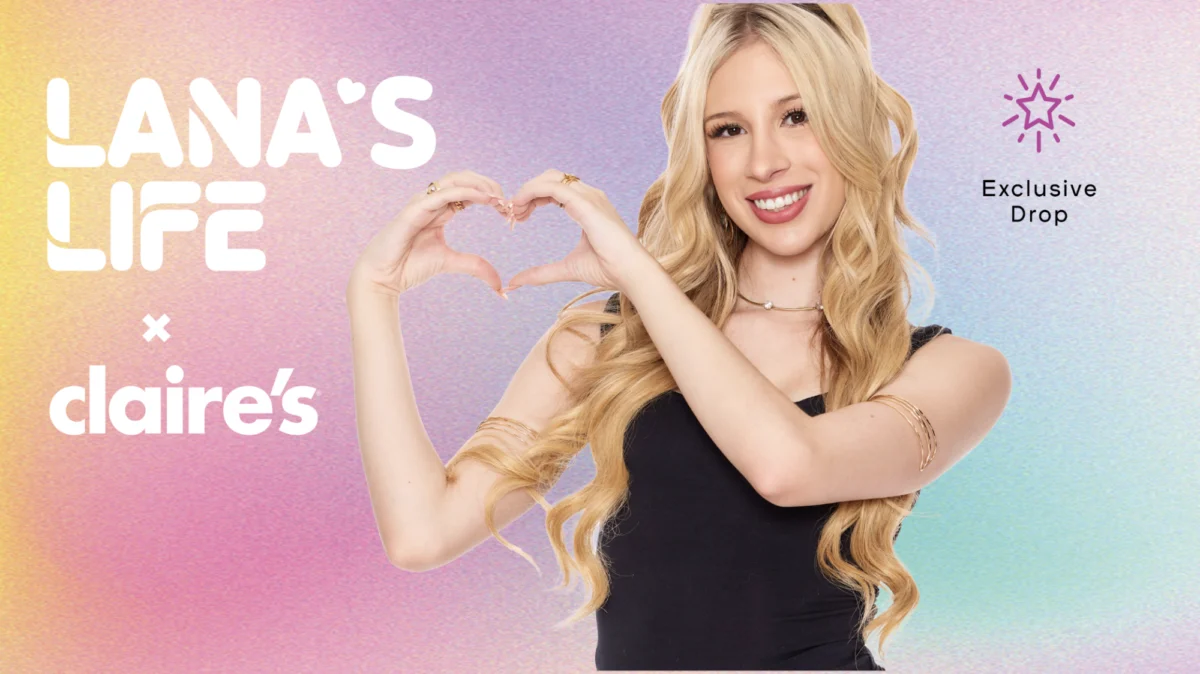


 Raul Delapena Setiawan
  Ali Ikhwan
  Evan Lee Salim