
 By Lina Hope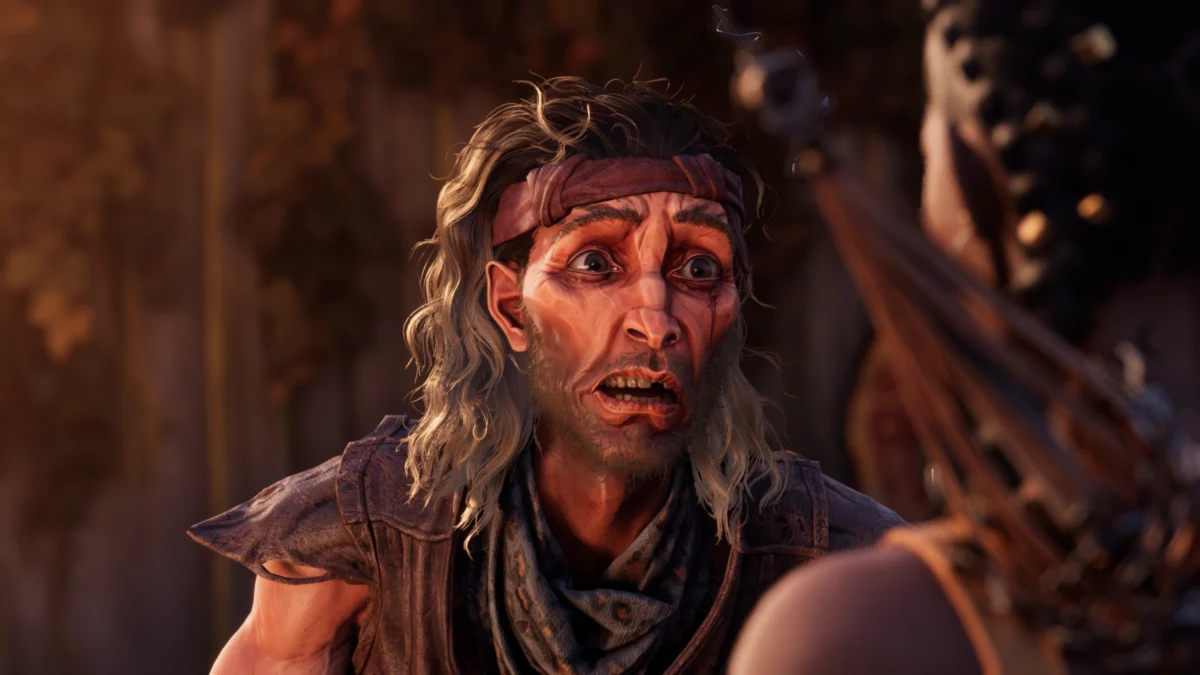
In a seismic shift that has sent shockwaves through the video game industry, Microsoft has initiated a sweeping restructuring of its Xbox division. This massive realignment, which includes an estimated 20 percent workforce reduction—totalling roughly 3,200 job losses company-wide—marks the end of an era for several high-profile studios that had become fixtures of the Xbox Game Studios ecosystem. Among the most notable developments are the departures of industry icons Double Fine Productions and Compulsion Games, both of which are set to return to their roots as independent developers.
This radical pivot, described by Xbox leadership as a necessary move to recalibrate the company’s business model, signals a retreat from the aggressive acquisition strategy that defined Microsoft’s gaming trajectory between 2018 and 2023. As the dust settles, the industry is left to grapple with the long-term implications of this corporate divestment.
A Chronology of Expansion and Retrenchment
To understand the weight of today’s announcement, one must look back at the "spending spree" era of Xbox. Following the tenure of Phil Spencer, Microsoft embarked on a mission to bolster its subscription-based service, Xbox Game Pass, by aggressively acquiring mid-to-large-scale developers.
- Summer 2018: Microsoft announces the acquisition of several studios, including Double Fine Productions—the creative powerhouse led by Tim Schafer—and Compulsion Games, the creators of the dystopian thriller We Happy Few.
- 2019–2022: A period of integration follows. Double Fine delivers the critically acclaimed Psychonauts 2, a title that served as a flagship for the creative potential of Xbox Game Studios. Compulsion focuses on the development of the atmospheric, Southern Gothic-inspired South of Midnight.
- Late 2024–Early 2025: Internal pressures mount as Microsoft faces broader economic headwinds. The cost of maintaining a sprawling network of studios begins to clash with the realities of industry profitability.
- Today: Xbox leadership, represented by Asha Sharma, announces an "unprecedented" restructuring. The official stance is clear: Microsoft is moving to streamline its portfolio, divesting from studios that do not fit the new, narrowed focus on established, high-revenue intellectual property.
Supporting Data: The Financial Reality of the "Big Box" Model
The decision to spin off studios is not merely a creative shift; it is a cold, calculated financial necessity. During the announcement, Asha Sharma provided a sobering look at the economics of the current model. "It is neither possible nor desirable to own every great independent studio," Sharma stated in a company-wide email. "We have also learned that we are not the best home for every type of studio; in a typical year, we lost 64 cents for every dollar we invested."
This statement highlights the fragility of the "live service" and "subscription-first" models when applied to boutique developers. While Double Fine and Compulsion produced high-quality, "Recommended" titles like Psychonauts 2 and Keeper, these games often function as "prestige" products rather than high-frequency engagement engines. For a corporation the size of Microsoft, which is currently pivoting to prioritize massive, proven IPs—such as The Elder Scrolls and Fallout—the niche appeal of an auteur-driven studio represents an inefficiency that the board is no longer willing to subsidize.
Official Responses: A Return to Sovereignty
For the developers involved, the news of their independence is being framed as a "new chapter" rather than a failure. Both studios have taken to social media to express gratitude for their time under the Microsoft umbrella, while emphasizing the restoration of their creative autonomy.
Double Fine Productions
In a statement released via Bluesky, the studio behind Psychonauts and Keeper stated: "Once again, Double Fine Productions will be an independent studio. We’re thankful to everyone at Xbox for seven great years together, and for working with us to reach an outcome which preserves our history and culture, and returns ownership of our games to us."
The studio, which had maintained an independent mindset even while owned by Microsoft—spearheading initiatives like the Day of the Devs showcase—seems poised to return to its roots. The return of the rights to their library ensures that the studio’s legacy remains in the hands of its creators.
Compulsion Games
Compulsion Games, which had been independent for nine years prior to the 2018 acquisition, struck a similar chord of cautious optimism. "Today, we’re sharing that Compulsion Games will return to independent management following our time as part of Xbox," the studio noted. "As part of this transition, we will retain the rights to Contrast, We Happy Few, and our award-winning South of Midnight."
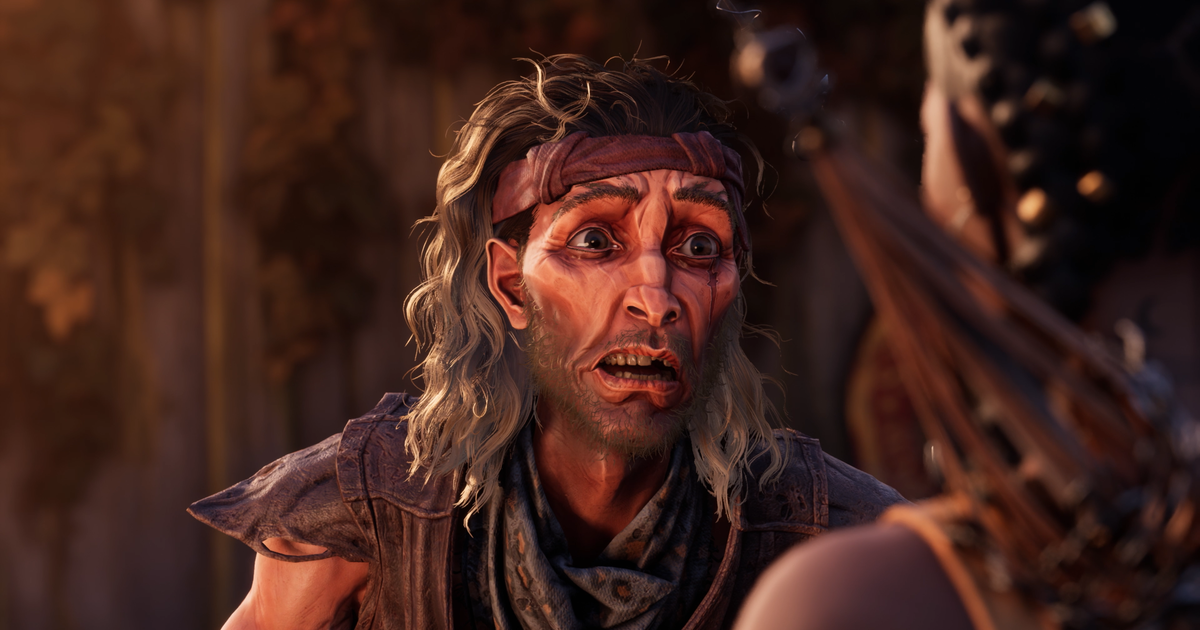
The retention of South of Midnight is particularly significant. As the studio’s most recent and ambitious project, the ability to continue managing the game’s lifecycle and future content without the pressure of corporate mandates is a critical victory for the team.
The Broader Landscape: Who Remains?
The situation for other studios remains more opaque. Ninja Theory, the developer of the Hellblade series, and Undead Labs, the team behind State of Decay, have yet to issue public statements. Reports suggest that these studios are currently under negotiation for "undisclosed new ownership," a phrase that implies they are being sold off in packages rather than being granted full independence.
Meanwhile, the legendary Arkane Lyon, creators of Dishonored and Deathloop, is currently in negotiations regarding its future away from the Xbox brand. This suggests a potential "fire sale" of creative assets as Bethesda and Zenimax pivot toward a narrow, blockbuster-centric strategy.
Implications: Can They Survive?
The shift back to independence for these studios raises the "survival question." For 18 years, Double Fine survived as an independent entity by fostering a dedicated fanbase and diversifying its revenue streams. However, the market in 2025 is vastly different from the market in 2010.
The Financial Cliff
Without the backing of a trillion-dollar parent company, Double Fine and Compulsion must now navigate rising development costs, the volatility of the retail market, and the need for new funding sources. While they retain their IPs, the lack of a guaranteed "Game Pass" safety net means they will have to be more aggressive in their marketing and potentially more conservative in their project scoping.
The Fanbase Factor
There is an undeniable sentiment in the gaming community that independent studios—particularly those that foster strong, authentic identities—thrive better when they are not tied to the perceived baggage of a mega-corporation. Microsoft’s recent years have been marred by controversy, including its ties to the Israeli military, the push for generative AI, and the layoffs of thousands of employees.
By distancing themselves from these corporate associations, Double Fine and Compulsion may actually strengthen their brands. Fans are often more willing to support a "plucky underdog" studio that is fighting for its existence than a subsidiary of a massive conglomerate.
The Creative Outlook
The return to independence may also spark a creative renaissance. Under the banner of a massive corporation, even the most creative studios often find themselves constrained by "brand synergy" requirements and the need to conform to a centralized vision. Freed from these mandates, Double Fine and Compulsion now have the total creative freedom to dictate their own roadmaps.
As we look toward the future, the industry will be watching these two studios closely. If they can successfully navigate the transition, they may prove to be the blueprint for a new wave of mid-tier independent development—one that favors human-centric design, auteur-led projects, and the enduring power of creative independence. The "Great Uncoupling" may be a painful chapter for the thousands affected by the layoffs, but for the studios themselves, it represents a return to the ethos that made them legends in the first place.
 Sagoh
Sagoh  Lina Irawan
  Asep Darmawan