
 By Raul Delapena Setiawan
When shoppers traverse the aisles of a Publix supermarket, they are participating in a retail tradition that spans nearly a century. Since its humble beginnings in Winter Haven, Florida, in 1930, George W. Jenkins’ brainchild has evolved from a single storefront into a titan of the American grocery landscape. While the chain is widely celebrated for its "Pub Subs" and legendary customer service, there is a frozen secret hidden in the freezer aisle that separates Publix from its competitors: its ice cream is not just a private-label product; it is a homegrown legacy.
Unlike most grocery retailers that rely heavily on third-party manufacturers to white-label products, Publix has taken a decidedly different approach to its dairy aisle. By maintaining control over the formulation and production of its signature ice cream, the company has managed to cultivate a cult-like following that few other supermarket brands can claim.
The Foundation: A Legacy of Vertical Integration
To understand the success of Publix ice cream, one must look back at the company’s long-standing commitment to manufacturing its own goods. While many grocery chains view private-label items as a way to cut costs by outsourcing to the lowest bidder, Publix has invested heavily in vertical integration.
The cornerstone of this strategy is the company’s dedicated dairy operations. The Publix Lakeland Dairy Plant in Florida, established in 1980, stands as a testament to the vision of former president Joe Blanton. Blanton believed that if Publix wanted to guarantee quality, it had to control the source. This philosophy extended beyond simple logistics; it became a core component of the "Publix difference."
Today, the company operates two primary dairy facilities—one in Lakeland, Florida, and another in Dacula, Georgia. These plants do not merely package products; they serve as research and development hubs. By producing its own dairy, bakery, deli, and snack items, Publix ensures that its products meet strict internal standards that third-party contracts often fail to uphold. The scale of this operation is staggering: the Lakeland facility alone churns out approximately 20 million cartons of ice cream annually, a volume that underscores the product’s immense popularity among the chain’s loyal customer base.
A Chronology of Quality: Four Decades of Churning
The evolution of Publix’s dairy production is a story of steady, calculated growth:
- 1930: George W. Jenkins opens the first Publix store, establishing a culture of service and quality that would eventually define its private-label strategy.
- 1980: The Lakeland Dairy Plant officially opens. This is a pivotal moment in the company’s history, as it marks the transition from a pure retailer to a manufacturer of its own premium dairy products.
- The 1990s and 2000s: Publix expands its footprint across the Southeast, bringing its proprietary ice cream to Alabama, Georgia, South Carolina, Tennessee, and Kentucky.
- 2010s: The "GreenWise" organic line is integrated into the dairy production cycle, allowing for organic ice cream options that meet the same high manufacturing standards as the conventional products.
- Present Day: The company continues to push boundaries in flavor innovation, with dedicated R&D teams constantly evaluating consumer trends to keep the freezer aisle fresh.
The Anatomy of a Perfect Scoop: Technical Excellence
What makes Publix ice cream stand out in a saturated market? According to industry experts, the secret lies in the base formulation. All Publix ice cream is crafted using real milk and cream. The high milkfat content is not accidental; it is a technical decision that results in an indulgent, dense, and creamy mouthfeel that resists the "icy" texture often found in lower-tier store brands.
The production process at the Lakeland and Dacula plants adheres to a rigorous quality assurance protocol. Every batch is tested for consistency, fat content, and flavor profile before it ever leaves the facility. By keeping the manufacturing in-house, Publix can pivot quickly. If consumer feedback suggests a need for a change in texture or a variation in sweetness, the R&D team can adjust the manufacturing parameters within days, whereas a third-party supplier might take months to negotiate contract changes.
Flavor Innovation: The 12-Month Development Cycle
Perhaps the most fascinating aspect of the Publix ice cream operation is its flavor development department. While a standard pint might seem simple to the consumer, the process of bringing a new flavor to the shelf can take up to 12 months of intensive research and development.
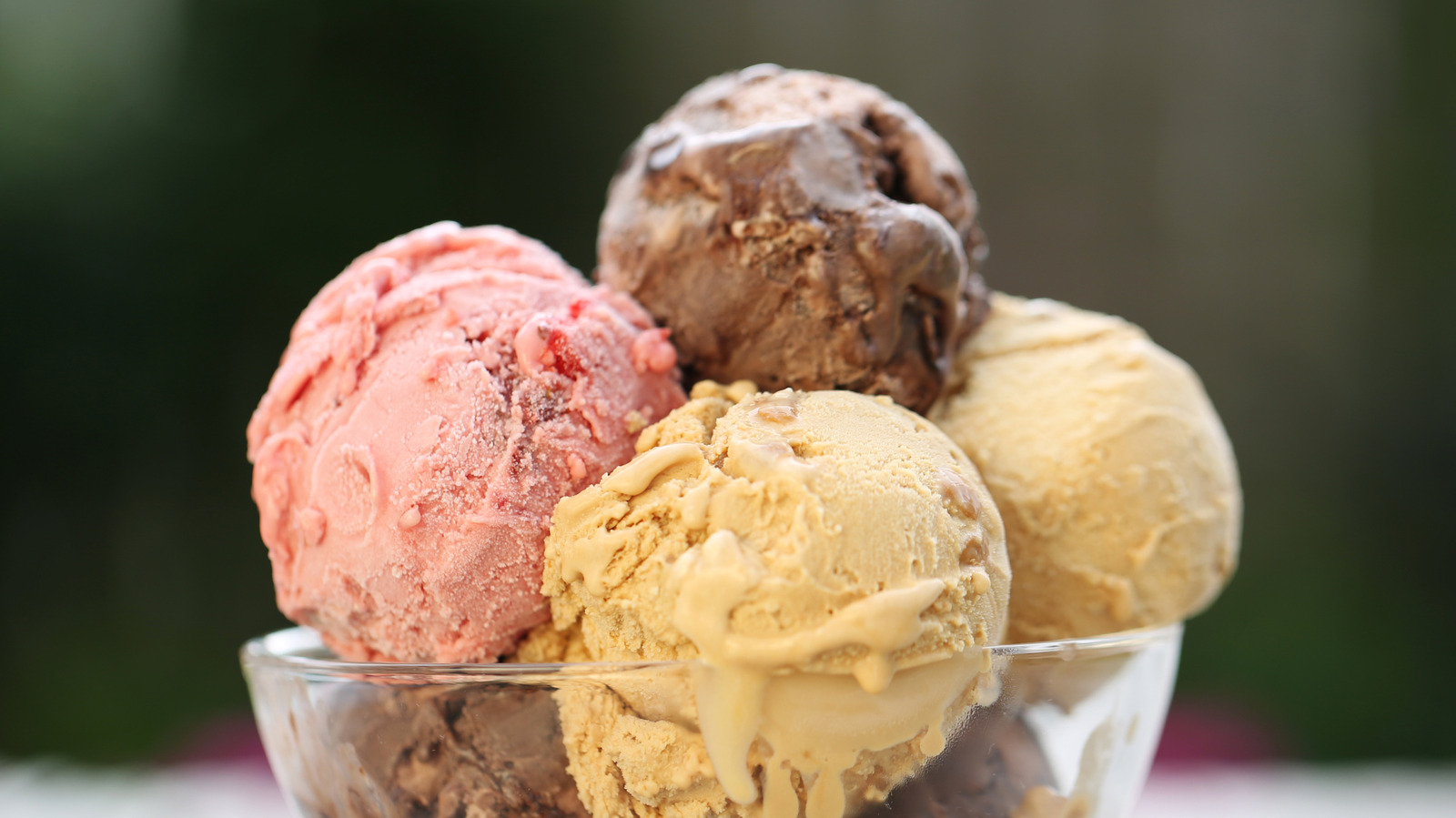
How New Flavors are Born
The innovation pipeline at Publix is multifaceted, drawing inspiration from three primary sources:
- Trend Research: Analysts monitor culinary trends in high-end restaurants and specialty dessert shops to identify flavor profiles that are gaining traction.
- Supplier Collaboration: Ingredient suppliers share new, innovative inclusions—such as specialized variegates, unique nut butters, or artisanal cookie chunks—that could define a new flavor.
- Customer Feedback: Through direct interaction at store level and digital analytics from online shoppers, the team identifies gaps in the current lineup, such as the demand for lactose-free options or specific regional favorites.
Once a potential flavor is conceptualized, it enters a rigorous testing phase. The Lakeland facility hosts an annual tasting event where employees from various departments act as a sensory panel. During these events, testers sample upwards of 100 potential flavors. The criteria for success are strict: the flavor must be unique, the inclusions must be balanced, and it must maintain the integrity of the base dairy mix.
From Concept to Freezer
Not every flavor makes it to the freezer. However, those that do are often exclusive to Publix. Recent summer releases, such as the guava and cheese pastry frozen yogurt or the sweet tea and lemonade float, represent a willingness to experiment with bold, regional flavors that resonate with the chain’s core demographic in the Southeast. These are joined by seasonal staples—like bourbon eggnog, pumpkin pie, and peppermint stick—that have become anticipated annual traditions for shoppers.
Supporting Data: Why In-House Matters
The economic implications of this strategy are significant. By manufacturing its own ice cream, Publix eliminates the "middleman" markup that typically inflates the price of premium ice cream brands. This allows Publix to offer a "premium" product at a "private-label" price point.
The sheer variety available is another pillar of its success. At any given time, a typical Publix freezer section may house more than 40 distinct flavors. This variety, combined with the consistent quality of the product, creates a "sticky" shopping experience. When a customer knows they can find a high-quality, unique flavor like "Chocolate Peanut Butter Pretzel" only at Publix, they are far more likely to make the supermarket their primary destination for their weekly grocery haul.
Official Perspectives and Industry Implications
While the company remains modest about its manufacturing prowess, the industry views the Publix model as a "gold standard" for private-label management. Retail analysts note that by owning the means of production, Publix has successfully turned a commodity item (ice cream) into a brand differentiator.
In a competitive market where grocery giants are battling for loyalty, the ability to offer a product that cannot be found at a competitor’s store is a powerful tool. Publix’s ice cream serves as an anchor for its brand identity: it is reliable, high-quality, and deeply connected to the communities it serves.
Conclusion: The Future of the Frozen Aisle
As Publix continues to expand its geographic footprint, the pressure to maintain its standards of quality will only grow. Yet, the company’s history suggests that it will not sacrifice its manufacturing integrity for the sake of rapid scaling. By keeping the Lakeland and Dacula plants at the heart of its operations, Publix ensures that the pint of ice cream you buy today tastes exactly as it should—a product of decades of expertise, a commitment to quality ingredients, and a relentless pursuit of the next great flavor.
Whether it is a classic vanilla or an experimental seasonal limited edition, Publix ice cream is a reminder that the best grocery store brands are built not just on price, but on a genuine dedication to the craft of food production. As long as those 20 million cartons continue to roll off the lines, Publix will likely remain the undisputed king of the freezer aisle in the American South and beyond.
 Azzam Bilal Chamdy
  Lina Irawan
  Lina Hope