
 By Reynand Wu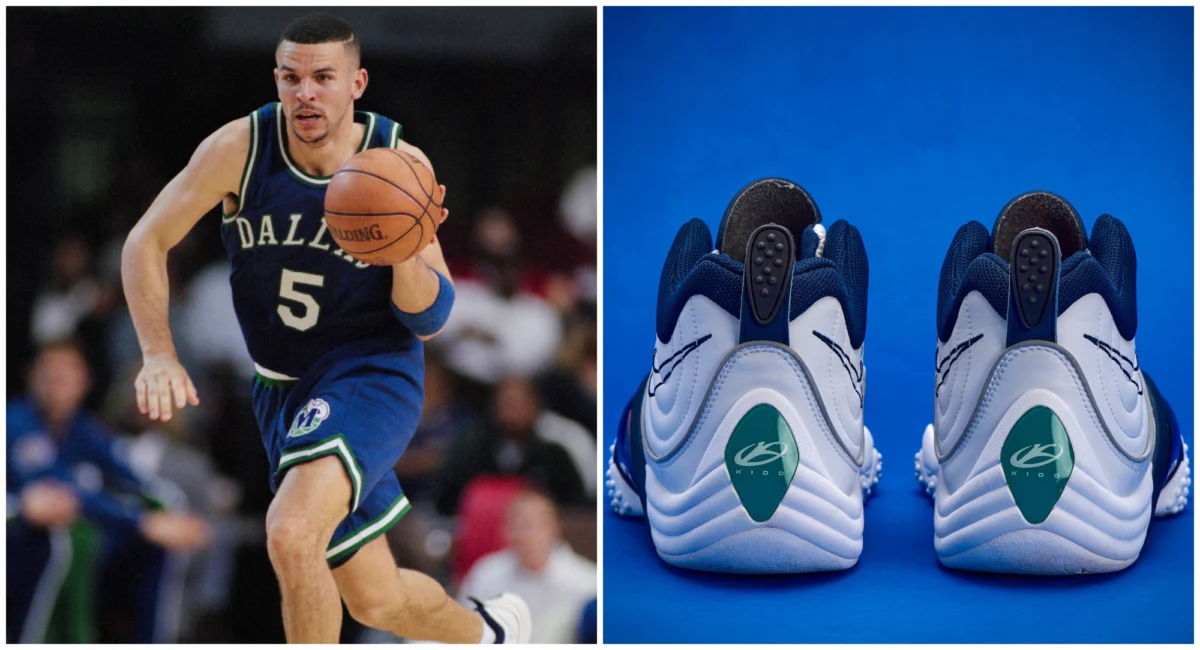
In the pantheon of 1990s basketball footwear, few silhouettes capture the experimental, high-octane spirit of the era quite like the Nike Zoom Flight 5. A shoe that challenged the conventional aesthetics of the hardwood, it became a cultural touchstone for point guards and collectors alike. Now, nearly three decades after its debut, Nike has confirmed that the legendary model—famously anchored to the legacy of NBA Hall of Famer Jason Kidd—is slated for a triumphant return in 2027 to celebrate its 30th anniversary.
Main Facts: A Return to Form
The Nike Zoom Flight 5 (often stylized as the Zoom Flight V) is widely regarded as one of the most audacious design efforts from the Swoosh’s "Golden Era" of basketball. Scheduled for a Summer 2027 launch, the re-release aims to capture the hearts of both OG collectors and a new generation of sneaker enthusiasts.
According to official reports, the re-release will feature the classic "White/Midnight Navy/Metallic Silver/Multi-Color/Pine Green" colorway (Style Code: JJ3694-100), with a retail price point set at $170. Fans can expect availability through the Nike SNKRS app and select global sportswear retailers. Beyond the primary colorway, sources suggest that the rare, original "Black/Lapis/White" iteration—a colorway that has remained elusive since its 1997 debut—is also slated for a long-awaited retail return.
The Chronology: From Court Dominance to Cult Classic
To understand the significance of the Zoom Flight 5, one must revisit the landscape of 1997. Nike was in the midst of a design renaissance, pushing the boundaries of what a performance basketball shoe could look like. Following the success of the Zoom Flight 95 and 96, designers were tasked with creating a shoe that reflected the explosive speed and precision of the era’s elite floor generals.
1997: The Debut
When the Zoom Flight 5 first hit the shelves, it felt like a relic from the future. It was the quintessential "point guard shoe," designed to facilitate lateral movement and quick-twitch changes of direction. Jason Kidd, then a rising star in the league, became the face of the model. His association with the sneaker solidified its status; when Kidd laced up a pair, he wasn’t just playing basketball—he was operating with a clinical, high-IQ intensity that mirrored the technical complexity of the shoe itself.
2008: The Brief Resurgence
For over a decade, the Zoom Flight 5 remained a holy grail for collectors. In 2008, Nike attempted to address this demand by releasing the "Zoom Flight 5 B." This iteration was welcomed with open arms, featuring the classic White/Midnight Navy palette. However, the release was limited in scope and duration. Despite its initial success, the 2008 reissue faded from the spotlight, eventually settling back into the secondary market, where original pairs continued to crumble or fetch high prices among vintage enthusiasts.
2027: The 30th Anniversary Revival
The decision to bring back the silhouette in 2027 is a calculated move by Nike to lean into its deep archives. By timing the release with the shoe’s 30th anniversary, Nike is positioning the Zoom Flight 5 as a legacy product, bridging the gap between late-90s nostalgia and modern sneaker culture.

Supporting Data: Why the Zoom Flight 5 Still Matters
The longevity of the Zoom Flight 5’s reputation is not accidental. It was built upon a foundation of unique design language and performance engineering that remains relevant today.
The "Bug Eye" Aesthetic
The most defining feature of the Zoom Flight 5 is undoubtedly the large, iridescent "bug eye" jewel situated on the lateral midsole. At the time, it was a polarizing design choice. It broke away from the traditional, clean lines of earlier basketball shoes, opting for a tech-heavy, organic look. This aesthetic choice became a signature of Nike’s experimental period, symbolizing the brand’s willingness to disrupt its own design DNA.
Performance Engineering: The Turf Connection
Beyond its visuals, the shoe was a technical marvel. The outsole featured an aggressive, nubbed traction pattern, a departure from standard herringbone configurations. This design was heavily inspired by the high-performance turf shoes of the era—specifically the Zoom Turf Jet 97, famously worn by Detroit Lions legend Barry Sanders. By borrowing elements from football, Nike provided basketball players with superior grip on indoor surfaces, reinforcing the "Flight" branding as a tool for elite, high-speed athleticism.
Market Context
Current market trends show an increasing appetite for "tech-adjacent" retro sneakers. As consumers move away from the minimalist trends of the early 2020s, the bulky, detail-oriented design of the late 90s has seen a resurgence in popularity. The Zoom Flight 5 arrives at a moment where sneaker culture is hungry for silhouettes that tell a story of innovation rather than mere color-blocking.
Official Responses and Strategic Positioning
While Nike has not yet released a full marketing campaign, the buzz surrounding the upcoming drop suggests a multi-tiered rollout. Industry insiders point to the $170 price point as a "premium-tier" entry, suggesting that Nike intends to treat this release with the reverence afforded to its most iconic legacy models, such as the Air Jordan 11 or the Air Foamposite One.
Nike’s decision to re-release the original "Black/Lapis/White" colorway is particularly significant. By reissuing a version of the shoe that hasn’t seen the light of day in nearly three decades, the company is effectively catering to "purists"—those who prioritize the history of the shoe above all else. This strategy is designed to drive "hype" and cultural conversation, essential elements for a successful product launch in the digital age.
Implications: The Future of Nike’s Archive
The return of the Zoom Flight 5 carries implications that extend far beyond a single sneaker release. It serves as a litmus test for how the brand manages its extensive back catalog.

A Lesson in Brand Heritage
Nike’s archive is arguably the most valuable asset in the footwear industry. By carefully selecting models like the Zoom Flight 5 for 30th-anniversary celebrations, the company effectively reinforces its dominance in basketball history. It reminds consumers that Nike didn’t just participate in the evolution of basketball; it led it.
The Cycle of Retro Culture
The success of this release will likely influence Nike’s future strategy. If the Zoom Flight 5 performs well, it may open the floodgates for other "forgotten" models of the late 90s to return. This creates a sustainable, cyclic economy where the brand continuously mines its own history to satisfy the cravings of modern collectors, ensuring that even as technology advances, the legacy of the past remains at the forefront of the consumer experience.
Impact on the Secondary Market
For the resale market, the return of the Zoom Flight 5 will likely cause a price correction for existing vintage pairs. While collectors will always value original 1997 "deadstock" pairs for their historical authenticity, the widespread availability of the 2027 retro will satisfy the general demand, stabilizing prices and making the silhouette accessible to a broader demographic.
Final Reflections
As we look toward the summer of 2027, the return of the Nike Zoom Flight 5 feels like the closing of a loop. It is a testament to the fact that great design—no matter how polarizing it may have been upon its initial release—eventually earns its place in the canon.
Whether you are a long-time fan who remembers the shoe from the height of Jason Kidd’s prime, or a new enthusiast drawn to the striking, alien-like "bug eye" aesthetic, the Zoom Flight 5 is a reminder of a time when Nike was unafraid to be bold. In an era of iterative updates, the return of such a distinct, character-filled sneaker is not just a commercial event—it is a celebration of the spirit of innovation that defined a generation. When the boxes finally hit shelves, they won’t just contain a pair of shoes; they will contain a piece of basketball history, polished and ready for the court once more.
 Neng Nana
  Ali Ikhwan
  Lina Hope