
 By Reynand Wu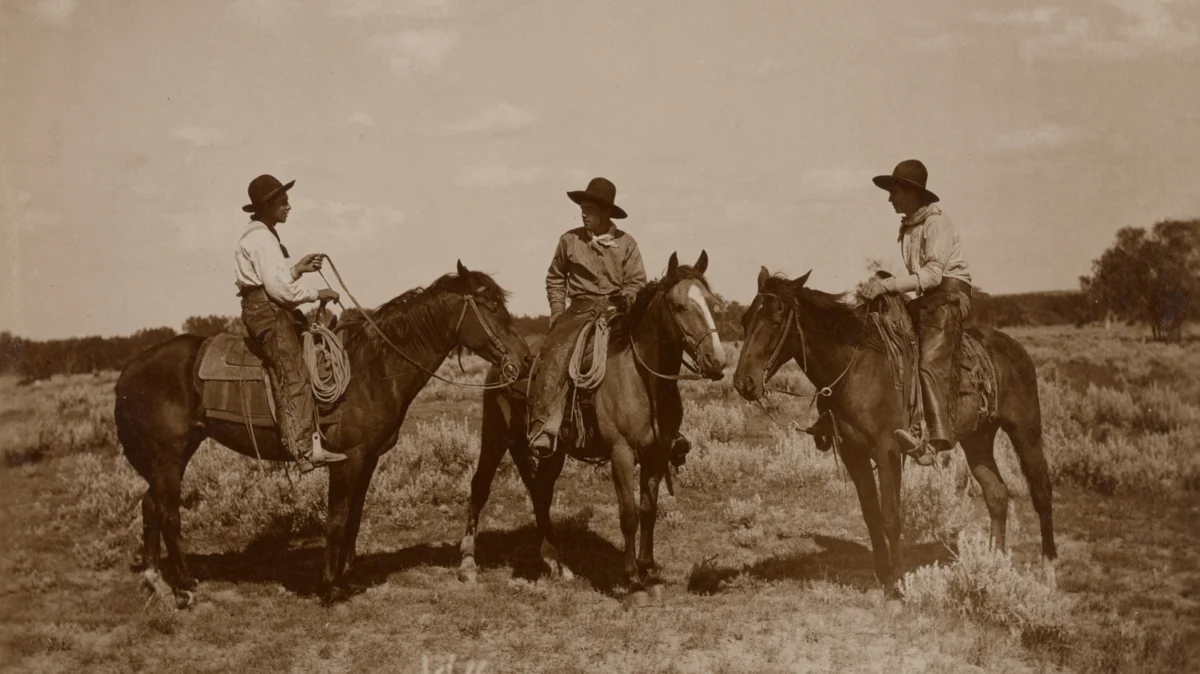
In the romanticized annals of the American West, the image of the cowboy is often inseparable from the rugged landscape, the rhythmic clatter of hooves, and the tireless pursuit of cattle across the open range. While history books often focus on the grit of the trail—the long, grueling hours in the saddle and the sparse, utilitarian diet of beans and salt pork—there exists a more flavorful footnote in frontier culinary history. For the weary men who pushed herds toward market, dessert was not a luxury but a morale-boosting necessity. Among these, the "Bear Sign" stands out as the legendary, rustic predecessor to the modern doughnut.
The Main Facts: Defining the Bear Sign
To the uninitiated, the term "Bear Sign" might sound like a warning from a wilderness tracker, but to the veteran cattlemen of the 19th century, it was a promise of sugar, fat, and warmth. These fried dough confections were the crown jewel of the chuck wagon, a culinary marvel engineered by the "Cookie"—the indispensable camp cook responsible for maintaining the health and spirits of the trail crew.
Unlike the precise, ring-shaped pastries found in today’s artisanal bakeries, Bear Signs were chaotic, unrefined, and intensely satisfying. They were simple balls of dough, usually leavened with baking powder and enriched with buttermilk, eggs, and a touch of cinnamon. Because the chuck wagon was a kitchen on wheels, the cooking method was dictated by mobility and necessity. The dough was dropped by the spoonful directly into bubbling vats of hot lard, resulting in irregular, knobby shapes. This lack of uniformity was precisely where the treat earned its name: the fried dough looked remarkably similar to the scat left behind by grizzly bears in the wilderness.
Despite the unappealing moniker, the Bear Sign was a coveted commodity. Served piping hot against the backdrop of a setting sun and a crackling campfire, these treats provided the essential caloric intake required for life on the trail, perfectly paired with the ubiquitous, bitter black coffee that fueled the West.
Chronology: A Sweet History on the Frontier
The lineage of the Bear Sign is woven into the very fabric of Western literature and historical record. While the precise origin of the recipe remains lost to the dust of the trail, its presence in the American consciousness began to solidify during the mid-to-late 19th century.
The 19th Century Origins
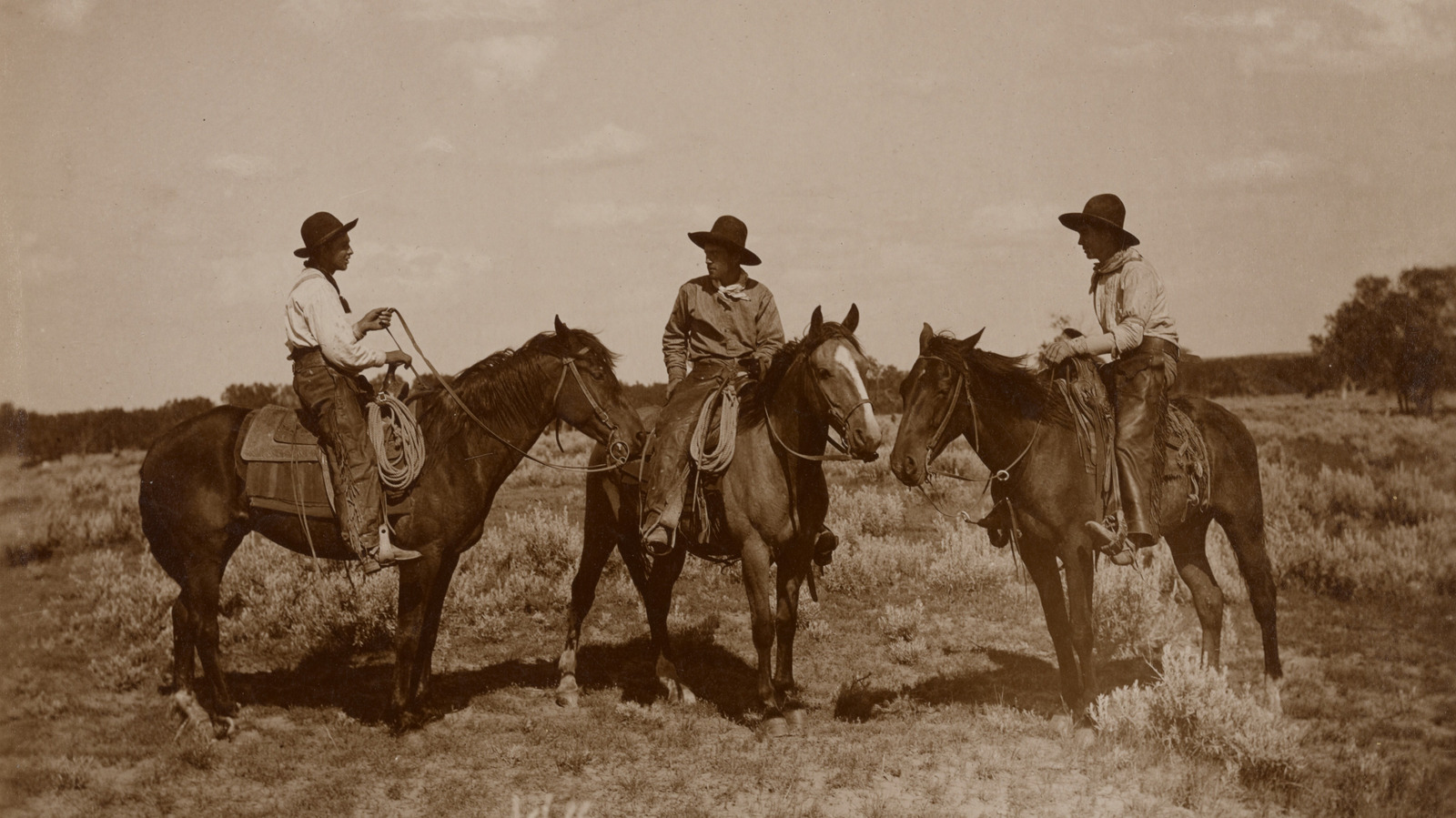
During the peak of the great cattle drives, from the end of the Civil War through the 1880s, the chuck wagon became the heartbeat of the range. Diaries and autobiographical accounts from this era frequently mention the monotony of the diet—hard biscuits, dried beans, and coffee. However, when supplies allowed for flour, sugar, and lard, the cook would transform the menu. The Bear Sign emerged as a way to utilize leftover dough or to celebrate a successful week of movement.
Literary Preservation
The term began to transition from oral tradition to written history through the pens of those who lived the life. The 1903 fictionalized memoir The Log of a Cowboy by Andy Adams serves as a seminal text, providing vivid, accurate descriptions of the trail experience, including the culinary customs. Similarly, the legendary Western novelist Louis L’Amour, whose research into frontier life was notoriously meticulous, frequently referenced the treat in his fiction. By incorporating the Bear Sign into his stories, L’Amour helped ensure that the memory of this rugged dessert survived the transition from the frontier to the modern era.
Supporting Data: The Anatomy of a Trail Dessert
To understand the Bear Sign, one must understand the constraints of the chuck wagon. The "Cookie" was a master of improvisation, working with ingredients that were shelf-stable and capable of surviving weeks of exposure to the elements.
- The Base Ingredients: Flour, sugar, and baking powder were the dry staples. Buttermilk and eggs, when available (often in powdered form or sourced from nearby settlements), provided the necessary protein and acidity to activate the leavening agents.
- The Cooking Medium: Lard was the essential fat. Not only was it readily available from the butchered cattle or pack supplies, but it also possessed a high smoke point, making it ideal for deep-frying over an open flame in a cast-iron skillet.
- The Culinary Logic: The lack of a hole—which characterizes the modern doughnut—was a matter of physics and speed. Cutting a hole would have required extra tools and time. Dropping spoonfuls of dough allowed the cook to produce large quantities quickly, ensuring no cowboy went without a serving.
Beyond the Bear Sign, the range diet was surprisingly nuanced. If the cook was particularly skilled or the supplies were plentiful, the addition of dried fruit or canned peaches brought a semblance of freshness to the meal. Molasses was the primary sweetener of the era, frequently used to offset the bitterness of camp coffee or drizzled over anything that sat still long enough.
Implications for Modern Cuisine
Today, the Bear Sign has largely vanished from the culinary lexicon, replaced by the standardized, glazed, and frosted options of the 21st century. However, its historical significance lies in what it reveals about human adaptability. The Bear Sign was a manifestation of the "make-do" mentality—a survival mechanism that prioritized comfort in an environment where comfort was almost non-existent.
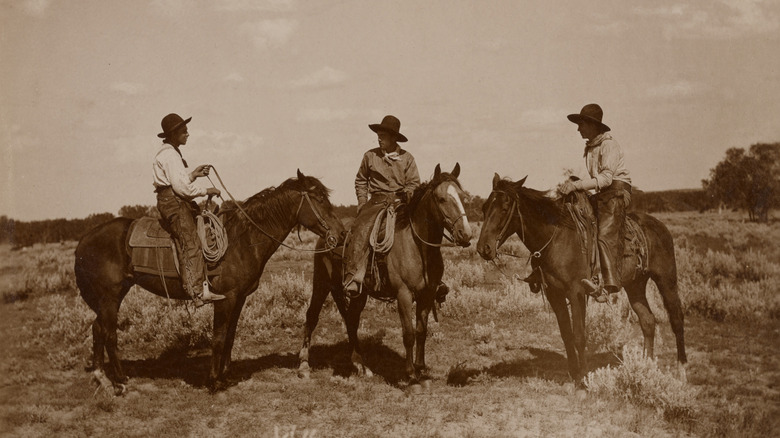
For the modern home cook, the Bear Sign remains an accessible, authentic connection to history. It is a reminder that the "gourmet" often begins with the simplest components. While we no longer rely on lard-fried dough to sustain us through a 500-mile cattle drive, the act of preparing these treats serves as a culinary bridge. Modern variations—using powdered sugar, maple glazes, or even modern twists like cinnamon-sugar coatings—honor the original intent of the treat: to provide a moment of joy amidst the labor of the day.
A Legacy of Resilience
The story of the Bear Sign is, at its heart, a story of the American spirit. It reflects a time when geography dictated culture and the ingredients in a wagon box could define the mood of a crew. While we might look back on the term "Bear Sign" with amusement or even a bit of distaste, we should also recognize the ingenuity it represented.
The Cookie, standing over a fire, stirring a pot of lard as the stars began to poke through the vast prairie sky, was doing more than just feeding men. They were preserving a culture. They were providing a fleeting, sugary respite from the harsh realities of a life spent in the saddle. Whether or not we choose to revive the name "Bear Sign" in our modern cafes, the legacy of the cowboy’s favorite dessert remains a testament to the fact that even in the most rugged, unforgiving conditions, the human drive for a little sweetness—and a little community—will always find a way to flourish.
As we look toward the future of food, it is worth remembering the lessons of the chuck wagon: that sometimes, the most memorable meals are not the ones prepared in state-of-the-art kitchens with complex equipment, but the ones made with basic ingredients, shared with companions, and savored under the open sky. The Bear Sign may have been named for the scat of the wild, but its history is as rich and enduring as the frontier itself.
 Lina Irawan
  Lina Hope