
 By Nana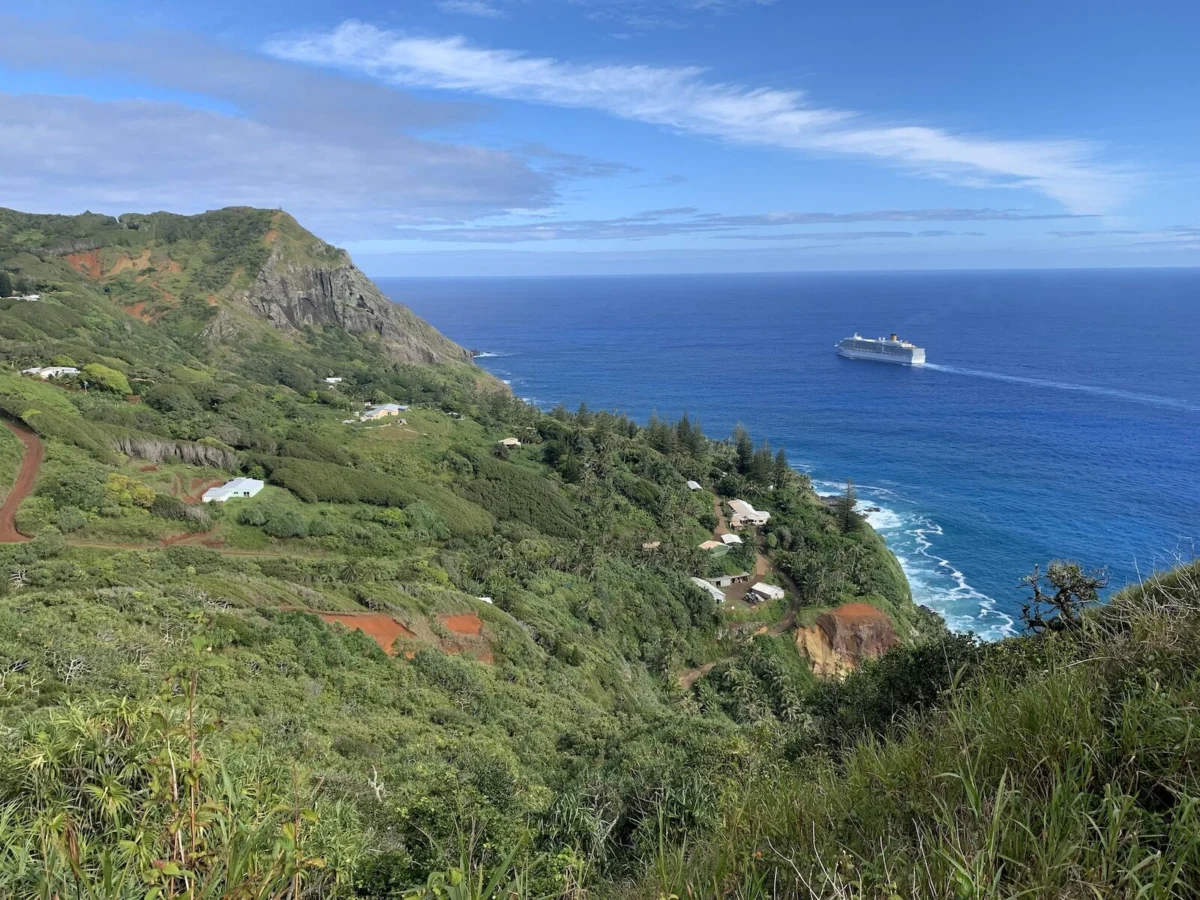
In an era defined by hyper-connectivity, where high-speed internet and global travel networks have rendered the world a "global village," the allure of true isolation has never been stronger. For the modern traveler, the ultimate luxury is no longer five-star service, but the profound silence of a place untouched by the frantic pace of the 21st century. This report examines twelve of the planet’s most remote inhabited regions, exploring the logistics of access, the cultural tapestries of these isolated communities, and the precarious balance between preservation and the encroaching modern world.
The Geography of Solitude: Understanding Extreme Isolation
The locations featured here represent the final frontiers of human habitation. Whether defined by vast oceans, frozen tundra, or rugged mountain ranges, these destinations share a common trait: they require intentionality. Reaching these sites is not a matter of convenience, but an expedition.
Pitcairn Islands, South Pacific
With fewer than 50 permanent residents, the Pitcairn Islands stand as the epitome of Pacific isolation. The journey is a grueling 32-hour voyage by supply ship from Mangareva.
- Historical Context: The population is primarily composed of the descendants of the HMS Bounty mutineers and their Tahitian companions, creating a unique socio-cultural enclave.
- Nature: The archipelago offers pristine volcanic terrain and some of the world’s most unpolluted night skies.
Ittoqqortoormiit, Greenland
Located in one of the most inhospitable climates on Earth, this settlement requires a complex combination of flights to Iceland, regional puddle-jumpers, and helicopter transport or seasonal boat travel.
- Biodiversity: The human population of 350 is dwarfed by the surrounding Arctic wildlife, including polar bears, narwhals, and musk oxen.
- Seasonal Dynamics: Life is dictated by the ice; dog sleds are the primary mode of winter transport, while summer offers access to the Scoresby Sund, the world’s largest fjord system.
Chronology and Evolution of Remote Communities
The development of these remote outposts has followed a distinct historical arc. Many, like the Shetland Islands and the Aleutian Islands, were historically established as maritime outposts, relying on fishing and strategic positioning. Others, like the Sahara Desert oases, have maintained nomadic or semi-sedentary lifestyles for millennia, predating the modern nation-state structure.
In contrast, destinations like Northern Patagonia and the Westfjords of Iceland were once considered frontier territories—places of exile or extreme survival—that are only now being "discovered" by a new wave of eco-conscious, adventurous travelers.
Supporting Data: The Metrics of Isolation
| Location | Estimated Population | Primary Transport Method | Key Geographical Feature |
|---|---|---|---|
| Pitcairn Islands | < 50 | Supply Ship | Volcanic Cliffs |
| Ittoqqortoormiit | ~350 | Helicopter/Boat | Arctic Fjord System |
| Shetland Islands | ~23,000 | Ferry/Regional Air | Subarctic Moorlands |
| Aleutian Islands | < 8,000 | Seasonal Ferry/Flight | Volcanic Chain |
| Galápagos Islands | ~30,000 | Commercial Flight | Volcanic Archipelago |
Data compiled from regional census reports and travel logistics databases.
The Environmental and Cultural Implications
The Fight for the Bight
The Great Australian Bight serves as a critical case study in the struggle between industrial development and conservation. While the region offers unparalleled solitude and serves as a vital calving ground for Southern Right Whales, it is under constant threat from petroleum exploration.
Official Responses: Environmental organizations and local advocacy groups have united under the Fight for the Bight banner. Their core argument is that the economic benefit of potential fossil fuel extraction is negligible when measured against the permanent destruction of a unique marine ecosystem. As of the latest legislative updates, the debate continues, highlighting the tension between national economic interests and global biodiversity mandates.
Climate and Cultural Adaptation
In places like the Lofoten Islands (Norway) and the Westfjords (Iceland), climate change is no longer a theoretical concern—it is a daily reality. The traditional fishing industries are shifting as water temperatures rise, forcing these communities to pivot toward specialized, low-impact tourism. However, this shift brings its own risks: the potential for "over-tourism" in fragile ecosystems.
Regional Spotlights: Nature as a Sanctuary
The Galápagos: A Living Laboratory
Unlike many remote regions that struggle to sustain human life, the Galápagos are governed by strict conservation laws. With more sea lions than human residents, the islands serve as a living laboratory for the Theory of Natural Selection. The challenge here is balancing the influx of scientific and eco-tourists with the preservation of endemic species.
Northern Kerala: The Quiet Backwaters
Moving away from the commercialized hubs of Southern India, the backwaters of Northern Kerala, specifically the Kavvayi Kayal, provide a glimpse into a traditional way of life that has persisted since the era of Marco Polo. The implication here is one of preservation through obscurity; by avoiding the "must-see" lists of mainstream travel agencies, these areas maintain their cultural integrity.
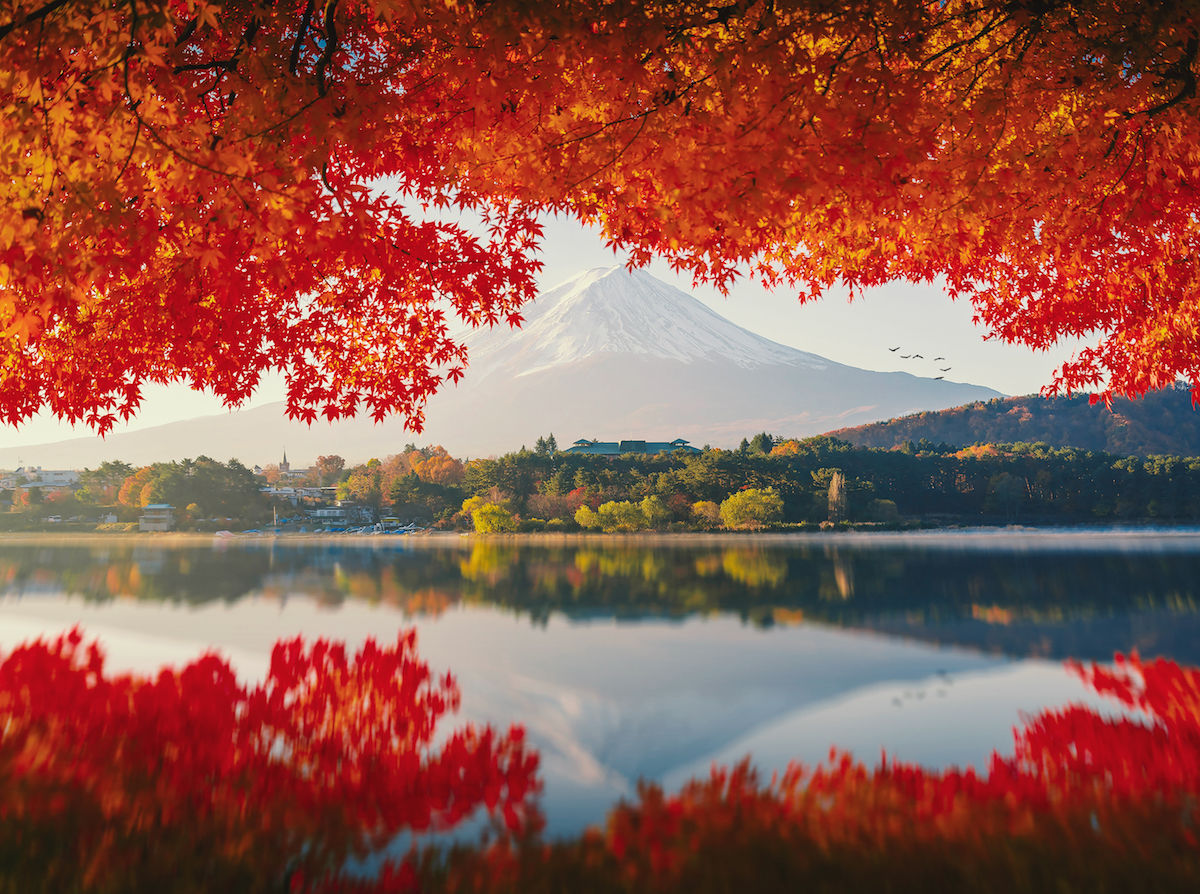
Lake Kawaguchiko: The Illusion of Distance
While only two hours from Tokyo, the Kawaguchiko region demonstrates that isolation is often a state of mind. By utilizing the Tenjō Ropeway and venturing into the early-morning trails, travelers can find the same meditative silence found in the high Arctic or the mid-Pacific. It highlights a vital point: true remoteness is often just a matter of moving beyond the primary tourist thoroughfare.
The Future of "Disconnected" Travel
As we look toward the next decade, the definition of "remote" is likely to shrink. With the advent of satellite-based global internet coverage (such as Starlink), the concept of being "off the grid" is technically disappearing.
Ethical Considerations for the Modern Traveler
- Cultural Sensitivity: In places like the Sahara or the Pitcairn Islands, the residents are not there to serve as scenery. Interactions should be based on mutual respect and local customs.
- Environmental Footprint: The carbon cost of traveling to the world’s most isolated corners is high. Travelers are encouraged to offset their journeys and engage in "slow travel"—staying longer in one place to reduce the frequency of transit.
- Sustainability: Support local economies directly. Whether it is buying from a local artisan in the Shetland Islands or hiring a local guide in Northern Patagonia, economic localization is the best way to ensure these communities thrive on their own terms.
Conclusion: The Necessity of the Unknown
The world’s most remote places are more than just destinations; they are essential reminders of the Earth’s scale. Whether one is watching the aurora borealis dance over the fjords of Greenland or listening to the silence of the Nullarbor Plain in Australia, these experiences strip away the noise of the digital age.
The challenge for the future is to ensure that these corners of the globe remain wild. By treating these areas as sanctuaries rather than playgrounds, we preserve not only the landscapes but the very idea that there are still places on this map where we can truly be alone, disconnected, and present. As the world continues to shrink, the preservation of the remote becomes the ultimate act of global stewardship.
 Nana Wu
  Jia Lissa
  Evan Lee Salim