
 By Lina Irawan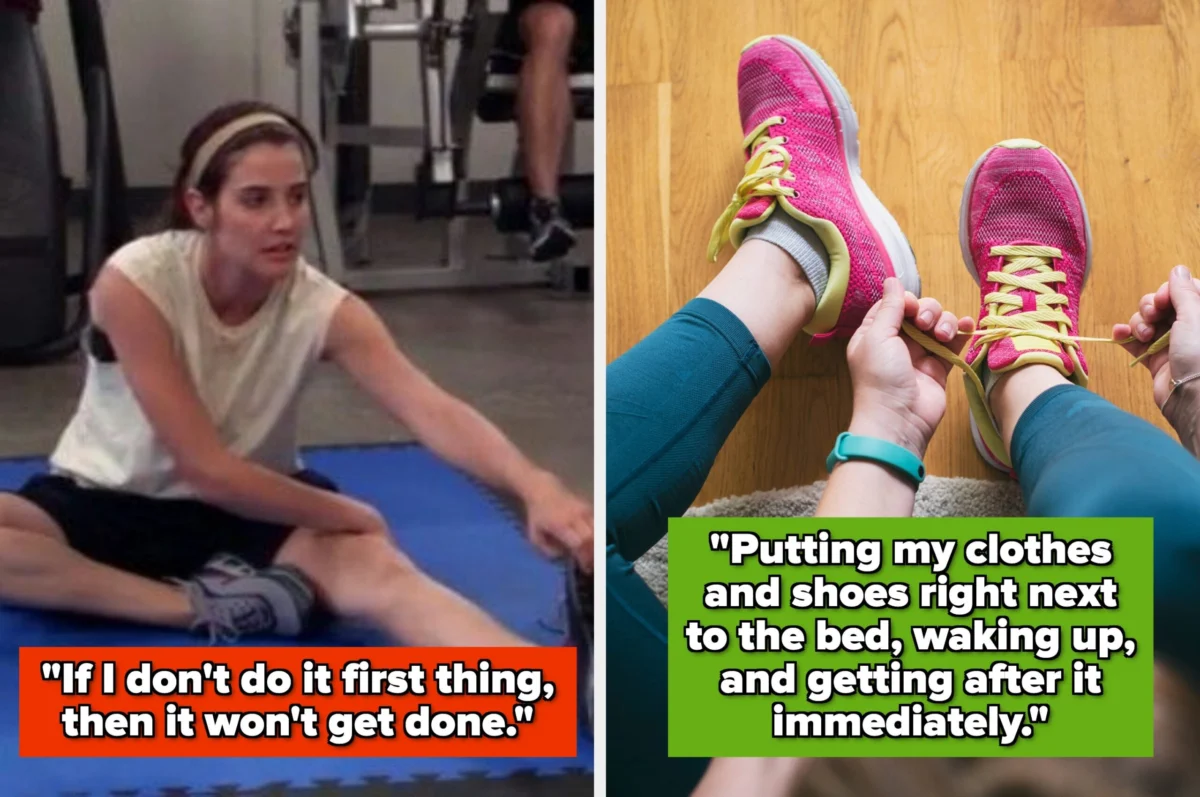
For many, the morning alarm is not a wake-up call; it is a notification that the daily marathon has begun. Balancing a career, household management, and the relentless demands of parenthood leaves little room for personal maintenance. Yet, across the country, a growing contingent of parents is proving that "no time" is often a matter of perspective rather than reality.
In a recent viral discussion on the Reddit community r/fitness30plus, parents shared the strategies they use to prioritize their physical health. The consensus? Fitness is not something you "find" time for; it is something you negotiate into the architecture of your day.
The Reality of the Modern Schedule: Main Facts
The challenge is universal. The combination of sleep deprivation, a mounting "to-do" list, and the emotional labor of raising children creates a significant barrier to entry for exercise. However, the contributors to this discussion highlight a critical pivot: shifting the mindset from "working out is an extra chore" to "working out is a necessary investment in parental capacity."
The primary obstacles identified by the community include:
- Mental Exhaustion: The "day-in, day-out" burnout that makes the prospect of a high-intensity session feel impossible.
- Time Allocation: The competition between career, childcare, and basic life maintenance (cleaning, cooking).
- The Motivation Myth: Relying on the "feeling" of wanting to exercise, which rarely arrives after a long day of parenting.
The Chronology of Change: When to Move
For those who have successfully integrated fitness into their lives, the timing of the workout is often dictated by the "quiet hours" of the household.
The 5:00 A.M. Vanguard
A recurring theme among the most consistent respondents is the "pre-dawn strike." By waking up at 4:15 or 5:00 a.m., parents claim back the only time of day when their children are guaranteed to be asleep.
- The Trade-off: This requires a non-negotiable bedtime. To sustain a 5:00 a.m. workout, many parents have traded their evening "scrolling" or television time for sleep, effectively swapping passive relaxation for active health.
- The Psychological Benefit: Completing a workout before the rest of the world wakes up prevents the "daily grind" from cannibalizing the workout slot.
The Mid-Day Opportunity
For remote workers, the lunch break is a frequent, often underutilized window. Whether it is a quick home-gym session or a brisk neighborhood walk, utilizing the mid-day gap prevents the inevitable evening slump. As one parent noted, the act of stepping away from the desk serves as a mental reset, improving productivity for the remainder of the afternoon.
Supporting Data and Behavioral Strategies
The advice gathered from these parents moves beyond simple scheduling; it touches on behavioral psychology and the mechanics of habit formation.
Habit Stacking and "Small Gestures"
One of the most effective techniques shared is the "smallest gesture" rule. If the goal is a run, the commitment is not to run five miles, but simply to put on the running shoes. This lowers the barrier to entry, often tricking the brain into completing the workout once the gear is already on.
Digital Audits
A sobering piece of advice provided by the community is to conduct an audit of one’s screen time. Many parents found that by tracking their daily usage on social media or streaming apps, they uncovered several hours of "hidden" time. Reclaiming just one hour from a digital device can be the difference between a sedentary week and three solid workouts.
The "Non-Negotiable" Mindset
Successful parents treat their workouts like a professional meeting or a medical appointment. By scheduling it as a "non-negotiable," it stops being an option that can be discarded when the house gets chaotic.
Official Perspectives: The Role of Parental Modeling
The implications of this movement go far beyond the individual’s physical health. There is a profound generational impact at play.
The "Role Model" Implication
Perhaps the most powerful argument for parental fitness is the influence it has on children. As several parents pointed out, children are observant; they mirror the behaviors of their guardians. By prioritizing health, parents are not just "taking time for themselves"—they are teaching their children that physical health is a foundational value.
"Many would die for their kids, but what if you got healthy for their sake?" one contributor asked. This reframing changes the narrative from one of selfishness to one of stewardship. By showing their children what strength and commitment look like, parents are providing a blueprint for their children’s own future health.
The Practical Toolkit: How to Start
For those looking to implement these changes, the community suggests a tiered approach:
- Lower the Barrier: If you cannot get to a gym, bring the gym to you. Resistance bands, a kettlebell, or a simple yoga mat require minimal space and investment.
- Involve the Family: Use jogging strollers for outdoor activity, or create home-based challenges that involve the children. Making fitness a family event removes the guilt of "leaving" to work out.
- The "Gym with Childcare" Model: For those who can afford it, gym memberships that include childcare are cited as a "game-changer." It provides a dedicated two-hour window where the parent can focus entirely on themselves while the child is safely engaged.
- Accept Imperfection: A workout doesn’t have to be perfect. If the kids interrupt, pause, address the need, and return to the set. The goal is consistency over intensity.
Final Implications: Avoiding Burnout
The overarching message from these parents is a warning: the cost of not exercising is higher than the cost of making time for it. Chronic stress, lack of sleep, and physical inactivity lead to burnout, which inevitably affects the quality of parenting.
Taking time for oneself is not an act of defiance against the family unit; it is the fuel that allows the unit to run effectively. By building a routine—even if it starts as just 15 minutes of movement during a coffee break—parents can begin to reclaim their energy, their mood, and their long-term health.
As one contributor succinctly put it: "Don’t wait until you feel like it. You will never feel like it. Just do it."
Are you a parent with a unique strategy for staying active? We want to hear from you. Share your tips in the comments below or submit your story through our community portal. Your experience might be featured in our next installment.
 Muslim
  Ammar Sabilarrohman
  rifanmuazin