
 By Sagoh
In a policy announcement that has sent shockwaves through the corridors of the Pentagon and ignited a firestorm across the digital landscape, Secretary of War Pete Hegseth has unveiled a sweeping new health initiative. The former television personality, now tasked with overseeing the nation’s military apparatus, is mandating an aggressive screening program for testosterone deficiency among U.S. service members aged 30 and older. The move, which Hegseth frames as a critical "tactical advantage" for the modern warfighter, has drawn sharp criticism from military analysts, medical professionals, and a vocal contingent of online observers who argue the plan prioritizes optics over operational readiness.
The Core Mandate: Optimizing the "Elite Warfighter"
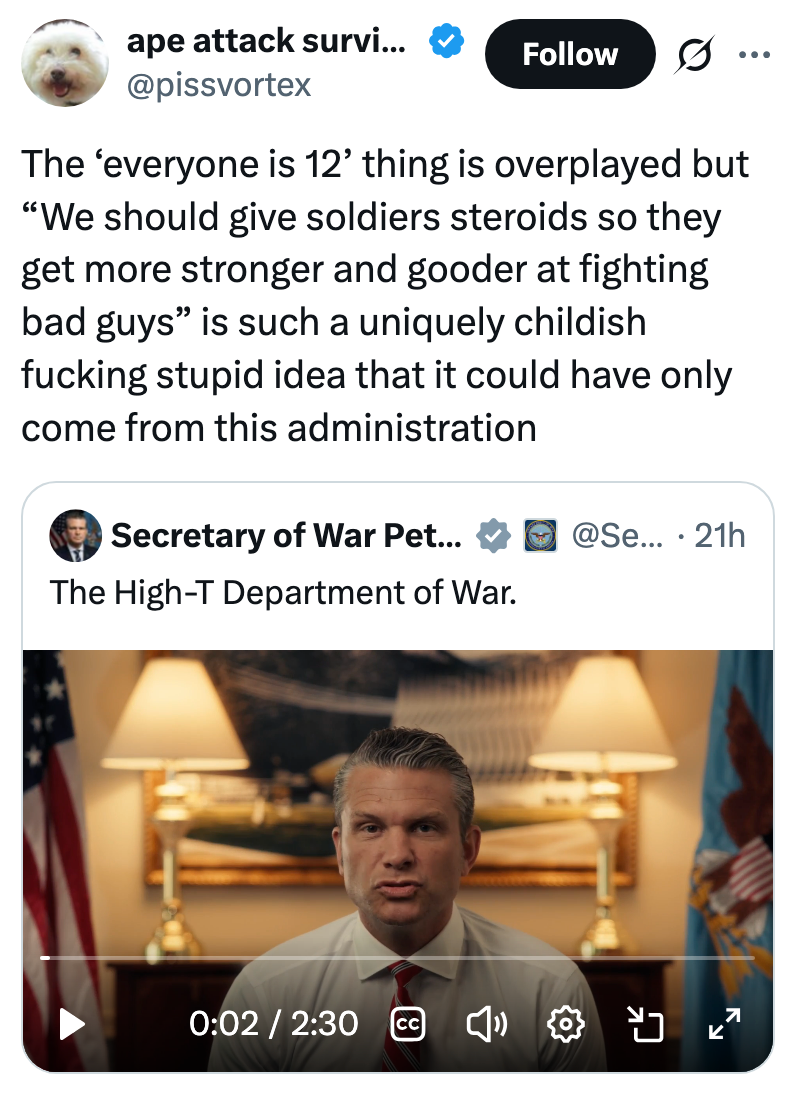
The policy, communicated via a viral video broadcast across social media platforms, positions hormonal health as a cornerstone of national security. According to Secretary Hegseth, the Department of War is initiating mandatory annual testosterone screenings as part of the standard periodic health assessment (PHA) for all service members over the age of 30.

"At the Department of War, we have the most elite warriors on the face of the Earth," Hegseth declared in the video, which has amassed over 17.9 million views. "Our most decisive tactical advantage will always be the individual warfighter. We must constantly look for new ways to optimize your performance, your resilience, and your long-term health."
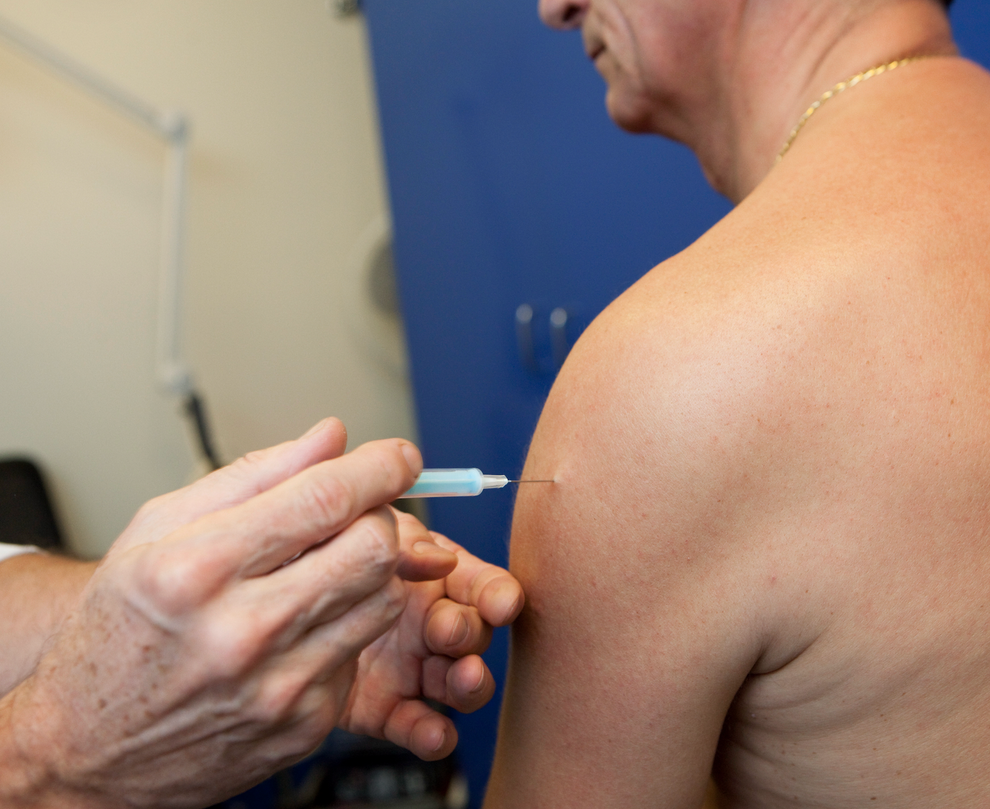
Under the new guidelines, if a service member is identified as having a testosterone deficiency, they will be offered voluntary access to testosterone replacement therapy (TRT). The Secretary emphasized that while the testing will be mandatory, the medical intervention remains an individual choice. The rhetoric employed by Hegseth—focusing on "optimization" and "resilience"—mirrors the language often found in the wellness and fitness industries, a notable departure from traditional military medical directives that typically prioritize readiness through standardized physical training and injury prevention.

Chronology: From Cable News to the Pentagon
The rise of Pete Hegseth to the position of Secretary of War has been marked by a consistent focus on institutional reform through a lens of populist, high-energy rhetoric. His tenure has been characterized by several high-profile departures from standard Pentagon operating procedures.
- Mid-2026: Reports surface regarding the installation of a specialized, $40,000 taxpayer-funded makeup and broadcasting studio within the Pentagon. The move drew immediate scrutiny regarding the allocation of defense funds.
- July 16, 2026: The Secretary releases the "High-T" video initiative, marking the first time a Cabinet-level defense official has utilized a direct-to-consumer social media strategy to announce a major health policy change.
- Post-Announcement: The policy triggers an immediate, visceral reaction from both the public and political commentators, creating a polarized debate surrounding the role of hormonal regulation in military life.
The timing of this announcement is particularly noteworthy, coming at a period when the Department of War is navigating complex geopolitical tensions. Critics argue that the prioritization of a hormonal health initiative, coupled with the Secretary’s well-documented penchant for media production, suggests a disconnect between the current leadership and the urgent requirements of a global military force.

Supporting Data and the "High-T" Philosophy
The scientific and tactical underpinnings of the plan remain a subject of intense debate. While testosterone is an essential hormone for muscle maintenance, bone density, and cognitive function, medical experts have long debated the efficacy and safety of universal TRT programs.
Proponents within the Hegseth camp argue that modern environmental stressors, diet, and the demands of high-intensity service have led to a decline in average testosterone levels among the ranks, which they claim directly impacts unit performance. However, mainstream endocrinologists caution against the risks of such programs, citing potential cardiovascular side effects, blood clotting issues, and the complexities of managing long-term hormonal treatment in remote or combat environments.

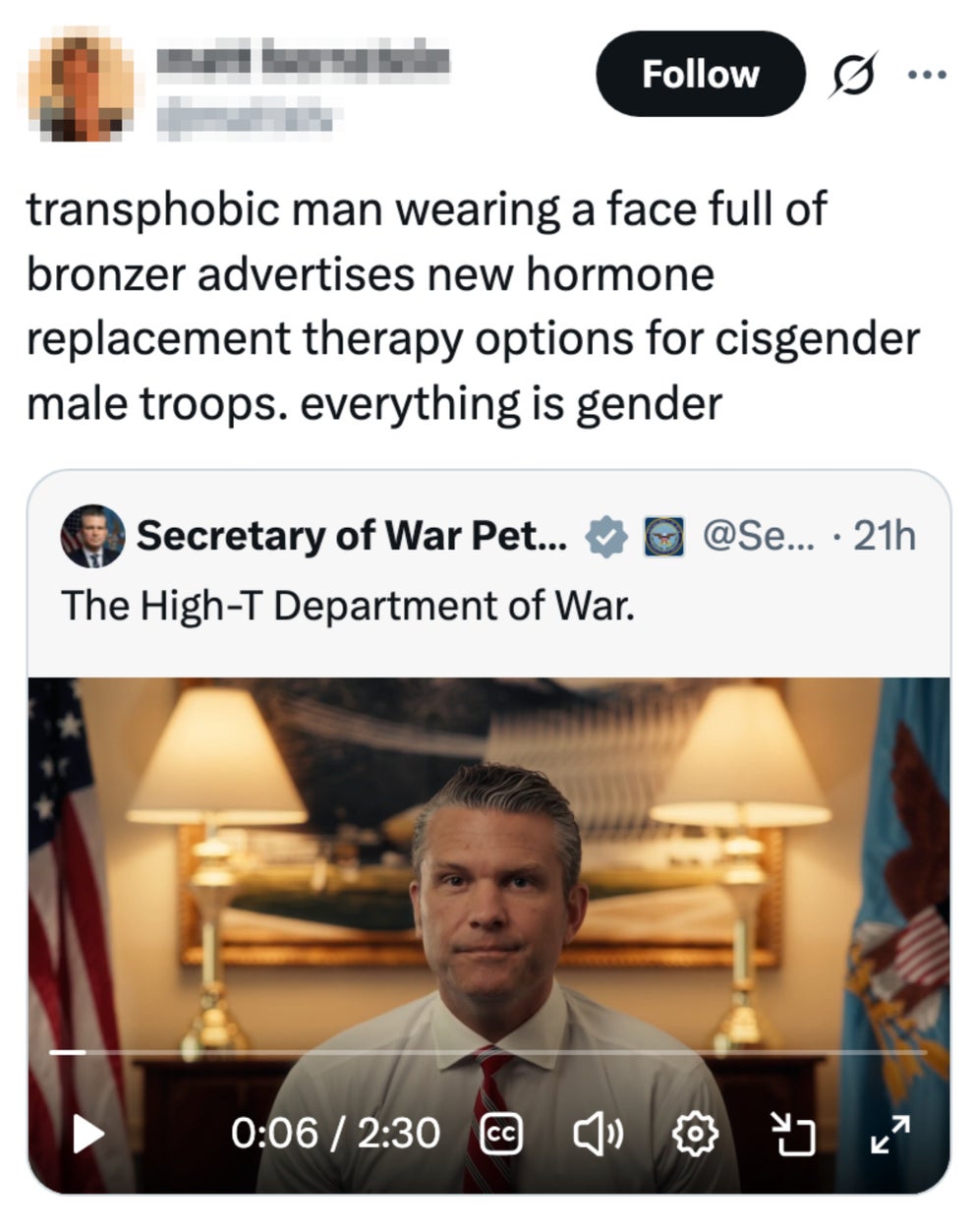
Furthermore, the "High-T" branding of the policy has been identified by observers as a performative gesture. Critics note that the Secretary, who has frequently appeared on screen wearing heavy makeup, is utilizing the apparatus of the state to enforce a narrow, idealized vision of masculinity that may not correlate with the diverse requirements of the modern, technology-driven military.
Official Responses and Internal Discord
The response from within the military establishment has been largely muted in public, though reports indicate significant internal friction. Senior military medical officers, speaking on the condition of anonymity, expressed concerns that this directive bypasses standard evidence-based medical review boards.
"Our medical protocols are designed to address the specific injuries and health outcomes of our soldiers," one retired general noted. "Redirecting resources—both financial and medical—toward a sweeping, non-urgent hormonal program is a significant departure from established military medicine."
On the political front, the reaction has been predictably partisan. Supporters of the Secretary praise his "boldness" and "common-sense" approach to ensuring soldiers are in peak physical condition. Conversely, members of the opposition have called for congressional hearings to investigate the justification for the program, the cost-benefit analysis, and the influence of the Secretary’s media-centric approach to governance.
Implications for the Future of the Military
The implications of this initiative extend far beyond the physiological health of the troops. By normalizing the medicalization of masculinity in the ranks, the Department of War is setting a precedent that will likely be debated for years.
The Optics of Governance
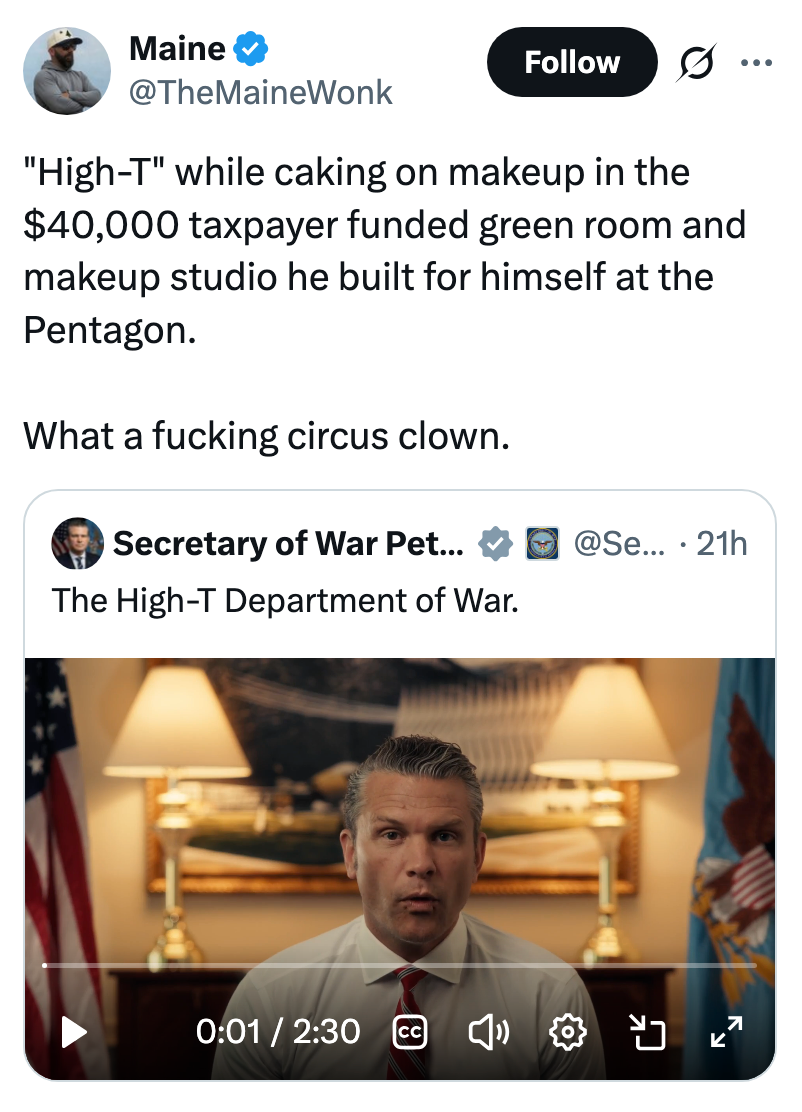
The juxtaposition of a taxpayer-funded, high-end makeup studio and a policy focused on "boosting" testosterone has provided an endless supply of ammunition for critics. The narrative of a "circus" at the Pentagon has gained traction, with social media users frequently mocking the Secretary for his perceived vanity. This damage to the institutional reputation of the Department of War could, in the long term, hamper recruitment and retention efforts among service members who feel the leadership is focused on performative culture wars rather than substantial policy.
The Question of "Gender-Affirming" Care
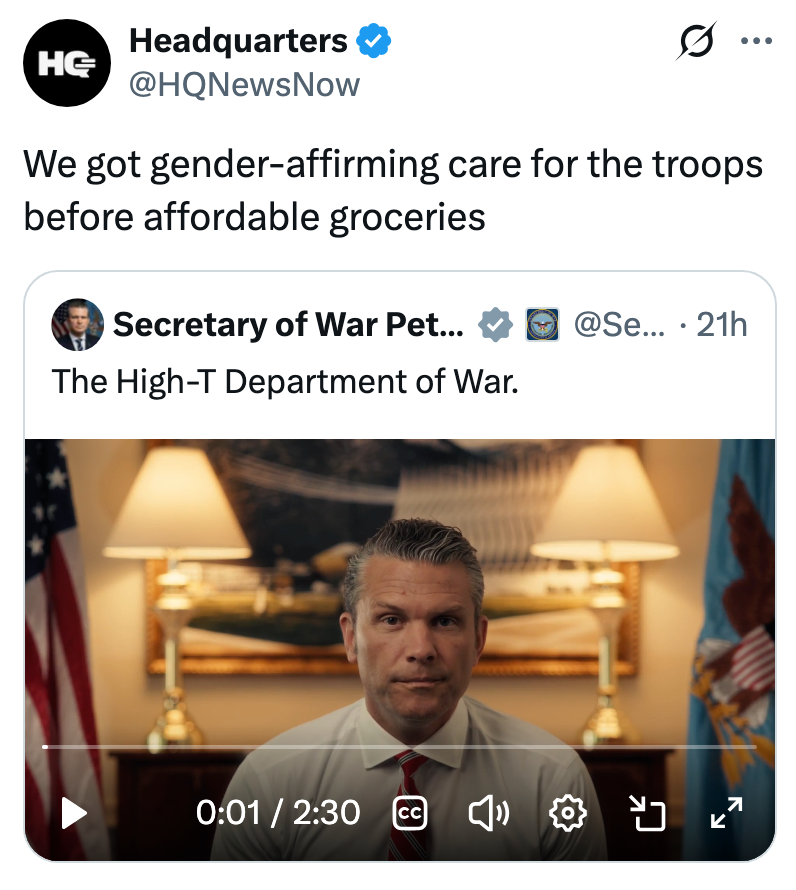
One of the most stinging criticisms leveled against the policy is the inherent irony regarding the administration’s broader stance on medical care. Critics have pointed out the hypocrisy of a department that has historically resisted gender-affirming care for troops now mandating a program that, by technical definition, provides hormone therapy to specific individuals. This has led to accusations of double standards, with many observers noting that the Secretary’s program is essentially "gender-affirming care for cisgender men," while other health-related services remain restricted or stigmatized.
Tactical Readiness vs. Medical Ideology
The most significant long-term risk is the potential degradation of trust between the rank-and-file soldiers and the leadership. If the military becomes viewed as an experimental ground for the political ideologies of its civilian leaders, the integrity of the institution is weakened. The focus on testosterone levels—a metric often associated with fitness culture—may be viewed as a distraction from more pressing needs, such as mental health support, modern equipment, and strategic training.
Conclusion: A Defining Moment for the Hegseth Tenure
Secretary Pete Hegseth’s testosterone initiative is more than a health directive; it is a manifestation of the current administration’s desire to reshape the cultural identity of the United States military. By casting the soldier as a biological machine requiring constant "optimization," the Secretary has signaled a shift toward a more aggressive, body-centric military philosophy.
However, the overwhelming backlash suggests that the public and the service members themselves are not entirely sold on this vision. As the Department of War moves forward with the implementation of this policy, it will face a dual challenge: defending the medical necessity of the program against a skeptical scientific community and managing the reputational fallout of a policy that has been widely characterized as a "clown show."
For now, the "High-T" program remains in its infancy, a flashpoint that encapsulates the broader anxieties of an era where the lines between governance, media, and medical policy have become increasingly blurred. Whether this initiative results in a more resilient fighting force or simply serves as a footnote in the history of institutional overreach remains to be seen. What is clear, however, is that the Pentagon, under Hegseth’s leadership, is no longer adhering to the quiet, methodical tradition of the past, choosing instead a path defined by controversy, optics, and a relentless, if polarizing, pursuit of "peak" performance.
 Muslim
  Ammar Sabilarrohman
  rifanmuazin