
 By Lina Hope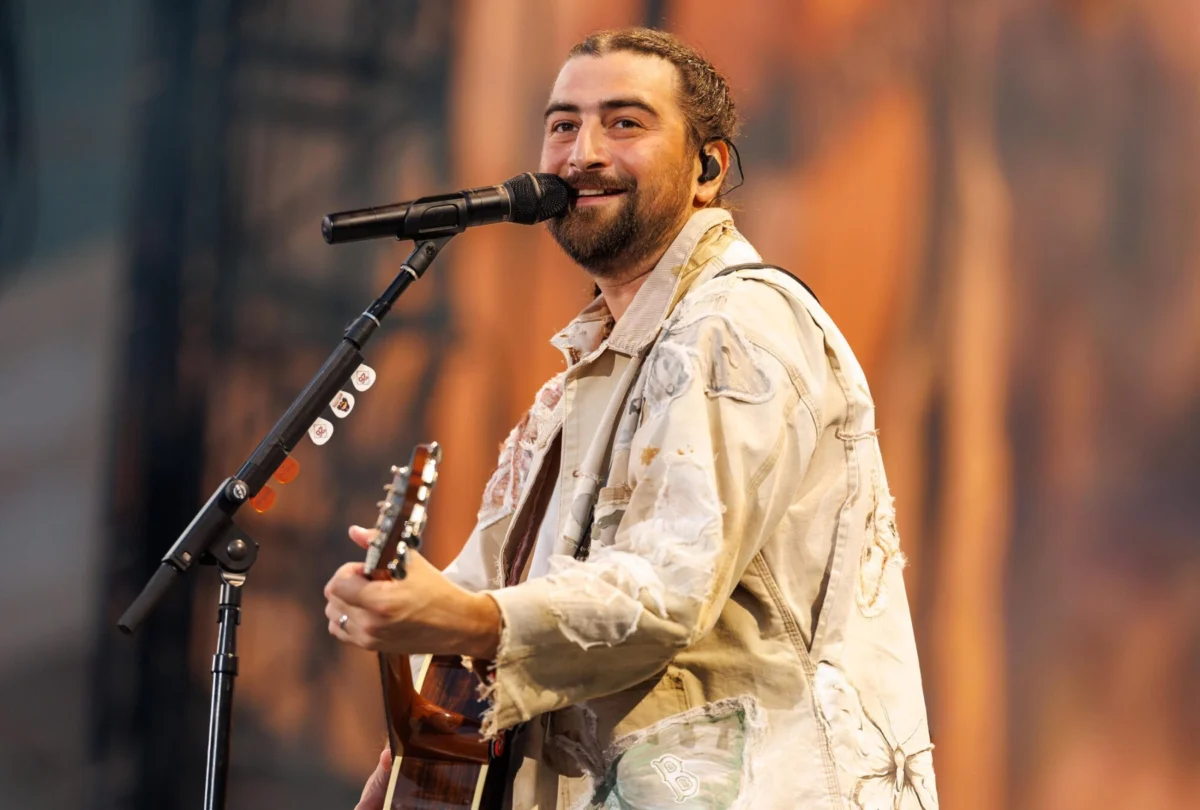
The landscape of live entertainment in the United States is currently undergoing a seismic shift, driven by a growing coalition of artists, legislators, and consumer advocates. On Thursday, July 16, Massachusetts Governor Maura Healey unveiled a landmark legislative proposal titled "An Act Relative to Closing the Great Divide between Ticket Prices and Affordability," colloquially known as "The Great Divide Act." Named in honor of folk-pop sensation Noah Kahan’s chart-topping 2026 album, the bill represents one of the most aggressive efforts yet to dismantle the predatory pricing structures that have defined the secondary ticketing market for years.
The Core Mandates of The Great Divide Act
The Great Divide Act is a comprehensive regulatory framework designed to curb the excesses of ticket resellers. At its heart are two primary mechanisms intended to restore balance to the fan experience.
First, the bill establishes a hard cap on the resale value of concert and event tickets, limiting them to 110% of the original face value. By restricting the "scalping" margin to a modest 10% profit above the primary ticket price, the legislation effectively removes the financial incentive for automated software—or "bots"—to hoard tickets in bulk.
Second, the bill addresses the hidden, often exorbitant service fees that have become a hallmark of secondary platforms. Under the proposed law, service charges and associated fees for resale tickets on secondary platforms are capped at 10% of the total ticket price. This provision is expected to significantly lower the "all-in" cost for consumers, who have grown accustomed to seeing prices skyrocket by 30% to 50% during the checkout process due to dynamic pricing and opaque platform fees.
Beyond price caps, the Act introduces vital consumer protections, including an explicit ban on the sale of "speculative tickets"—a deceptive practice where brokers list tickets they do not yet own, often leaving fans with invalid entries or last-minute cancellations. Furthermore, the legislation prohibits the use of misleading websites that mimic official artist or venue pages to trick fans into purchasing overpriced inventory.
A Chronology of the Ticketing Reform Movement
The momentum behind The Great Divide Act did not emerge in a vacuum. It is the culmination of years of mounting frustration from fans and industry professionals alike.
- 2023-2024: The public outcry over ticketing transparency reached a fever pitch following the high-profile failures in ticketing systems for major stadium tours. Across the country, fans began lobbying state legislatures to intervene against industry giants.
- Early 2026: Noah Kahan, having solidified his status as a touring juggernaut—including a historic four-night sellout run at Fenway Park—began utilizing his platform to speak out against the "market manipulation" of secondary resellers.
- May 2026: The movement saw a major victory when the state of Vermont, Kahan’s home state, signed a resale cap bill into law. This made Vermont the second state, following Maine, to implement formal restrictions on ticket markups.
- July 2026: The Washington, D.C. Council passed the RESALE Act, a piece of legislation aimed at curbing scams and predatory pricing in the capital. This provided the necessary political tailwinds for Governor Healey’s announcement in Massachusetts just days later.
Supporting Data: The Economics of the Secondary Market
The current ticketing ecosystem is often described by economists as a "broken market." According to data cited by consumer advocacy groups, the average markup on secondary platforms for high-demand shows has increased by over 200% since 2019.

The proliferation of speculative ticketing has also created a volatility crisis. In a 2025 survey conducted by independent music industry researchers, nearly 15% of concertgoers reported that they had purchased a ticket from a secondary site only to have the order cancelled or the ticket denied at the gate. This lack of accountability has eroded public trust in the live music industry.
Governor Healey’s office noted that the 110% cap is based on models that allow for reasonable profit for casual sellers while rendering professional scalping operations economically unviable. By forcing platforms to disclose the original face value of every ticket, the Act aims to move the industry toward a transparent, "fair-market" model that prioritizes the artist-fan relationship over the arbitrage-heavy business model of major resale platforms.
Official Responses and Stakeholder Perspectives
The introduction of the bill has been met with widespread support from the artist community, with Noah Kahan serving as the primary figurehead for the initiative. Speaking via a remote link during the press conference in Boston, Kahan expressed his relief at the state’s involvement.
"Artists alone could not tackle the market manipulation of secondary resellers," Kahan stated. "We can create the music, we can design the tours, and we can set the prices, but once those tickets hit the secondary market, we lose all control. I love my fans, and I want to protect them. This legislation is a monumental step toward ensuring that when a fan buys a ticket, they are paying for the performance, not for someone else’s greed."
Governor Healey echoed these sentiments, framing the legislation as a matter of consumer rights. "Far too many Massachusetts residents have experienced the pain of being excited to see their favorite singer or sports team, only to realize that fees have driven up the cost to outrageous levels," Healey said. "We are taking action to ensure that the excitement of attending a show isn’t overshadowed by the stress of navigating a rigged system."
While the bill has received enthusiastic backing from consumer groups, it faces a complex path through the state legislature. Representatives from the secondary ticketing industry have historically argued that resale caps stifle market liquidity and punish fans who need to recoup costs for tickets they can no longer use. As the bill moves through the House and Senate, lobbyists for these platforms are expected to push for amendments that would dilute the proposed price caps.
Implications for the Future of Live Entertainment
The success of The Great Divide Act would have implications far beyond Massachusetts. Legislative trends often ripple outward from early-adopter states; with Maine, Vermont, and now the potential inclusion of Massachusetts, a "patchwork" of state laws is forming. This puts increasing pressure on the federal government to implement a unified national standard.

1. The Death of the Scalping Industry
If the 110% cap becomes law, the high-frequency, bot-driven brokerage firms that dominate the secondary market would see their business models collapse. This could lead to a massive reorganization of how tickets are distributed, potentially forcing primary platforms to adopt more secure, non-transferable ticket technology.
2. The Return of the "Fan-First" Experience
By banning deceptive websites and speculative sales, the Act aims to return the live music experience to its roots. Fans will no longer have to worry about whether a website is "official" or if a ticket will actually be honored at the door.
3. Increased Artist Control
The bill provides a unique carve-out: the resale cap can be bypassed if an artist or venue explicitly authorizes a higher limit in a written agreement. This gives artists the flexibility to experiment with different pricing strategies—such as charitable auctions for high-demand seats—without being beholden to the whims of secondary market platforms.
The Legislative Road Ahead
The Great Divide Act is currently under review by the Massachusetts legislature. Over the coming months, the bill will undergo a series of committee hearings, where stakeholders from the ticketing industry, artist unions, and consumer protection agencies will testify.
The outcome of this process will serve as a bellwether for the rest of the nation. As more than 20 states currently have some form of consumer protection legislation regarding ticketing in the pipeline, the Massachusetts bill is positioned as the most stringent and well-articulated challenge to the status quo to date. For Noah Kahan and his fellow artists, the bill represents a hard-won victory in a fight that many feared was already lost.
As the legislative session progresses, the eyes of the music world will remain fixed on Boston, waiting to see if the "Great Divide" between the price fans pay and the value they receive can finally be bridged. If successful, this act could mark the beginning of the end for the era of unchecked ticketing exploitation, ushering in a new chapter where live music is once again defined by accessibility rather than the depth of the purchaser’s pockets.
 Lina Irawan
  Siti Muinah